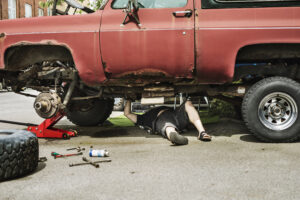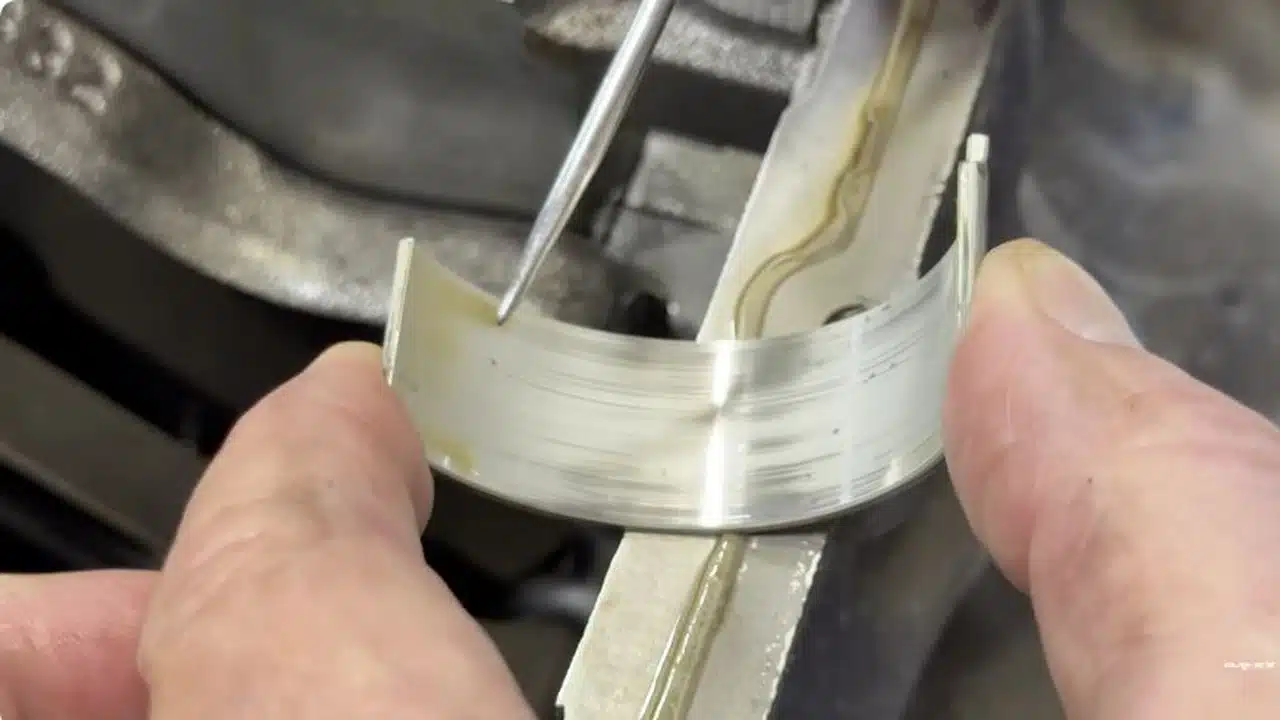
GM 6.2L engine failures are frustrating enough when you are reading a recall notice. Seeing the parts on a workbench makes the problem much harder to shrug off. A new Dave’s Auto Center teardown shows bearing wear and valvetrain damage inside an L87 V8 that Dave says failed GM’s PicoScope inspection.
The October 8 video is worth watching, but it raises two different questions: What happened inside this engine, and does Dave have a proven solution for the wider problem? Those are not the same thing. Here is how his findings compare with GM’s recall documents and the federal investigation now underway.
What GM has documented about 6.2L engine failures
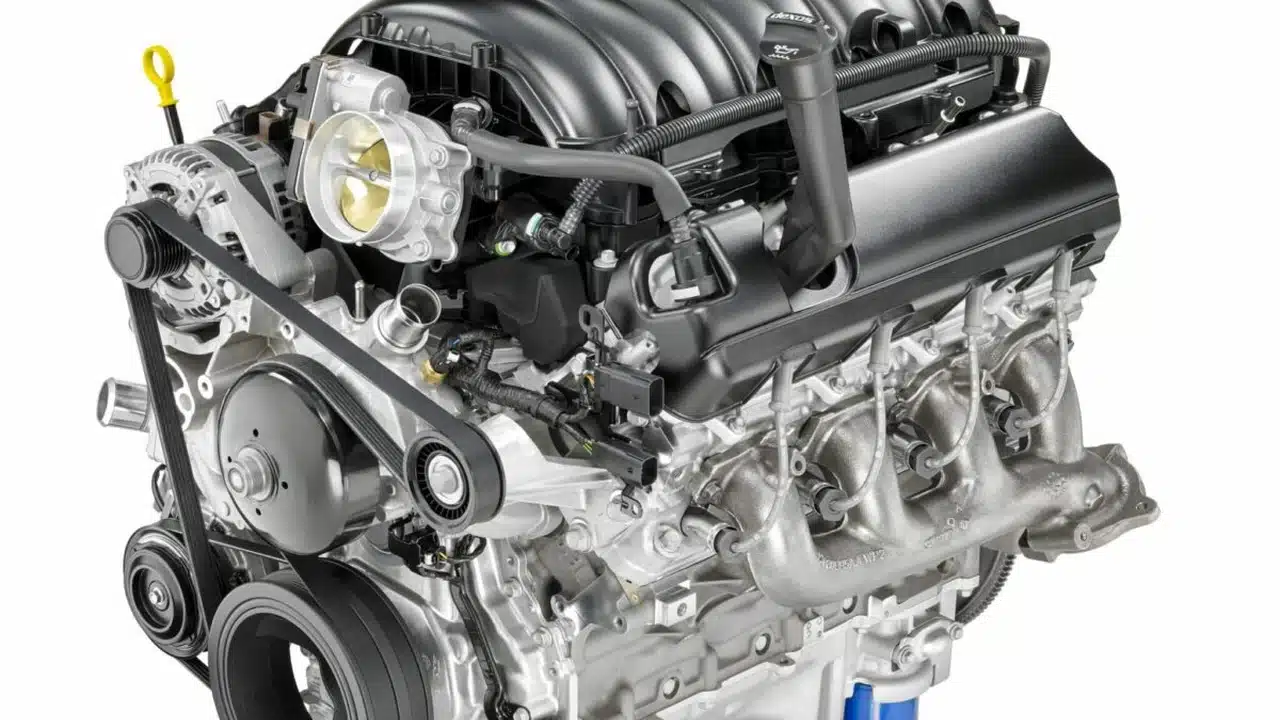
GM’s amended recall filing covers 597,571 U.S. vehicles. It applies to certain 2021–2024 Chevrolet Silverado 1500, Tahoe and Suburban; GMC Sierra 1500, Yukon and Yukon XL; and Cadillac Escalade and Escalade ESV models with the L87. The suspect production window runs from March 1, 2021, through May 31, 2024.
The company identifies two primary manufacturing problems: debris on connecting rods and in crankshaft oil passages that can damage rod bearings, and crankshafts with dimensions or surface finishes outside specification. Engine failure can cause a loss of propulsion.
The recall calls for inspection and repair or replacement when needed. Vehicles passing inspection receive higher-viscosity oil, a replacement filter and oil cap, and updated manual information. That is GM’s documented remedy. The filing does not establish variable oil-pump control as the universal cause of these failures.
What the teardown shows, and what it cannot tell us
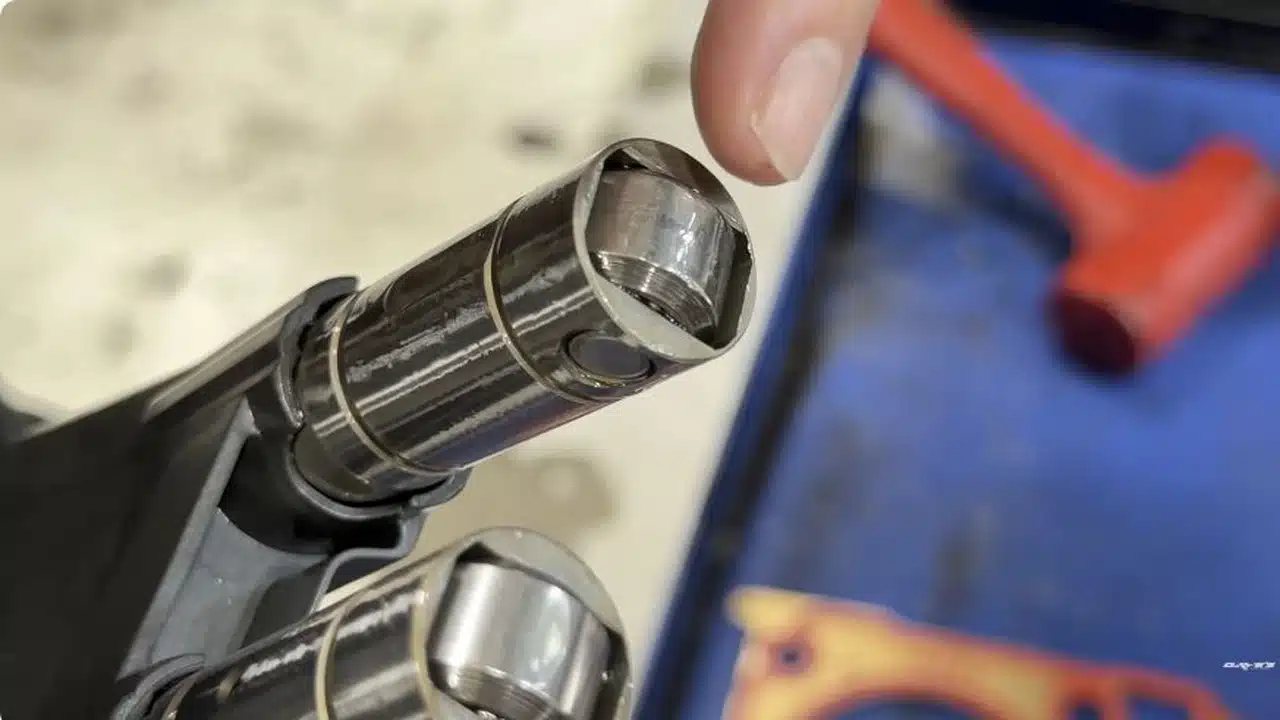
At 16:31, Dave examines polished areas on a bearing and attributes the shiny wear to metal contact. Earlier, around 12:06, he points out lifter damage. He later says the lifter rotated in its guide and discusses possible contamination from that damage. Those are his observations and interpretations of this engine.
There is a meaningful limit to the example: at 10:40, Dave says he does not know its mileage. We should not turn this teardown into a claim that every recalled engine has the same combination of damage, or assign it a maintenance history we cannot verify.
GM’s January 2026 special-coverage bulletin also draws a distinction owners need to understand. Eligible failures caused by the specified connecting-rod or crankshaft condition receive coverage for 10 years or 150,000 miles, whichever comes first, from original service. The bulletin explicitly excludes valvetrain and other top-end issues from that particular coverage. A lifter problem and a covered bearing failure are not automatically interchangeable claims.
Dave’s oil-pressure fix is still a theory
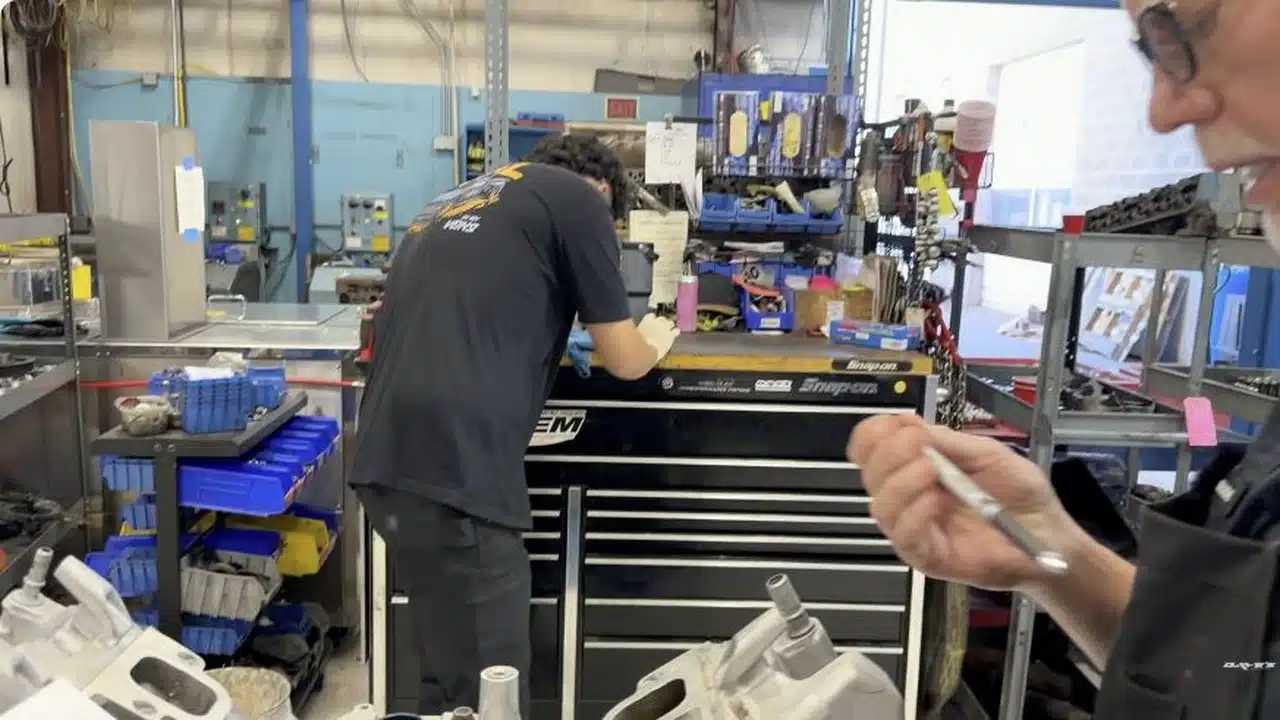
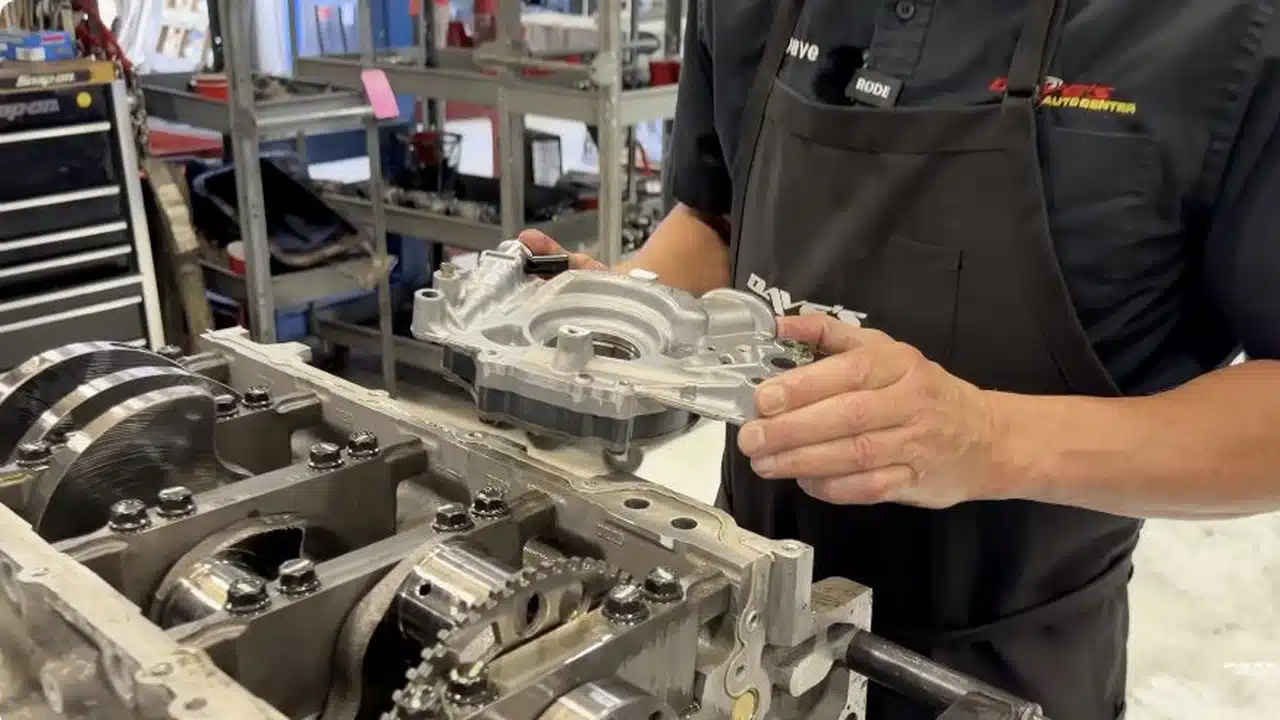
Dave argues that crankshaft surface waviness and reduced oil pressure under light loads could work together to compromise the lubricating film. He proposes changing the variable-displacement oil pump’s control strategy to raise pressure under those conditions. However, the video describes planned dyno work, oil sampling and another teardown, not completed validation.
At 23:44, he says: “That’s my theory. That’s my theory. But, you know, like anything, you got to prove it.” That is the right distinction to preserve when discussing a proposed fix.
I want to see those results. A useful follow-up would show the test conditions, measured pressure, oil analysis and bearing condition afterward. Until then, this is a repair shop’s hypothesis, not a GM-approved repair or a demonstrated cure for GM 6.2L engine failures.
The investigation extends beyond the original recall
NHTSA opened Engineering Analysis EA26005 on August 20, 2026. Its listed population is 997,743 vehicles from the 2021–2026 model years. The agency is examining alleged failures after recall repairs and in L87 engines built after the original recall’s production window. This is an expanded investigation, not an announcement that nearly a million vehicles have been recalled.
The opening document cites 499 complaints alleging failure after a recall remedy: 473 following the oil change and 26 following engine replacement. It separately cites 191 reports involving later-built engines. These complaint counts do not establish a failure rate or prove that all reports share one cause.
A newer September 15 information request cites 946 reports involving recalled vehicles or later-built engines and sets an October 30 response deadline for GM. That broader total should not be described as 946 confirmed post-repair failures.
We previously explained the recall’s oil-type confusion. Since then, GM’s January 2026 bulletin updated U.S. field-action oil guidance to Mobil 1 FS 0W-40. Owners should have a dealer confirm the current instructions and coverage for their VIN and repair history, rather than treating a YouTube teardown as a blanket oil-change recommendation.
My concern is simple: owners need a fix they can trust, not another round of guesswork. Dave’s teardown gives us a closer look at damaged parts. The next step is evidence showing which proposed changes actually prevent the problem.