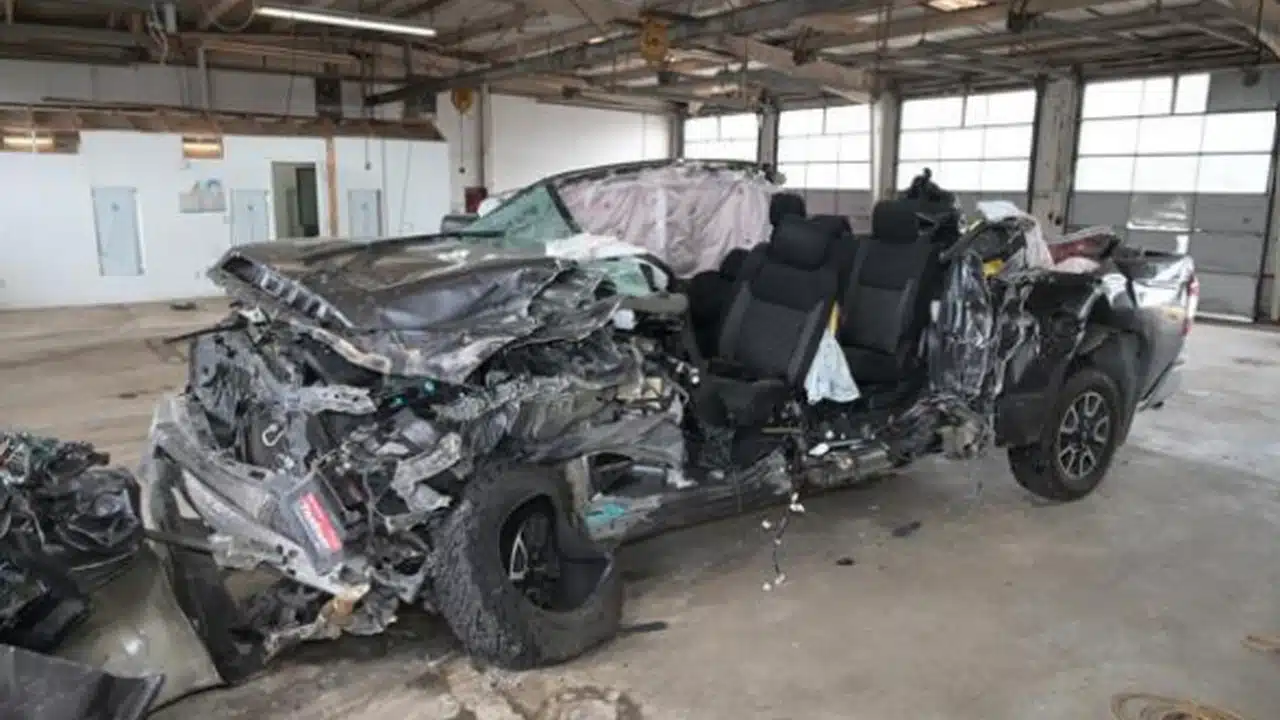
A fatal collision involving a lifted Ford F-150 is raising a question that reaches beyond the driver: Who is responsible when a modified truck crashes?
According to Repairer Driven News’ reporting by Teresa Moss, Charles Holloway Jr.’s widow, Lolita, filed a wrongful-death suit in Georgia’s Gwinnett County State Court in September. The complaint alleges Scott Douglas Kneiss crossed the center line in an F-150 on Jan. 8 and struck Holloway’s Toyota Tundra head-on.
What the lift-kit lawsuit alleges
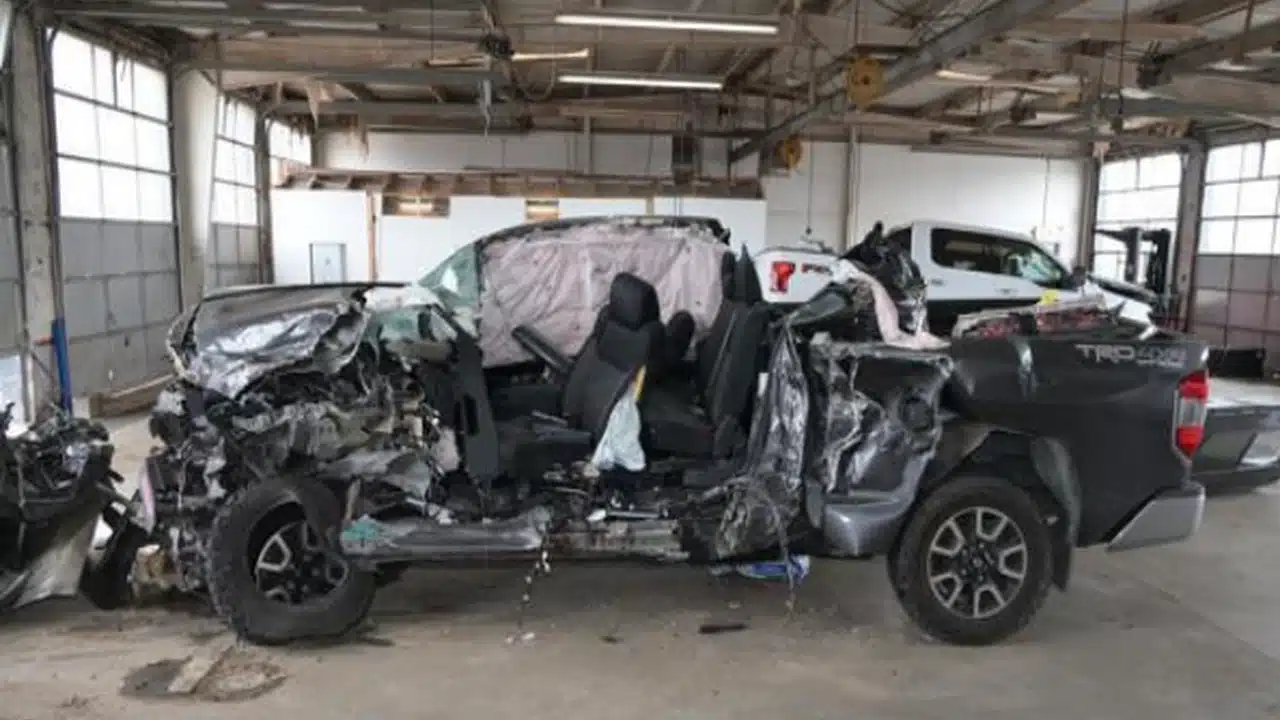
The suit alleges a six-inch suspension lift allowed the Ford’s raised structure to bypass the Toyota’s crash protections, causing fatal cabin intrusion in an otherwise survivable collision. It also alleges interference with the F-150’s crash-avoidance systems.
RDN identifies defendants including Kneiss, Courtesy Ford, GRJ Offroad, Sport Truck, Fox Factory and RealTruck. These are allegations, not findings of liability. RDN’s report does not include responses from the defendants.
The question for this case is whether the modification contributed to the fatal injuries, alongside the driver’s alleged conduct. Photos alone cannot resolve that question.
Why safety-system compatibility matters
PUTT has covered the connection between suspension changes and safety technology before. Our 2021 Tacoma TRD lift-kit report, based on my drive, discussed the kit’s Toyota Safety Sense compatibility. My 2022 Tundra lift-kit story likewise highlighted Toyota’s integration of its factory-developed kit with that system.
I also addressed modification safety in our 2021 coverage of North Carolina’s Carolina Squat ban. A squatted truck and a suspension lift are different setups, but the broader question remains relevant: What changes beyond the truck’s appearance?
Those earlier stories do not establish whether the equipment in this crash was defective. They do explain why buyers should ask about the specific kit, its installation requirements and documented compatibility with their truck’s safety systems, rather than assuming every dealer-sold modification has the automaker’s approval.