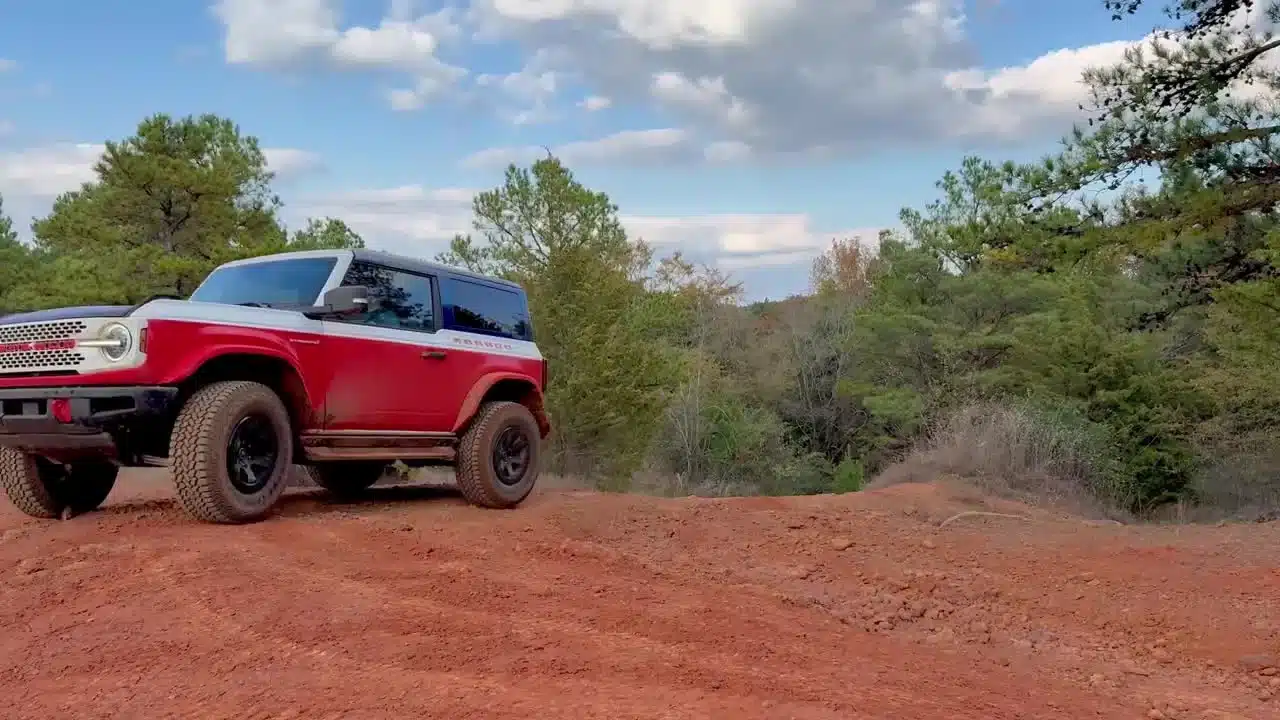
The 2025 Ford Bronco Stroppe made its strongest argument on a tight trail at Barnwell Mountain. Its short wheelbase let me explore sections I had not taken other press vehicles through, and its off-road controls gave me useful choices as the terrain changed. The bright paint gets attention, but the two-door layout is what made this Bronco stand out to me.
This review covers the 2025 two-door Stroppe I drove in our Bronco Stroppe video test. It combines a 2.7-liter EcoBoost V6 with a 10-speed automatic and serious trail equipment. It also asks you to accept the passenger and cargo limitations that come with choosing the smaller body.
The short wheelbase is the real attraction
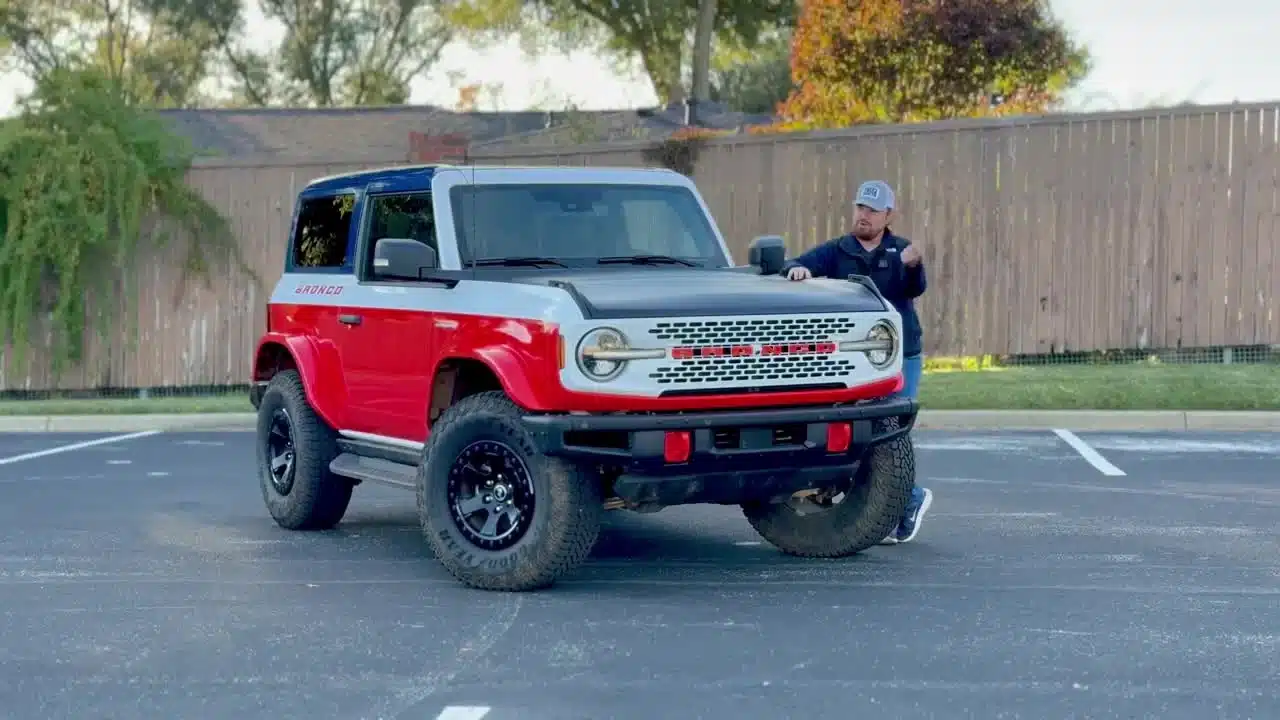
The 100.4-inch wheelbase was a major advantage on the routes I drove. Tight corners and narrow passages felt manageable, and the big, square windows gave me a useful view of my surroundings. The front camera helped me place the tires when the trail ahead became harder to judge from the driver’s seat.
I had driven the route earlier to check it as a filming location. During that first pass, I used both differential locks on a rocky section. When filming, I left the front unlocked for part of the route and experienced some front-wheel slip. That difference was a good reminder that even a capable truck benefits from choosing its settings for the obstacle.
Trail Turn Assist was another feature I appreciated. It can brake an inside rear wheel to help the Bronco pivot through a tight turn. Combined with the compact body, it helped make this my favorite Bronco experience on these trails. That is my assessment of this test, not a claim that it will outperform every larger off-roader in every situation.
The Stroppe has hardware behind its heritage paint
The V6 is rated at 330 horsepower and 415 pound-feet of torque on premium fuel. Regular fuel is permitted, with reduced output. A 10-speed automatic sends power through the four-wheel-drive system, and low range was useful during the slower trail work.
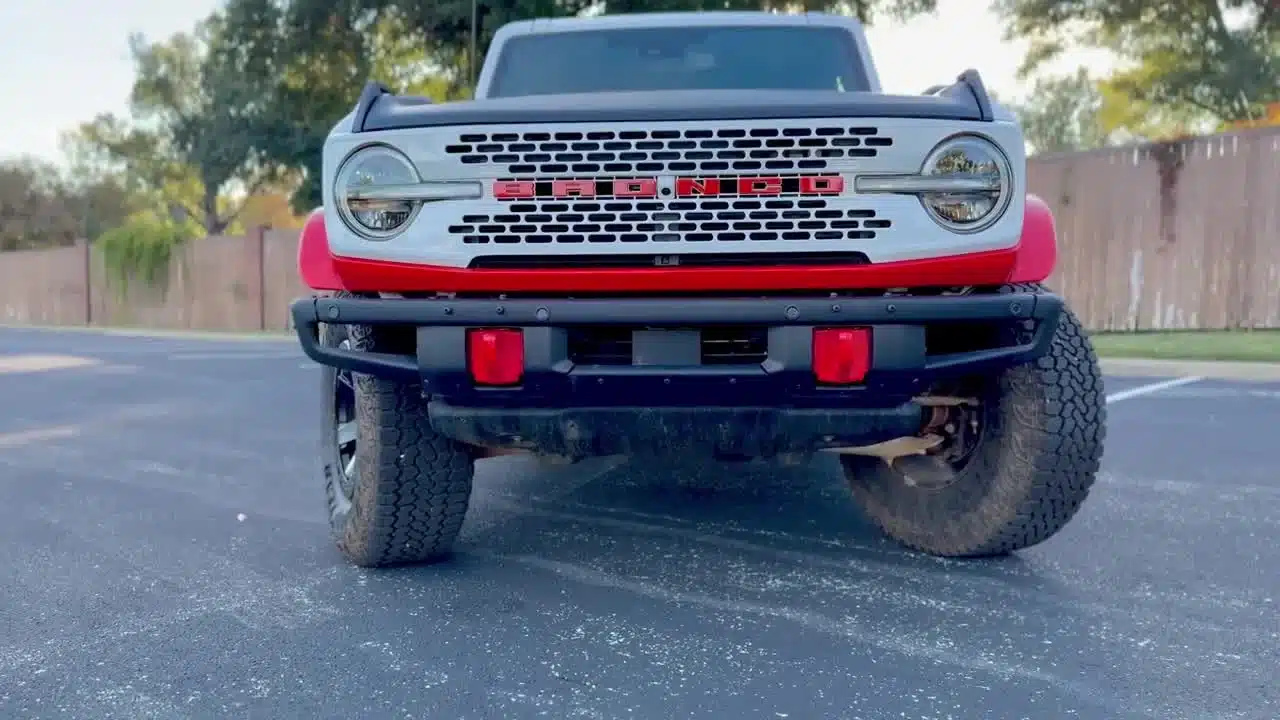
Ford’s Stroppe introduction describes a special edition that honors Bill Stroppe’s Baja racing history. The test vehicle backed up that appearance with Fox suspension, off-road tires, a modular steel front bumper and protective plates underneath. Its black hood treatment also reduced glare in front of me.
One detail I particularly liked was the step and rock-rail combination. The textured step made getting into the cabin easier, while its removable design lets an owner take off the step and retain the rock rail when additional clearance is needed. That is more useful than a styling piece that gets in the way on a trail.
The controls helped me concentrate on the trail
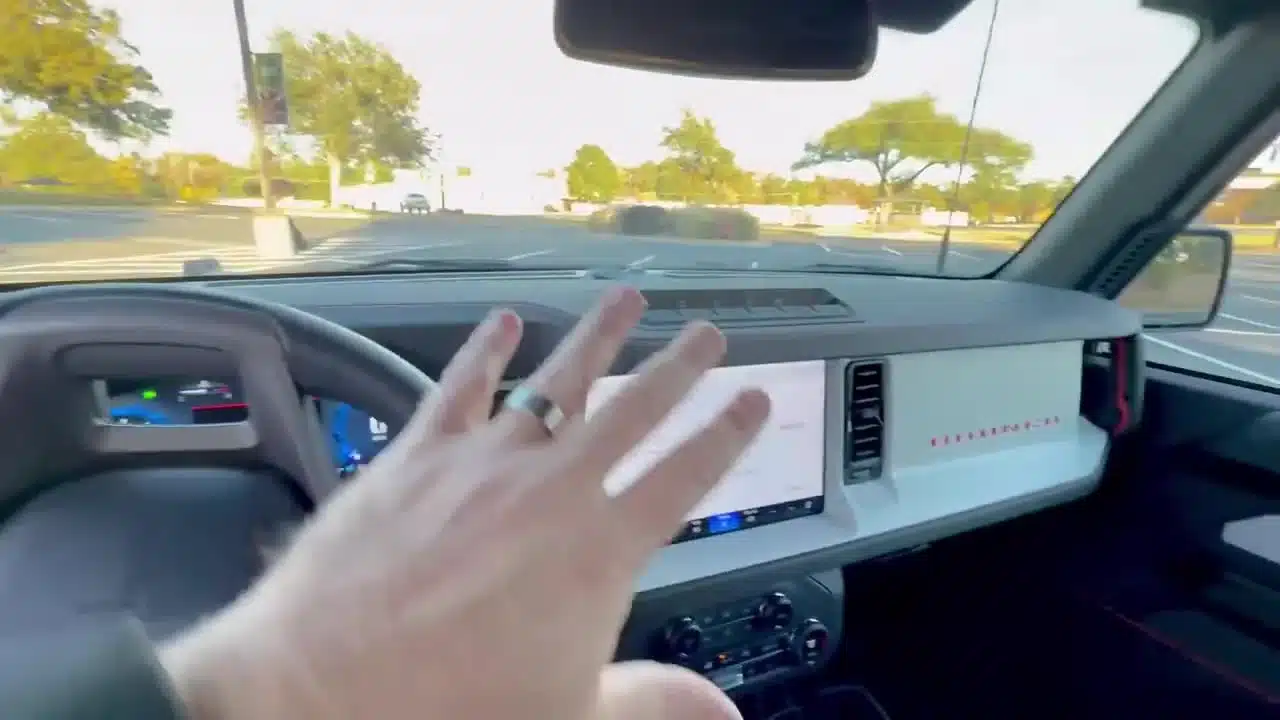
Selecting Rock Crawl mode brought clear instructions to the gauge display, including shifting into Neutral for low range. The setup also handled settings such as the rear differential lock and front stabilizer-bar disconnect. I could still adjust the available controls as conditions required.
Trail Control managed the throttle and brakes at a selected low speed while I concentrated on steering and tire placement. On the route shown in the video, that was useful when working slowly through rocks. The camera display was another help, although I still had to judge the line and pay attention to where the rear tires would follow.
The cabin also had a digital instrument cluster, wireless Apple CarPlay and Android Auto, auxiliary switches and heated front seats. The seats adjusted manually, and the interior emphasized durable surfaces and easy cleanup. I liked the combination of everyday equipment and controls that were accessible during the off-road drive.
Two doors come with real cargo compromises
Getting into the rear seats required moving a front seat forward. There was usable legroom once inside, but frequent rear passengers should try that process themselves before choosing a two-door. Easy maneuverability on a trail does not automatically mean easy family access in a parking lot.
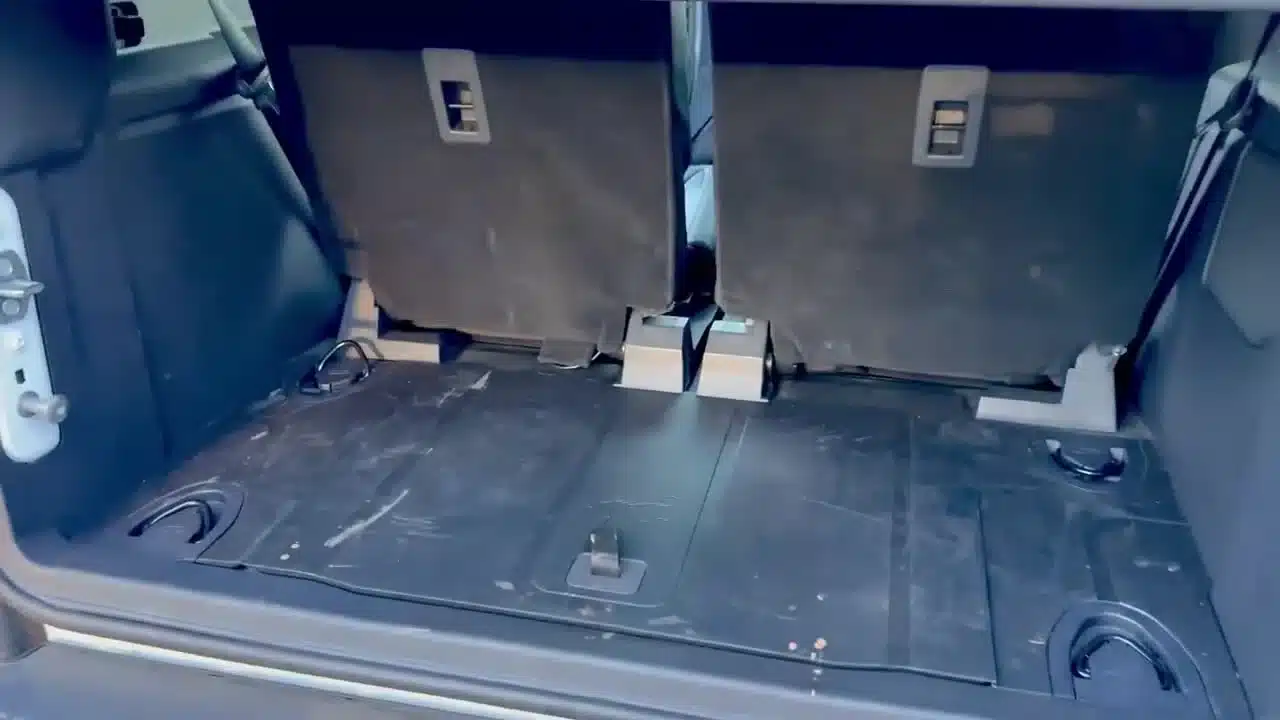
The cargo area was the more obvious compromise. There was not enough space to carry the removed doors in the back as you can in a four-door Bronco. The split rear seatbacks also did not fold into a completely flat load floor. Packing bulky equipment would take more planning than it would in a larger SUV.
Those limitations would matter more to some buyers than the Stroppe’s trail advantages. For me, the compact size, V6 and accessible off-road controls worked together exceptionally well at Barnwell Mountain. If you regularly carry rear passengers or a lot of gear, the space tradeoff deserves just as much attention as the paint and power.
Editor’s note: The accompanying video includes a paid promotion for ScreenPro Tech.