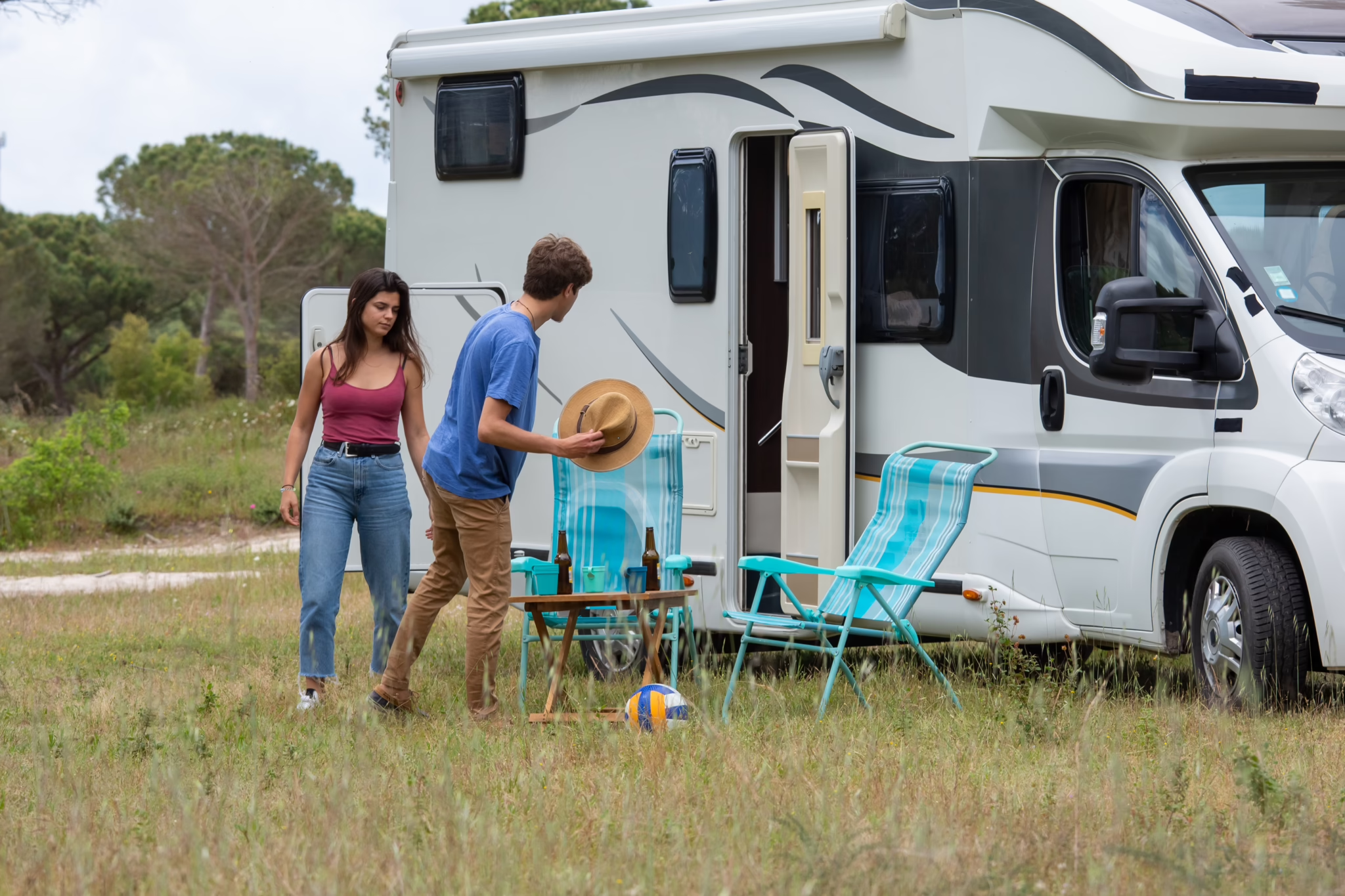
Getting home from an RV trip usually means unpacking the truck, unloading gear, and catching up on everything you ignored while you were away.
But before you park the RV and forget about it until the next trip, a little preparation can help prevent problems while it sits. Even if your RV will only sit for a few weeks, moisture, pests, battery drain, tire pressure changes, and weather exposure can create problems.
Longer storage periods require even more preparation. A few weeks between summer trips may only require basic cleaning, inspections, and routine maintenance, while seasonal or long-term storage can call for additional steps based on the climate and your RV manufacturer’s recommendations. Use this practical checklist to put your RV away properly and make getting back on the road easier.
1. Clean the RV and Remove Food
Start inside. Remove food from cabinets, the refrigerator, freezer, and any exterior kitchen compartments. Even sealed items can attract insects or rodents, so clearing out anything edible is usually the safer option. Then:
- Empty trash cans.
- Wipe down counters and cooking surfaces.
- Sweep or vacuum floors.
- Clean food crumbs from cabinets and drawers.
- Empty and clean the refrigerator.
- Leave the refrigerator door slightly open after switching it off to reduce odors and mildew.
Take damp towels, bedding, and clothing home rather than leaving them inside.
2. Check for Leaks and Moisture
Water intrusion can cause significant damage when an RV sits unused.
Before storage, inspect the roof, windows, doors, vents, seals, and exterior seams. Look for cracked sealant, staining, damp areas, or other evidence that water is getting inside. Check beneath sinks and around plumbing fixtures too. If you discover a leak, repair it before storage rather than risking additional water intrusion while the RV sits. For longer storage periods, consider using moisture-control products inside the RV, particularly if it will be stored somewhere humid.
3. Take Care of the Batteries
Batteries can gradually discharge while an RV sits.
What you should do depends on the RV, battery type, storage duration, and manufacturer recommendations. Some owners may use an appropriate battery maintainer, while others may disconnect or remove batteries for longer storage.
Always follow the battery and vehicle manufacturers’ recommendations rather than assuming the same storage method works for every setup.
4. Check Your RV and Trailer Tires
Tires deserve special attention when an RV or trailer will sit in the same spot for weeks at a time.
- Inflate the tires to the pressure specified by the RV or trailer manufacturer.
- Inspect the tread and sidewalls for cuts, cracking, bulges, or other damage.
- Check the spare tire as well.
- Avoid leaving tires sitting in standing water or soft ground.
- Consider appropriate tire covers if the RV will receive prolonged direct sunlight.
Goodyear recommends checking Special Trailer tire inflation at least monthly and before trips, and regularly inspecting tires for damage. Follow your RV and tire manufacturers’ guidance for your particular setup.
5. Inspect Your Towing Equipment
For towable RVs, don’t forget about the equipment connecting the trailer to your truck or SUV. Before leaving the RV in storage, inspect the hitch, coupler, safety chains, electrical connector, breakaway system, and any weight-distribution or sway-control equipment. Look for:
- Corrosion or excessive wear
- Damaged electrical connections
- Bent or damaged components
- Loose hardware
- Problems with safety chains or cables
Finding an issue now gives you time to fix it rather than discovering it while hitching up for your next trip.
6. Park and Secure the RV Properly
Choose a level, stable surface whenever possible.
Use wheel chocks to help prevent unwanted movement and stabilizers where appropriate for your RV. Remember that stabilizers are generally intended to reduce movement rather than lift or level the RV unless its manufacturer specifically says otherwise.
Before leaving, do a walk-around. Make sure:
- Doors and windows are closed and locked
- Exterior storage compartments are secured
- Awnings are fully retracted
- Steps are stored
- Roof vents are positioned appropriately
- Propane and other systems are secured according to the manufacturer’s storage instructions
7. Choose a Safe Storage Location
Not every driveway is suitable for storing an RV. Homeowners may have limited space, HOA restrictions, local parking rules, or simply prefer not to leave an expensive RV exposed beside the house. If you need an alternative, dedicated RV storage can keep your vehicle off your property between trips. When comparing storage locations, think beyond convenience.
Consider access, security measures, surface conditions, lighting, weather exposure, and whether the space can comfortably accommodate your RV’s dimensions. For short gaps between trips, accessibility may be the priority. For longer-term storage, exposure to the elements and the ability to check the RV periodically may matter more.
8. Protect It From the Weather
Sun, rain, snow, wind, and temperature changes all take a toll on an RV.
If you’re using an RV cover, choose one designed for your vehicle and secure it according to the manufacturer’s instructions. A loose cover can move in the wind and rub against exterior surfaces. Tires, seals, plastics, and exterior finishes can all deteriorate after extended exposure to sunlight.
9. Check the RV While It’s Stored
Parking an RV doesn’t mean you should ignore it until your next vacation. For longer storage periods, visit it periodically. During each check:
- Look underneath for leaks.
- Inspect for signs of rodents or insects.
- Check the interior for moisture or unusual odors.
- Inspect tires and verify their pressure.
- Look for weather-related exterior damage.
- Check batteries according to their maintenance requirements.
- Make sure doors and compartments remain secure.
Catching a small issue after a few weeks is much better than discovering months of damage before your next trip.
10. Complete a Pre-Trip and Pre-Towing Inspection
Before heading out again, give yourself enough time for a proper inspection rather than hitching up and immediately hitting the highway.
Check tire pressures when the tires are cold and inspect them for damage. Goodyear’s guidance for Special Trailer tires recommends inspecting them before trips, including for cracks, bulges, penetrations, air loss, and other damage. Then check:
- Hitch and coupler
- Safety chains
- Breakaway cable and system
- Trailer electrical connection
- Brake lights and turn signals
- Trailer brakes
- Fluid levels where applicable
- Battery condition
- Mirrors and towing equipment
Finally, walk around the entire RV before departure to confirm that compartments, doors, windows, steps, vents, and awnings are ready for travel.
A Little Work Now Makes the Next Trip Easier
Proper RV storage isn’t complicated, but it does require more than finding a parking space. Cleaning the interior, controlling moisture, maintaining batteries and tires, inspecting towing equipment, protecting the RV from weather, and checking it periodically can help prevent unpleasant surprises. For more seasonal considerations, review these RV storage and winterization tips before putting your RV away for an extended period.
Proper preparation now can help you spend less time dealing with storage-related problems when your next trip arrives — and more time getting your truck, trailer, and family on the road.