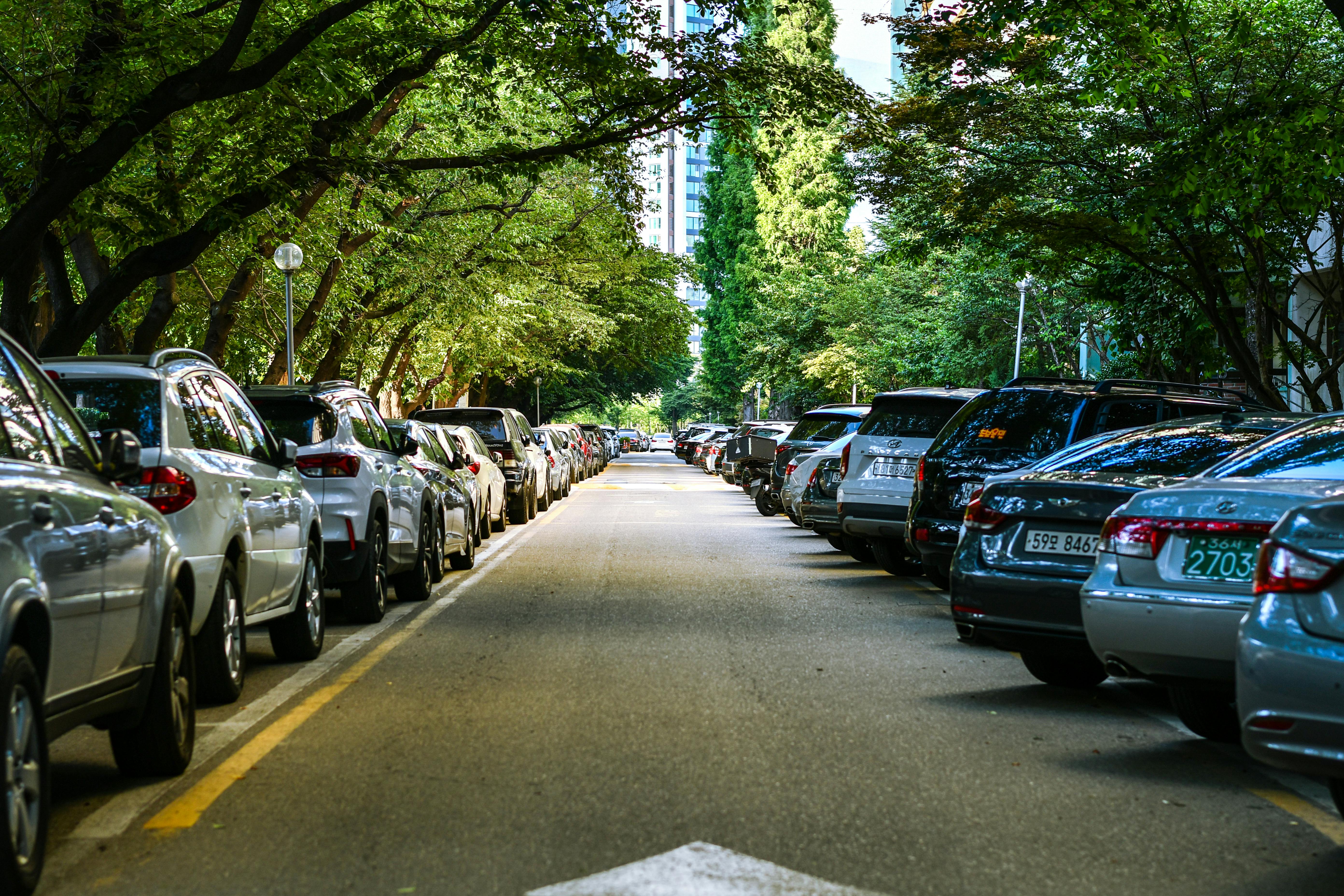
Photo by Constantine Kim via Pexels
By Daniel Battaglia, Founder of Parksy | August 21, 2026
Getting a parking agreement can appear straightforward until the very first disagreement. The renter assumes the space is available overnight; the owner assumes it is just for daytime use. Issues with visitors, vehicle changes, payments, or access can easily cause trouble.
While verbal negotiations can be convenient, they can leave out crucial components.
That said, a written lease agreement provides clarity for both parties on what was accepted and what each party is expected to do. It can also simplify parking arrangements management in the event of changes in circumstances.
Whether it is a driveway, garage, or a separate space, have a formal agreement and a better foundation from the get-go.
Let’s see how to organize one clearly and also steer clear of typical parking rental issues.
1. Make Sure The Parking Space Is Clearly Marked
Photo by John Robertson via Pexels
The first move is to find out what the tenant is renting.
The parking space lease agreement should include the address of the property and the parking space to be leased. If more than one space has a driveway or garage, include a space number or descriptive space.
Describe if the tenant has exclusive use or shares with others. Include a simple diagram or other identifying information if possible. This makes it easier to keep track of where the tenant should park.
In Paddington, Sydney, I had the same problem myself; I noticed that a lot of driveways were empty, but parking in the area was still difficult. That experience motivated Parksy’s approach of connecting drivers with underused private parking spaces..
According to a study of 1,316 apartment residents in Perth, Melbourne, and Sydney in 2023, 65.9% had the same number of parking spaces as cars, while 20.2% had more parking spaces than cars, and 14% had fewer parking spaces than cars. These figures show that parking supply does not always match the number of vehicles in a household, which can contribute to differences in parking availability.
2. Put Payment Terms in Writing
One of the most significant components of a parking deal is money.
The agreement should include the rent, how often it is paid, the due date, and the payment method accepted. Clearly specify the amount and conditions of any security deposit, late fee, or other allowed fees if charged.
Also, describe the consequences of changing the rental price and the length of the notice. It is helpful to keep any payment records. If there are any questions, receipts, bank statements, or electronic confirmations will give a clear history.
3. Establish Clear Parking Guidelines
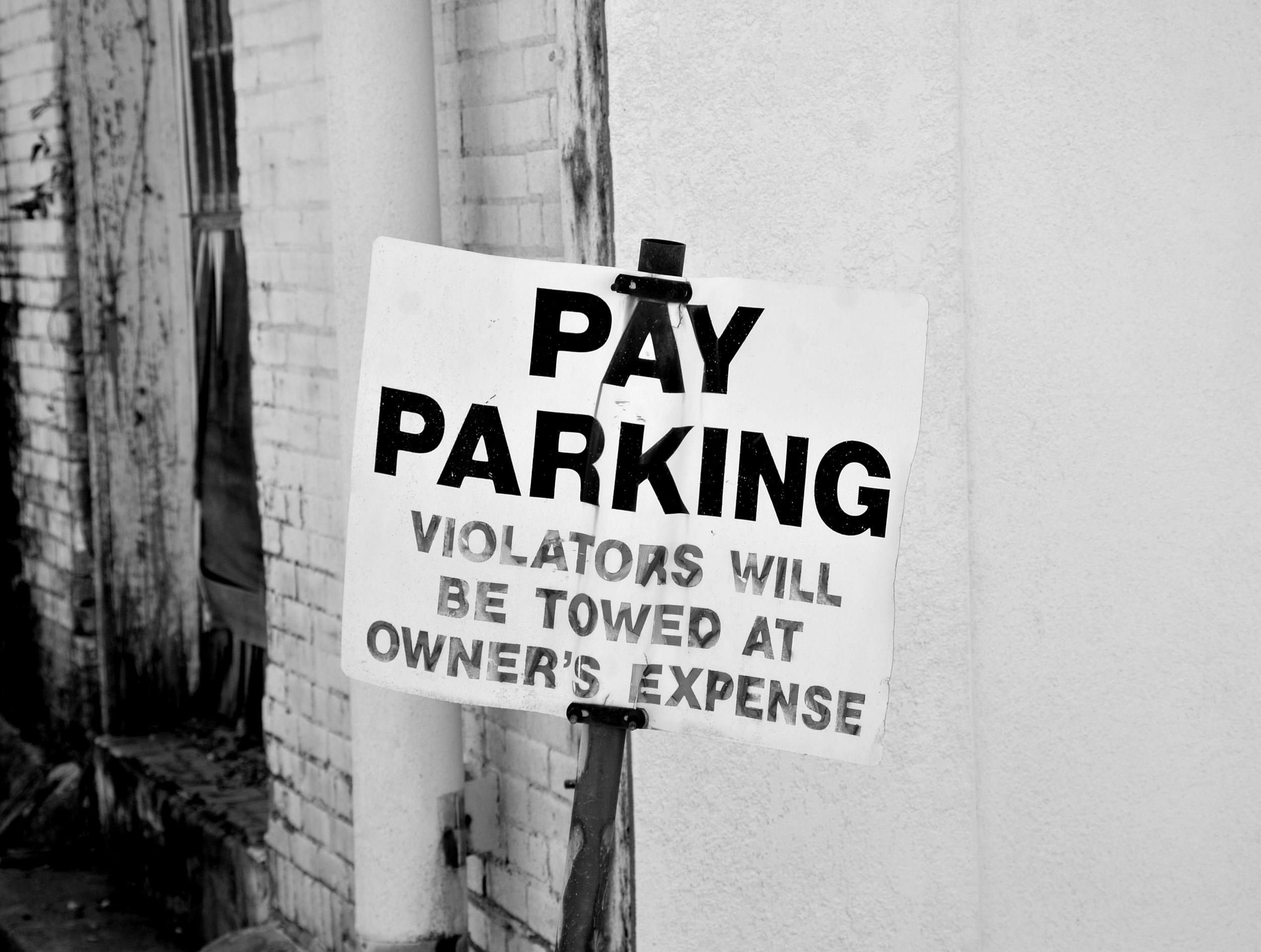
Photo by Erik Mclean via Pexels
There should be an official contract outlining usage of the space. Cover simple rules (e.g., vehicles allowed, type of vehicle).
You may also have rules for:
- Vehicle size and/or weight restrictions
- Guest or visitor parking
- Overnight parking
- Personal storage of objects
- Commercial vehicles
- Repairs or maintenance work
- Obstructing roadways or access to roads
Take into account access arrangements as well. If the tenant has a gate key, remote, access card, or security code, discuss who provides it and what happens when the lease term is up. If there are any disagreements, clear rules help to make expectations easier to follow.
Local parking policies also have a set of restrictions and policies for access, which illustrates the importance of clear terms even for small private parking arrangements. Victoria, for instance, has certain regulations regarding parking spots and the congestion levy, and owners should find out what rules apply in the location where they live.
4. Describe Responsibilities and Liability
Parking can present hazards that are often overlooked. You should agree who is responsible for maintenance and what they will be responsible for. The property owner might, for example, clean the parking lot, and the tenant might be responsible for registering and insuring the car legally.
Damage, theft, weather, and third parties should also be covered. Do not include general statements about security. Rather, describe what measures are available to the property owner (if any). The liability clause should be based on local law. When facilities are shared, or there are unusual risks, legal counsel may be necessary to develop appropriate terms.
5. Set the Lease Period and Ending Terms
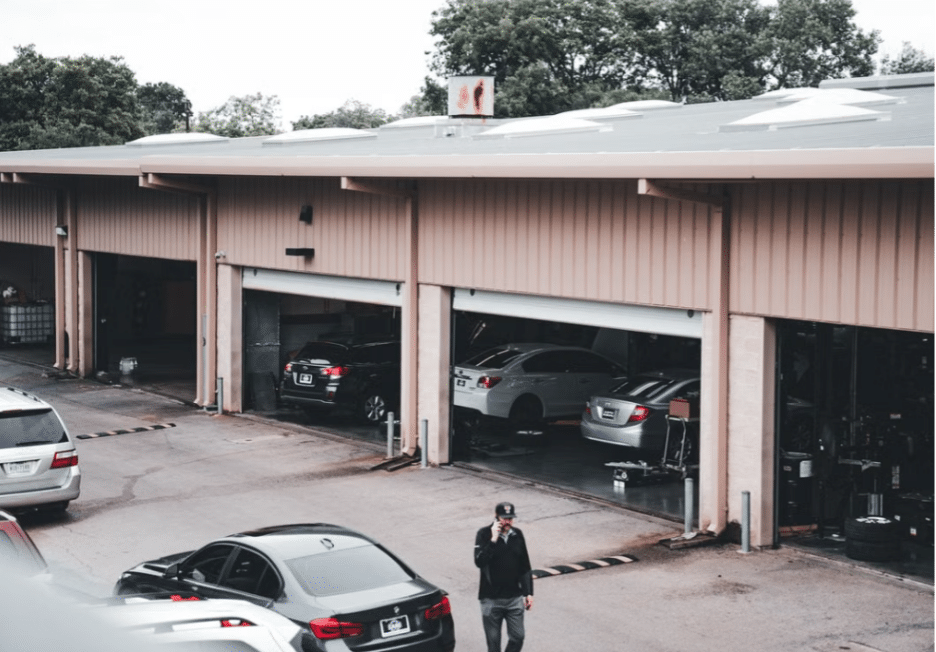
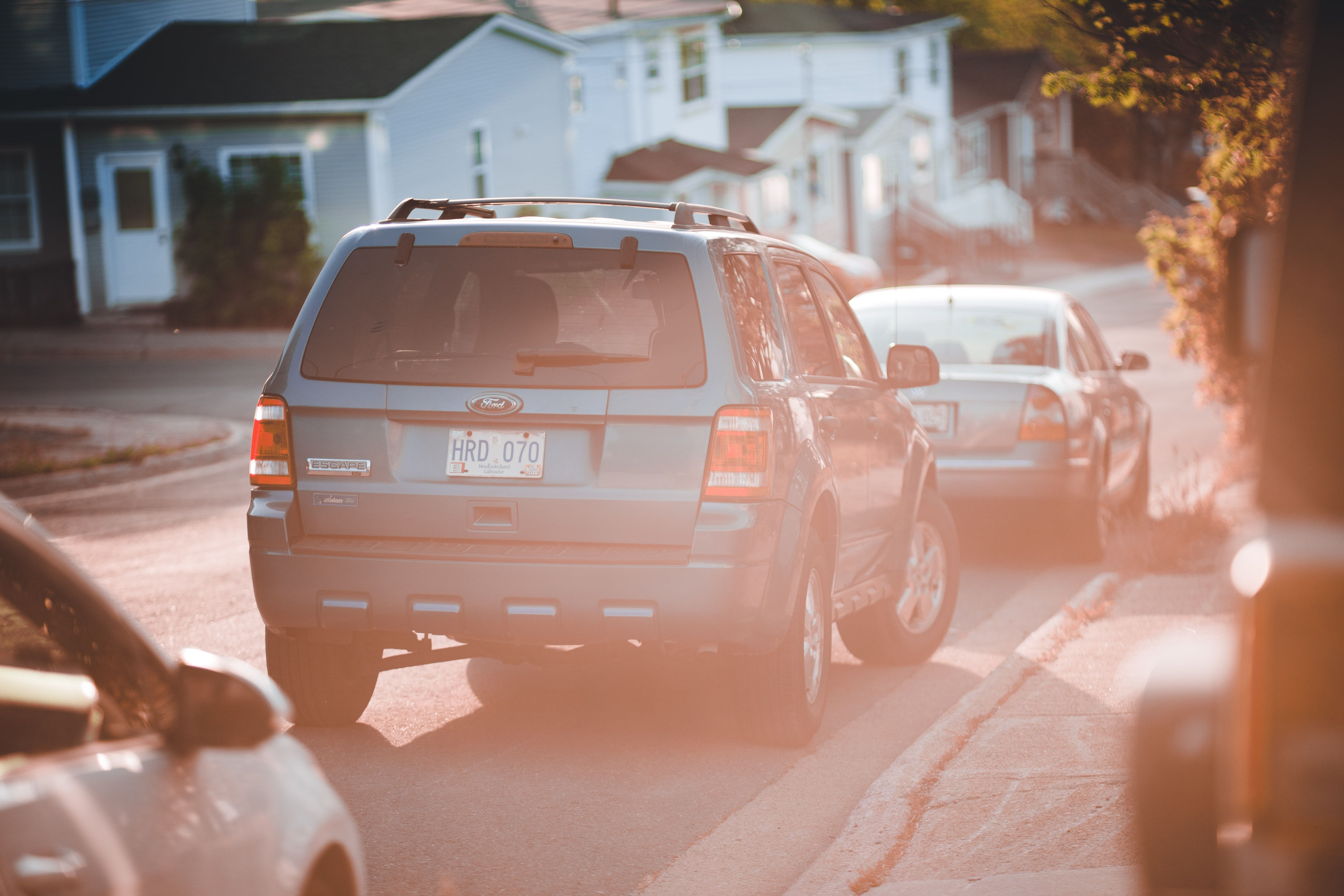
Photo by Erik Mclean via Pexels
There should be a precise start date and length of time for a parking arrangement. You may make a fixed-term lease or a recurring arrangement which will continue until either party provides notice. The agreement should clarify the need for notice to terminate the rental.
It should also include information on what happens if either party defaults on a significant clause. The terms for termination may differ depending on location and agreement type, so you have to follow the rules in your area. At the end of the lease, discuss return of the vehicle and keys, remotes, or access devices.
6. Record Vehicle and Tenant Details
Identifying the tenant and vehicle adds clarity. Include the tenant’s full name and contact information. You can also record the vehicle’s registration number, make, model, and color. This becomes useful when several parking spaces or vehicles are involved.
If the tenant changes vehicles, explain whether they must notify the owner first. Both parties should keep a copy of the signed agreement. Digital storage makes the document easy to retrieve when questions arise.
Final Thoughts
A parking arrangement becomes easier to manage when both sides understand their rights, responsibilities, and limits. A formal lease can identify the space, establish payment terms, set usage rules, record vehicle details, and explain how the arrangement can end. It also provides a useful reference if a disagreement develops.
Take time to write clear terms that reflect the actual parking situation rather than relying on assumptions.
Review local requirements when necessary, and keep a signed copy for your records. Before accepting payment or handing over access, make sure both parties understand and agree to every important term.
This article is general information, not legal advice.
Author Bio:
Daniel Battaglia is the Founder & CEO of Parksy, a global parking marketplace, and author of Parking Made Easy: Making Life Easier.