
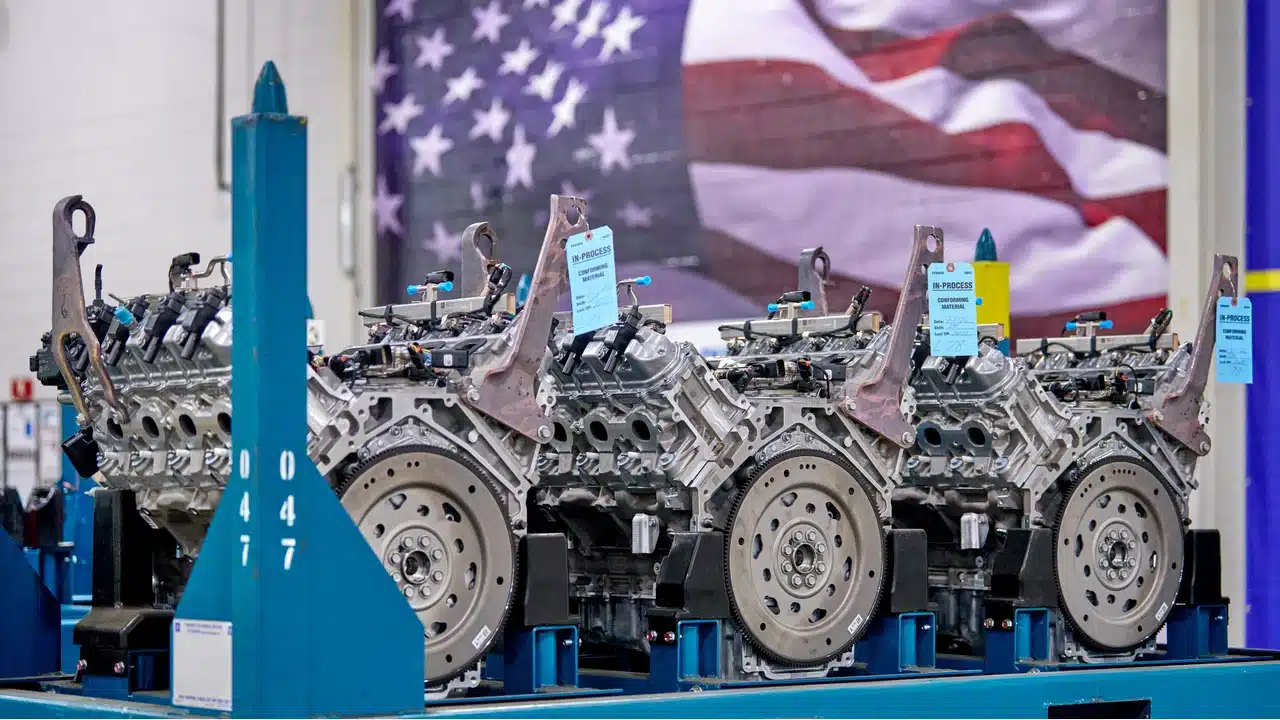
GM engine quality was the issue I wanted to hear more about at its Flint event, beyond horsepower and torque. With questions about its previous V8 engines still hanging over the company, I wanted to know what it is doing differently to improve engine quality. The most interesting answer involved artificial intelligence, manufacturing data, and the ability to trace individual parts through an engine’s life at the factory.
During the Q&A and my conversations with engineers, GM described a system that connects information from machining, assembly, and testing. The goal is to identify trouble earlier and give the company a better picture of an engine before it leaves the plant. That deserves a closer look as GM prepares its new 5.7-liter and 6.6-liter V8s for the 2027 Chevrolet Silverado and GMC Sierra.
How AI Could Improve GM Engine Quality
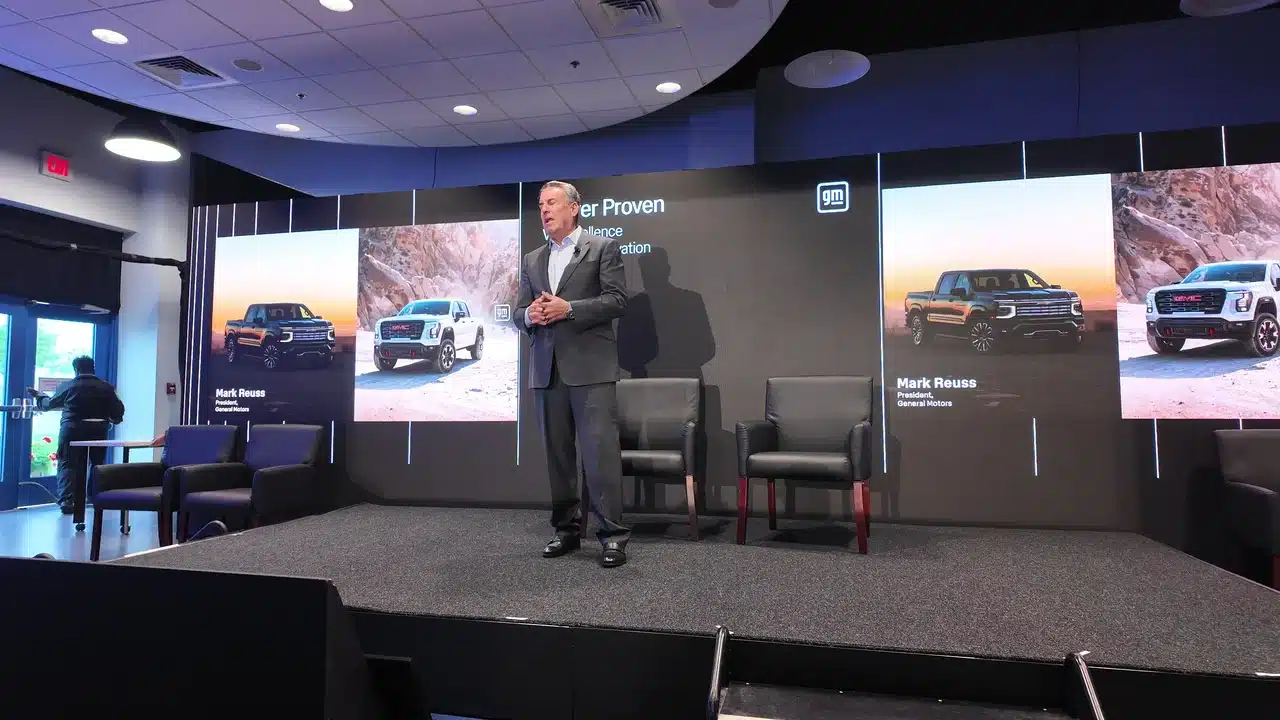
In the Q&A, Mark Reuss, president of General Motors, said work on a large database and AI system began with the L87 6.2-liter V8 over the past two years and has carried into the sixth-generation engine program. That history matters. This is an effort GM says it has already been developing, with the new engines benefiting from that work.
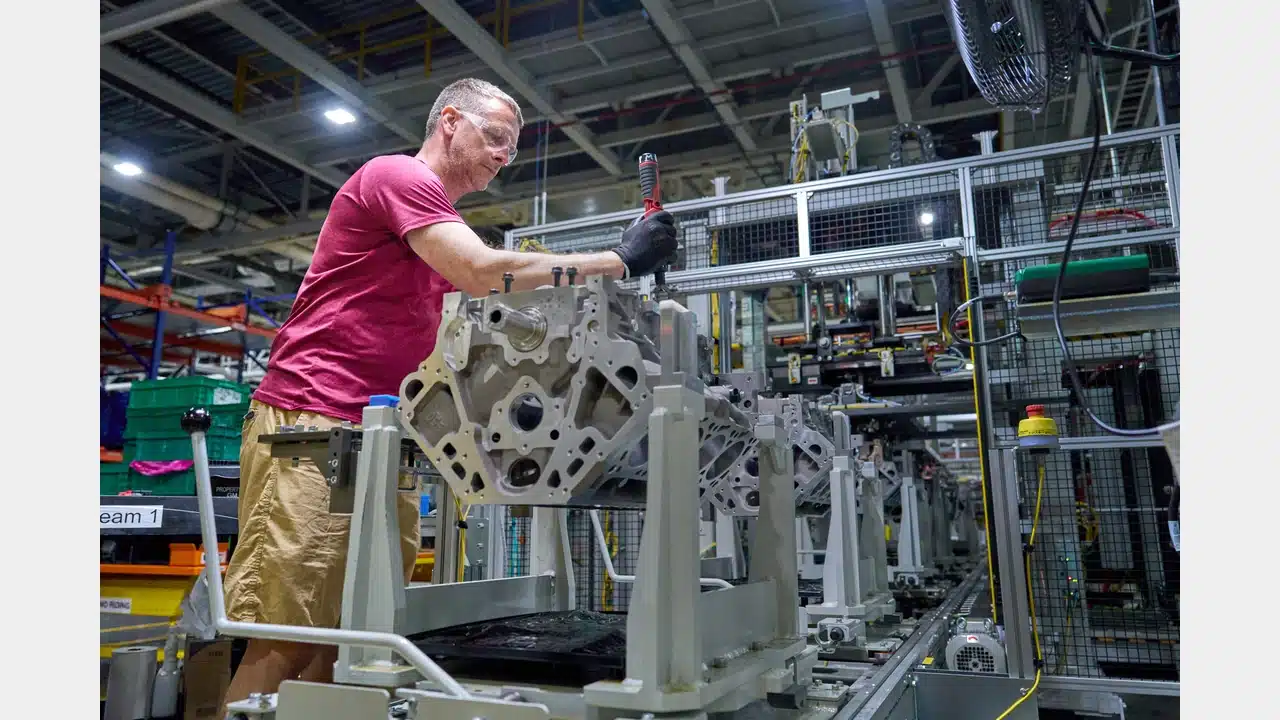
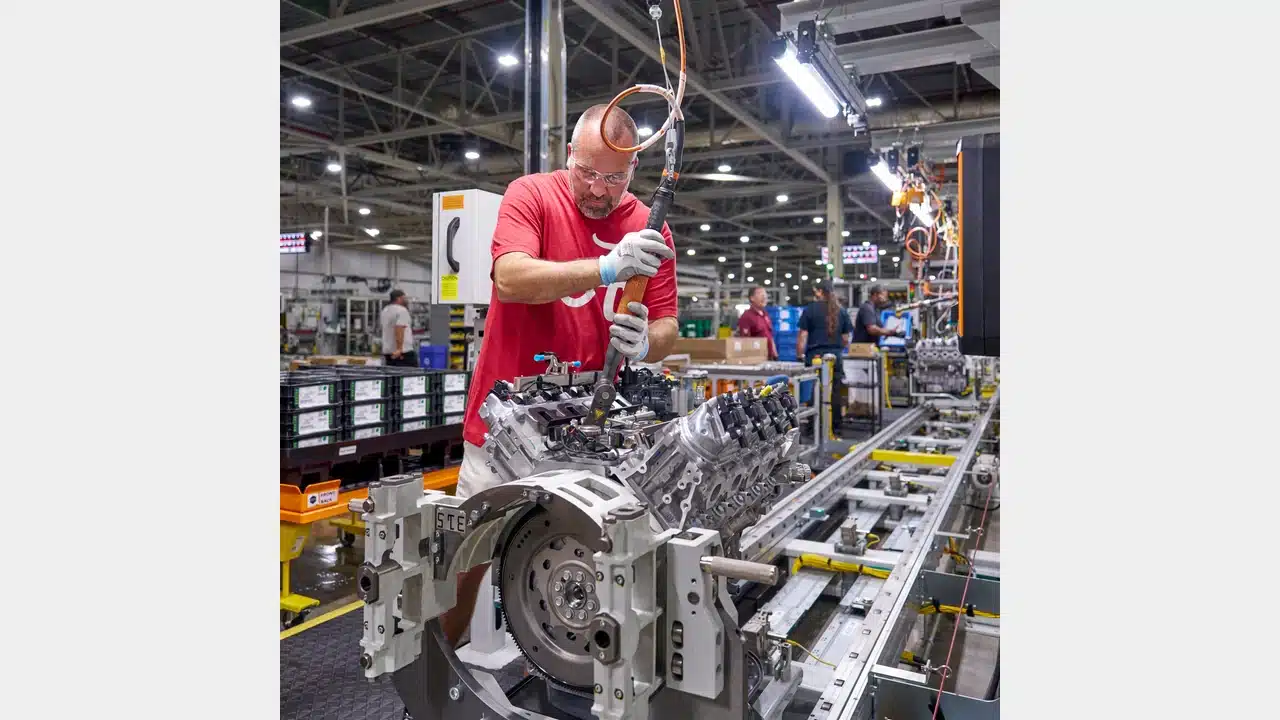
The explanation became more concrete when I asked about it on the manufacturing floor. An engineer described the amount of information generated by machining equipment, fastening operations, cold testing, and checks of how much torque it takes to turn an engine. GM wants to analyze those records to identify emerging problems before production gets too far along.
Think of it as looking for an early warning in the manufacturing process. A finished engine can pass through several operations, each producing its own measurements. Bringing that information together gives engineers more to work with than any one measurement alone. The engineer also described using test results to narrow the range of variation in the engines being built.
GM did not provide a percentage reduction in failures attributable to AI during these answers. It also did not explain the underlying AI model in detail. The concrete takeaway is the manufacturing data being examined and when GM hopes to act on it.
Tracking the Parts Inside Each Engine
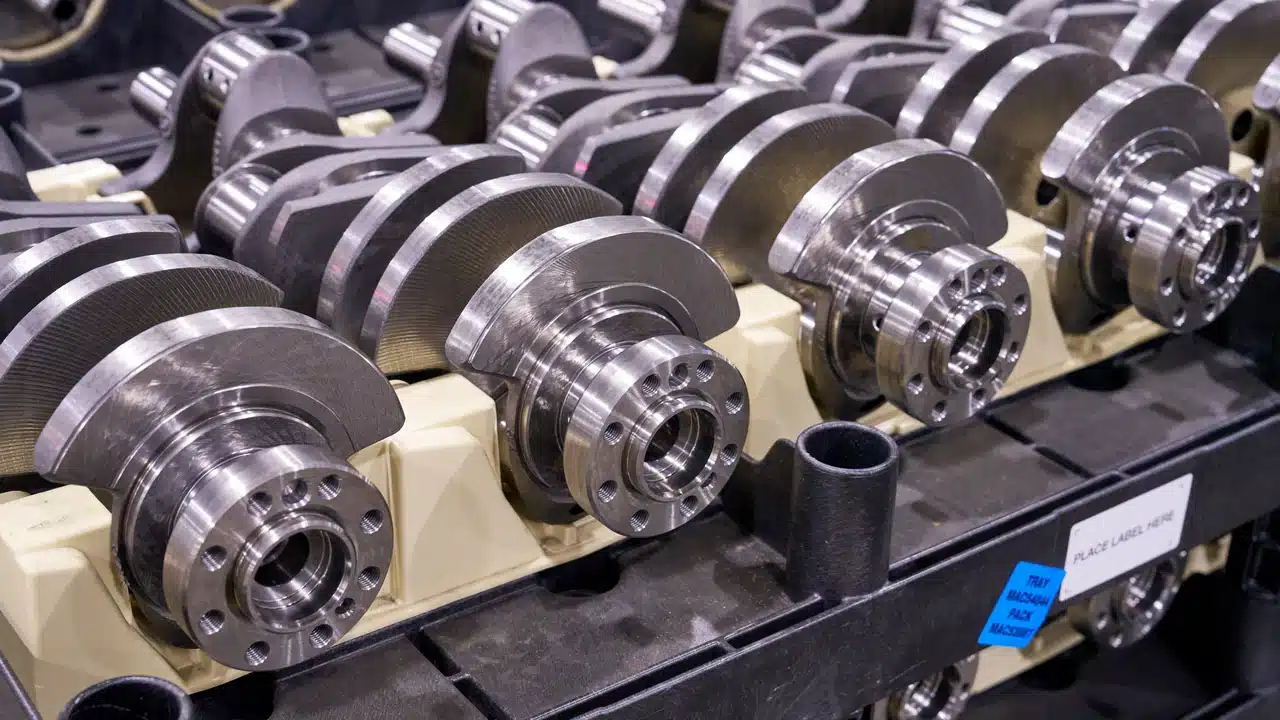
The other part of the explanation that caught my attention was serialization. The engineer said the engine’s identification number is tied to serial numbers on individual components, including the crankshaft, block and fuel rails. That creates a record of which parts went into which engine.
If a component later becomes a concern, GM can use those records to find where that part went. During the Q&A, officials also described comparing information about components made in-house and by suppliers, then confirming the finished engine after assembly. They called the result a health check before an engine leaves the plant.
For owners, the potential benefit is straightforward: better information about how an engine was built and a clearer trail when something goes wrong. Tracking a part does not itself prevent that part from failing. Its value comes from helping GM identify a concern, understand its source and act on the engines involved.
Why Swarf and Engine Cleanliness Matter
GM’s answer also included changes to the engine itself. Officials described three areas of work: computer analysis of components such as the crankshaft, bearings, and block; additional physical testing on engine dynamometers and in vehicles; and manufacturing analytics. The data system is one part of that wider effort.
In a separate engineering discussion, Randy Dufresne, design system engineer for GM’s Gen 6 Small Block engines, described larger oil passages serving the lifters, larger dual feeds to the main bearings and machined passages intended to improve cleanliness and avoid residual casting sand. Dufresne was careful to distinguish those goals: the larger passages are about delivering oil efficiently where it is needed, rather than flushing debris through an engine.
Swarf is the metal chips, shavings and fine debris created when engine components are machined. I brought it up with Dufresne at the event because it is a real reliability concern. We have covered the Toyota Tundra engine recall involving machining debris. In its recall filing for certain 2024 Tundras, Toyota described how manufacturing debris could cause a main bearing to fail, potentially stalling the engine.
Removing swarf is a major manufacturing job, with dedicated machinery, including multimillion-dollar systems, designed to get that debris out before final assembly. During the Flint manufacturing discussion, a GM engineer explained that coolant carries away swarf as parts are machined, followed by high-pressure washing to remove remaining debris. Cleanliness has to be built into the production process.
That is why I think the physical cleaning process belongs in this conversation about AI and GM engine quality. GM needs clean components, consistent machining, and useful data about how each engine was built. The analytics can help engineers identify emerging production concerns, while the cleaning equipment does the work of removing the debris.
The Real Test Comes After the Trucks Reach Owners
These questions matter because of the concerns surrounding GM’s previous 6.2-liter V8. We have covered the L87 recall and the investigation into its remedy, and buyers have good reason to want more than a promise that the next engine will be better.
I came away with a more specific explanation of the work aimed at improving GM engine quality: connecting manufacturing measurements, tracing individual components, tightening production consistency and checking the finished engine. Those are useful details to hold the company to. They explain the process GM says it is putting in place.
They do not yet establish the long-term reliability of the new V8s. That will take trucks accumulating miles, time and service history. For now, I think the better question is whether this combination of engineering changes and earlier problem detection translates into fewer failures for customers. That is the result I will be watching.











No replies yet
Loading new replies...
Administrator
Join the full discussion at the Forum Pickuptrucktalk →