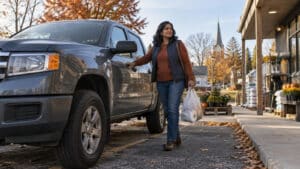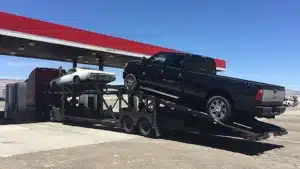
Pickup trucks are built for weekend trips. Tents, coolers, fishing gear, tools, and other supplies can all go in the truck bed, making it easy to leave the city behind and head for a lake, forest, or rural campground.
Once you arrive, though, the question is often not whether you can keep driving, but whether you really need to. The nearest store, fishing spot, or lakeside trail may only be a few miles away—too far to walk comfortably, but hardly worth starting the truck for.
Think About How the Bike Fits in Your Truck Bed
Truck bed space disappears faster than most people expect on a weekend trip. Once you load tents, chairs, storage bins, coolers, and fishing gear, adding a full-size bike can complicate the whole setup. If two people are traveling and bringing two bikes, space becomes even more important.
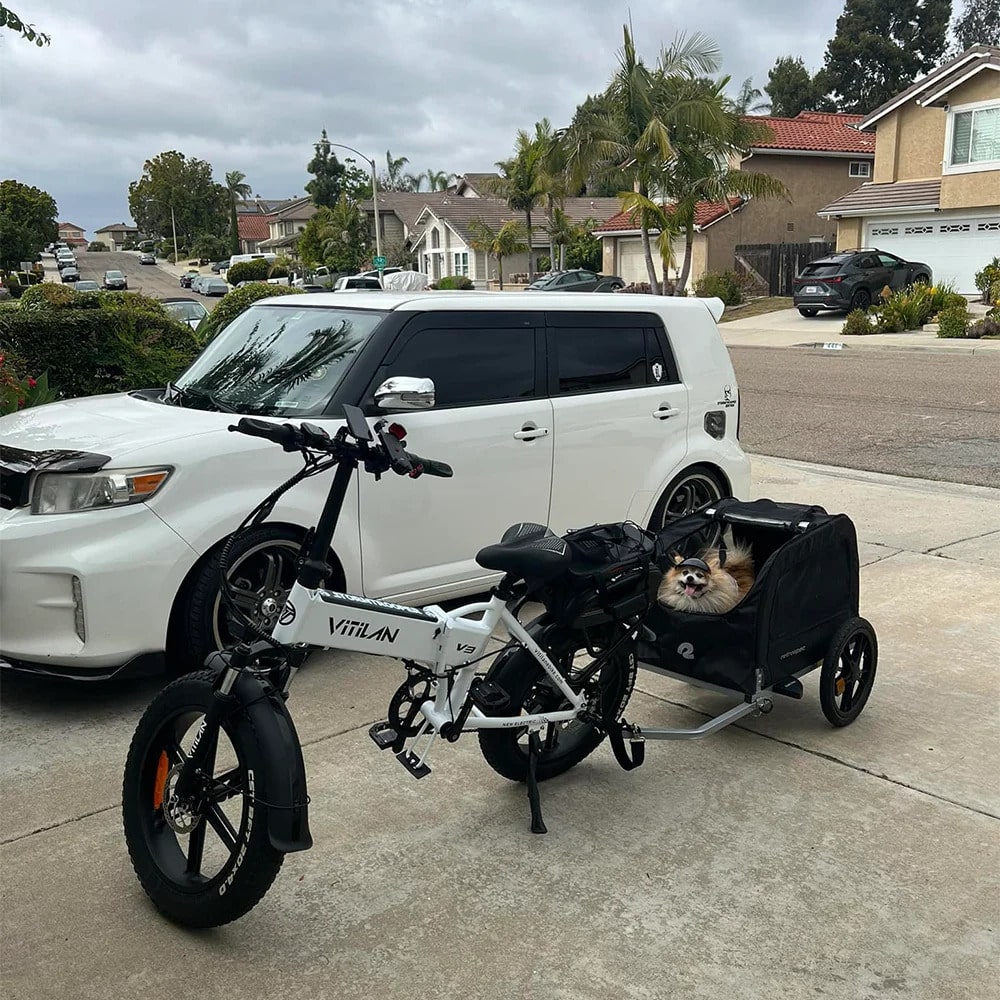
For anyone who regularly carries a lot of gear, an easy-to-store folding e-bike can make the packing process simpler. Once folded, the bike is often easier to arrange around coolers, toolboxes, and camping equipment, and it may also fit more easily inside an SUV or RV storage area.
Still, folding does not automatically mean lightweight. Batteries, motors, frames, and larger tires all add weight. The practical question is whether you can comfortably lift the bike back into the truck bed after a full day of riding. Bed height, loading ramps, and where you can safely grab the folded bike all matter more than they might seem on a spec sheet.
Campground Roads Are Often Rougher Than City Streets
Outdoor routes rarely stay on one type of surface. You may leave the parking area on pavement, hit gravel a few minutes later, then continue onto packed dirt or rough campground roads.
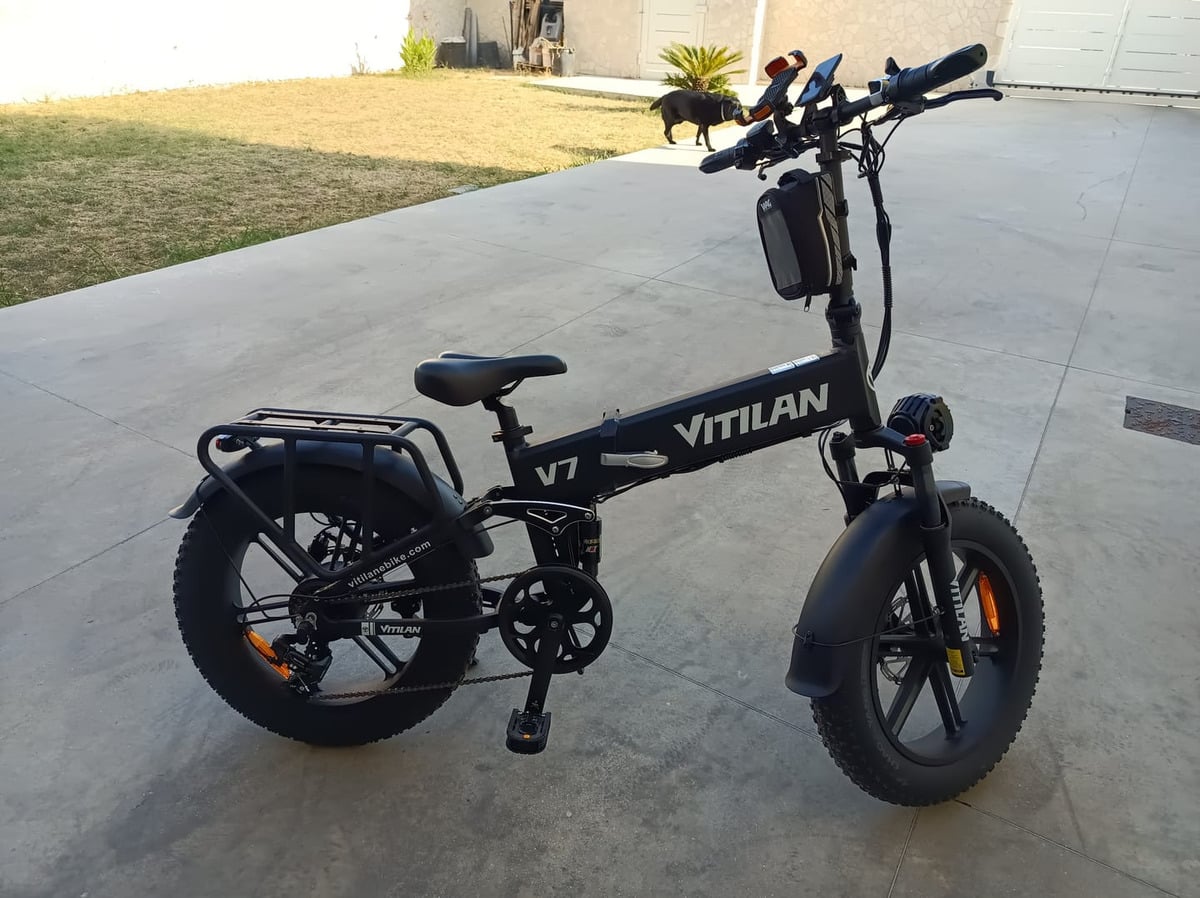
That is where tire choice starts to matter more. Narrower tires usually feel quicker and lighter on smooth pavement, while wider tires can feel more stable on gravel, loose dirt, and uneven surfaces.
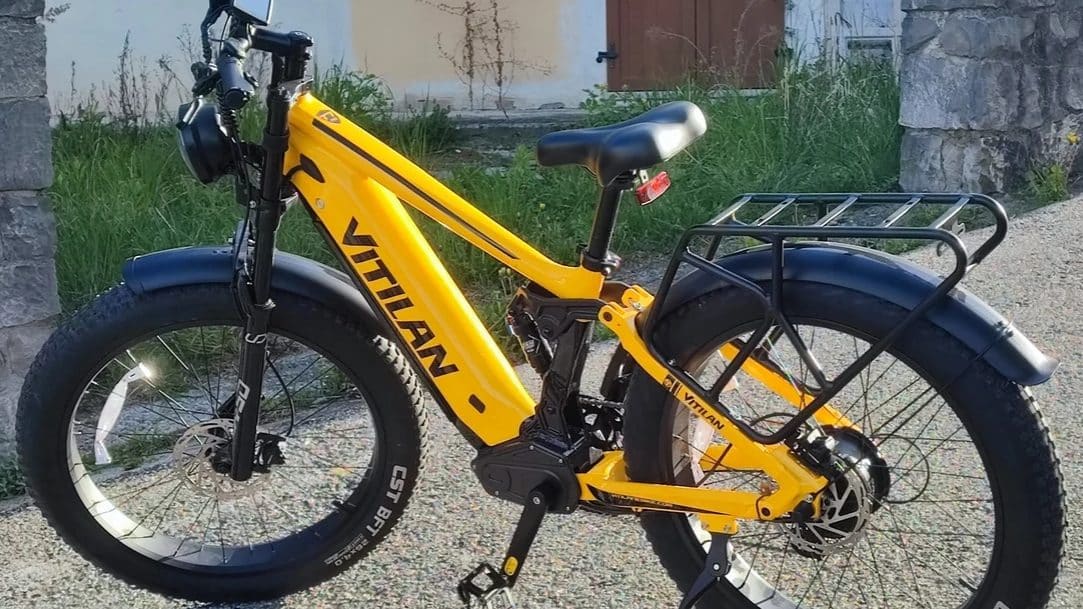
If your weekend rides regularly move between pavement, gravel roads, and campground trails, a fat tire e-bike built for mixed terrain may make more sense than a setup focused only on road efficiency.
That does not mean wider is always better. Fat tires usually add weight and rolling resistance. If most of your riding stays on paved roads or bike paths, there is little reason to choose an oversized setup just because it looks more rugged.
The better approach is to think about the roads you ride most often, not the most extreme trail you might encounter once or twice a year.
Range and Braking Matter More Than Headline Specs
Weekend rides have a habit of getting longer than planned. You may leave camp expecting a short loop, then decide to check out a lake, a scenic overlook, or a small town a few miles farther down the road.
That is why battery range should include some margin rather than being calculated around the shortest possible route.
Real-world range also changes with hills, rider weight, cargo, tire pressure, weather, and assist level. Rural roads can be much more demanding than flat city routes, especially if the return trip includes a long climb.
For outdoor use, I would also put braking performance near the top of the list. An e-bike is already heavier than a traditional bicycle. Add water, camera gear, or a small bag, and there is even more weight to manage on a descent.
Gravel, wet pavement, and sharp turns can appear quickly on backroads, so predictable braking often matters more than top speed.
Do Not Try to Get Everything in One Bike
A good weekend e-bike does not need every possible feature. It is usually better to decide which parts of your trip matter most.
- Limited truck bed space: prioritize folding and storage.
- Frequent gravel or rough roads: focus on tires, suspension, and braking.
- Longer daily rides: battery range and comfort matter more.
- Loading the bike by yourself: overall weight should be a major consideration.
- Mostly paved riding: there is little reason to choose an unnecessarily heavy setup.
Many features involve trade-offs. A larger battery usually adds weight. Wider tires can improve stability but also increase rolling resistance. More suspension can make rough roads more comfortable, but it may be unnecessary if most rides happen on pavement.
The right bike is not necessarily the one with the biggest numbers. It is the one that works best with your truck, your gear, and the kind of weekend trips you actually take.
The Trip Can Keep Going After the Truck Is Parked
A pickup can take you a long way, but some of the most interesting places are not right next to the parking spot.
Once the truck is parked, you may want to ride into town for supplies, reach a fishing spot, check out the far side of a lake, or simply follow a quiet backroad to see where it goes. An e-bike gives you something between walking and getting back behind the wheel.
That can be especially useful while camping. Once camp is set up, many people do not want to start moving vehicles around again just for a two- or three-mile trip. Riding is often simpler and better suited to the slower pace of a weekend outdoors.
Just remember that a dirt road or trail does not automatically mean e-bikes are allowed. Rules can vary by state, park, forest, and trail system, so check local regulations before heading out. On shared routes, slow down around hikers, children, horses, and other riders, and give everyone enough room.
The biggest advantage of an e-bike is not how fast it can go. It is that after the truck is parked, you still have an easy way to see what is farther down the road.
And on a good weekend trip, some of the best places are often found after the parking lot ends.
Frequently Asked Questions
Can a 110V or 120V outlet in a pickup truck charge an e-bike?
It depends on the outlet’s power output and the requirements of the e-bike charger. Check both the truck’s electrical specifications and the charger’s power requirements before plugging it in, especially for longer charging sessions.
Should I inspect an e-bike after transporting it on a long trip?
Yes. A quick check of the tires, brakes, wheel attachment points, and folding latches is a good idea. Highway vibration and rough roads can make small issues more noticeable.
Should I clean an e-bike after riding on dirt or gravel roads?
If the bike has been used on muddy, dusty, or gravel-heavy routes, a basic cleanup is worthwhile. Pay particular attention to the drivetrain, brakes, and moving parts so dirt and grit do not sit there longer than necessary.