All-terrain tires look ready for adventure. The real question is whether your driving gives them a job to do. If your truck regularly tackles rough tracks, loose surfaces or muddy access roads, A/Ts can make sense. If it spends nearly all its time on pavement, their extra capability may come with compromises you do not need. Here is how to decide.
Highway Tires vs. All-Terrains: More Than Looks
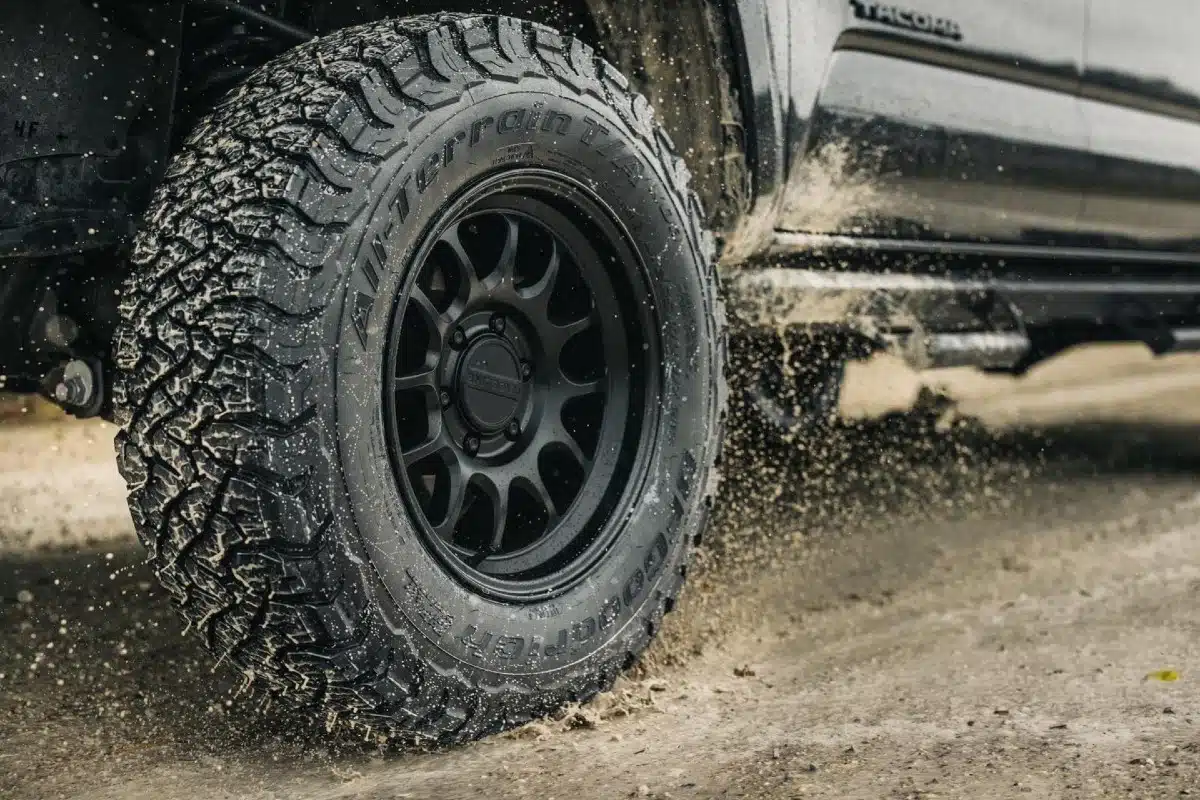
A chunky tread is the obvious difference, but an all-terrain tire is more than a highway tire with bigger blocks. Manufacturers balance tread design, rubber compound and internal construction for the surfaces and loads the tire is meant to handle. There is no universal chemical recipe that makes every A/T tougher or grippier than every highway tire.
Highway-oriented tires typically emphasize road comfort, noise, tread life and fuel efficiency. Their grooves and sipes also help manage water and traction. Performance still varies by model, so compare tires in the size and load rating your truck requires.
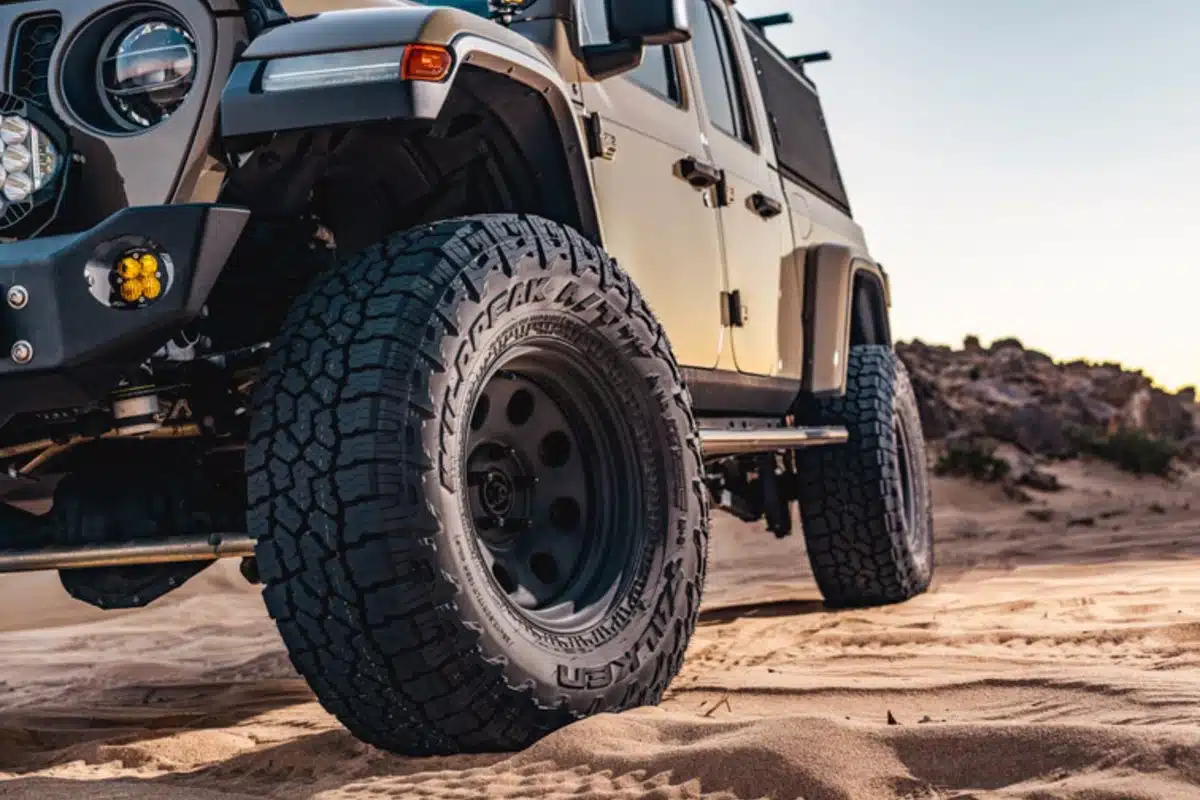
All-terrains generally use a more open tread pattern to gain traction on loose surfaces. Some add reinforced sidewalls and compounds designed to resist cuts and chipping. Construction varies by model and size; an A/T label does not guarantee three-ply sidewalls or puncture-proof protection. The best match depends on the terrain you actually drive.
The Trade-Offs: Noise, Handling and Fuel Economy
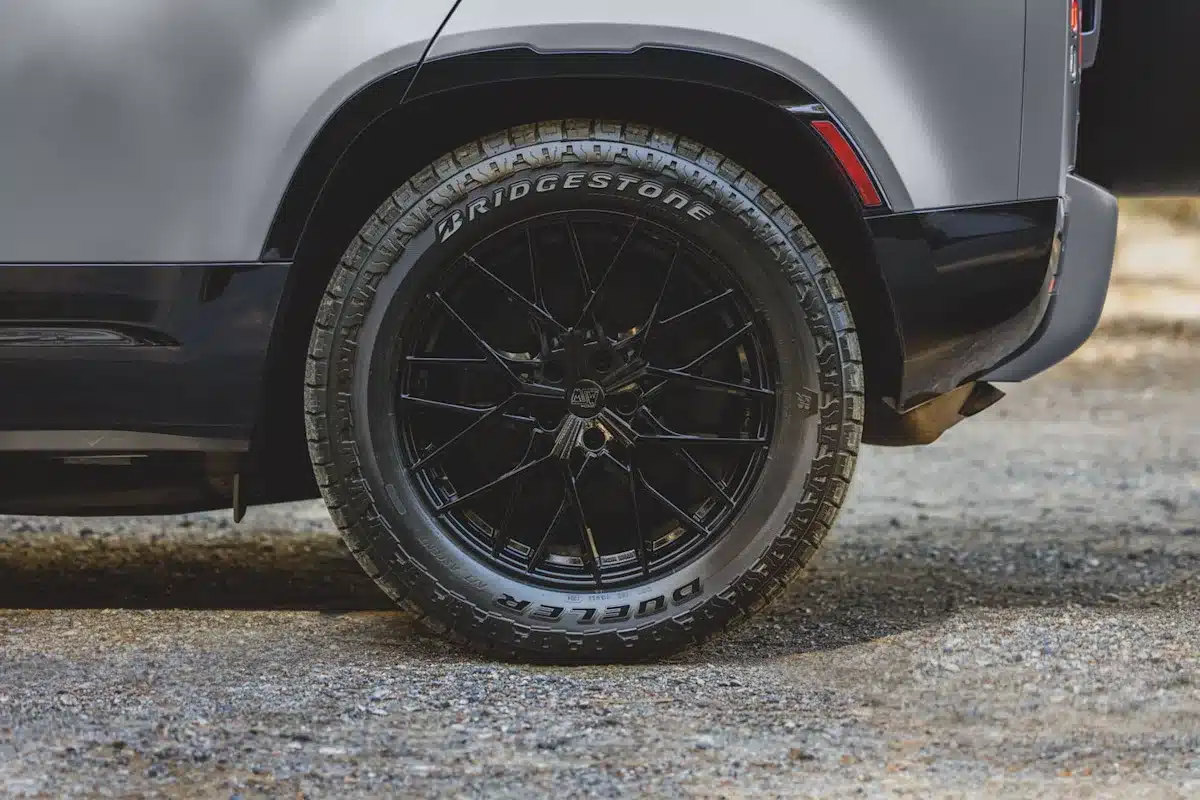
Off-road capability can bring on-road compromises. Larger, more widely spaced tread blocks may generate more noise or a different steering feel than a highway-oriented tire. Some modern A/Ts manage these trade-offs well, while others are noticeably louder. You cannot judge cabin noise from an aggressive sidewall alone.
Wet braking and handling also vary by model. Avoid assuming that every all-terrain tire is either unsafe on pavement or just as capable as a good highway tire in the rain. Look for comparative testing, and remember that tire condition, pressure, vehicle load and speed all affect performance.
Fuel economy can change with rolling resistance, tire weight and size. There is no single percentage loss that applies to every swap. For scale, a hypothetical 3% drop from 20 mpg would mean 19.4 mpg, not a loss of 1–2 mpg. Over 60,000 miles, that would use about 93 extra gallons, or roughly $370 at $4 per gallon. This is an illustration, not a forecast for a particular tire, and it does not establish that the tire will last 60,000 miles.
They’re Not All Built the Same
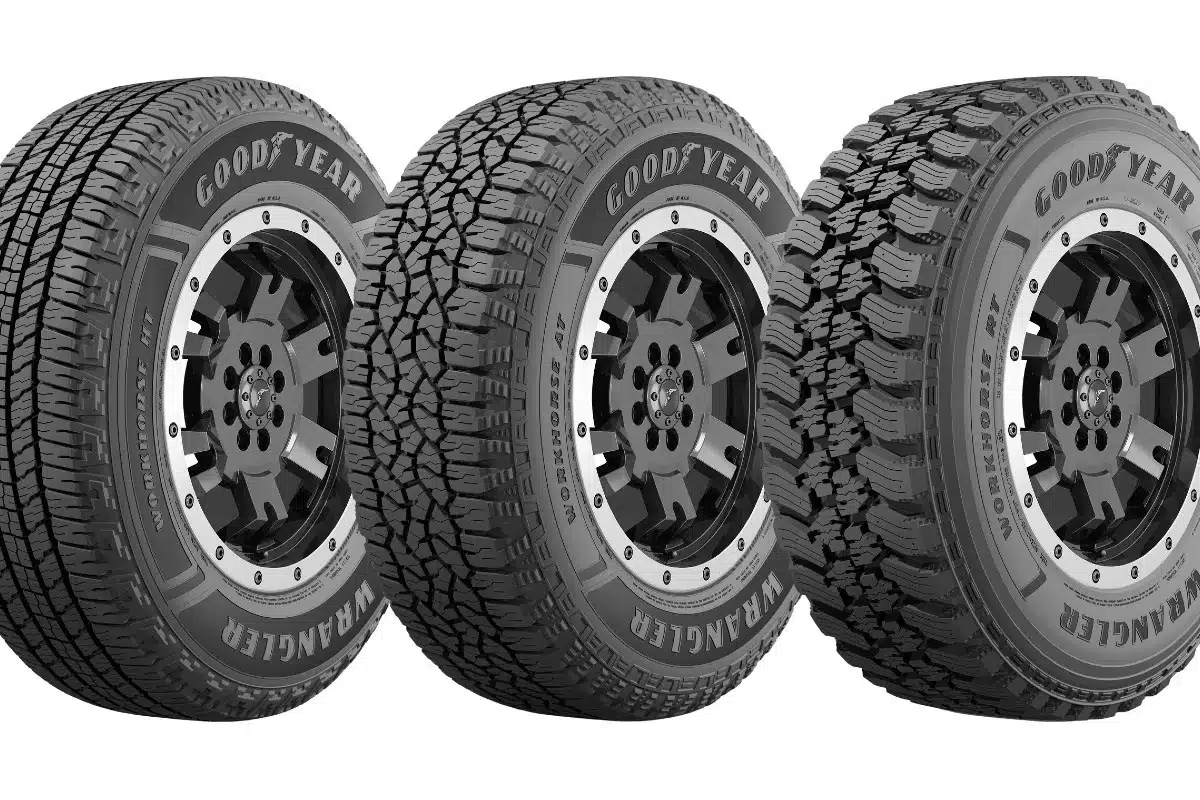
The A/T category covers a broad range, from road-oriented designs with occasional trail capability to more aggressive options for frequent off-road use. Compare the exact model and size. Brand names and product families alone do not tell you the tire’s construction, weight or performance.
Towing does not automatically call for an aggressive tread. Correct size, load capacity and inflation are essential, and the best choice still depends on the surfaces you use. Ask a qualified tire professional to confirm any change from the original tire specification, especially when changing between passenger and light-truck tire types.
A construction site with sharp rock and mud presents a different need from a paved commute to the same job. Buy for those conditions rather than someone else’s idea of what a work truck should wear. Include purchase price, expected wear, comfort and fuel use in the decision.
Who Needs A/Ts, and Who Doesn’t
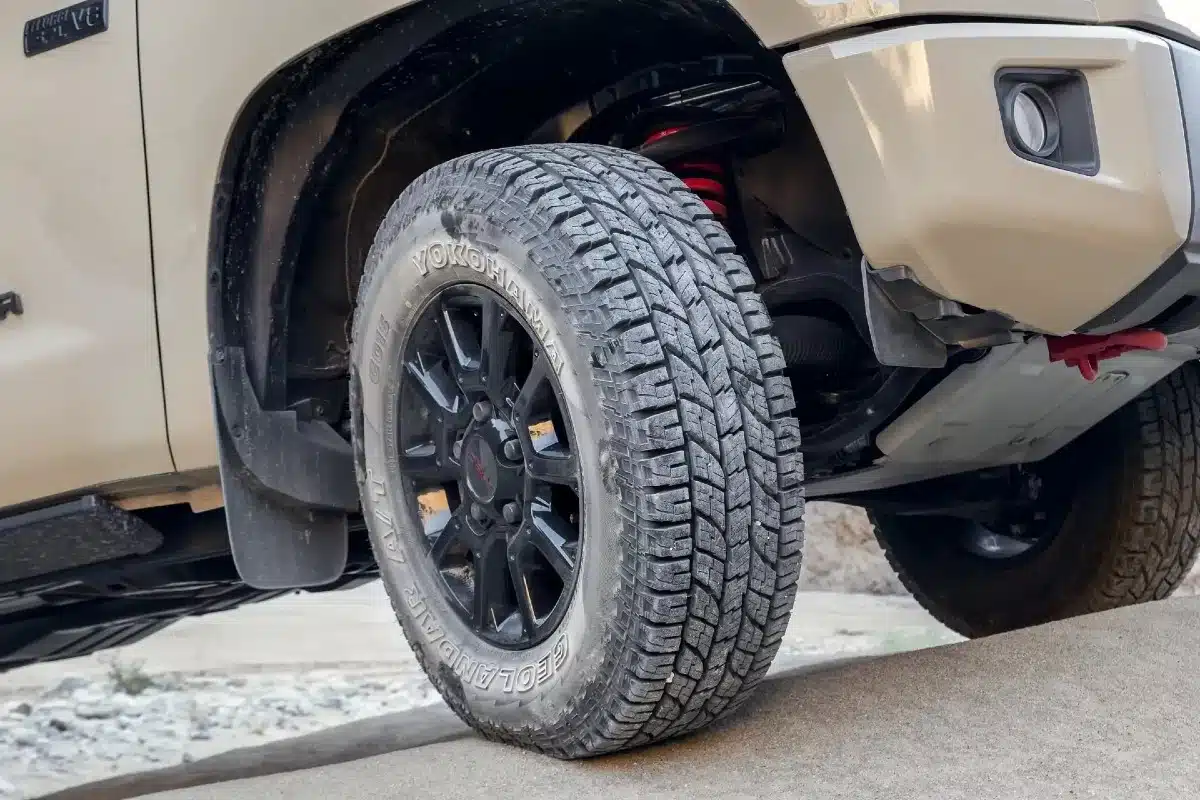
Regular travel on rough gravel, loose dirt or muddy access roads can justify all-terrains. An occasional trip down a maintained gravel road may not. Winter adds another consideration: the three-peak mountain snowflake (3PMSF) symbol means a tire meets a standardized snow-traction requirement. It is not a guarantee of ice grip or superior performance in every winter condition. Michelin’s winter-tire guide explains the distinction between snow and ice markings.
An A/T with the snowflake marking may suit mixed road and trail use, but dedicated winter tires can be a better choice for frequent ice and severe winter conditions. For deeper mud or demanding off-road routes, a more specialized tread may be useful, with further road-use compromises. Choose around the conditions you face most often and the hardest conditions you reasonably expect.
If pavement is where your truck earns its keep, start by comparing highway-oriented tires. If rough surfaces are a regular part of the job or the fun, put all-terrains on the shortlist. The right tire is the one that fits your vehicle and your driving, not simply the one with the toughest-looking tread.