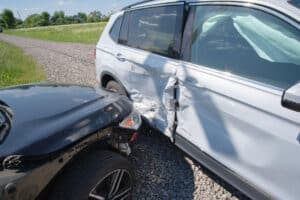
After a serious pickup truck crash, the damage visible from the side of the road may tell only part of the story.
Skid marks, broken body panels and deployed airbags are obvious pieces of evidence. What may be less obvious is how much information can still be found inside the truck, underneath it and in records associated with the vehicle.
That is especially true with modern pickups. They carry more electronics than ever, are frequently modified by their owners and are often used for towing, hauling and work. Each of those factors can create additional questions when investigators are trying to understand why a crash happened.
Danny Thomas, a truck accident attorney with Kansas City Accident Injury Attorneys, handles serious motor vehicle and trucking cases. When a pickup is involved in a major collision, he says the investigation can extend far beyond reviewing a police report and photographs from the scene.
“A damaged truck can tell you a tremendous amount about what happened before and during a crash,” Thomas said. “You want to understand the vehicle itself, how it was being used, what condition it was in and whether anything about the truck contributed to the collision.”
Here are seven things Thomas says can deserve a closer look.
1. The Data Stored Inside the Truck
Modern pickups can contain electronic information that may help reconstruct the moments surrounding a crash.
Depending on the vehicle and circumstances, investigators may be interested in data associated with speed, braking, throttle position, seat belt use or other vehicle systems. The exact information available varies by manufacturer, model, system and type of collision.
To an owner, the truck may simply look totaled. To an investigator, it can still be a source of electronic evidence.
“People tend to think of the truck as just a damaged piece of property after a major wreck,” Thomas said. “But the vehicle may still contain information that helps establish what was happening seconds before the impact. That can become extremely important when two sides have very different versions of how the crash occurred.”
Dash cameras can provide another source of information. So can aftermarket camera systems, fleet equipment and other connected devices.
The lesson for owners is that the value of a badly damaged pickup may extend beyond what an insurance company determines it is worth.
2. The Tires and Wheels
Tires are easy to overlook after a crash, particularly when there is major damage elsewhere on the vehicle.
Thomas says they can deserve careful examination.
Investigators may look at tire condition, tread, inflation, visible damage and whether the tires were appropriate for the truck and the way it was being used.
Pickup owners also commonly change tire sizes and wheels. Larger tires are one of the most popular modifications in the truck world, but a significantly different wheel-and-tire setup can potentially affect vehicle behavior.
A tire failure shortly before a collision can create an entirely different investigation from a tire that was damaged because of the collision.
“If a tire is blown apart after a crash, one of the first questions is whether it failed before the impact or because of the impact,” Thomas said. “Those are two completely different scenarios. You have to look at the physical evidence rather than make an assumption based on what the truck looks like afterward.”
Load ratings can also matter when a pickup was carrying heavy cargo or towing.
That makes the tires more than a maintenance item. In some crashes, they can become part of determining what caused the driver to lose control.
3. Aftermarket Modifications
Pickup enthusiasts modify their trucks more than owners of most passenger vehicles.
Lift kits, leveling kits, oversized tires, aftermarket suspension components, steel bumpers, winches, performance upgrades and other changes are extremely common.
None of those modifications automatically means a truck is unsafe or that its owner did anything wrong.
After a serious collision, however, an investigator may want to understand whether a modification changed the way the truck handled or performed.
“The fact that a truck was modified doesn’t establish that the modification caused anything,” Thomas said. “The important question is whether the change had some relationship to the crash. Did it affect steering, braking, suspension or stability? If it didn’t, it may not matter. If it did, then you need to understand how.”
Installation can become part of that inquiry as well.
If a component failed, investigators may want to determine who manufactured it, who installed it and whether it had been repaired or adjusted before the collision.
That can make the history of a modified pickup particularly important after a major wreck.
4. The Hitch, Trailer and Towing Setup
If a pickup was towing when the collision occurred, investigators suddenly have much more equipment to examine.
The hitch receiver, ball mount, hitch ball, safety chains, wiring, trailer brakes and trailer itself may all become relevant.
The way the trailer was loaded matters too.
Trailer sway, excessive tongue weight, insufficient tongue weight, overloaded components or a mechanical failure can potentially contribute to loss of control.
“When there is a trailer involved, I don’t want to look at the pickup in isolation,” Thomas said. “The truck and trailer were operating as one combination. You have to look at how they were connected, how the trailer was loaded and whether the equipment was appropriate for what the driver was asking it to do.”
Investigators may also compare the truck and towing equipment with their applicable ratings.
One important distinction is that a truck’s advertised maximum towing number is not necessarily the only limit that matters. Payload, axle limits, hitch ratings and the actual configuration of the pickup can all affect how much it can safely carry or tow.
For an enthusiast who regularly pulls a camper, boat or equipment trailer, that is worth understanding before a crash ever happens.
5. Recent Repairs and Maintenance
A repair invoice that seemed unimportant before a collision can become much more interesting afterward.
Investigators may want to know whether the pickup recently received brake work, suspension repairs, steering work, tire service or another repair involving a system that could have contributed to the crash.
The same is true when a driver reported an unresolved mechanical problem before the collision.
“If somebody says the steering suddenly failed or the brakes didn’t respond, I’m going to want to know the history of that vehicle,” Thomas said. “Was there a previous complaint? Was the truck recently repaired? Were parts replaced? Those records can help distinguish between a driver error, a mechanical failure and something that may have been done incorrectly during a repair.”
Service records can also help establish whether a problem existed before the collision.
In some cases, the investigation may expand beyond the driver to a repair facility, parts supplier or manufacturer if the evidence supports it.
That is one reason throwing away service records or receipts immediately after a crash may not be a good idea.
6. What Was Inside the Pickup
The contents of the truck can matter more than many owners realize.
Pickup beds are designed to carry things, and owners put practically everything imaginable in them. Tools, building materials, motorcycles, camping equipment, furniture and work gear are all common.
Investigators may be interested in how much cargo the truck was carrying, where it was located and whether it was secured.
An unsecured heavy object can move during a collision. Excessive cargo can also affect available payload, axle loading and vehicle handling.
The passengers matter as well because they add to the total weight being carried by the truck.
“You can’t always understand how a pickup was operating by looking at the empty truck after everything has been removed,” Thomas said. “If it was carrying several people, hundreds of pounds of tools and additional equipment in the bed, that may be part of the picture.”
Photographs taken before the collision can sometimes become useful here.
A photo from a campsite, jobsite or driveway may unintentionally show what was loaded in the pickup or attached to it shortly before the crash.
7. Whether the Truck Is Preserved
One of the most important pieces of evidence in a serious pickup crash can also be one of the easiest to lose.
The truck itself.
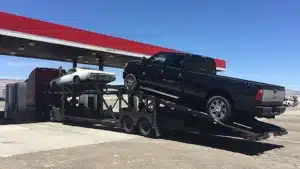
After an insurance company declares a vehicle a total loss, the normal process may eventually send it through salvage channels. Parts can be removed, vehicles can be moved and the condition of the truck can change.
That may not matter after a routine fender bender.
It can matter a great deal if there is a dispute involving a suspected component failure, tire failure, defective safety system or other issue that requires physical inspection.
“Once the vehicle is gone or altered, you may never be able to recreate some of that evidence,” Thomas said. “If there is a legitimate question about whether something on the truck failed, you want qualified people to have the opportunity to inspect it before the evidence disappears.”
Preservation can also apply to individual components.
A failed tire, broken hitch component or damaged suspension part that looks like scrap could potentially become significant evidence depending on the circumstances of the collision.
A Pickup Crash Can Be a Mechanical Investigation, Too
It is easy to think of crash investigations primarily in terms of drivers.
Was somebody speeding? Did another driver run a red light? Was someone distracted?
Those questions obviously matter, but a serious pickup crash can require a much broader investigation.
The truck itself may help explain what happened.
Electronic data can provide information about the moments surrounding the impact. Tires can reveal signs of failure or improper loading. Modifications can raise questions about changes to the vehicle. Towing equipment can reveal problems in the connection between a truck and trailer. Repair records can establish what was happening mechanically before the crash.
None of those things should automatically be treated as the cause.
Thomas says the point of examining them is exactly the opposite.
“You don’t start with the answer and try to make the evidence fit it,” Thomas said. “You preserve what you can, look at the truck, look at the records and follow the evidence. Sometimes it confirms what everyone thought happened. Sometimes you find something nobody noticed at the scene.”
For pickup owners, that offers an interesting look at their vehicles from a perspective most will hopefully never need.
A truck can be transportation, a tow vehicle, a work tool and a hobby all at once. After a serious collision, each of those roles can leave behind evidence about what happened.