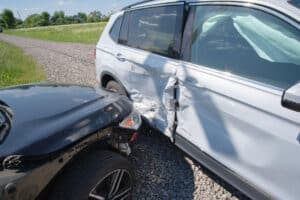
Cars aren’t the only thing rolling across the Copart and IAAI auction blocks every week — motorcycles show up just as often, and buyers chase them for the same reason: a fraction of retail price if the bike checks out. The catch is that a two-wheeler hides damage differently than a sedan does, and a listing photo rarely tells the whole story either way. That’s where a paper trail, not a gut feeling, decides whether a lot is worth chasing.
What Auction History Actually Tells a Buyer
A single listing shows one moment in a car’s life, but plenty of vehicles have already been through the auction system once or twice before landing on the page a buyer is looking at. Checking Auto auction history through a dedicated database shows whether the same VIN was listed months earlier, sometimes with a different damage description or a lower asking price the first time around. A car that keeps getting relisted usually has a reason, and that reason rarely shows up in the current photos alone.
Motorcycles Need Their Own Kind of Check
Bikes get overlooked in most vehicle-history discussions, which is odd given how often frame damage or flood exposure goes unmentioned in a two-line auction description. A motorcycle VIN lookup pulls the same kind of record a car buyer would expect — prior sales, title status, reported mileage — but built around the shorter VIN format and different damage categories that motorcycles actually use. Skipping this step on a bike is no safer than skipping it on a car; if anything, hidden frame damage is harder to spot in photos of a motorcycle than in photos of a sedan.
Signs Worth Watching For
Across both cars and motorcycles, a few patterns tend to matter more than the rest:
- A VIN that’s been listed at auction more than once in a short window
- Damage type descriptions that shift between listings for the same VIN
- Odometer readings that don’t line up across different sale records
- Title status changing from clean to salvage, or salvage to rebuilt, between listings
- Photos from an earlier listing that show damage the current one doesn’t mention
None of these automatically rule a vehicle out. They just tell a buyer which questions to ask before bidding.
Reading a Report Like an Importer, Not a Tourist
A history report is only as useful as the questions someone asks of it. Does the reported damage match what the current photos show? Does the mileage make sense given the model year? Is the title brand consistent with the story the listing tells? Answering those before the auction closes, rather than after the car or bike is already on a truck, is what keeps a purchase from turning into a lesson.
Building the Check Into Every Bid
Regular buyers rarely treat this as optional anymore, whether they’re chasing a pickup truck or a sportbike — the five minutes spent on a history and VIN check tends to be the cheapest insurance in the entire buying process. Skipping it to save time usually costs more time later, once the surprises show up in person.
Neither check replaces looking the vehicle over once it actually arrives, but both narrow the field long before any money changes hands. Buyers who treat history and VIN checks as a routine step, on cars and motorcycles alike, tend to spend less time arguing with sellers afterward and more time actually riding or driving what they paid for.