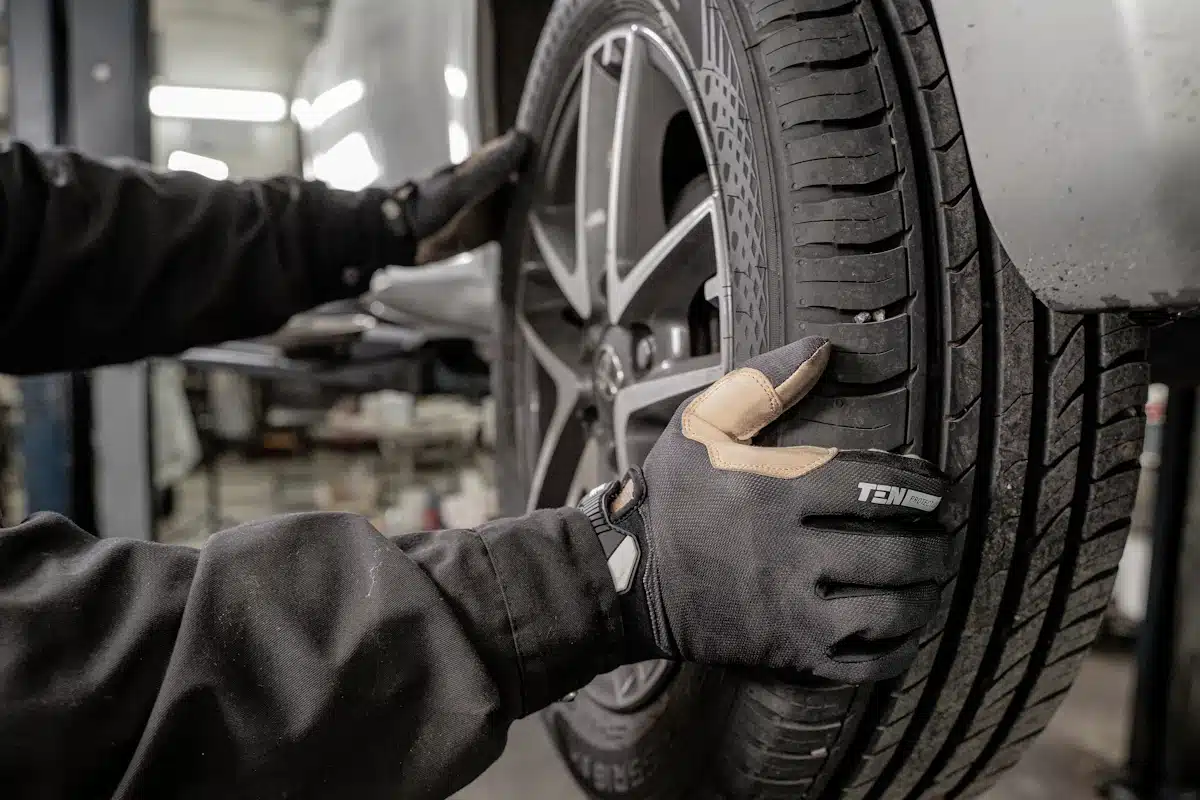
There is a maintenance bill hiding inside the wheels of millions of pickups and SUVs, and most owners will never see it listed in the service schedule. The tire pressure monitoring system, or TPMS, relies on small battery-powered sensors mounted inside the wheels. Those sealed batteries commonly last about seven to ten years. When one quits, you generally replace the complete sensor. When all four age out together, a dealer quote near $800 is entirely possible.
That is the surprise: the tires can hold air, show plenty of tread and still trigger a repair bill. On an older truck with five monitored wheels, the spare may add one more sensor to the calculation.
The Battery You Did Not Know Was in Your Wheel
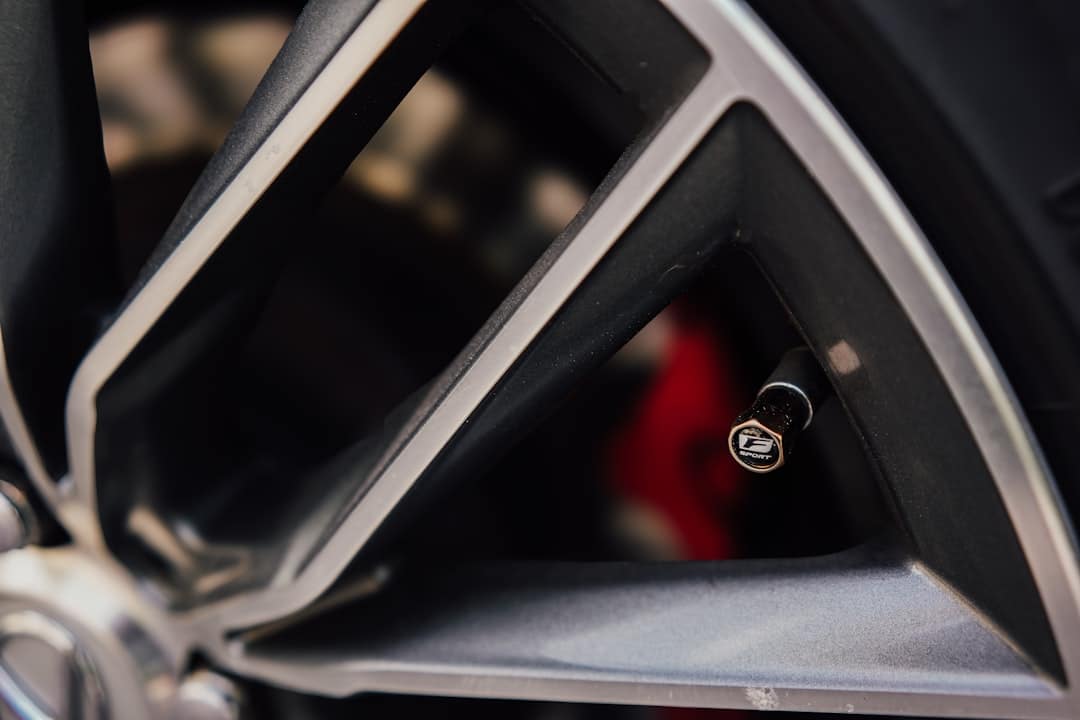
Most trucks use direct TPMS. A sensor attached to the valve stem measures pressure and transmits the reading to the vehicle. The sensor has to survive heat, cold, moisture, vibration, and thousands of wheel rotations while using the same tiny battery installed when the truck was built.
The battery is not designed to be opened and changed like the one in a key fob. In its original analysis of the federal TPMS rule, the National Highway Traffic Safety Administration described the batteries as enclosed packages with a finite life of seven to ten years. Snap-on’s current technical guidance gives the same range.
Some last longer and some fail sooner. Mileage, temperature and transmission frequency all affect battery life. Age is the useful warning, not a guaranteed expiration date.
A Flashing TPMS Light is Different From a Steady One
A steady tire-pressure warning usually means at least one tire is significantly underinflated. Stop, inspect the tires and check them against the cold-pressure specification on the driver’s-door placard.
A warning that flashes for roughly 60 to 90 seconds after startup and then stays illuminated points to a system malfunction, according to NHTSA’s tire-safety guidance. A dead sensor battery is one possible cause, but it is not the only one. A damaged sensor, an unsuccessful relearn or a communication fault can produce the same general complaint.
That distinction matters on a cold morning. Air pressure falls as temperature drops, so a steady light may simply be doing its job. Do not approve four sensors until a technician checks pressure and activates each sensor with the correct tool.
How a Tiny Sensor Becomes a $200+-per-Wheel Quote
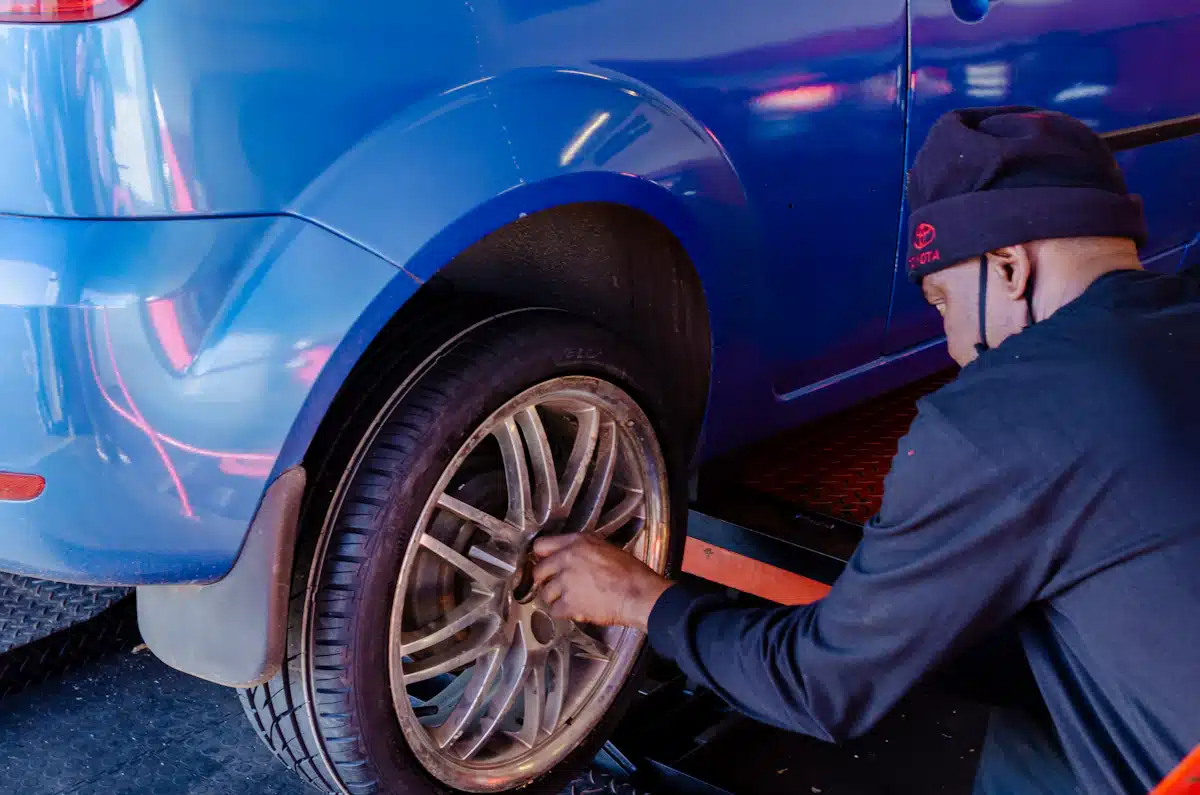
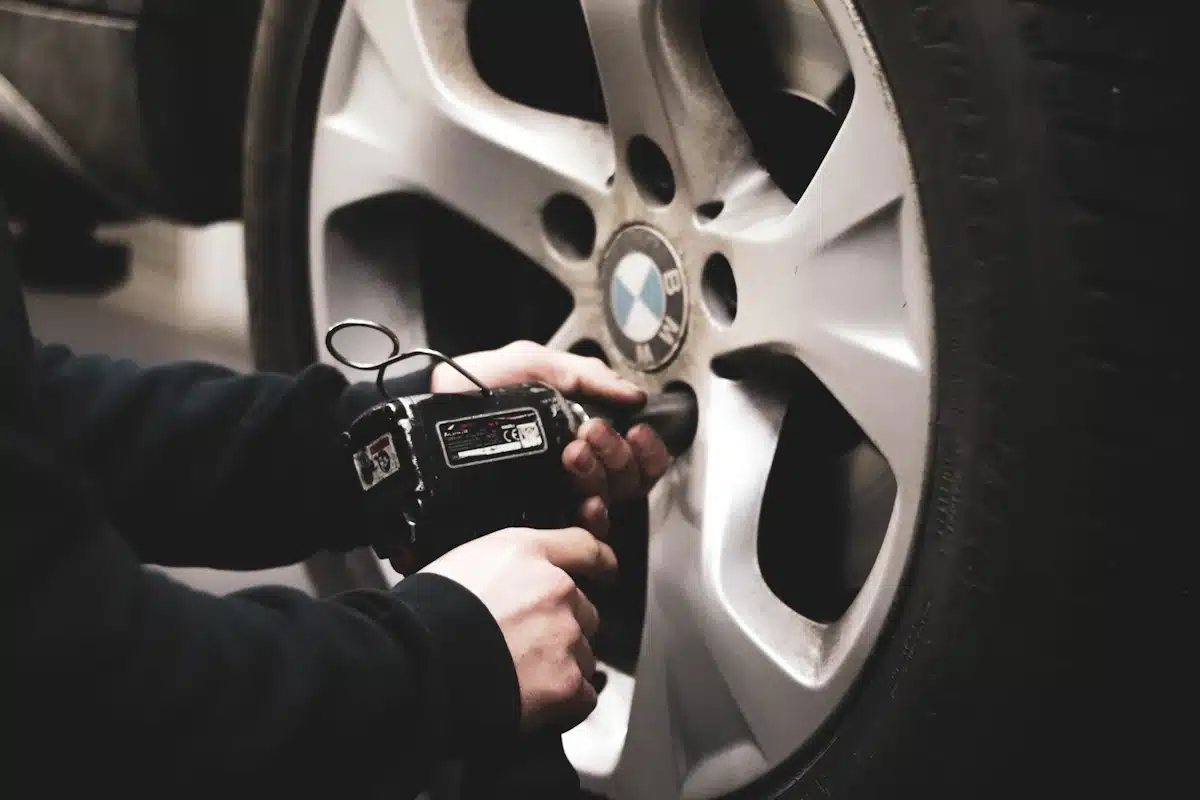
The part is only one line on the bill. The tire may need to be partially dismounted, the valve hardware replaced, the assembly rebalanced and the new sensor programmed. Some trucks learn new sensor IDs automatically. Others require a scan tool or a prescribed relearn sequence.
RepairPal’s national estimate puts a TPMS sensor replacement at $240 to $298, including estimated parts and labor, although location and vehicle change the result. Tire stores installing compatible aftermarket sensors—especially while fitting new tires—may quote much less. Dealers using original-equipment parts may be at or above $200 per wheel.
Ask for the sensor price, mount-and-balance labor, programming fee and diagnostic charge separately. Also ask whether the estimate changes if the work is bundled with the next tire purchase. As with the severe-duty maintenance schedule many truck owners overlook, the expensive part is often discovering the requirement only after arriving at the service counter.
Should You Replace One Sensor, or All Four?
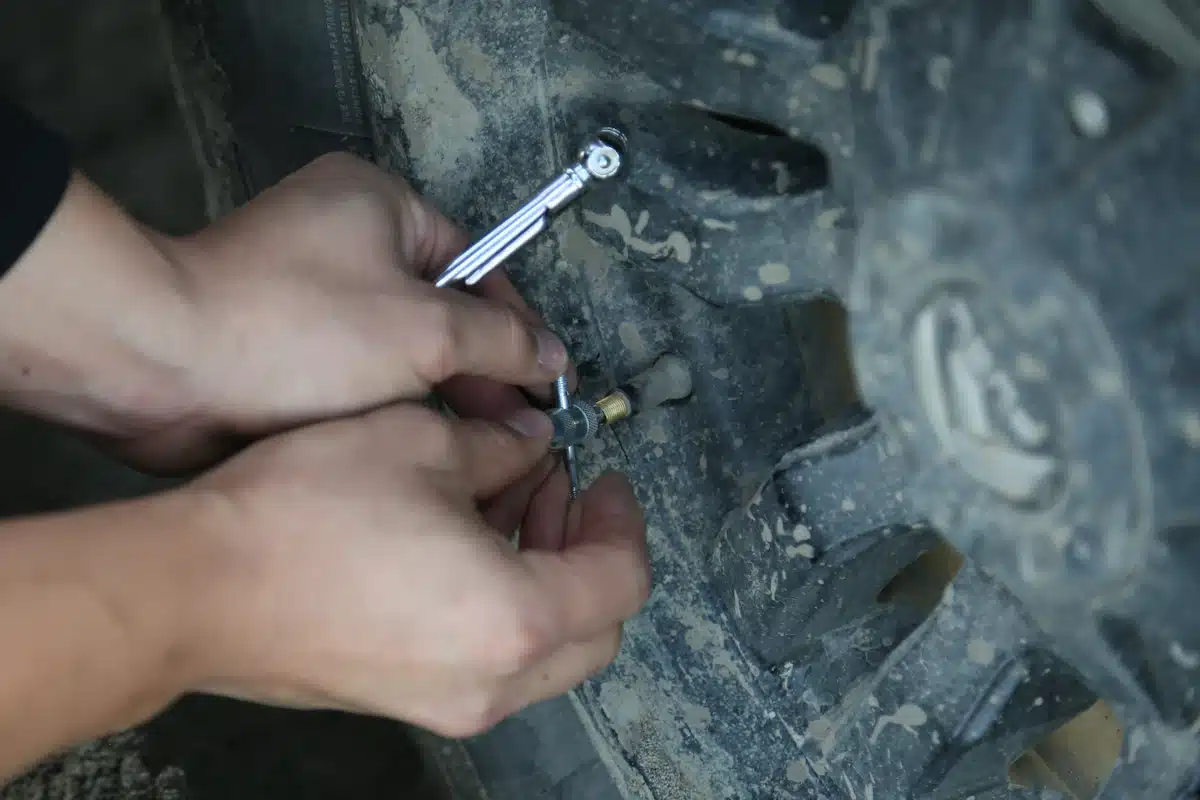
There is no automatic rule that one failed sensor condemns the other three. If a two-year-old sensor was damaged during tire service, replacing only that unit is sensible.
The decision changes when an original sensor dies from age on a nine- or ten-year-old truck. The remaining sensors have lived through the same years and temperatures. Replacing the set can avoid three separate returns and repeated wheel labor. Discount Tire lists typical battery life at six to ten years or 90,000 to 120,000 miles and notes that the other sensors may be close behind when one fails.
Do not confuse a TPMS service kit with a new sensor. The kit contains sealing and valve hardware used to prevent leaks and corrosion. It does not renew the sealed battery.
The Cheapest Move: Ask Before the Third Set of Tires
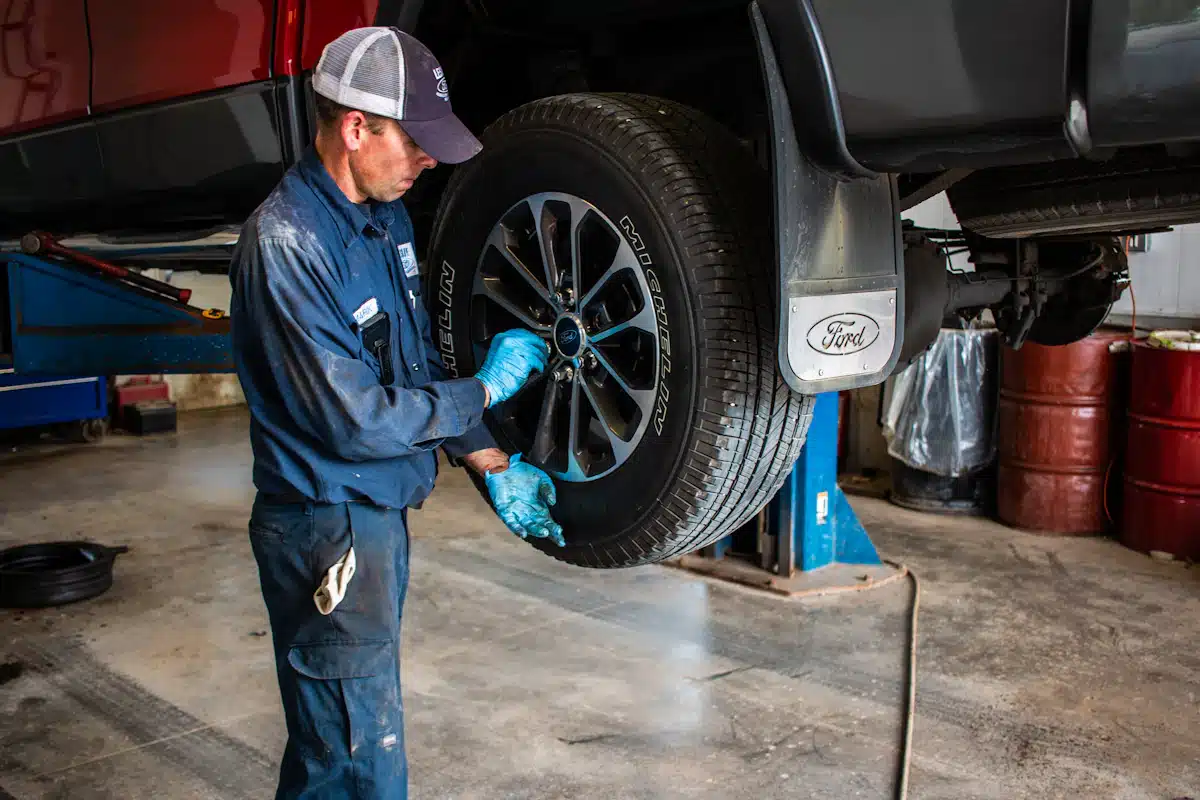
A truck approaching its tenth birthday is often approaching its third set of tires. That is the natural time to ask the shop to scan the sensors, price both original-equipment and reputable aftermarket options, and explain the relearn procedure.
Continue checking pressure monthly with a gauge even when TPMS works. Our pickup truck tire-care guide explains how pressure and regular inspection affect tire life. The system is a warning net, not a replacement for inspection, and a failed system cannot warn about the next genuinely low tire.
The sensors are not a scam and their batteries do not necessarily fail on schedule. The shock comes from a real wear item that owners were rarely told to budget for. Four pieces of hidden electronics can quietly age together and turn a routine tire visit into an $800 decision. Knowing that before the dashboard flashes is the whole advantage.