The right crane can help a construction team complete heavy lifts with accuracy, control, and proper coordination. However, choosing one involves more than comparing maximum load capacities. Project managers must consider the load, lifting radius, boom reach, jobsite access, ground conditions, and rental terms.
Accurate project details help the rental provider recommend a crane suited to the planned lift. Early preparation also gives both parties time to coordinate transportation, operator support, rigging needs, and setup requirements. The following sections explain how to select a suitable crane and prepare for an efficient rental process.
Define the Crane Lift Requirements
One of the most useful tips for crane rentals is to document the complete lift before requesting a quote. Record the load’s exact weight, dimensions, lifting points, starting position, and final placement height. These details allow the provider to identify a crane with suitable capacity and boom reach.
Measure the Working Radius
A crane’s lifting capacity changes according to the distance between its setup point and the load. A crane may lift a heavier object near its base but support less weight when the boom extends farther. Therefore, project managers should provide accurate horizontal distance and height measurements rather than rough estimates.
Select a Crane That Fits the Jobsite
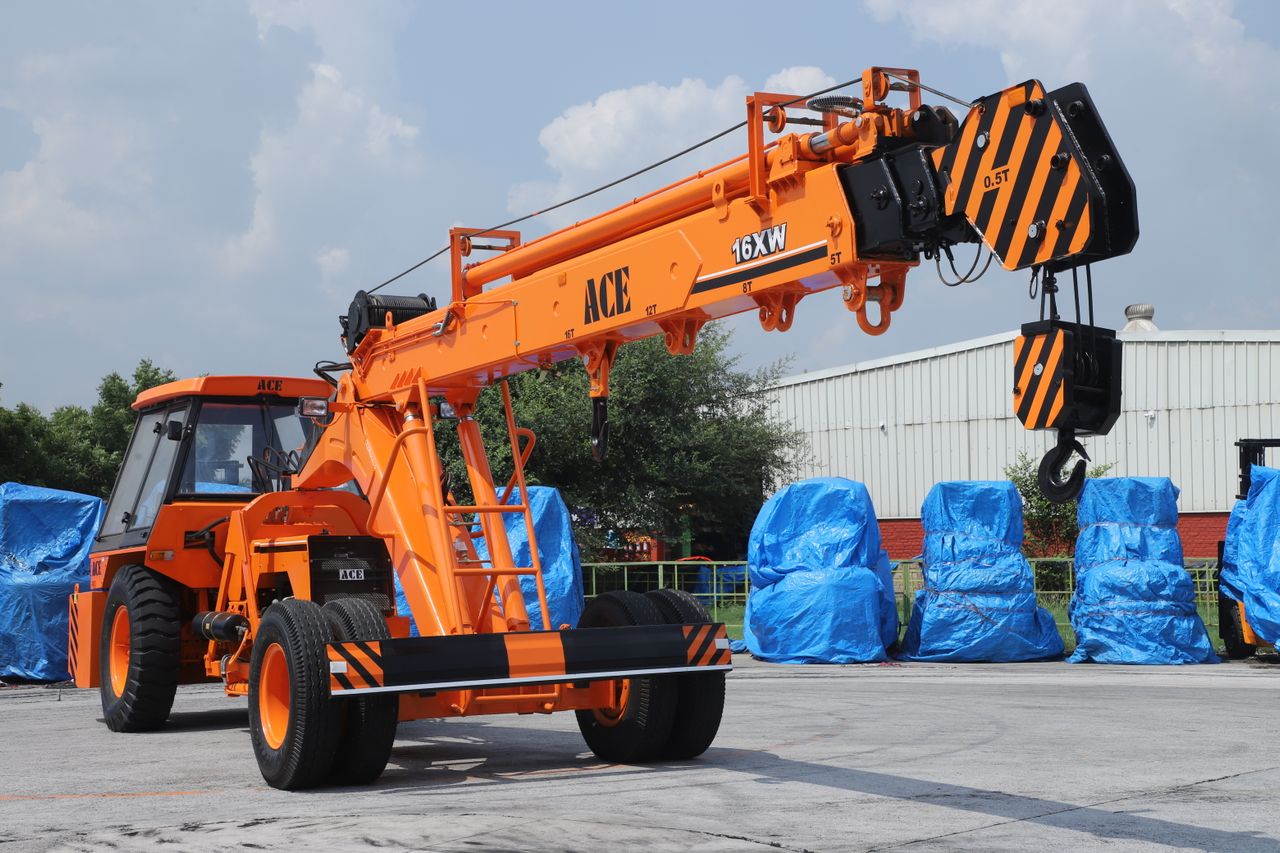
Different types of cranes serve different project conditions. Truck cranes provide road mobility and can support a wide range of construction lifts. Rough-terrain cranes work well on uneven surfaces, while all-terrain cranes combine highway travel with improved access across challenging jobsites.
Check Crane Access and Setup Space
A powerful crane cannot support the project properly when it lacks enough space to enter, turn, or set up. Measure gate widths, access roads, overhead clearance, turning areas, and the available operating zone. These measurements help the rental team recommend a crane that can reach the work area without unnecessary repositioning.
Share Complete Jobsite Information
Ground and access conditions can affect crane selection, delivery planning, and setup. Provide current photographs, site drawings, surface details, nearby structures, and utility locations to the rental provider. Clear information helps the crew prepare the correct configuration before arrival.
Confirm the following details before the scheduled lift:
- Entrance width and overhead clearance
- Distance between the crane and load
- Space for outriggers and support vehicles
- Surface type beneath the setup area
- Nearby buildings, utilities, or fixed obstacles
Confirm Crane Rental Responsibilities
Crane rental agreements may divide responsibilities differently between the provider and customer. An operated and maintained rental may include a qualified operator, fuel, inspections, maintenance, and mechanical support. A bare crane rental usually requires the customer to arrange qualified personnel, insurance, fuel, and routine care.
Another valuable point among tips for crane rentals is to document every responsibility. Confirm who will provide the operator, rigging crew, signalperson, lift plan, transportation, maintenance, and on-site coordination. Written terms help each party prepare the correct resources before the crane reaches the site.
Review the Crane Rental Agreement
Read the complete agreement before confirming the reservation. Check the crane model, rental period, hourly or daily rates, transportation charges, payment schedule, insurance requirements, return terms, and extension costs. This review gives project managers a clearer picture of the full rental scope.
Reserve early enough to secure the required model and lift date. Advance scheduling also provides time to prepare the site, arrange personnel, and coordinate the crane lift with other construction activities.
A suitable crane should match the load, reach, ground conditions, and available working space. Careful measurements and clear communication help the provider recommend an appropriate crane without making the article or rental process unnecessarily complex. A well-planned rental supports smoother coordination from delivery and setup through the final lift.