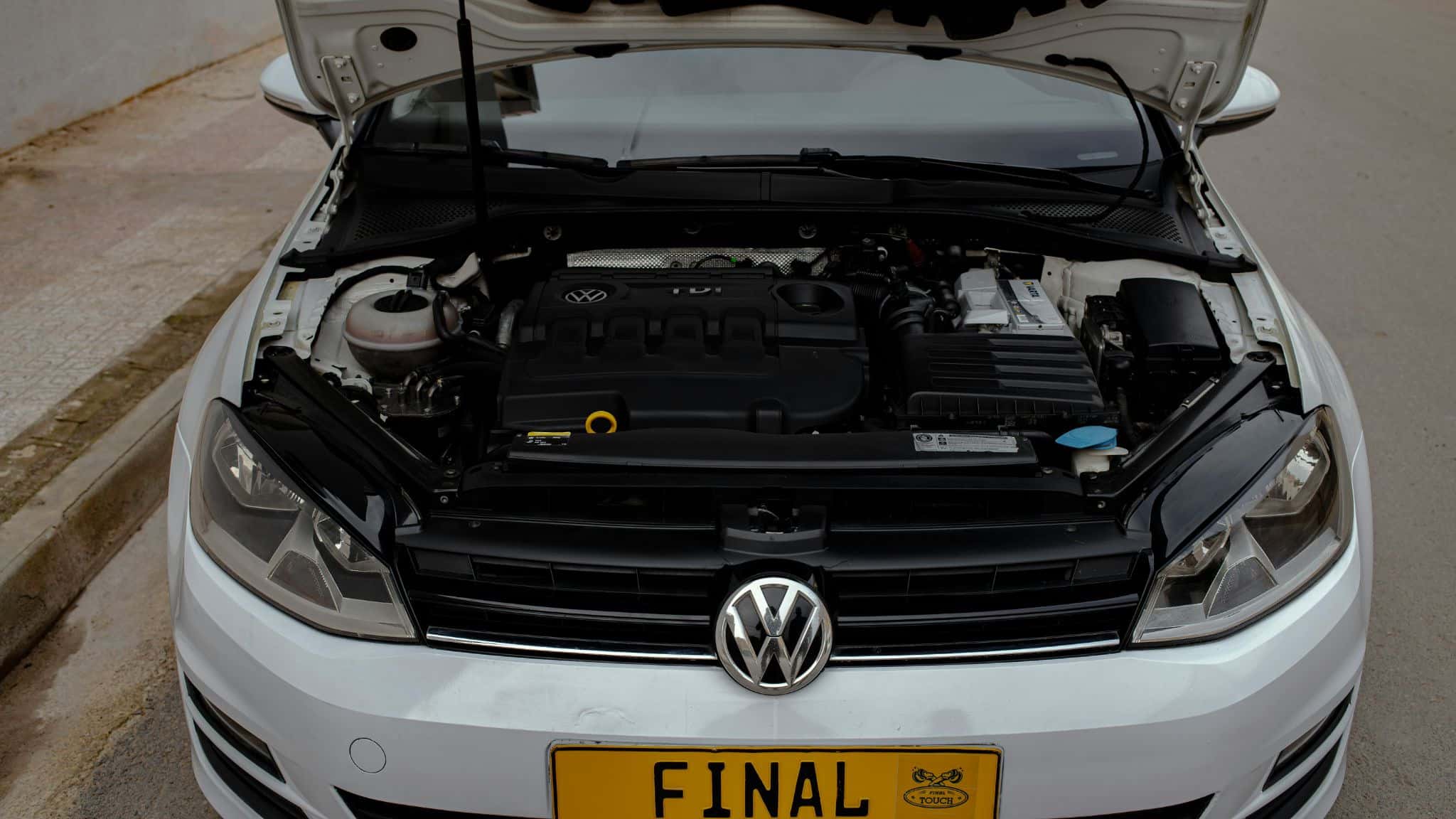
The instinct for many people is to assume the car is finished. In reality, a well-chosen replacement engine can add years of reliable service to a vehicle that still has plenty of life left in its body, transmission, and interior. The challenge is knowing how to approach the search methodically, rather than panicking and accepting the first quote that comes along.
Mechanics who handle these calls regularly say the pattern is familiar. A driver shows up rattled, assumes the worst, and is prepared to sign off on whatever the shop recommends just to make the problem go away. Those who take a breath, ask questions, and compare their options before committing tend to end up with both a lower bill and a car that runs just as well.
Step One: Confirm the Engine Is Really the Problem
Before shopping for anything, it is worth getting a second opinion. Symptoms like knocking noises, blue or white exhaust smoke, overheating, or a sudden loss of power can point to a failing engine, but they can also stem from smaller, cheaper issues such as a faulty sensor or a blown head gasket.
A qualified mechanic can run a compression test or a diagnostic scan to confirm whether the engine itself is damaged beyond reasonable repair. Skipping this step is one of the most common and costly mistakes drivers make, according to Consumer Reports, which has noted that with used car prices remaining elevated, many owners are better served fixing a car they already know than gambling on a replacement vehicle.
Once a mechanic confirms the engine needs to be replaced rather than repaired, the next question becomes whether replacement even makes financial sense. A commonly cited rule of thumb, highlighted in a CNBC report on car repair decisions, suggests that if a repair costs more than roughly half the car’s current market value, it may be time to consider other options. For many families, though, an engine swap still lands comfortably below that threshold, especially when the rest of the vehicle is in solid shape. A rough labor and parts estimate from a tool like RepairPal’s cost estimator can help put that threshold into perspective before committing to a shop.
Step Two: Choose the Right Engine and Source It Carefully
Once replacement is the plan, the next decision is what kind of engine to buy. There are generally four routes: a brand new engine from the manufacturer, a remanufactured engine rebuilt to factory specifications, a rebuilt engine assembled from refurbished parts, or a used engine pulled from another vehicle.
New engines carry the highest price tag by far and are usually reserved for specialty or performance builds rather than everyday family cars. Remanufactured and rebuilt engines sit in the middle, offering some peace of mind through standardized testing, but often at a premium that can rival the value of an older vehicle.
For many owners, a used engine strikes the most practical balance between cost and reliability, particularly when it comes from a low mileage donor vehicle. Mechanics often point out that an engine pulled from a car that was totaled in an accident, rather than one that failed mechanically, can have plenty of usable life left, sometimes tens of thousands of miles worth.
This is where the search itself matters. Drivers can check local salvage yards, ask a trusted mechanic for recommendations, or shop for a used car engine online through marketplaces that specialize in connecting buyers with verified sellers and detailed part histories. Each route has its trade-offs. A local salvage yard allows a buyer to inspect a unit in person, but the selection is limited to whatever happens to be on the lot. A dealership parts counter offers certainty but at a price point that can rival a rebuilt engine. Platforms built specifically around used auto parts, rather than general classifieds, tend to split the difference, offering clearer mileage records, compatibility filters by make and model, and sometimes limited warranties that a private seller simply cannot match.
Not every engine that physically fits under the hood is the correct match, though. The vehicle identification number, or VIN, is the most reliable way to confirm compatibility, since it encodes the exact engine variant, displacement, and production year of the original vehicle. Buyers should compare the VIN or engine code of the donor unit against their own vehicle’s specifications rather than relying on model year alone, since manufacturers frequently used multiple engine variants across the same model line.
Mileage and documented history matter almost as much as the fit. A used engine with a verified maintenance record and a clear reason for removal, such as a collision rather than a mechanical failure, tends to be a safer bet than one with vague or missing paperwork. Reputable sellers should be able to provide photos, mileage readings, and sometimes even a short runtime test video before a buyer commits.
The price of the engine itself is only part of the total cost. Labor for an engine swap can take anywhere from a full day to the better part of a week depending on the vehicle, and shops typically charge by the hour for that time. It is worth requesting a full quote that separates the cost of the part from the labor, along with any additional components the mechanic recommends replacing during the swap, such as gaskets, belts, or engine mounts.
Warranty terms deserve equally close attention. A used engine that comes with even a 30 or 90 day warranty offers meaningful protection compared with one sold strictly as is, and it is reasonable for buyers to ask sellers directly what that coverage does and does not include before paying. A short list of questions, covering mileage, the reason the engine was removed, whether it was tested before sale, and what happens if it fails shortly after installation, can save a buyer from an unpleasant surprise weeks later.
An engine failure feels like an emergency, but treating the replacement search as a rushed decision tends to backfire. Confirming the diagnosis, comparing engine types, verifying compatibility by VIN, and getting a clear breakdown of labor costs all take a bit of time, but each step reduces the odds of an expensive surprise later.
For families and individual owners alike, the payoff of that patience is a car that can return to reliable, everyday use without the far larger expense of a full vehicle replacement. In an environment where both new and used car prices remain elevated, a well-sourced replacement engine, chosen carefully rather than in a panic, often turns out to be the more sensible path forward.