
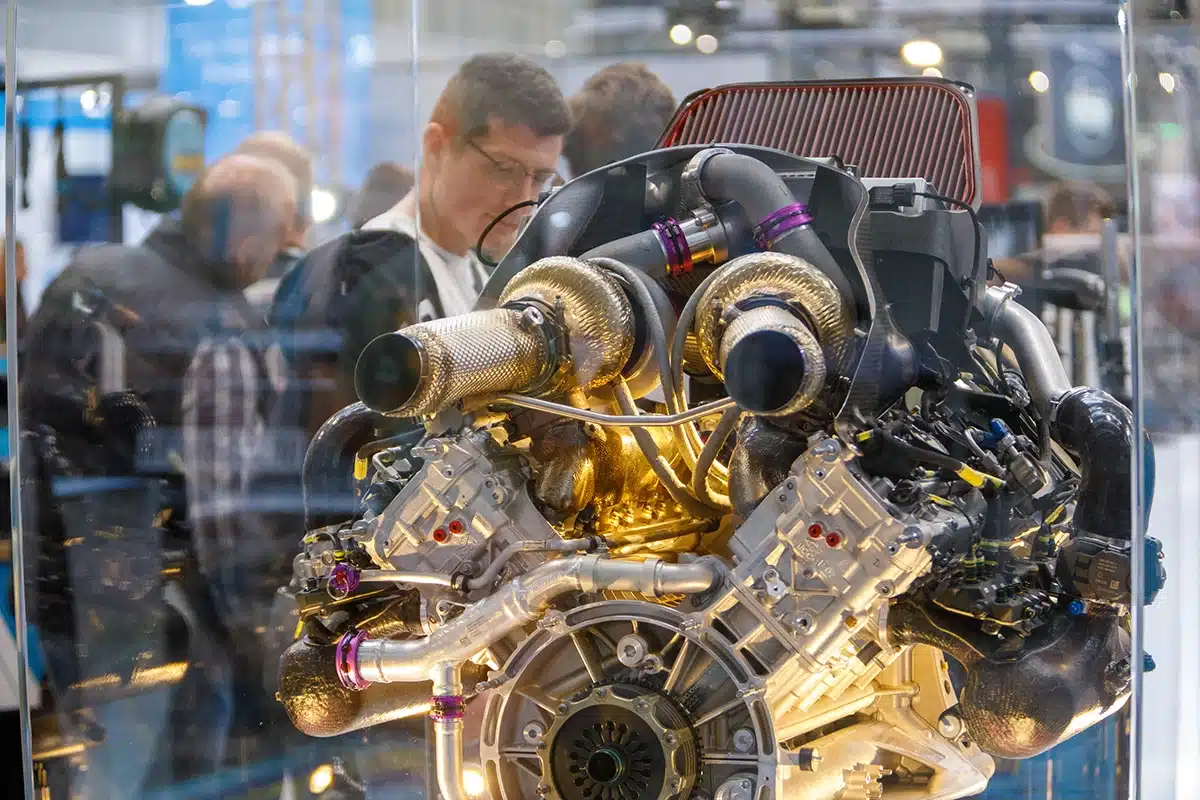
In September, I’m heading to Automechanika Frankfurt 2026 in Germany to investigate how software, artificial intelligence and connected technology will change the way trucks are maintained and repaired.
This will be my first time attending Automechanika Frankfurt, one of the largest automotive aftermarket trade shows in the world. The event runs Sept. 8-12, 2026, and is expected to bring together more than 4,400 exhibitors from over 80 countries.
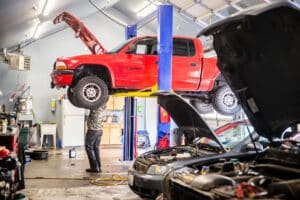
I’m not flying to Germany simply to wander through exhibit halls and look at new products. I want to understand what happens when increasingly complicated, software-controlled trucks begin showing up at independent repair shops after their warranties expire.
That will be one of my primary assignments in Frankfurt, but it will not be my only one. With nearly every corner of the global automotive aftermarket represented, I expect to return with new questions, unexpected discoveries and stories I have not even considered yet.
Trucks are becoming software-defined vehicles

We hear automakers talk frequently about the “software-defined vehicle.” In practical terms, that means software increasingly controls how a vehicle operates, how its features are updated and sometimes how it is repaired.
That technology can provide real benefits. Over-the-air updates can correct problems without a dealership visit. Connected systems can identify mechanical issues before a breakdown. Artificial intelligence could eventually help technicians diagnose complicated problems more quickly.
But these technologies also raise some important questions for truck owners.
What happens when a replacement part must be electronically paired with the truck? Will independent repair shops have access to the necessary software? Who controls the diagnostic and operating data generated by the vehicle? Can an owner authorize a third-party shop, like our recent coverage of EZ Lynk and the U.S. DOJ revealed, to access everything it needs?
Most importantly, what happens when today’s connected truck is 10 or 15 years old?
Those are some of the questions I’m taking with me to Germany and Automechanika Frankfurt 2026.
HighTech4Mobility takes on the difficult questions

A new program called HighTech4Mobility will be one of my primary areas of focus at Automechanika Frankfurt.
Located in the Festhalle, HighTech4Mobility will bring together automakers, suppliers, software companies, startups, repair professionals and other industry experts to discuss the technologies changing modern vehicles.
Its scheduled topics include:
- Software-defined vehicles
- Advanced driver assistance systems
- Autonomous driving
- Cybersecurity
- Vehicle data
- Artificial intelligence
- Over-the-air updates
- Energy management
- Digital services
- In-vehicle entertainment
The program will also examine the EU Data Act and what access owners and independent businesses should have to data generated by connected vehicles.
That is particularly interesting to me because access to data is not necessarily the same as having the authority or technical ability to complete a repair. A shop might be able to read diagnostic information but remain unable to program a replacement module, install an update or pair a new component with the vehicle.
I want to find out where that line is currently drawn and how it could affect truck owners in the United States.
Can AI actually make truck repairs better?
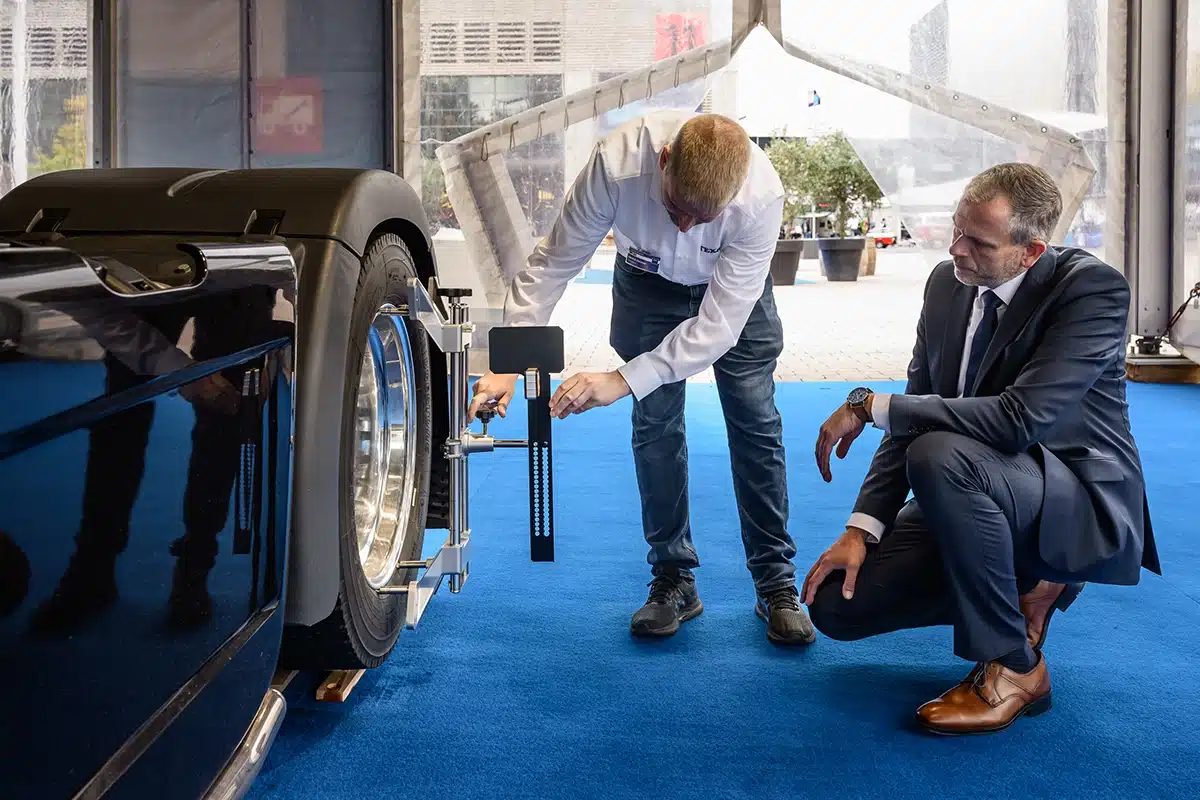
Artificial intelligence will be another major topic at the Automechanika Frankfurt 2026 show.
Automechanika plans to present findings from an IBM Institute for Business Value study called “AI in Motion: Reinventing Automotive Aftersales.” Google Cloud and Boston Consulting Group will also discuss how AI could create value in the automotive aftermarket.
I’m less interested in the corporate buzzwords than I am in what this technology could mean inside an actual repair shop.
Could AI help a technician distinguish between several problems producing the same diagnostic code? Could it use vehicle data to identify a failing component before it leaves someone stranded? Could it reduce the time and money spent replacing parts that were never defective?
Or will AI become another proprietary system controlled by automakers, software providers and subscription services?
Trucks are already difficult enough to diagnose. Adding more computers should not automatically mean adding more incorrect repairs, higher costs and additional trips to the dealership.
What I Want to Learn at Automechanika Frankfurt 2026
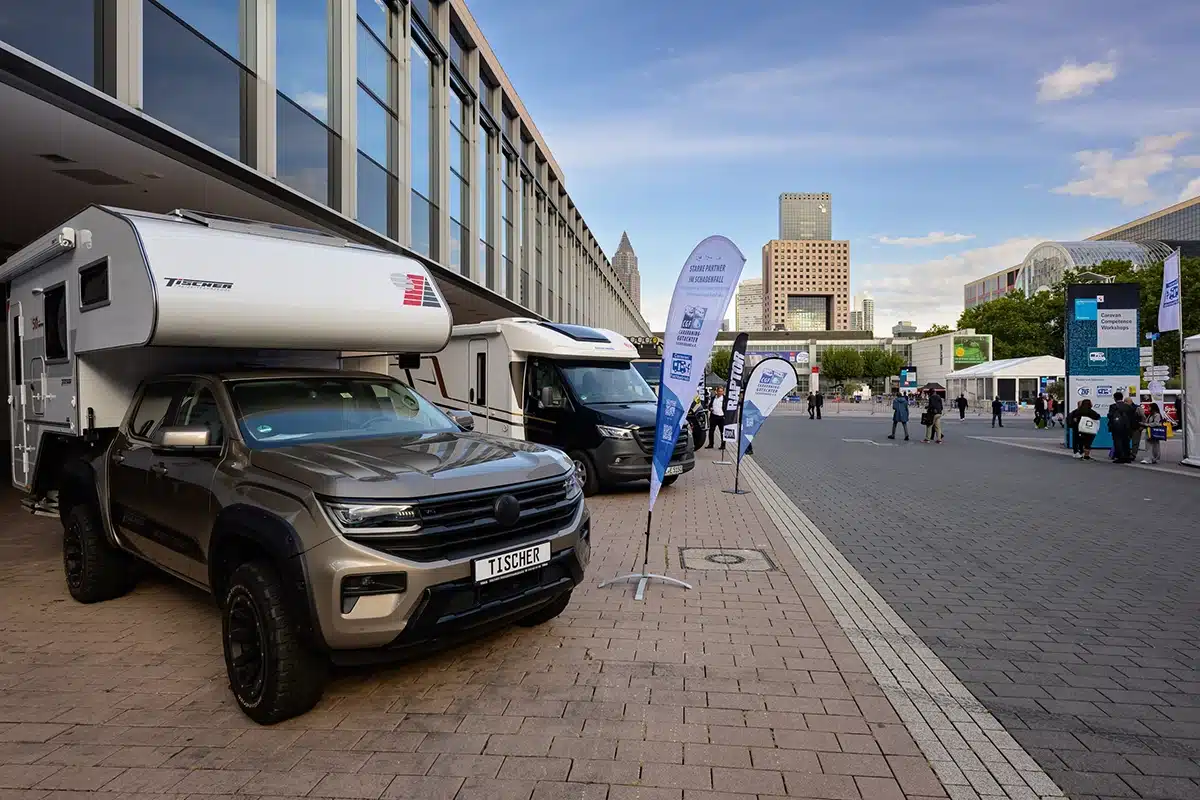
My reporting at Automechanika will focus on several questions that directly affect truck owners:
- Will independent shops be able to fully diagnose and repair software-defined trucks?
- Who controls the information generated by a connected truck?
- Can replacement modules and components be installed without automaker approval?
- Will artificial intelligence reduce repair costs or add another subscription expense?
- How will shops maintain advanced safety and driver-assistance systems as trucks age?
- What happens when an automaker stops supporting an older vehicle’s software?
- Are aftermarket companies prepared for the next generation of electric and connected trucks?
- What can the American aftermarket learn from Europe?
These issues may sound futuristic, but many are already affecting technicians and owners.
Secure diagnostic gateways, manufacturer subscriptions, digitally paired parts and software updates are already part of the repair process for modern trucks. The real question is how much more restrictive or accessible these systems will become.
Why Germany?
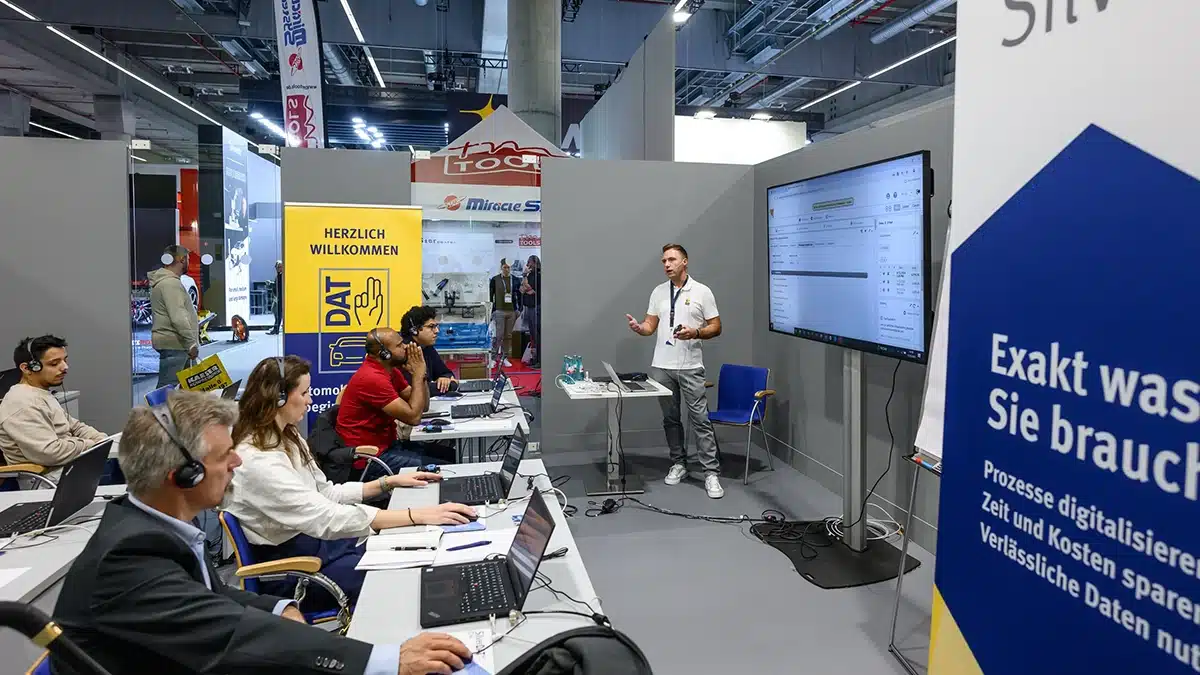
Germany is an especially interesting place to investigate these questions because its approach to vehicle repair differs from what truck owners and independent shops experience in the United States.
Much of that difference comes from European Union law. EU regulations require vehicle manufacturers to provide independent operators with unrestricted, standardized and nondiscriminatory access to onboard diagnostic information, as well as vehicle repair and maintenance information.
That can include more than reading diagnostic trouble codes. In a 2023 case involving German repair chain ATU and Carglass, the European Court of Justice ruled independent operators must also have write access when needed and that automakers cannot impose additional access conditions beyond those permitted by EU regulations.
In principle, an automaker cannot make a vehicle increasingly dependent on software while unfairly withholding the repair capabilities independent operators need to service it.
That does not mean Germany has completely solved right to repair. Access to connected-vehicle data, cybersecurity protections, software subscriptions, replacement-part programming, digitally paired components, and secure remote access through tools such as a VPN can remain complicated. The EU Data Act is intended to give users more control over data generated by connected products, but I want to learn how that principle works when the connected product is a modern truck.
The contrast with the United States is important. American right-to-repair protections remain a mixture of federal requirements, state laws, voluntary agreements and continuing disputes between automakers and independent repair advocates. Germany operates within a more unified European framework that explicitly addresses independent access to repair and maintenance information.
Germany also maintains strict vehicle safety, inspection and modification requirements. That creates an interesting balance: independent businesses are supposed to receive meaningful access to repair information, but the work must still comply with demanding safety and roadworthiness standards.
That is another reason I want to attend Automechanika Frankfurt. I do not simply want to hear that Europe handles right to repair differently. I want to ask technicians, suppliers, software companies and policy experts whether those protections genuinely allow an independent shop to repair a modern software-defined vehicle.
If Germany has found a better balance between protecting vehicle security and preserving independent repair, American truck owners should know about it. If the European system still leaves major gaps, we should understand those as well.
Editor’s note: Travel and accommodations for Automechanika Frankfurt are being provided by the event organizers. Pickup Truck + SUV Talk retains complete editorial control over its coverage.
This post contains sponsored and/or affiliate links — we may receive a small commission for products purchased via links in this story, or we may have received compensation for including the link.










No replies yet
Loading new replies...
Administrator
Join the full discussion at the Forum Pickuptrucktalk →