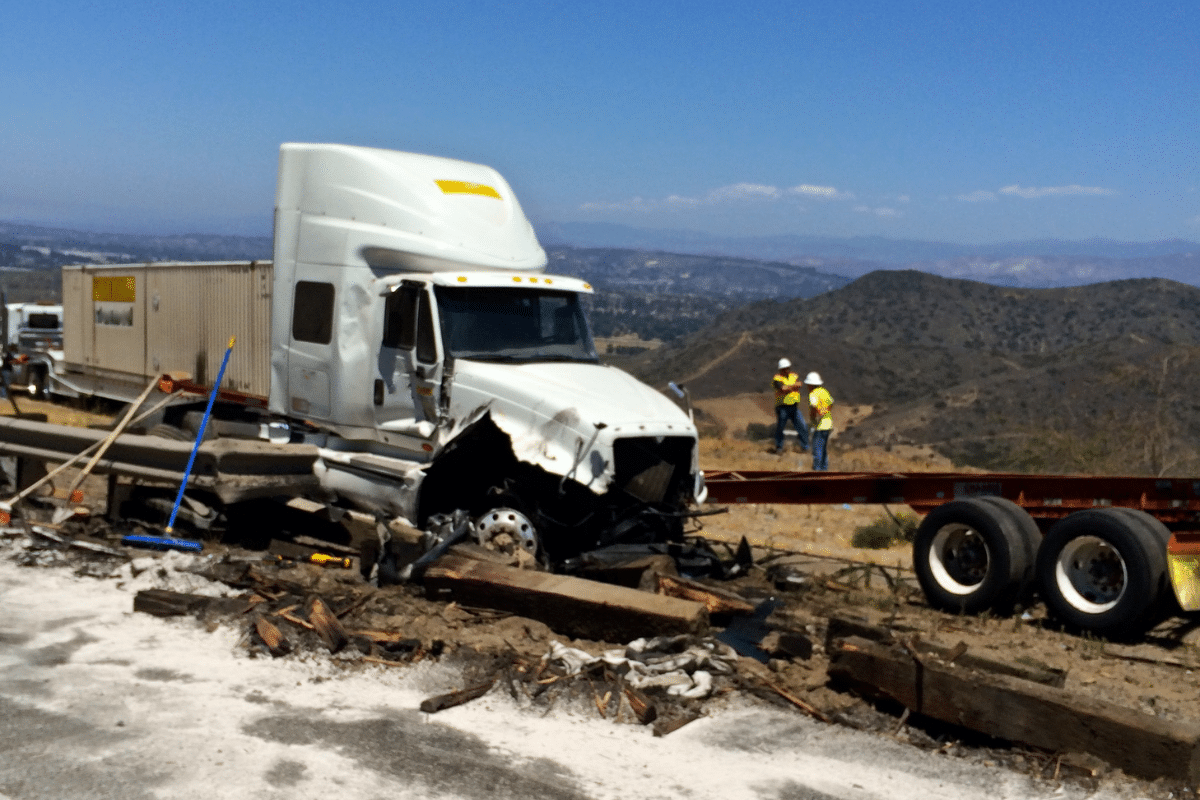
Fatigue is one of the most dangerous conditions a driver can face. It can reduce attention, slow reaction time, affect judgment, and make routine driving decisions much harder. For commercial truck drivers, the risk is even greater because large trucks require more time and distance to stop, turn, and respond to traffic.
In Fargo and across North Dakota, long routes, winter weather, rural highways, construction zones, and changing road conditions can make driver alertness especially important. Fatigue does not only affect truck drivers. It also affects motorists who share the road with large vehicles and need to recognize when a situation may become unsafe.
Fatigue Is More Than Feeling Sleepy
A driver does not need to fall asleep to be impaired by fatigue. Tiredness can show up as delayed braking, drifting within a lane, missed signs, poor speed control, or difficulty focusing on surrounding traffic.
Common warning signs include:
- Frequent yawning
- Heavy eyelids
- Trouble remembering the last few miles
- Lane drifting
- Delayed reaction to brake lights
- Irritability
- Restlessness
- Repeated use of caffeine to stay alert
When these signs appear, the safest decision is to stop, rest, and avoid continuing the trip while impaired.
Why Truck Driver Fatigue Is Especially Serious
Commercial trucks are much larger and heavier than passenger vehicles. When a fatigued truck driver reacts late, the consequences can be severe. A few seconds of reduced attention can lead to a rear-end crash, lane departure, jackknife accident, rollover, or multi-vehicle collision.
Fatigue can become more likely when drivers face tight delivery schedules, overnight routes, loading delays, limited rest breaks, or pressure to keep moving. Even when safety rules exist, real-world demands can still create risky conditions.
North Dakota Conditions Can Increase the Risk
North Dakota roads can be challenging for any driver. Snow, ice, wind, rain, low visibility, and long stretches of highway can make fatigue more dangerous. A tired driver may be slower to notice black ice, stopped traffic, a vehicle entering the road, or changing conditions near construction zones.
Motorists should also be cautious around large trucks during bad weather. Trucks need more room to stop, and sudden lane changes or abrupt braking near a commercial vehicle can increase the risk of a crash.
What Truck Drivers Can Do
Truck drivers can reduce fatigue risk by planning realistic routes, taking rest breaks seriously, following hours-of-service rules, and avoiding the temptation to push through exhaustion.
Before starting a route, drivers should consider weather, road reports, delivery timing, parking availability, and rest opportunities. If conditions become unsafe, slowing down or stopping may be the most responsible choice.
Drivers should also report fatigue honestly. A company culture that punishes drivers for needing rest can make the road less safe for everyone.
What Motorists Should Watch For
Passenger vehicle drivers should give large trucks extra space, especially if a truck appears to be drifting, braking late, changing speed unpredictably, or struggling to stay centered in its lane.
Motorists should avoid lingering in blind spots, cutting closely in front of trucks, or assuming a truck can stop quickly. If a truck seems unsafe, it is better to create distance and report the situation when safe.
How Fatigue May Be Investigated After a Crash
After a serious truck accident, investigators may look beyond the crash scene. Fatigue-related evidence can include driver logs, electronic logging device data, GPS records, dispatch messages, delivery schedules, rest periods, fuel stops, inspection records, and company policies.
The goal is to determine whether the driver was too tired to operate safely and whether the trucking company, dispatcher, broker, or another party contributed to unsafe scheduling or pressure.
When Legal Guidance May Help
Fatigue-related truck accident claims can become complicated because important records are often controlled by trucking companies. Evidence may be lost or overwritten if it is not preserved quickly.
For someone injured in or the surrounding North Dakota area, speaking with a Fargo fatigued truck accident lawyer can help clarify which records may matter and how fatigue may be evaluated in the claim.
Lowe Law Group assists people affected by serious commercial truck accidents. The firm can be a useful local resource when medical treatment, insurance questions, trucking records, and liability issues overlap.
Final Thoughts
Fatigue is a road safety issue for both commercial truck drivers and everyday motorists. It can affect attention, reaction time, judgment, and vehicle control.
Safer roads depend on realistic scheduling, responsible rest decisions, careful driving, and awareness from everyone sharing the highway. In North Dakota, where weather and distance can make driving more demanding, staying alert is not optional. It is essential.