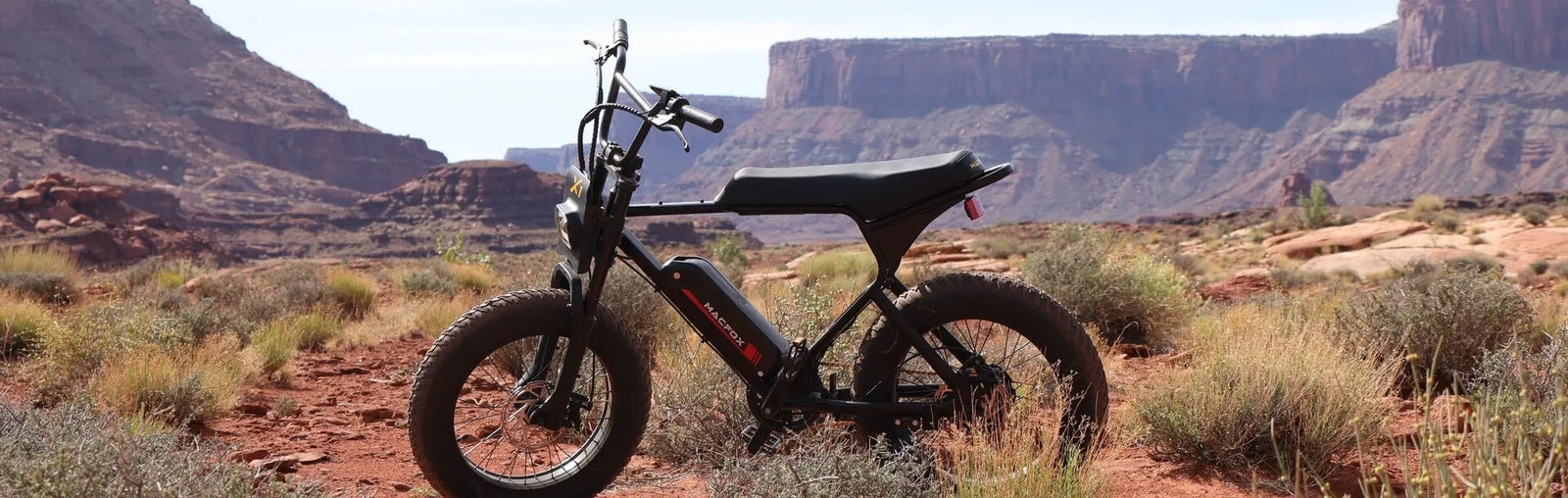
A pickup truck is useful for more than towing, hauling, and long highway drives. For people who enjoy weekend trips, camping, lake days, small mountain towns, or outdoor exploring, a pickup also makes it easier to bring the gear that turns a short getaway into a better adventure.
An electric bike is becoming one of those go-to pieces of gear. A truck handles the longer drive, but once you reach a campground, park, lakeside area, trail entrance, or small town, it is not always practical to keep driving everywhere. That is where an electric bike can help with the last few miles, whether you are picking up supplies, checking out nearby views, exploring local roads, or simply getting around after you park.
Still, transporting an electric bike is not the same as tossing a regular bike into the bed. E-bikes are heavier, and their frames, batteries, tires, displays, and cables need more care. How you load, secure, carry, and inspect the bike can make a real difference in both safety and ride quality.
Check Bed Space and Bike Size Before Loading
Before lifting anything, start with three basic questions: Is the truck bed long enough? Will the bike sit securely? Will the tailgate, rear visibility, or other gear be affected once everything is loaded?
Many electric bikes have thicker frames, wider tires, and more weight than standard bikes. If you are carrying a fat-tire, long-range, or outdoor-focused model, it may take up more room than a typical mountain bike. Measure the truck bed, handlebar width, and tire width before loading. You may need to place the bike at an angle, turn the handlebars, remove the front wheel, or use a dedicated rack or bed-mounted support.
If space is tight, do not force the handlebars down or press cables against the truck bed. Electric bikes often have control wires, displays, battery contacts, and other electronic parts that should not be bent, pinched, or rubbed for long periods.
It is also smart to remove loose accessories before loading, such as water bottles, phone mounts, clip-on lights, small bags, or add-on storage. That lowers the chance of losing parts on the road and helps prevent scratches during transport.
Use a Ramp Instead of Trying to Muscle It Into the Bed
Weight is one of the easiest things to underestimate with an electric bike. A regular bike may be simple for two people to lift, but an e-bike includes a motor, battery, sturdier frame, and often larger tires. Lifting it directly into a pickup bed can be awkward, and it increases the chance of dropping or scraping the bike.
A loading ramp is usually the better option. It reduces the lift height and lets you roll the bike into the bed instead of carrying its full weight. When choosing a ramp, pay attention to weight capacity, surface grip, and width. A ramp that is too narrow can make the wheels drift off line, while a ramp that is too steep can make the bike hard to control.
The safest setup is usually two people: one at the handlebars controlling direction and braking, and another at the back helping guide the bike upward. Once the bike is in the truck bed, let it settle before adjusting the angle or moving it into its final position.
If you often bring an electric bike on pickup trips, keep a ramp, tie-down straps, padding, and wheel blocks as part of your regular gear. They do not take up much space, but they make loading and unloading much easier.
Secure the Frame, Not Just the Wheels
Many people are used to tying down only the front or rear wheel when hauling a bike. That may work for a lightweight bicycle, but an electric bike is heavier and can shift more under braking, turning, bumps, and wind. If only the wheels are secured, the frame can still move.
A better method is to secure both the frame and the wheels. Use soft straps around a strong part of the frame, then connect them to the truck bed’s anchor points. Avoid placing straps directly over brake lines, electrical cables, displays, battery ports, or handlebar controls. If a contact point could rub against the frame, add a soft cloth or protective pad.
The front wheel also needs to be controlled so it does not swing side to side during transport. If you are carrying one bike, position the front wheel near the front of the bed and use a strap or block to limit handlebar movement. If you are carrying two bikes, leave space between them and add padding where the frames might touch.
Before a longer drive, tighten the straps firmly without over-compressing the frame. After driving a short distance, stop and check the setup again, especially before getting on the highway, gravel roads, or mountain routes. Straps can settle after they take load, and a quick check can prevent damage later.
Protect the Battery and Electrical Parts
The battery is one of the biggest differences between an electric bike and a regular bicycle. During transport, it should be protected from hard vibration, long sun exposure, rain, dirt, and moisture around the contacts.
If the battery is removable, consider taking it off for longer trips and keeping it inside the cab. That reduces the bike’s weight and keeps the battery in a drier, more stable environment. After removing it, make sure the battery port is covered so dust and moisture do not get inside.
If the battery is not removable, try to keep that part of the bike from being exposed to direct sun, heavy rain, or road spray for long periods. A cover can help, but avoid wrapping the entire bike too tightly. At highway speeds, loose fabric can flap against the frame or get tangled near the wheels.
When you arrive, do not ride off immediately. Check that the battery is locked in place, the display turns on normally, the brakes feel right, the tires are holding air, and no cables were pressed or rubbed by the straps. It only takes a few minutes, and it can prevent problems once you are away from the truck.
Think About Tires, Brakes, and Terrain Before the Ride
Pickup trips do not always end on smooth pavement. Campground roads, lakeside paths, park trails, small-town hills, dirt roads, and gravel pull-offs can all be rougher than a city street. Whether the bike feels comfortable after you unload it depends on how well it matches the terrain.
If most of your riding will be on paved roads, a standard electric bike can work well for short local trips. But if your route includes dirt, gravel, grass, light mud, or uneven ground, tire width, traction, braking power, and frame stability matter more. If you want a bike that can handle more outdoor riding after the truck is parked, an off road ebike is worth considering.
The point is not extreme riding. It is about making movement around the destination easier and more controlled. Wider tires can add stability, reliable brakes help on hills and loose surfaces, and enough range gives you more confidence that you can get back without worrying about the battery.
Before heading out, adjust tire pressure based on the route. Tire pressure that is too high can feel harsh on gravel, while pressure that is too low can increase rolling resistance and raise the risk of flats. Start with the recommended range for the bike, then make small adjustments based on the surface.
Inspect the Bike After Unloading
Once the truck ride is over, the prep is not quite finished. The bike has been loaded, strapped down, carried over bumps, and unloaded, so give it a quick inspection before riding.
Quick post-transport checklist:
- Tires: Check air pressure, visible damage, or any deformation from straps.
- Brakes: Confirm firm lever feel, normal stopping response, and no unusual noise.
- Battery: Make sure it is secure, the contacts are clean, and the charge is enough for the ride.
- Handlebars: Check straight alignment and normal display or control function.
- Frame: Look for scratches, looseness, or signs of rubbing during transport.
- Strap contact points: Check for cable pressure, paint rub, or marks from tie-downs.
If several people are riding, each person should check their own bike instead of having one person inspect everything. In a new place, routes, weather, and road conditions can change quickly, and a short check makes the ride smoother from the start.
Choose an Electric Bike Based on How You Actually Travel
The best electric bike for pickup trips is not always the one with the most aggressive specs. It is the one that fits the way you really use it.
If your trips mostly involve campground loops, lakeside roads, small-town streets, and quick supply runs, comfort, range, and stability may matter more than extreme performance. If you often deal with gravel, dirt roads, or hills, tire grip, braking power, and a steady frame should move higher on the list. If you only load the bike occasionally, how easy it is to secure and unload also matters.
The pickup handles the long-distance drive. The electric bike gives you more freedom once you get there. Together, they make it easier to explore beyond the parking spot.
For anyone who already uses a pickup for camping, fishing, scouting new roads, or weekend getaways, an electric bike is not a replacement for the truck. It is a practical piece of gear that makes the trip more flexible. Load it carefully, secure it well, protect the battery, and check it before riding, and it can become one of the most useful things you bring along.