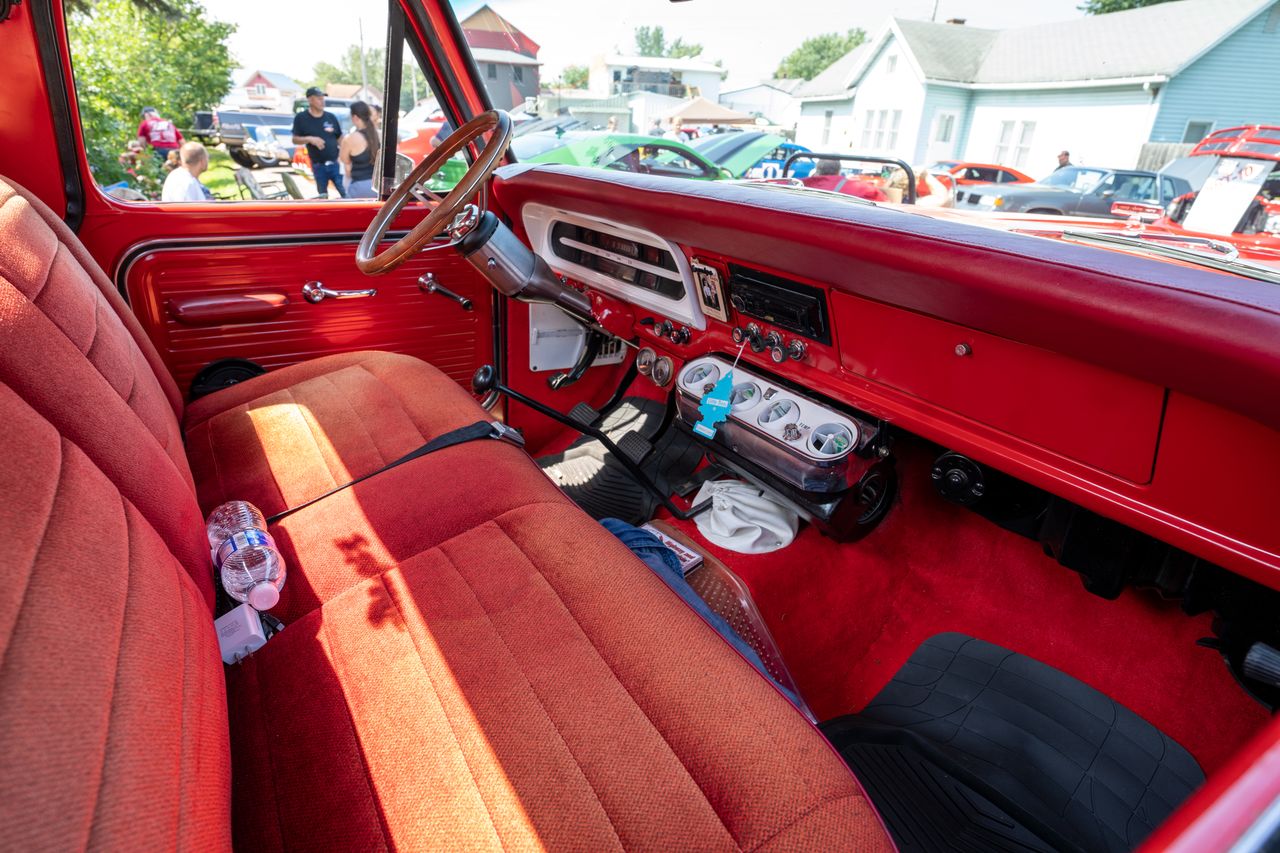
For many companies, a van or pickup truck is far more than just a vehicle. It is a delivery vehicle, a mobile workshop or a daily companion on construction sites and long work assignments. This means the interior has to take a lot more abuse than that of a private passenger car. Dirt, water, tools and the constant climbing in and out of the vehicle leave visible marks over time. Regular care and protection of the interior, however, will not only create a more comfortable working environment but will also preserve the value of the vehicle for many years to come.
Why protect the interior?
Many vehicle owners regularly pay for paint care or car washes, but the interior usually does not get any attention until significant signs of wear become clearly visible. Yet this is exactly the part that so often determines how a vehicle is judged at resale.
The driver’s seat is the most affected. It is in constant use, often many times a day, and is exposed to dirt, abrasion and moisture. On top of that come work clothing, tools or materials that put extra strain on the fabric or the leather. That is why a great many companies choose to invest in custom-made seat coverings for vans in order to protect the original seats in the long run. They are designed for the specific vehicle type in question, they protect against wear and tear, and they are much easier to clean or replace whenever needed. Such a relatively small investment can pay off handsomely over time in resale value for vehicles that are used every day for business.
Well-maintained vehicles command a good price in the U.S. secondhand car market
Pickup trucks and cargo vans are the lifeblood of innumerable enterprises across the U.S. They’re used every day by contractors, delivery firms, construction workers and field service professionals, who often rack up tens of thousands of miles on their cars each and every year. There are more than 278 million registered private and commercial vehicles on American roadways, including over 170 million trucks, the country’s most common vehicle type. The demand for dependable secondhand work vehicles therefore remains consistently high.
The sheer scale of the used-vehicle market is a clear reflection of that demand. In the U.S., over 35 million used vehicles are sold every single year, with pickup trucks and light commercial vehicles making up a large portion of this market. Many companies routinely retire aging fleet vehicles, thereby providing a steady and consistent stream of secondhand work trucks and cargo vans for the secondary market.
And it is not only private businesses that are selling. The U.S. General Services Administration (GSA) also auctions off thousands of retired government-owned pickups, cargo vans, SUVs and other fleet vehicles every year. These are generally attractive vehicles for companies and private buyers seeking reliable commercial vehicles, as they have usually been serviced to exacting maintenance schedules.
Buyers often form their very first impression within seconds of opening the driver’s door, whether it is a truck from a private fleet or a government auction. If the interior trim shows no damage, the seats are clean and the dashboard is neat, this suggests the vehicle has been well cared for throughout its working life. Faded upholstery, stains, broken plastics or lingering odors, on the other hand, can erode buyer confidence and hurt resale value – even if the engine and drivetrain are in great shape.
Most of the wear and tear is in the day-to-day
This kind of damage develops slowly. Fine sand, small pebbles and dust are tracked into the interior on shoes and act like sandpaper over time. On construction sites in particular, or when working in agriculture, dirt and moisture collect in the vehicle day after day.
Spilled drinks, food residue or marks from work equipment are also typically hard to remove later on. If dirt is left sitting for weeks or months, foul odors can develop or materials can be permanently damaged.
This is why car detailers recommend vacuuming the interior frequently and cleaning up dirt right away. This saves time in the long run and avoids costly detailing jobs.
Big Results From Small Investments
Protecting and upgrading the interior doesn’t always require spending large sums of money on retrofits. Sometimes it just takes a few small steps.
Rubber floor mats help keep water, mud or road salt from soaking into the carpet. They can be cleaned in minutes, and they are particularly well suited for vehicles that are frequently used on construction sites or out in the field.
Windshield sun shades can also help. They help to reduce heat build-up inside the vehicle, and they protect the dashboard and plastic trim from UV rays. This keeps the materials supple for longer and helps them resist fading better.
For those who carry heavy tools on a regular basis, suitable storage solutions or dividers are also a must. This keeps the vehicle better organized and helps prevent damage to trim and seats.