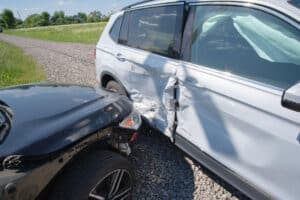
Photo by Scott Greer on Unsplash
A pickup or SUV wreck rarely ends with a small dent and a quick handshake. The mass, the height, and the way these vehicles fold change everything. Truck owners know the road, yet many underrate how hard a serious collision hits.
That gap matters most in the hours after a crash. A bad wreck brings medical bills, a wrecked rig, and an insurer that moves fast. Drivers who handle a serious case with help from a firm like Agemian Law Group tend to protect more than those who go it alone. This guide is general information, not a promise of any outcome.
What Makes a Truck or SUV Crash Hit Harder?
The short answer is physics. A loaded half-ton can weigh two to three times what a compact car weighs. That extra mass turns into force at impact.
A pickup or SUV also rides higher than most cars. The taller bumper and stiffer frame can override a lower car’s crush zone. The hit to the cabin gets heavier as a result.
Height brings a second problem. A higher center of gravity makes these vehicles more prone to tipping. The federal rollover research puts rollovers at about 3 percent of crashes, yet they cause roughly one-third of vehicle occupant deaths. Trucks and SUVs carry a larger share of that risk.
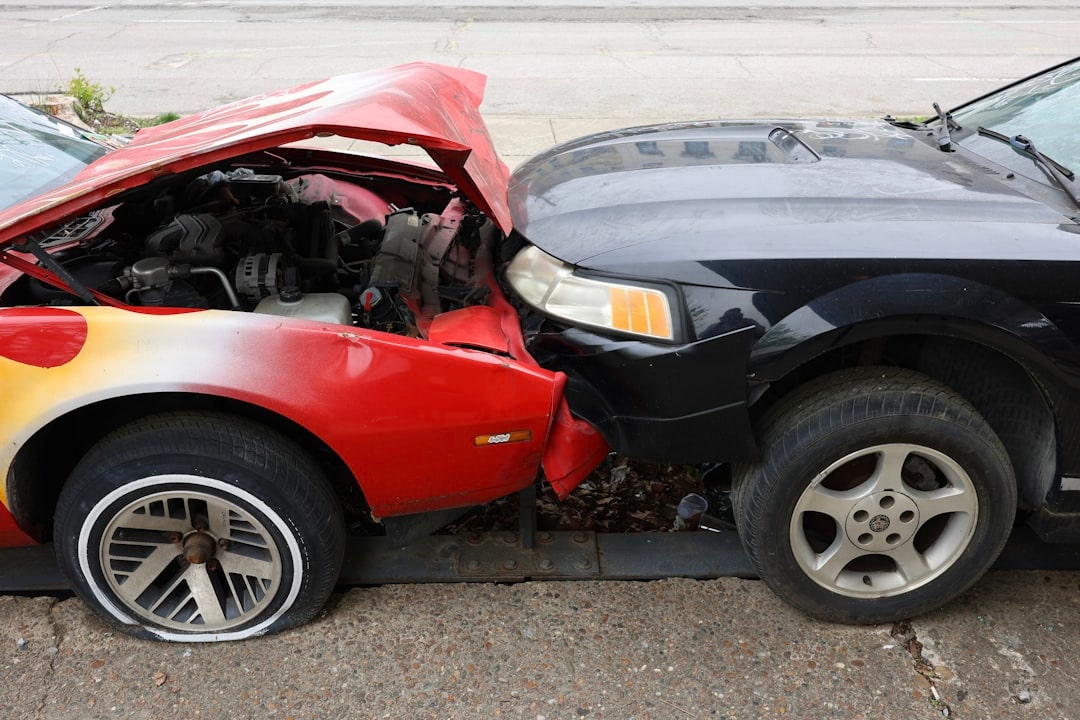
Real damage follows. A frontal hit at highway speed can crush an engine bay in a second. Side impacts shove the cabin inward. The harm is often spinal, internal, or to the brain.
Which Injuries Show Up Most After Big-Vehicle Wrecks?
The worst injuries come from energy that has nowhere to go. In a heavy crash, that energy moves into the body. These patterns show up again and again.
- Head and brain injuries. A sudden stop can slam the brain inside the skull, even with no visible wound.
- Spinal and neck damage. Whiplash is the mild end. Disc and cord injuries are the severe end.
- Chest and internal harm. A steering wheel or belt can bruise the heart, lungs, or organs.
- Broken bones. Crushed legs, hips, and ribs are common in high-speed truck wrecks.
- Rollover trauma. When a rig tips, occupants face roof crush and ejection risk.
Many of these injuries hide at first. Adrenaline masks pain for hours, and some symptoms take days to surface. That delay is why a quick medical check matters, and why a rushed settlement can leave a victim short.
What Should You Do Right After a Serious Crash?
The first steps protect your health and your future claim at once. A calm, ordered response beats panic. Coverage like the breakdown of pickup truck accidents shows how often crash details get lost in the moment.

Photo by Amy Hirschi on Unsplash
Call for help first and get checked by a medic, even if you feel fine. An official report and a medical record both start your paper trail. Skipping either can hurt a claim later.
Then document what you can. Photograph the vehicles, the road, skid marks, and any injuries. Trade names and insurance details with the other driver. Find a witness nearby, since a neutral account settles fault disputes fast.
One more habit pays off. Save every bill, repair quote, and message from any insurer. The motor vehicle data from the CDC transportation safety program shows that crashes kill over 100 people a day. Insurers process these files in volume, so they value speed over fairness.
How Do Insurers Treat Heavy Crash Claims?
Insurers are businesses, and a big-truck claim worries them. Repair costs run high, and injury exposure runs higher. So the adjuster works to limit the payout from the first call.
A friendly request for a recorded statement often comes within days. That statement can be trimmed and used to cut your claim. An early offer may arrive fast and low, built to close the file before your injuries are clear.
Future costs are the easiest losses to miss. Surgery, therapy, lost wages, and reduced earning power rarely show up on a first estimate. A settlement that ignores them leaves the victim paying out of pocket.
This is where steady guidance changes the math. A specialist values the claim in full, handles the adjuster, and keeps the timeline honest. Better road visibility, like the gains from blind spot sensors, prevents some wrecks, but it cannot undo a lowball offer after one.
When Is Legal Help Worth It After a Truck Crash?
Not every fender bump needs a lawyer. A clear, no-injury scrape can often be handled alone. The calculus shifts once real harm or real money enters the picture.
| Situation | Why Expert Help Pays Off |
| Serious or lasting injury | Future care and lost income are hard to value alone |
| Disputed fault | Multiple drivers or a tipped rig muddy the record |
| A commercial truck is involved | More insurers and stricter federal rules apply |
| A low or denied offer | A specialist counters with documented losses |
| A tight filing deadline | Missing it can end a valid claim for good |
A few numbers frame the stakes. Crash deaths top 100 a day across the country. Rollovers cause about a third of occupant deaths, and heavy vehicles drive a larger share of that toll. Against those figures, early advice is a small price.
What to Remember Before You Settle
- Truck and SUV crashes carry more mass and height, so injuries run severe.
- A higher center of gravity raises rollover risk for these vehicles.
- Serious injuries often hide for hours or days after the wreck.
- Insurers move fast on heavy claims and price early offers low.
- Real injury, disputed fault, or a denied offer all call for expert help.
The Case for Treating a Serious Crash Seriously
A big-vehicle wreck is not a routine errand to clear by Friday. The mass that makes a truck feel safe also makes a bad crash worse. The people who fare best get a medical check, build a record, and bring in a specialist early. That help usually costs little next to the value it protects.
Frequently Asked Questions
Why Are Pickup and SUV Crashes More Dangerous Than Car Crashes?
These vehicles weigh more and ride higher, so they hit with more force. The taller frame can override a car’s crush zone and push damage into the cabin. A higher center of gravity also makes them more likely to roll.
Should I See a Doctor if I Feel Fine After a Truck Wreck?
Yes. Adrenaline can mask pain for hours, and brain, spine, and internal injuries often surface days later. A prompt medical check protects your health and creates a record. That record matters if you later file a claim.
Should I Accept the Insurer’s First Offer After a Serious Crash?
Rarely. Early offers tend to arrive before the injury picture is clear. They often skip future care and lost earning power. A specialist helps you judge the offer’s real value.
When Does a Truck Crash Claim Really Need a Lawyer?
A serious injury, disputed fault, a commercial truck, or a denied offer all point that way. These cases involve more insurers and harder math. Early guidance usually protects more than it costs.