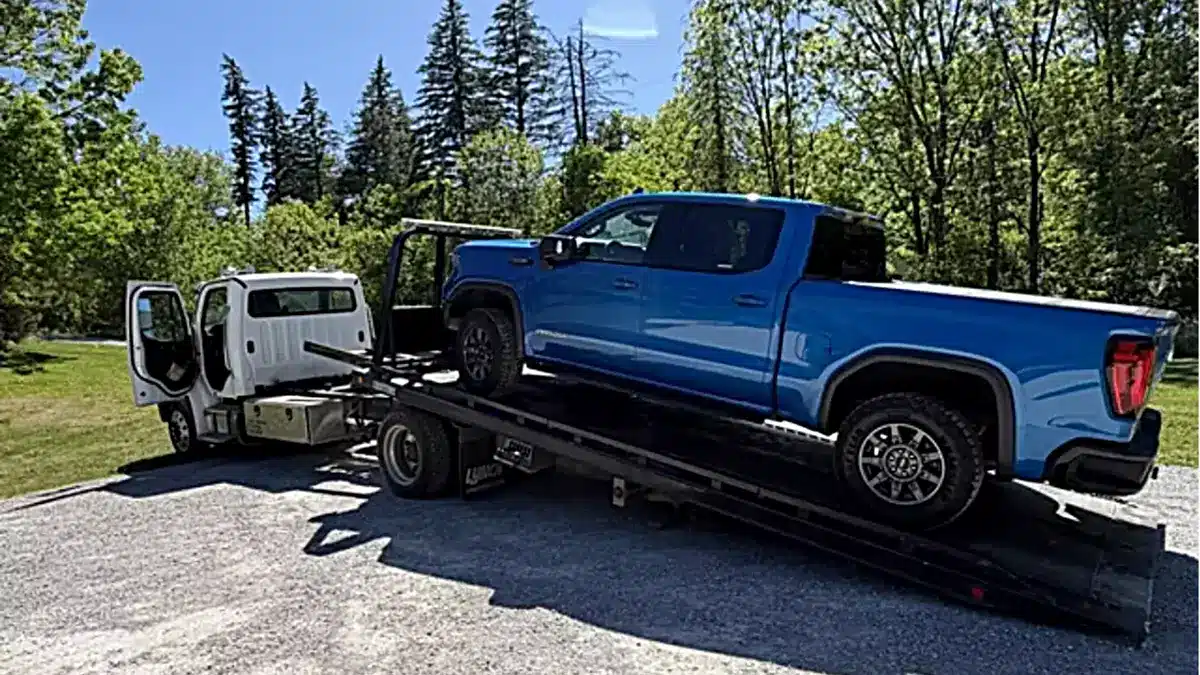
Two independent engine shops tore down failed GM L87 6.2-liter V8s and found remarkably similar evidence of rod bearing distress. Their findings suggest the engine’s problems may involve more than the commonly cited 0W-20 oil specification, pointing instead to potential machining and lubrication-related issues within the rotating assembly.
Is Your Truck or SUV Affected?
The high-output L87 engine appears in the 2019-2024 Chevrolet Silverado 1500, the 2019-2024 GMC Sierra 1500, the 2021-2024 Chevrolet Tahoe, the 2021-2024 Chevrolet Suburban, the 2021-2024 GMC Yukon and Yukon XL, and the 2021-2024 Cadillac Escalade and Escalade ESV.
The Common Thread – Crankshaft and Rod Bearings Fail Fast
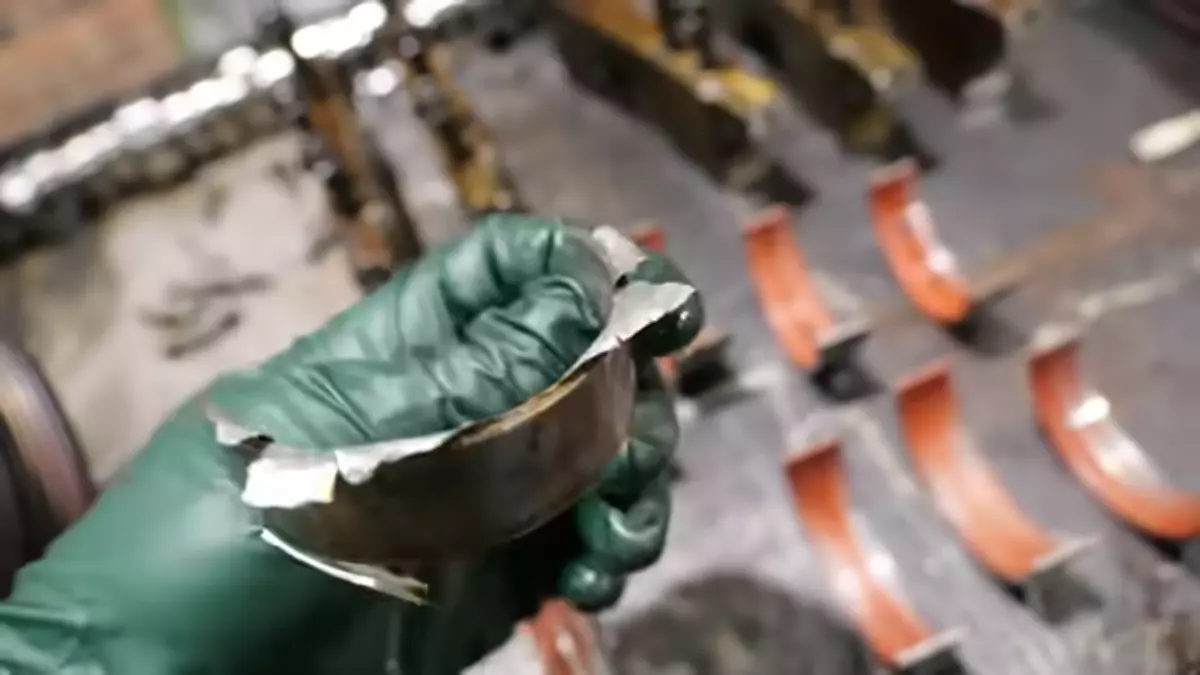
Two different shops, I Do Cars and Dave’s Auto Center, documented their L87 engine teardowns and findings separately, but both found the same issues. The first engine, a recalled unit that was never returned to GM, had a lot of mileage on it (60,000-90,000 miles) and severe failure before Eric at I Do Cars dismantled it on camera. The second engine, an almost new unit that failed a PicoScope test, was disassembled and examined by Miles and his team at Dave’s Auto Center. Both engines had the same problems at differing levels of severity.
With the well-used engine, the severity was extreme with full failures of connecting rod bearings resulting in engine seizure. Tolerances for the crankshaft’s lateral movement were compromised, which resulted in the crank gouging into the engine block and a cascade of other issues as well.
Meanwhile, the nearly new engine showed early signs of the same issues happening. Pitting and small gouges in the rod bearings pointed towards improper lubrication. Which, the team concluded, leads to the manufacturing defect causing everything happening here: over-large lubrication ports that create low oil pressure and uneven oil coating of those rod and crankshaft bearings. The longer this issue went on, the worse the destruction in that engine core. Eric’s L87 was so far gone that seeing this issue as the core problem was unlikely whereas the new engine at Dave’s shop was damaged lightly enough that testing could prove the point.The nearly new engine may be the more revealing of the two cases.
The critical takeaway here is that all eight rod bearings in both engines showed damage. As did their corresponding attachment points on the crankshaft. All eight. No exceptions.
Testing Gives RA and RZ Results That Corroborate the Lubrication Issue
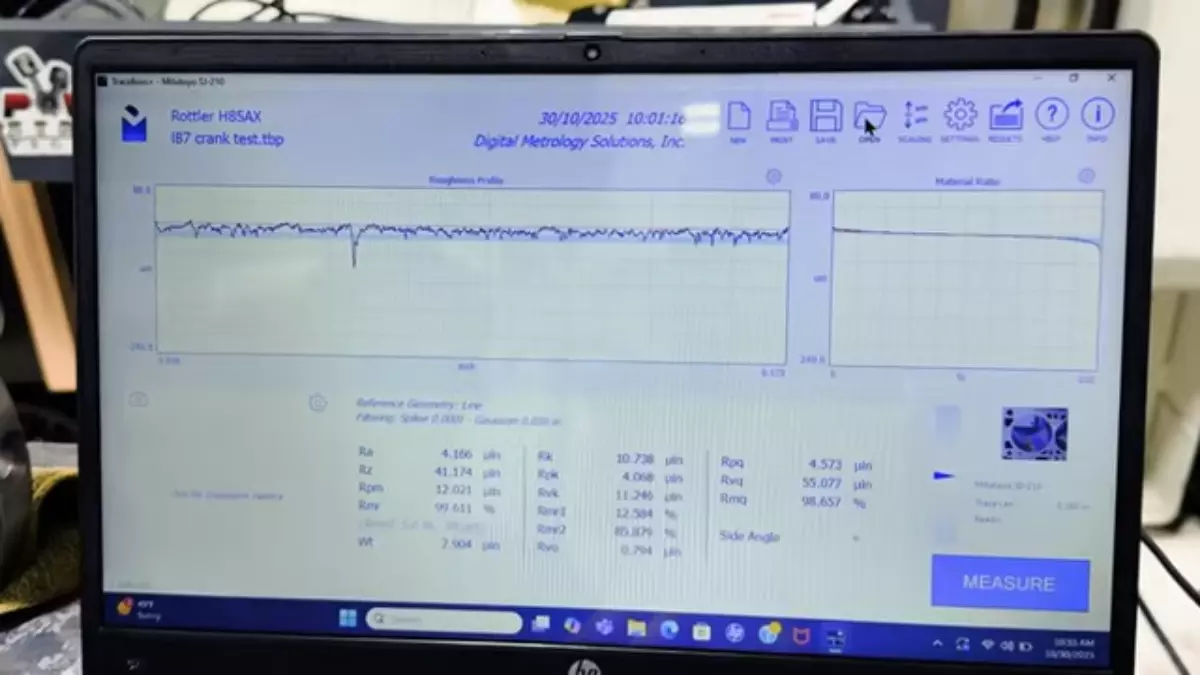
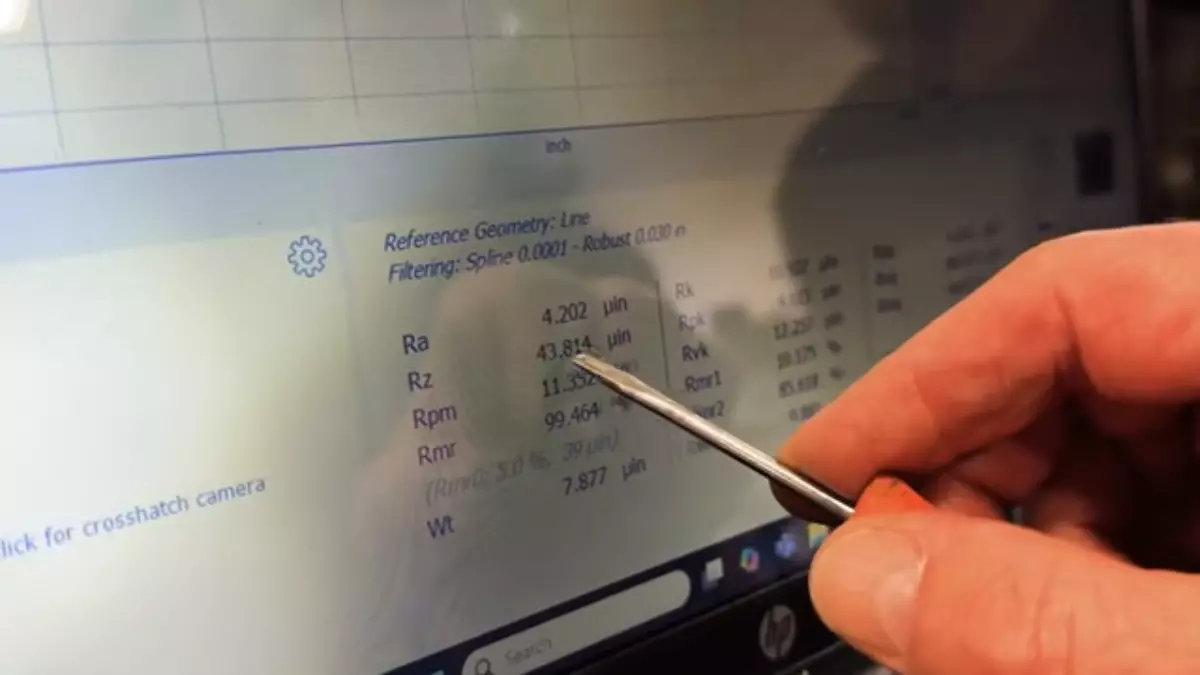
The team at Dave’s Auto went a step further. Surface finish was evaluated using both RA (roughness average) and RZ (mean roughness depth) measurements. While RA provides an overall average of surface roughness, RZ focuses on the height difference between the deepest valleys and highest peaks, offering a clearer picture of extreme surface irregularities.
These results were compared to an aftermarket crankshaft for control. The RA was about double that of the aftermarket in the nearly-new L87. The RA to RZ ratioed at about 10, nearly double expected goal tolerances for most engines.
Chamfering On the L87 Leads To Low Oil Pressure
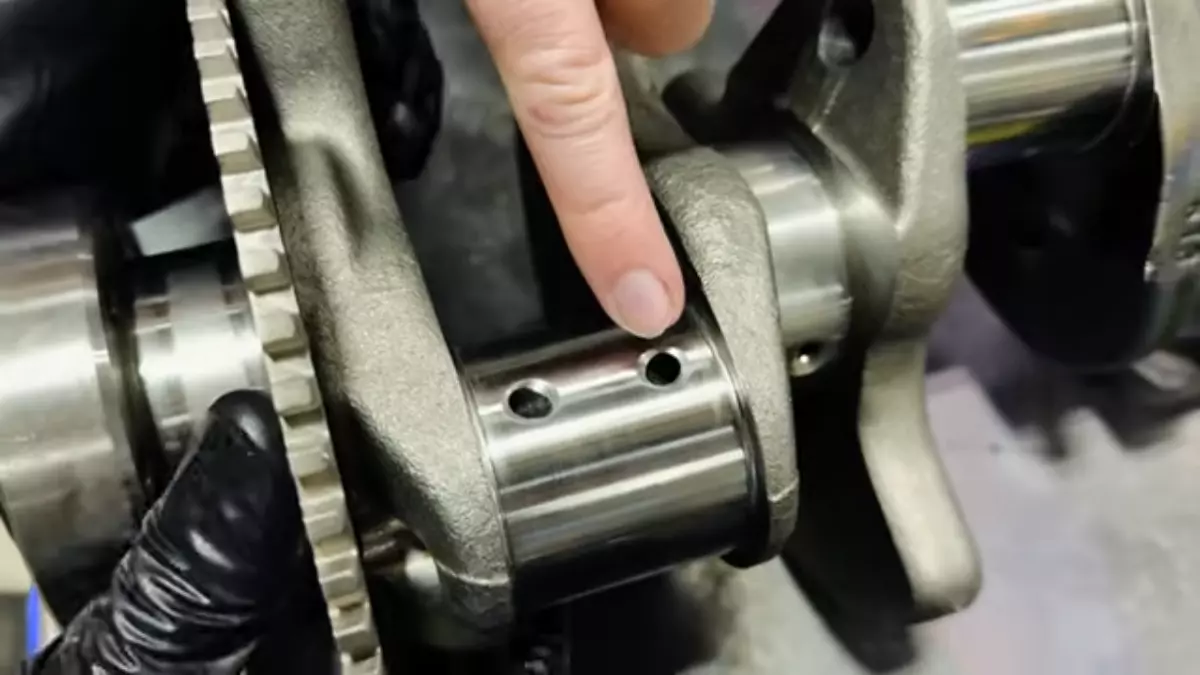
Another significant discovery was the excessive chamfering on the rod bearing surfaces of the L87 crankshaft. Chamfers are beveled edges designed to reduce stress concentrations and improve oil flow. However, the L87 crankshafts had unusually large chamfers, approximately 400 thousandths of an inch, compared to about 300 thousandths on the aftermarket crank used in comparison. This significant difference meant a larger ratio of opening versus bearing surface.
This large chamfer ratio could cause oil to bleed off excessively, reducing oil pressure and lubrication to the rod bearings. The loss of oil pressure was evidenced by wave-like wear patterns on the bearings, indicating fluctuating oil pressure and burgeoning bearing damage.
Was the Oil Too Light?
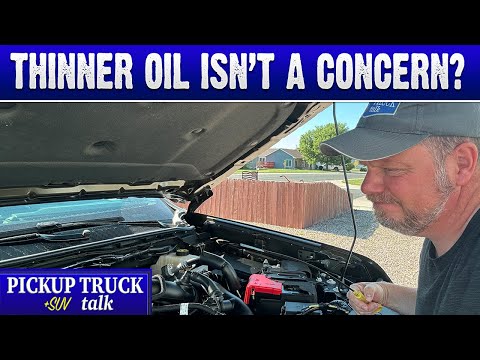
Early recalls and reporting blamed the lightweight oil used in these engines as the culprit. It was definitely a contributing factor, but the engine’s design was also a big player in this debacle. GM specified 0W20 oil for the L87 engines in trucks and SUVs to improve fuel economy and meet CAFE standards.
The oil issue was definitely a contributing factor, but it wasn’t the only one. The thinner 0W20 oil provides less margin for error in machining tolerances and contamination, which likely contributed to the bearing failures in the L87. Because tolerances in the engine were not matched to the oil being used.
Why Corvettes and Camaroes Haven’t Had L87 Failures

The Corvette and Camaro use a 6.2-liter LT2 engine and it’s a common misconception that these sports cars use the same engine as those found in GM’s trucks and SUVs. Although both engines belong to GM’s Gen V small-block family, the LT2 found in the Corvette differs substantially from the truck-oriented L87.
The engines use different crankshafts, pistons, lubrication systems, block materials, and operating strategies. As a result, the LT2’s relative lack of bearing failures does not necessarily disprove the issues seen in the L87.
GM’s Recall Response Exacerbated the Issue
GM has been criticized for their slow and inadequate response to the engine failures, which have been occurring since the 2021 model year. Many owners have experienced long wait times for engine replacements, sometimes up to 10 months. With over 600,000 vehicles affected so far, the total cost to GM has been over $300 million in recall costs as part of over a billion dollars lost to warranty claims on GM vehicles in 2025.
Recalls were initially related to early oil pressure issues resulting in rod bearing damage. The initial “fix” for still-running vehicles was to change the recommended oil weight.
The recall covers the vehicles, but many replacement engines are not factory-new units. They are rebuilt engines, often offered by dealerships as a “quick fix” for customers facing long waits. There is uncertainty about coverage for these used engines installed as replacements. GM’s strict core return policies and reluctance to accept used parts complicate repairs and replacements.
What Can Be Learned From This
The GM L87 engine’s failure highlights the critical importance of precise manufacturing processes and attention to detail in engine component finishing. Surface finish roughness and excessive chamfering on the crankshaft appears to have led to oil pressure fluctuations and bearing failures, causing massive financial and reputational damage to GM.
This case serves as a reminder that even microscopic surface imperfections can have significant real-world consequences in automotive engineering. Whether the root cause ultimately proves to be machining variation, lubrication-system design, oil viscosity, contamination, or some combination of all four, the two teardowns point to a consistent pattern: rod bearings appear to be the first component to suffer. The fact that two independent shops reached similar conclusions from engines at opposite ends of the mileage spectrum raises important questions about the L87’s manufacturing consistency and long-term durability.