Tuning your car isn’t about chasing unrealistic power numbers or compromising your vehicle’s reliability. Instead, it involves carefully planned tuning stages that aim to incrementally increase engine power, improve real-world drivability and have a car that’s more responsive to driver input.
The current stock of cars relies on complicated engine management systems designed to work in different conditions, meet stringent safety and emissions regulations, be compatible with varying fuel quality and still provide the dependability motorists take for granted. To ensure reliability, car manufacturers tune production cars well within the limits of what they can truly deliver. For that, you’ll be relying on professional auto modification shops.
Why Tune Your Car?
Improved Power and Torque
The obvious reason to modify any vehicle is to boost peak power and torque. A proper ECU tune remaps how torque is delivered across the engine’s rev range, ensuring power is consistent, more linear, and available at higher loads. This is done with changes to the preset ignition timing and fuelling (among other parameters), and results in a car that’s more willing during acceleration, faster off the mark, and isn’t compromised by turbo lag.
Predictable Control
Factory throttle is mapped to be more forgiving and suitable for a wide range of drivers and settings. Most motorists mulling tuning complain of detached throttle response and built-in delay. For more predictability, choose a car tuning shop that tailors the throttle to personal preferences, ensuring more safety in overtaking, merging and at highway speeds.
Reduced Fuel Consumption
Properly tuned vehicles use less fuel in routine driving. Optimised torque delivery, reduced hesitation, and improved throttle response contribute to cars that are more drivable in daily settings, yet aren’t as thirsty.
Improved Reliability
Custom tunes can smooth off air-fuel ratios, fix hesitation issues and lower temperatures and pressures in the combustion chamber. Car tuning specialists diverge from regular off-the-shelf tuning modules with custom modifications tailored to each vehicle. They run engines slightly rich at higher loads to stabilise temperatures, adjust spark plug timing to prevent pre-ignition and detonation and run comprehensive software and diagnostics to minimise wear or long-term issues.
Modifications Offered by Professional Car Tuning Specialists
ECU Remaps and Engine Upgrades Done Right
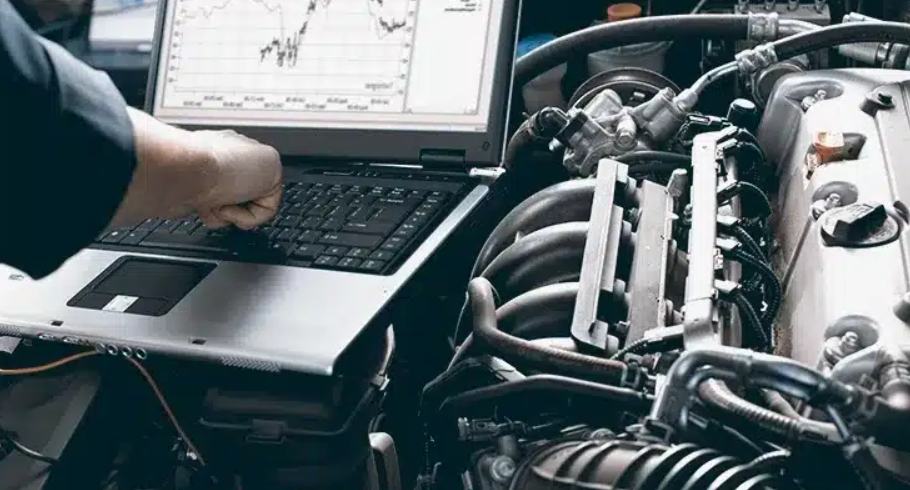
Remapping or flashing the ECU is essentially changing the prescribed factory parameters responsible for basic engine processes such as the timing, fuelling and boost pressure. The aim is to unlock hidden engine performance, reduce fuel use and tailor engines to personal preferences. Tuners run a diagnostic test to scan for error codes, read the factory ECU software via a laptop connected to the vehicle’s OBDII port and either modify set parameters or upload custom software into the ECU. Remapped vehicles are then tested on a dyno to ensure smooth performance.
Remapping is done in stages. Stage 1 is a software-only upgrade, but it can produce between 10 and 20% of additional torque and power compared to factory numbers. Stage 2 goes one step further, optimising airflow in and out of the engine with additions like larger airboxes, meatier cold air intakes and aftermarket exhaust piping. This is paired with matching exhaust parts and higher boost pressures in stock turbos for more efficient spooling.
For the higher power gains, Stage 3 remaps involve completely new software or standalone engine control modules that tailor cars for aggressive street and track use. This provides a reliable framework for new engine internals, including high-pressure fuel injectors and matching fuel pumps and plumbing to prevent lean fuel mixtures; revised camshafts to ensure proper timing and be more responsive at higher revs; bigger or added turbos to make use of increased boost pressure and larger-core intercoolers to efficiently cool compressed air from turbines and prevent heat soak.
To handle the extra torque and ensure proper power transfer, tuning shops also upgrade transmission and drivetrain components, often as part of a detailed Stage 2 or Stage 3 makeover. Manual cars go with upgraded clutch kits and automatics with upgraded torque converters. Adding a limited-slip differential provides more traction and cornering stability by sending more power to wheels with traction, thereby preventing slippage.
Suspension and Brake Upgrades
Handling and drivability are upgraded with changes to the stock springs, shocks and brake components. These parts play a key role in overall driving safety and control. Common suspension upgrades include:
- Coilovers: This differs from factory setups in that coil springs are combined with matching shocks in a single unit. The assembly can be calibrated for height, spring preload and damping rates, considerably reducing body roll in turns, maximising grip through the tyres, and ensuring steering in tight and precise.
- Lowering springs: A more affordable option that not only lowers the vehicle and reduces drag, but also changes the centre gravity with increased traction, sharper turn-in with shorter-travel springs and reduced instances of front squat nose-diving and rear-axle squat when harder on the brakes.
- Strut braces and sway bars: Strut braces tie the opposing suspension towers to reduce chassis flex during heavy cornering, providing crisper steering. Sway bars connect opposing wheels in each axle and reduce body roll. Upgraded and thicker bars can also deal with inherent over and understeer in cars used on the track.
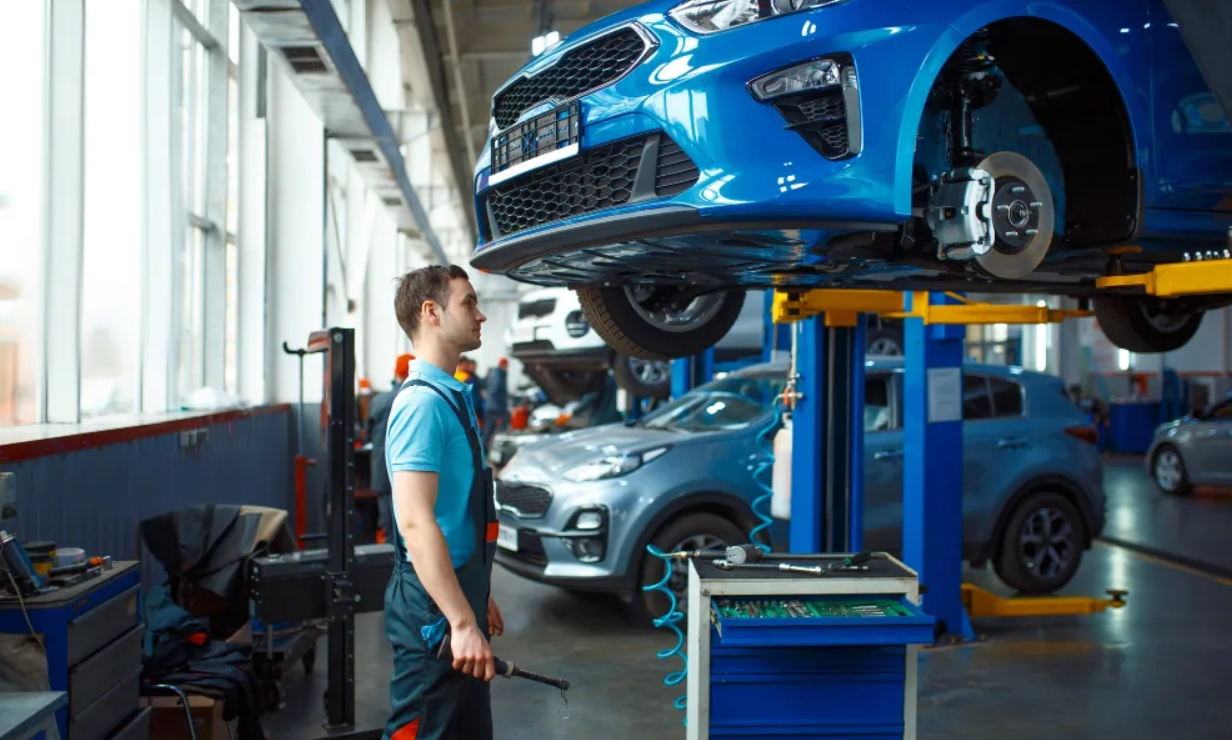
Factory brake assemblies struggle at higher speeds or harder braking with increased wear, elevated component temperatures, and increased brake fade, resulting in longer braking distances. Simple fixes are upgraded brake pads, preferably in sintered or ceramic varieties to provide more friction against the discs; slotted, drilled and ventillated large-diameter discs for improved heat dissipation in repeated heavy braking; multi-piston callipers for even brake force and reduced pad wear; and high-temperature brake fluid and steel-braided brake lines to rule out a soft or spongy pedal feel and prevent pressure drops due to leaks.
Choosing the Right Tuning Shop
The UK has a rich automotive and tuning heritage. There are hundreds of tuning houses, and many, such as Cosworth and Lotus, that have expanded into high-tier racing, with decades of expertise. Most auto modification shops are platform-specific, meaning they specialise in tuning specific car brands, and have developed in-house ECU remapping software endorsed by the manufacturers themselves. Some also cater to specific vehicle types, ranging from hot hatches to luxury German saloons or full 4×4 off-roading vehicles.
Consider houses that provide extensive dyno testing when optimising parameters such as air-fuel ratios, overall horsepower and torque, turbo boost pressure, and power curves. This ensures fine-tuning each vehicle within reliability limits, while still meeting legal requirements for street use. Look for defined warranties, decent after-sales support and clear explanations (dyno readouts, logs, written notes) as to what has been changed and to what effect. Lastly, steer clear of generic, off-the-shelf tunes, those that forego detailed diagnostics, and cheap remaps that are masked repairs waiting to happen.