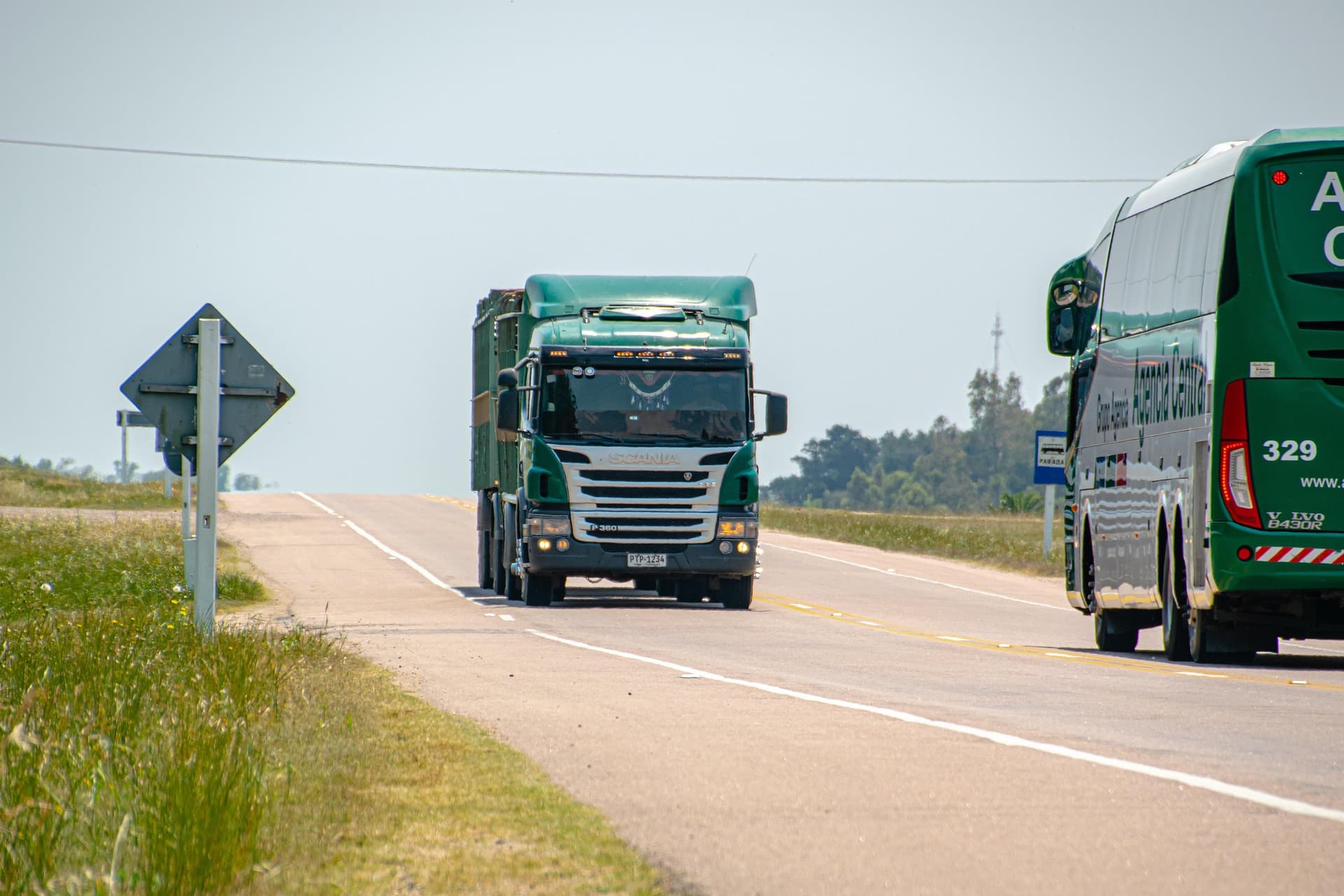
A roofing contractor outside Atlanta with eleven pickups got a renewal notice in January that put commercial auto insurance at 389 dollars per month per truck, up from 310 the year before, with no claims filed in either period. Eleven trucks at that new rate works out to about 51000 a year in vehicle insurance, and the previous year’s bill was closer to 41000, so the renewal alone moved the budget by 10000 dollars without a single incident on record. The broker said the market conditions. What he meant was that jury awards against commercial vehicle operators had jumped 52 percent in 2024, and median verdicts were landing around 51 million dollars, up from 21 million four years earlier, and the underwriting departments had decided the entire commercial auto book needed to be repriced to cover the liability. The American Transportation Research Institute put insurance costs at a record 0.102 dollars per mile that year, the fifth consecutive annual increase. A fleet of twelve pickups doing residential work doesn’t have a risk manager or a broker relationship that produces competitive bids at renewal. It gets the rate and pays it. Even fleets with zero claims on record are absorbing 7 to 15 percent increases heading into 2026, and in Florida, Louisiana, or New York, the litigation environment adds another 30 to 100 percent on top of what a comparable fleet pays in a lower-exposure state.
That renewal notice is where the tracking conversation started for the Atlanta contractor, and the math behind it is probably why it stuck. Commercial carriers have been pricing telematics discounts into their renewal offers for a few years now, typically 5 to 20 percent off for fleets that hand over behavioral driving data, and in twelve states, including Florida, Illinois, New York, and Texas, the discount isn’t optional on the carrier’s side because regulators require it for vehicles running approved tracking hardware.
Six months to a year of speed, braking, and route data packaged into a report at renewal gives the underwriter a fleet specific risk profile instead of an industry average to price against. On a 40,000-dollar annual premium, that’s 4,000 to 6,000 back, against hardware that costs maybe 200 to 500 per vehicle to install and single-digit monthly subscriptions per unit. A fleet tracking specialist at gpswox.com put it in terms I hear repeated across the industry, that the full cost of deploying tracking on a small commercial fleet usually comes back inside the first renewal cycle, though the specifics shift by carrier and state. The roofing contractor in Atlanta, for what it’s worth, installed tracking in February and is building the data package for an October renewal conversation.
Contractors who went in looking for a premium discount are finding operational problems they didn’t know they had, and from a market perspective, that’s the part of the story worth watching. Fuel is usually what shows up first. Theft losses on US construction sites run close to a billion dollars a year across equipment, materials, and fuel, and fuel is the category nobody tracks because there’s no serial number on a gallon of diesel. A half finished subdivision at two in the morning, auxiliary tanks on pickups sitting in the open, maybe a chain link fence between the site and the road. Geofencing won’t physically stop a siphon job, but the alert fires when a truck moves at 3 AM, and that’s enough to establish a pattern. Fleet coordinators at smaller outfits tell me the same thing over and over. A month or two after the system goes live, the fuel numbers settle down, and the gap between the old consumption rate and the new one is large enough that somebody was clearly taking product. Forty gallons off a site on a Saturday night is not worth a police report on its own, but multiplied across a dozen trucks and twelve months, it covers the cost of the tracking system several times over, and the contractor didn’t even know the loss was happening before the data showed up.
Crew hours are a quieter version of the same problem. A framing crew’s timesheet says seven to four, and then the homeowner is on the phone at three, saying the trucks didn’t show until after nine and were gone before two thirty. That kind of call lands on the contractor’s desk maybe twice a month on a busy operation, and without any location record, the resolution depends entirely on who the contractor can least afford to lose, which is almost always the client paying for the work. Vehicle records with timestamps took that conversation off the table entirely for operators running tracking, and the same data started showing up in bid packages. A subcontractor who can pull verified arrival and departure logs for a general contractor evaluating schedule compliance has something tangible to put on the table that most five to twenty five truck competitors do not. Tax compliance is folded into the same system without any additional setup. The IRS mileage rate for 2026 is 72.5 cents per business mile, and a fleet of pickups, each putting 25000 or 30000 miles a year on the odometer, accumulates a deduction worth fighting for. Federal documentation rules say every business trip needs a record of the date, destination, purpose, and distance, created at or near the time of the drive, and getting fifteen drivers to actually do that with a pen and a logbook between supply house runs and afternoon service calls is not a realistic expectation for any contractor I’ve spoken to. The tracking system generates the export automatically, and that export holds up in an audit, which by itself is enough to keep the subscription active even if the contractor loses interest in every other feature the platform offers.
Enterprise telematics was built for a fleet manager with a procurement budget and a three year planning horizon, and the small contractor segment fell through the gap entirely. An eight truck contractor has no use for a 36 month commitment or predictive maintenance analytics. The providers that captured the market offered month to month billing, self install hardware, and a phone app instead of a command center dashboard. About 85 percent of US commercial fleet operations run fewer than 50 vehicles, and within that group, roughly 70 percent are under ten. A single enterprise logistics deal puts maybe 3000 devices into the field in one order, but the contractor segment adds the same volume in aggregate over twelve months, eight to fifteen units at a time, and every one of those sales closes at list price because an HVAC company with nine trucks is not asking for a volume discount. Once tracking data feeds into three separate processes, insurance, taxes, and client reporting, pulling the system out means rebuilding all three manually, and nobody does that over a 12 dollar monthly subscription. The telematics industry’s own analyst coverage still focuses on enterprise adoption and long haul trucking. The subscription growth coming out of the contractor segment is not showing up in the keynote presentations yet, but it’s starting to show in the aggregate market numbers.