Image via Unsplash
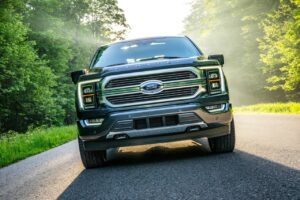
Full-size American pickups have become a common sight in Sydney trade yards. Rams, Silverados and F-150s now line up next to the usual dual-cab utes at landscape suppliers, timber merchants and steel yards. That raises a practical question every yard has had to answer: how do you get a loaded pallet into a bed that sits higher and wider than the local utes the yard was set up for?
The answer is a mix of the right machine, a trained operator and a driver who knows what their truck can carry. Here is how the process works, from the gate to the moment the straps go on.
The Rules Start Before the Forks Move
Two separate sets of rules meet at the loading bay. One covers the forklift. The other covers the truck.
On the forklift side, anyone driving one in New South Wales needs a high risk work license with the right class, according to SafeWork NSW. That’s why yards insist that their own staff do the loading. Customers don’t get to hop on and help.
On the truck side, the numbers matter more than most owners realize. A standard NSW car license covers vehicles up to 4.5 metric tons gross vehicle mass, as the NSW Government notes. Some heavy-duty American pickups sit close to that line once they’re loaded, so knowing your truck’s GVM is part of the job before the pallet ever leaves the ground.
When a Sydney Yard Turns to Forklift Hire
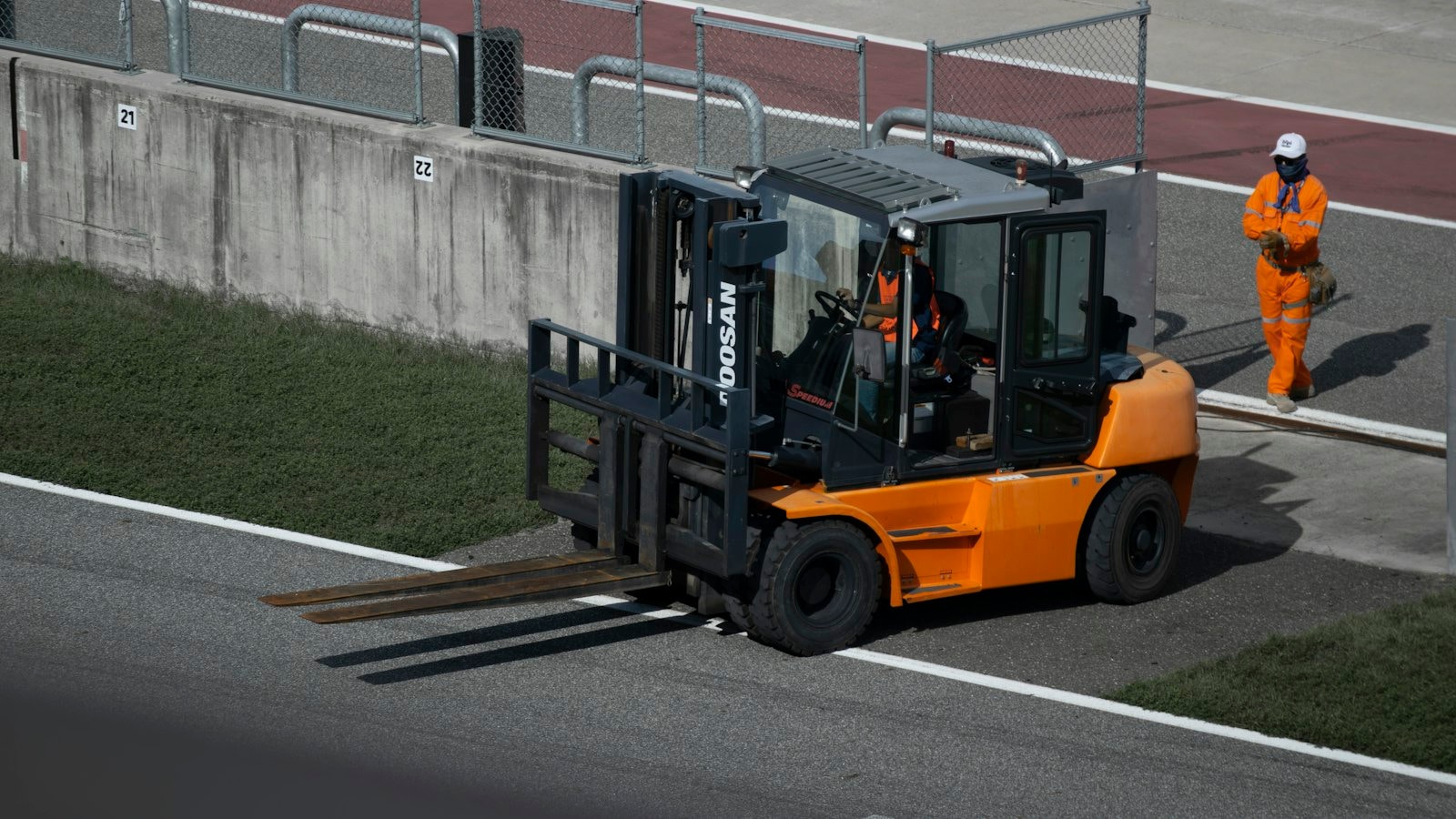
Not every yard owns the right machine for this work. A forklift that is perfect for stacking pallets inside a warehouse can struggle on a gravel yard, and the extra bed height of a full-size pickup asks for more lift and better visibility over the load.
That is where forklift hire in Sydney comes in. Many yards rent machines for busy seasons or for specific jobs, and All Lift Forklifts & Access Equipment is one Rydalmere-based option, with electric, LPG and diesel forklifts, all-terrain models and telehandlers available on short or long-term hire. Adaptalift and Toyota Material Handling Australia are two other well-known names in the Sydney hire market, and many yards compare all three before a busy period.
The choice of machine depends on the yard:
- Electric forklifts suit indoor or covered loading bays where fumes and noise matter.
- LPG and diesel machines handle longer shifts and outdoor work.
- All-terrain forklifts deal with gravel, mud and uneven ground at landscape and building suppliers.
- Telehandlers help when the load has to reach further or higher than a standard mast allows.
How the Load Actually Goes In
Loading a pallet into a full-size bed is slower and more careful than loading a flatbed ute. The higher bed rails and the closed tub change the approach.
First, the driver parks on level ground and drops the tailgate. Most yards load from the rear on full-size trucks because the bed sides are tall, and lifting a pallet over the side puts the load and the paintwork at risk.
Next, the operator checks the pallet against the bed. Australian standard pallets are square, while many American beds are designed around rectangular US pallets. The pallet has to fit between the wheel arches, so a quick look before lifting saves a scratched bed.
Then the forks go in low and level. The operator lifts just enough to clear the tailgate, rolls forward slowly and sets the pallet down as far forward in the bed as possible, close to the cab. That keeps the weight ahead of the rear axle, which helps the truck handle better on the drive home.
Finally, the forks come out cleanly, without dragging the pallet back toward the tailgate. A good operator will lower the tines fully and back straight out.
Restraint Is the Driver’s Job
Once the forklift backs away, responsibility shifts to the driver. An unrestrained pallet in a pickup bed is a hazard the moment the truck brakes hard.
Across Australia, it is illegal to drive a vehicle carrying a load without a restraint system that meets the relevant performance standards, according to the National Transport Commission. Its light vehicle guide is written for utes, vans and trailers, and it applies just as much to a big American pickup.
In practice, that means rated ratchet straps anchored to the bed’s tie-down points, a pallet pushed against the headboard or a load bar, and a check after the first few kilometers. Bagged products and loose items on the pallet should be wrapped or netted so nothing slides off the top.
Common Mistakes at the Loading Bay
Most loading problems come from rushing. A driver who parks on a slope makes the operator’s job harder and the pallet less stable. A bed full of tools, toolboxes or a spare tire leaves no room to slide the pallet forward, so it ends up sitting over the tailgate.
Another common slip is forgetting the tonneau cover or bed rack. Folding covers and high racks can block the mast or the forks. Clear them before arriving, and the job takes minutes instead of turning into a negotiation at the gate.
A Forklift Is Plant, Not Just a Tool
One detail surprises a lot of truck owners. In NSW, forklifts sit inside the vehicle registration system too. Machines up to 4.5 metric tons GVM are counted as light plant, while heavier ones fall into heavy plant, according to Transport for NSW. That’s one reason yards are careful about when, and where, a forklift crosses a public footpath or road to reach a customer’s truck.
Quick Checklist for Pickup Owners
Before heading to the yard, it pays to run through a few basics:
- Know your truck’s GVM and current payload.
- Clear the bed and remove any tonneau cover that would block the forks.
- Bring rated straps and know where the tie-down points are.
- Park on level ground and follow the operator’s directions.
- Stay out of the loading zone until the forklift has backed away.
A full-size pickup can make a great trade vehicle in Sydney. Treat the loading bay with the same care as the drive home, and the pallet, the truck and everyone around it will get there in one piece.