After towing with the 2027 Chevrolet Silverado HD in Tucson, Arizona, I kept thinking about my time behind the wheel of the Ford Super Duty and Ram 2500. All three have diesel power to spare. What sticks with me is how they make the job feel, from steering through a curve to controlling a descent with a trailer pushing behind you.
The Silverado’s lighter steering and easier brake-pedal effort made a strong first impression. The Ram Power Wagon Cummins made a camper trip feel composed, while Ford’s towing technology gave me plenty to appreciate beyond its diesel’s pulling power. Those differences deserve more attention than another torque contest.
These were separate drives, not a back-to-back comparison. My Chevrolet impressions come from the 2027 Silverado 2500 and 3500 HD first-drive event, my Ram observations from a 2027 Power Wagon Cummins camper trip, and my Ford towing experience from the 2023 Super Duty launch. The routes, trailers and conditions differed, so there is no fair MPG, braking-distance or acceleration winner here.
2027 Chevrolet Silverado HD: The controls change the towing experience
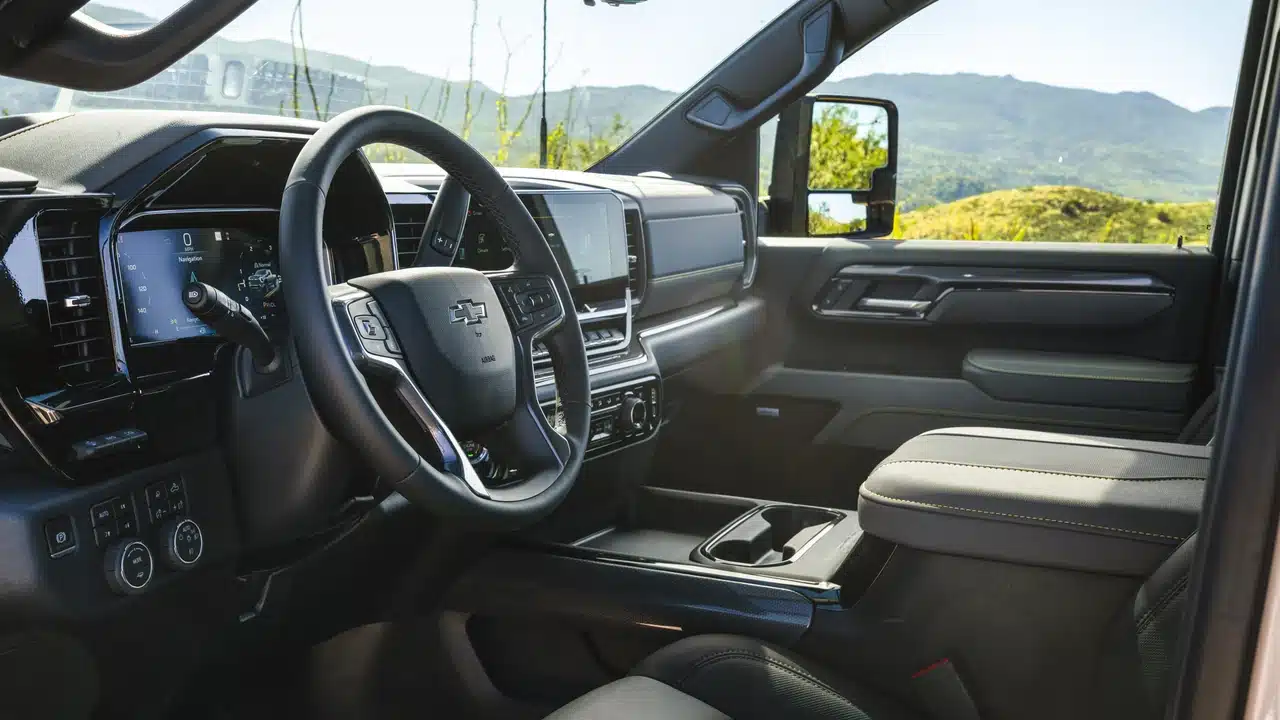
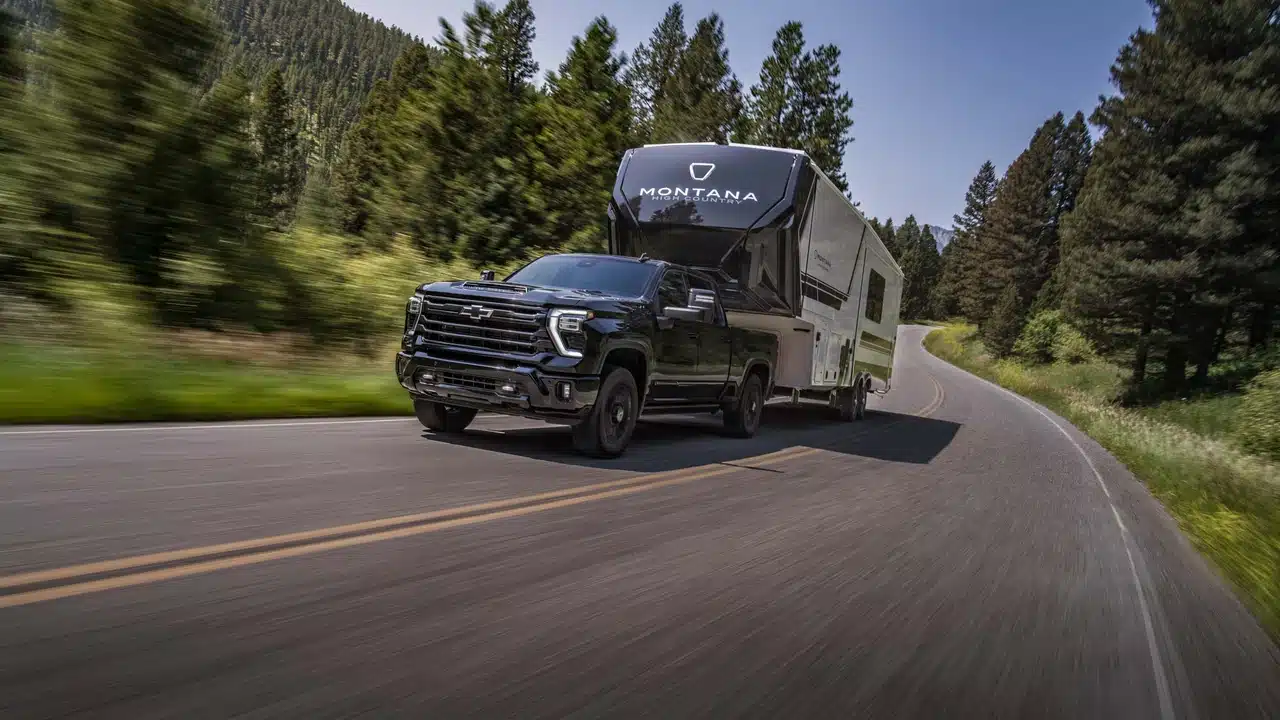
On the Silverado HD camper drive through the Tucson desert, the steering required so little effort that I needed time to adjust. It felt closer to a light-duty truck than the heavier controls I normally associate with an HD pickup. The eBoost brakes also required less pedal effort, with an immediate response.
Those impressions have hardware behind them: electrically assisted rack-and-pinion steering and electronic brake boost. With Tow/Haul mode and the exhaust brake enabled, the camper drive felt relaxed. The truck had plenty of torque uphill, but the easier controls were what I kept returning to.
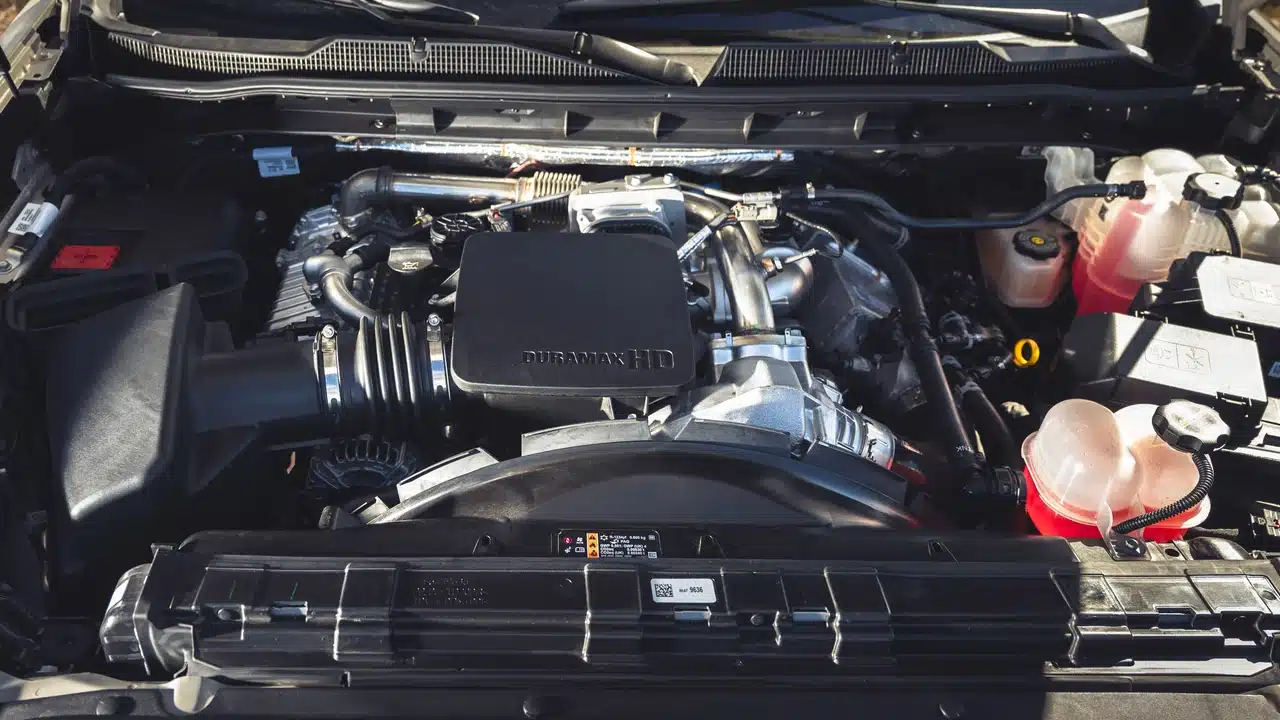
GM’s new 8.3L Duramax diesel, known internally as Mongoose, produces 555 horsepower and 1,230 pound-feet of torque. It is paired with an Allison-branded 10-speed automatic. That wording matters: our previous Allison coverage explains the branding arrangement.
The cabin and exterior have not received a redesign. I also did not independently measure stopping distances, fuel economy or DEF use. What I can say is that the steering, brakes and low-end pull made this first drive feel easier than I expected.
2027 Ram 2500 Power Wagon Cummins: A camper trip with useful answers
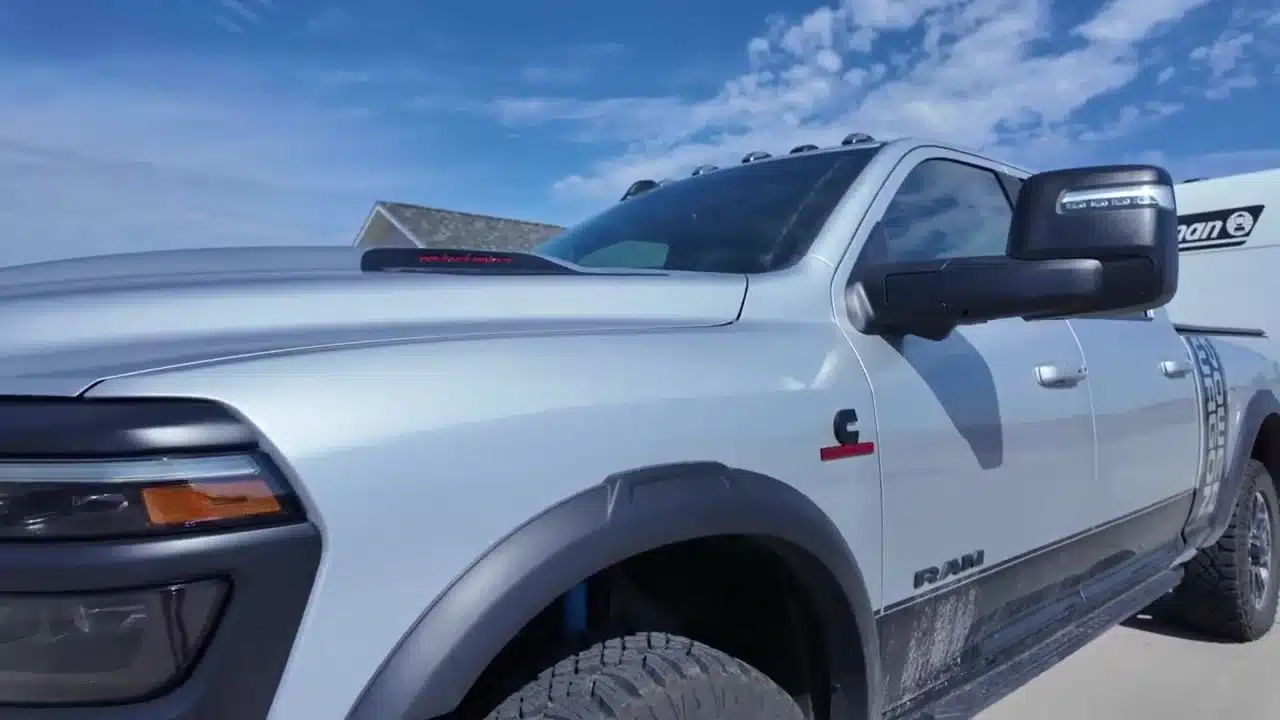
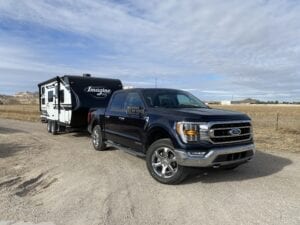
My Power Wagon towing test covered 239.8 miles through Nebraska and Wyoming with a 30-foot Coleman travel trailer. Its unloaded weight was 5,290 pounds; with water and our gear, I estimated the traveling weight at roughly 7,000 pounds.
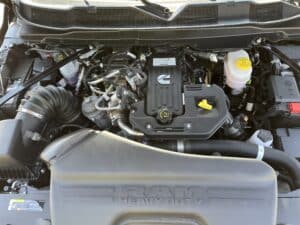
This was the Cummins-powered 2027 truck, not an older gasoline Power Wagon. The high-output 6.7L turbo-diesel makes 430 horsepower and 1,075 pound-feet of torque, paired with the TorqueFlite HD eight-speed automatic.
The trailer did not push the truck around, acceleration felt easy and the combination remained planted at highway speeds. The transmission did not hunt for gears on the hills. Coming downhill, the gear limiter and exhaust brake helped hold speed without constant brake-pedal input.
It was not a trouble-free trip. Uconnect froze and required a hard reset, navigation could feel slow, and I wanted the towing mirrors to extend farther for that trailer. Those are useful owner-facing observations on a truck with a sticker around $103,000. Strong towing manners do not make the everyday frustrations disappear.
2023 Ford Super Duty: Towing technology still stands out
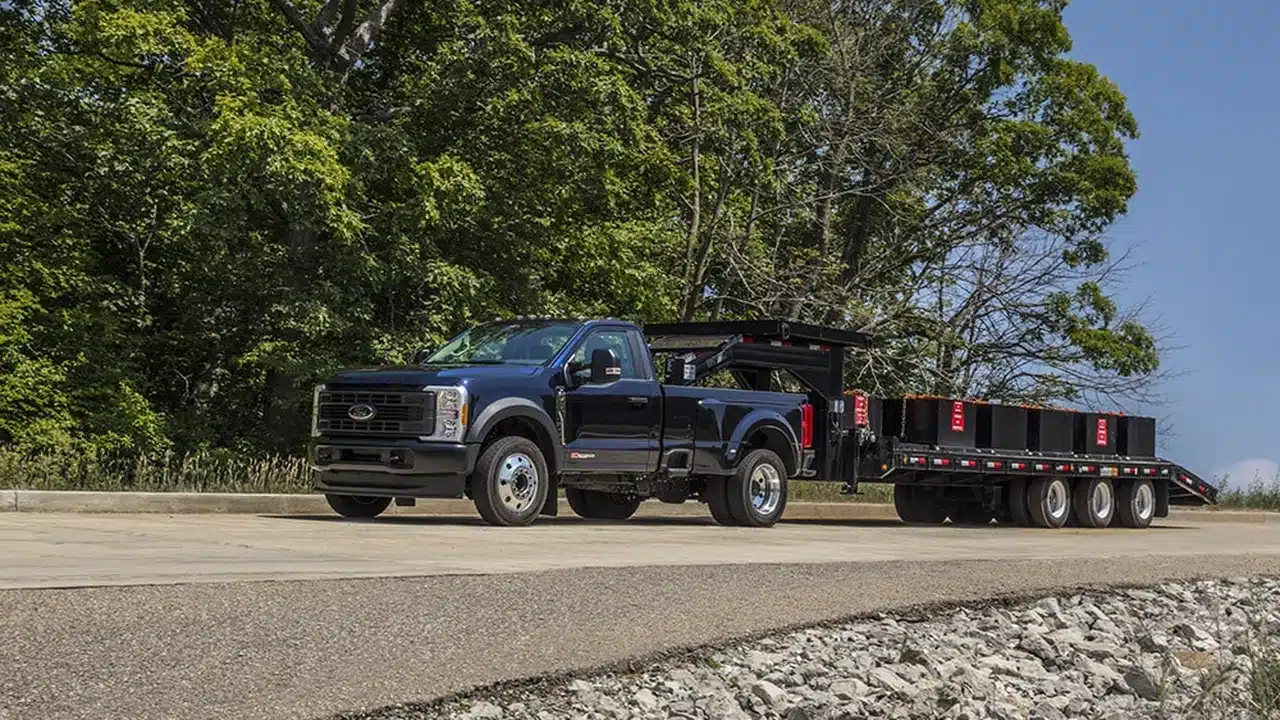
My 2023 Super Duty first drive took place at Ford’s proving grounds. The high-output 6.7L Power Stroke diesel’s 1,200 pound-feet of torque got a serious workout on the grades. Descending mattered just as much as climbing: the exhaust brake was loud, and the truck came to a composed stop.
The heaviest towing exercise was demanding and noisy. A separate box-trailer drive was much easier. That distinction is important when putting it next to the Ram camper trip or Chevrolet’s desert drive. A different trailer can change the experience considerably.
Ford’s technology was the bigger takeaway for me. The tailgate-down camera and sensors addressed a real visibility problem. Hitch assistance helped position the ball beneath the trailer, while trailer settings included useful maintenance reminders. Those are features you can appreciate before the truck ever climbs a steep grade.
What I would put on the shopping list
From these experiences, the Chevrolet deserves attention for its lighter steering and easier braking. The Ram Power Wagon Cummins demonstrated calm camper-towing manners while retaining its off-road focus, with some cabin and technology compromises. Ford’s trailer-assistance features remain a strong reason to spend time trying the controls rather than just reading the brochure.
I would start with the trailer and the exact truck’s payload label, then work through the cab, bed, hitch and equipment needed for the job. A lineup’s maximum tow rating is not the rating of every truck wearing that badge. Passengers, cargo and tongue or pin weight still have to fit.
There is no honest overall winner from three different tests. What I have are specific reasons to put each truck on a shopping list and specific things to check on a test drive. For me, the Silverado HD’s biggest surprise was how much the steering and brakes changed the experience. That is what I would want a Ford or Ram owner to try for themselves.