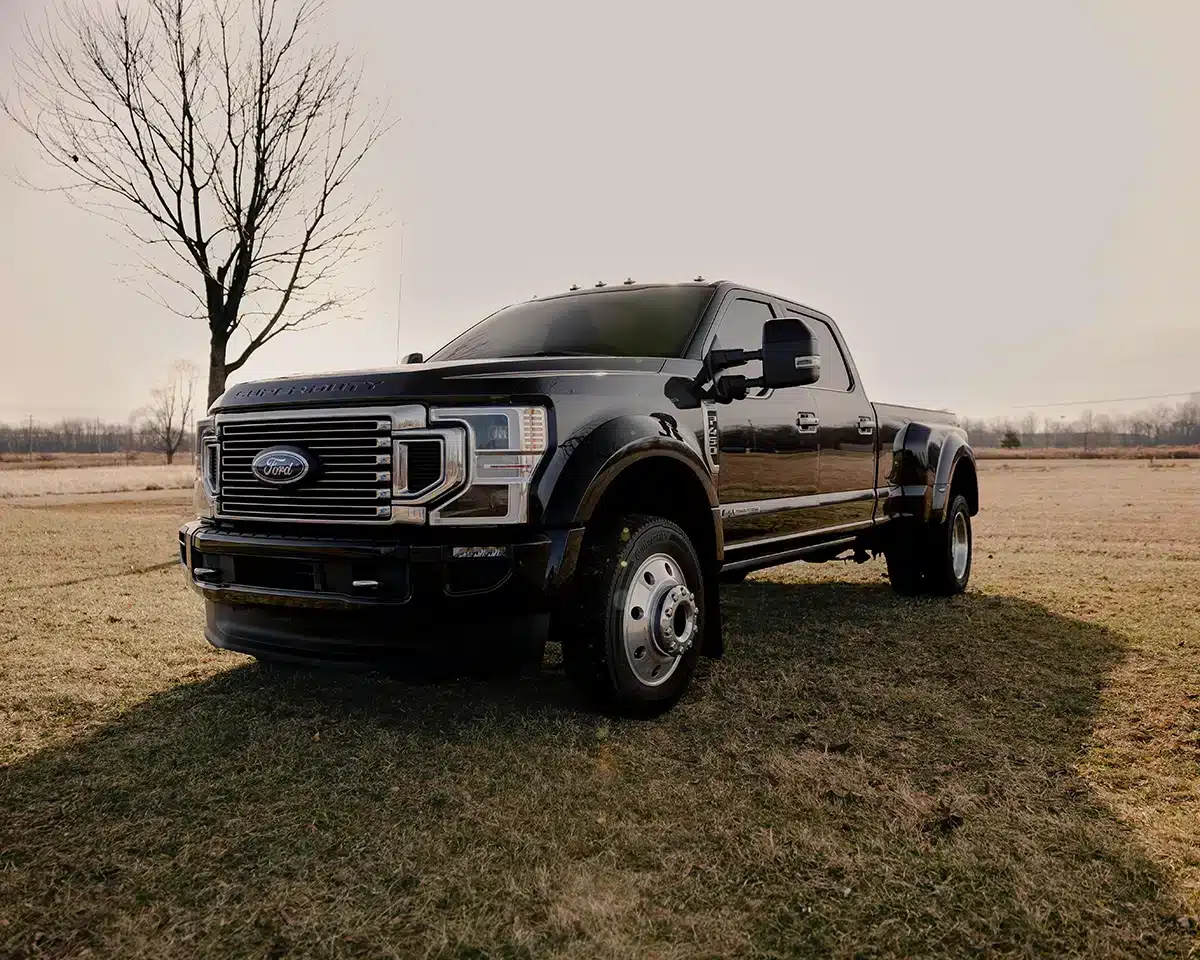
A replacement pickup can look affordable when the discussion stays on the monthly payment. The calculation changes once you include what is still owed on the current truck, what you will actually receive for it, the equipment that must be replaced, and the days when you may need another way to work.
Before shopping seriously, build an exit budget for the truck you have and an entry budget for the one you want. The useful question is not simply whether you can get a good selling price. It is whether the whole change solves a real need at a cost your household or business can carry.
Identify the job the replacement must do
Write down why the present truck no longer works: cab space, a changed commute, regular towing, running costs, or reliability concerns that need professional assessment. Separate a recurring requirement from equipment you would enjoy having.
For towing or load requirements, use the documentation for the exact vehicle and configuration. A larger badge, a different suspension setup, or an attractive appearance does not establish that a truck has the capacity you need. Check the applicable ratings and the weight of passengers and equipment before treating an upgrade as a solution.
Keep that requirement beside the budget. Otherwise, it is easy to spend more on a different truck and discover that the original problem remains.
Start the selling calculation with what you will keep
Ask the lender for a current payoff figure if the existing truck is financed. An old statement balance is not enough to plan the settlement. Then compare realistic written offers with the payoff and the transaction costs you would actually pay.
If the amount owed is higher than the proceeds, the difference needs funding. Rolling it into another loan may change when you pay it, but it does not remove it. Keep the shortfall visible instead of hiding it inside a more attractive monthly payment.
Use a simple worksheet for each serious offer. Do not count an estimate as money available for a deposit, and do not treat an asking price in somebody else’s listing as an offer for your truck.
| Part of the change | What to establish |
|---|---|
| Current-truck offer | Written amount, evidence stage, expiry and remaining conditions |
| Loan payoff | Current settlement figure and the lender’s instructions |
| Selling costs | Fees, delivery, inspection or other costs payable by you |
| Cash released or shortfall | What remains after settlement, or what you still need to fund |
| Replacement costs | Purchase, borrowing, insurance, registration and immediate work |
| Transition costs | Transport gap, overlapping commitments and equipment changes |
Make the price goal a fair comparison
A note such as “sell my car online best price” needs a practical definition: the strongest workable net result for the same vehicle, not the largest number shown before conditions and costs. Bidbus is one dealer-auction marketplace to compare with direct dealer offers or a private sale; confirm coverage and vehicle eligibility before including it among your available choices.
Give each potential buyer the same mileage, configuration, condition information, and equipment list. Record whether the number is an estimate, a conditional offer, or an amount supported by completed checks. Competition can reveal interest, but it is not evidence that one channel will always pay more.
Read the commitment rules before listing or authorizing an auction. The point at which you become bound may be earlier than handover, so do not enter conflicting agreements while collecting comparisons.
Keep the trade-in and replacement price separate
A trade-in may simplify the handover, but ask for the replacement price, the trade-in allowance, and the finance terms separately. You need to see whether an apparently generous allowance is offset somewhere else in the deal.
Compare the total amount borrowed, interest rate, term, and total repayable. A payment that fits this month can still make the overall change expensive if it extends the debt for much longer.
Get an insurance quote for the particular replacement and identify servicing or tires due soon. Keep uncertain costs as unanswered questions until you have a reasonable basis for them; a blank space is not the same as a zero.
Account for equipment and time off the road
Decide which removable accessories stay with the current truck. Check whether a bed cover, tool storage, rack, or other equipment actually fits the replacement before assuming you can transfer it. Price any necessary fitting work and keep the two vehicles’ included equipment clear in writing.
If the truck supports paid work, plan around the real collection dates rather than optimistic estimates. Confirm whether you can postpone the old truck’s handover or arrange suitable temporary transport if the replacement is delayed. A cheap rental that cannot do the required job is not an adequate backup.
Set a walk-away point before negotiating
Choose a maximum total changeover cost and an acceptable transport gap. Those limits should reflect your finances and the job the truck must do, not the pressure of a salesperson’s deadline.
If the current truck remains suitable, keeping it while you save or clarify a requirement can be a reasonable result. If it needs replacing, the budget gives you a way to choose deliberately: a documented exit, a replacement that fits the job, and a transition you can afford.