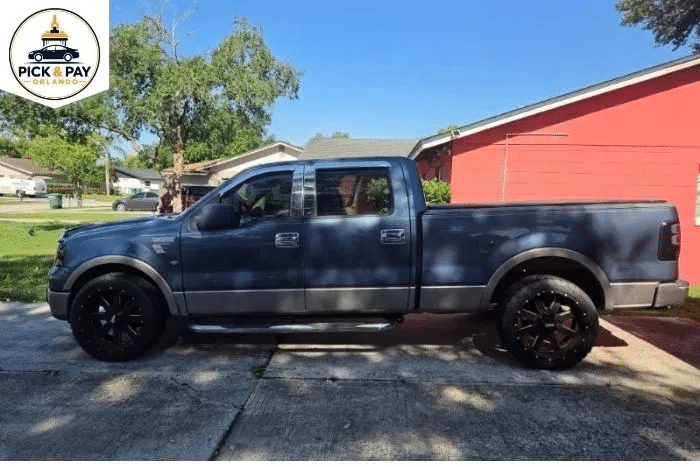
Every neighborhood in Orlando has one somewhere – a car parked at the curb or tucked behind a garage that hasn’t moved in months. The tag’s expired, a tire’s gone flat, maybe the hood’s been up more times than anyone can count trying to figure out why it won’t turn over anymore. At some point the question stops being “how do I fix this” and turns into “how do I get this thing out of my life.” That’s the exact moment this guide is for.
What Actually Makes a Car “Junk”
People tend to picture something crushed and rusted, missing a door, sitting on cinder blocks. Realistically, that’s not the bar. A car earns the “junk” label the second fixing it costs more than it’s worth, or the second you just don’t want to look at it anymore.
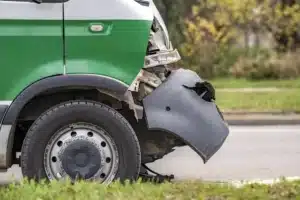
Think about a Camry with a cracked engine block. A pickup that got rear-ended and was never repaired. A sedan pushing 240,000 miles with an exhaust leak that’s been “on the list” for a year. A minivan that couldn’t pass inspection the last two times you tried. Every one of those is a normal, everyday candidate for a cash sale – not some rare exception.
So whether your car feels “too rough” to bother with or you assumed it wasn’t rough enough to qualify, both of those assumptions usually turn out wrong.
Why You Landed Here
If you typed something like cash for junk cars Orlando, we buy junk cars Orlando FL, or junk car removal Orlando Florida into a search bar, you weren’t browsing for fun. You’ve got a vehicle taking up space, draining money, or just sitting there as a reminder of something you’d rather deal with and move past.
Doesn’t matter which exact phrase brought you here – sell junk car Orlando, junk car buyers Orlando, cash for cars Orlando Florida – the goal underneath all of it is the same. Get it gone, get paid, skip the drama.
Why the DIY Route Rarely Works Out
It’s worth explaining why so many people end up frustrated before they find a direct buyer.
Posting on Facebook Marketplace means photographing a car you’re not exactly proud of, writing something that makes it sound decent, and then answering the same three questions from a dozen different strangers. Half of them ghost after saying they’re “definitely coming Saturday.” The ones who actually show up usually try knocking the price down the second they see it in person.
A dealership won’t even glance at a non-running car unless you’re buying something from their lot, and even then, whatever “credit” they offer barely makes a dent. Scrap yards will haul it off, sure, but they’re paying by the pound for metal – nowhere close to what the car’s actually worth once you count the parts still in decent shape.
None of these routes are quick, and none of them are particularly fair to the person trying to get rid of the car.
How Selling It Actually Goes
Here’s the shortened version of what happens once you decide to sell:
You share the basics first – year, make, model, mileage, and a plain description of what’s wrong with it, if anything. This isn’t a formal inspection. Just describe it the way you would to a friend.
An offer usually comes back fast, built around what you described and what similar vehicles are worth right now. Hearing the number doesn’t commit you to anything.
If the offer works for you, pick whatever time actually fits your day. Mornings, nights, weekends – scheduling doesn’t run on a 9-to-5 clock here.
Someone comes out, looks the car over, and pays you before it even leaves your property. No mailed check. No “give it a week.”
That’s the whole thing, start to finish. No listing to babysit, no strangers to argue price with, no separate tow bill eating into what you’d have made.
Every Make, Every Model, Any Shape It’s In
A question that comes up constantly: does the brand or model even matter? Not really. Whether it’s a Honda, a Ford, a Chevy, a Toyota, a BMW, or something nobody’s heard of in years, the offer comes down to condition and what’s still usable inside it – not the logo on the grille.
This type of vehicle doesn’t narrow things down much either. Sedans, SUVs, pickups, minivans, and even some commercial vehicles all get looked at. High mileage isn’t automatically a dealbreaker – cars well past 150,000 or even 200,000 miles get bought regularly.
Situations that still qualify for an offer include:
- Won’t start no matter what you try
- Engine or transmission is done for good
- Wrecked and not worth fixing
- Failed inspection or emissions
- Heavy rust or serious body damage
- Missing parts, catalytic converter included
- Hasn’t moved in months, maybe years
- Damaged by flooding or a past storm
If you’ve been assuming your car’s too far gone to bother selling, it’s probably not. Most of what people think rules a car out doesn’t actually do that.
Missing the Title? Keep Reading
This trips up more people than almost anything else – the title’s lost, never existed in the first place, or it’s stuck in some kind of paperwork limbo. None of that automatically ends the conversation.
There are usually paths around it, whether that’s requesting a replacement through the Florida DMV or working things out with alternative proof of ownership. Instead of assuming the missing title kills the deal, it’s worth just asking. More often than not, there’s a way through it.
Why Round-the-Clock Availability Actually Helps
It sounds small, but being reachable at any hour changes a lot for someone trying to sell a car. Not everyone’s off work by 5pm. Some people only get a free hour after the kids are asleep. Some just want the car handled immediately, not three days from now.
Being able to send a message at midnight, or call on a Sunday morning, and actually get a real response removes a huge chunk of the usual hassle. If the car’s blocking a driveway or eating up space you desperately need back, there’s no reason to sit around waiting on someone’s business hours.
Serving Orlando and the Areas Around It
Orlando’s the center of it, but this typically stretches out to nearby communities across Central Florida too. Whether the car’s sitting in downtown Orlando, out toward Kissimmee, up near Sanford, or somewhere in between, the process doesn’t change – reach out, hear an offer, set a pickup time, get paid.
A Little Prep Goes a Long Way
If you want the sale to move as fast as possible once you’re ready:
Dig up the title or registration paperwork if you’ve still got it, even old or outdated. Clear anything personal out of the car – people leave things in the glovebox or trunk far more often than you’d expect. Mention any known problems before pickup instead of letting them get discovered on the spot; it just speeds things up. And keep a valid photo ID handy, since ownership usually needs confirming before payment happens.
None of this takes long, but it does make pickup day smoother.
Common Questions
Does my car need to run for you to buy it?
No. Plenty of non-running vehicles, including ones with serious mechanical failure, get purchased regularly.
How soon can pickup happen?
Often the same day, depending on where you are and when you’re free. Since scheduling runs 24/7, there’s no need to wait for normal business hours.
Am I paying for towing?
Typically no – towing is usually built into the pickup itself.
What if I lost the title a long time ago?
Common problem, and it usually doesn’t block the sale. There are ways to work around missing paperwork.
Does the brand matter for the offer?
Not much. Condition and remaining parts value carry more weight than the badge on the car.
Will a failed inspection or heavy rust stop the sale?
No, neither one typically disqualifies a car.
Can I get a quote without committing to anything?
Yes. Hearing an offer doesn’t obligate you to accept it.
What areas does this cover outside Orlando itself?
The surrounding Central Florida communities are generally included as well.