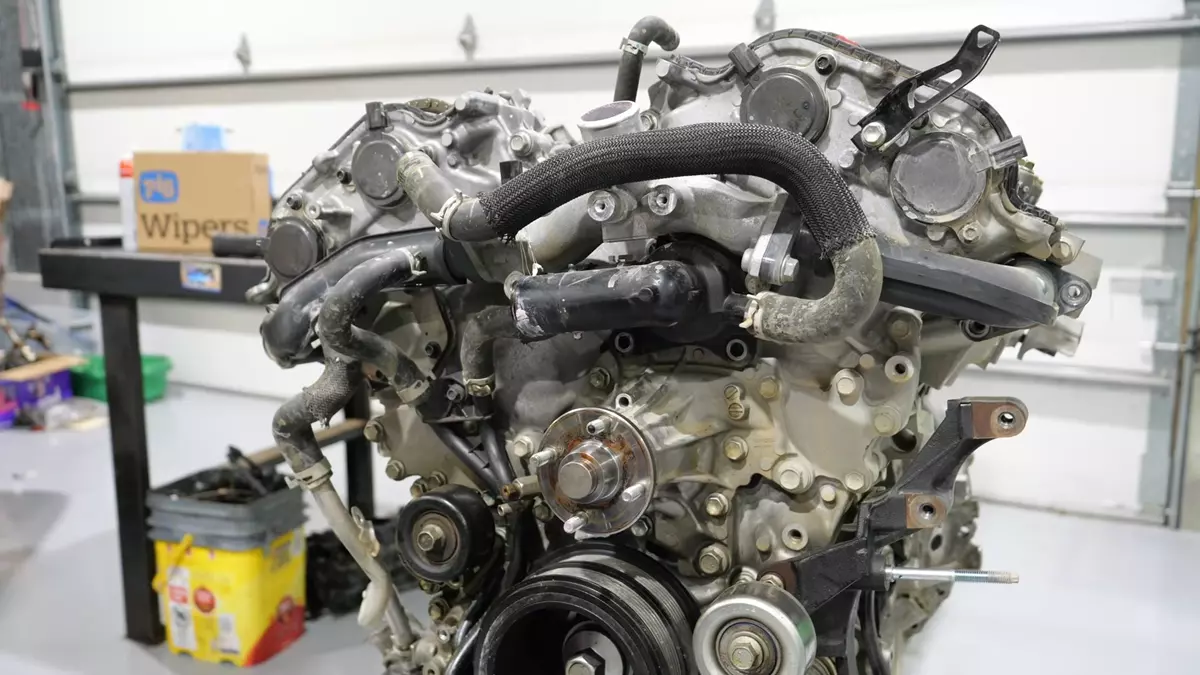
Toyota’s V35A engine has become closely associated with catastrophic bearing failures. The reason, Toyota says, is from engine swarf, the debris left behind after manufacturing the engine block. A new teardown suggests that simply replacing the engine may not solve the problem and that Toyota’s Tundra recall may have a whole new issue happening.
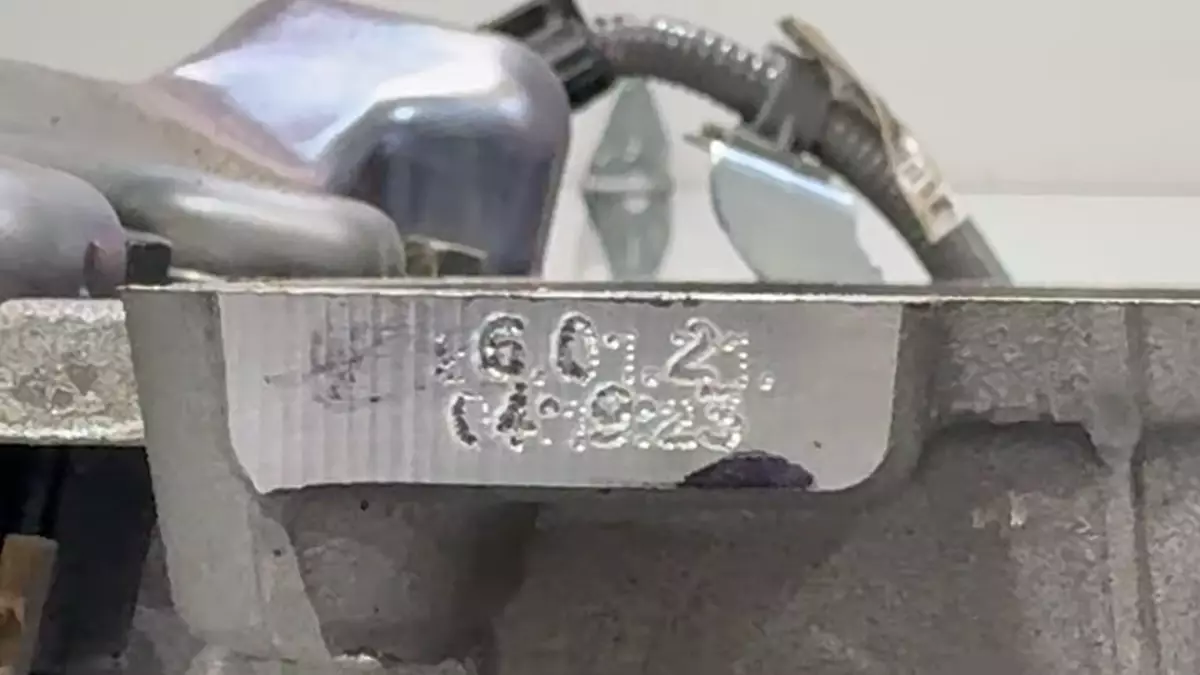
In this I Do Cars teardown, a replacement engine from a 2022 Tundra with about 64,000 miles is examined piece by piece. The biggest surprise comes early: despite being installed in a 2022 truck, the engine appears to have been manufactured in January of 2026. Multiple components, starting with timing guides and including the oil pump, intake components, oil pan, and more carry 2025–2026 date codes. The engine itself looks brand new with very few miles on it. It was clearly a replacement.
That Makes This Engine’s Failure Interesting
The replacement engine initially looks almost perfect. The oil pump, turbochargers, cylinder heads, pistons, cylinder walls, camshafts, and timing components are remarkably clean. There is little evidence of any kind of poor maintenance, overheating, or obvious abuse. The engine even appears to have relatively little run time.
Nothing in the upper end of the engine shows debris (aka “the forbidden glitter”) or abnormal wear. The oil still coating components is clean and clear, surfaces are unmarred and without tell-tale signs of overheating, and the gaskets are very fresh and almost new.
The timing components tell the same story: new chains, factory seals on the covers, an unmarred water pump, and date stamps all pointing to a brand new build.
Things Glitter Up At the Bottom End
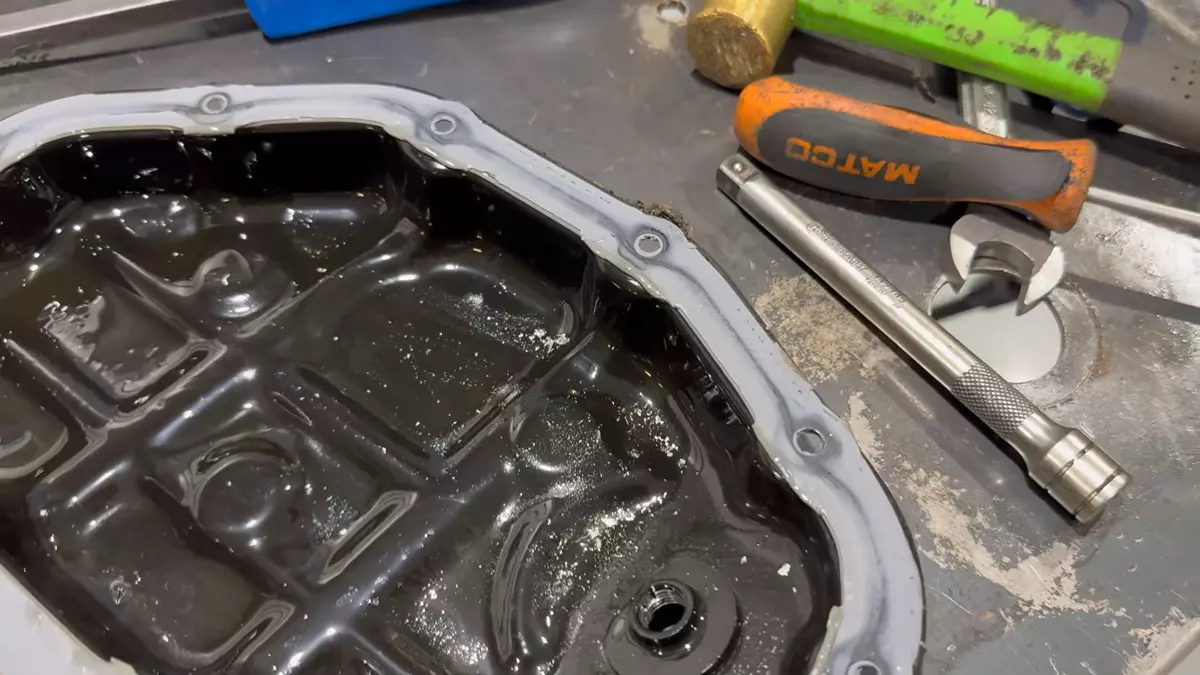
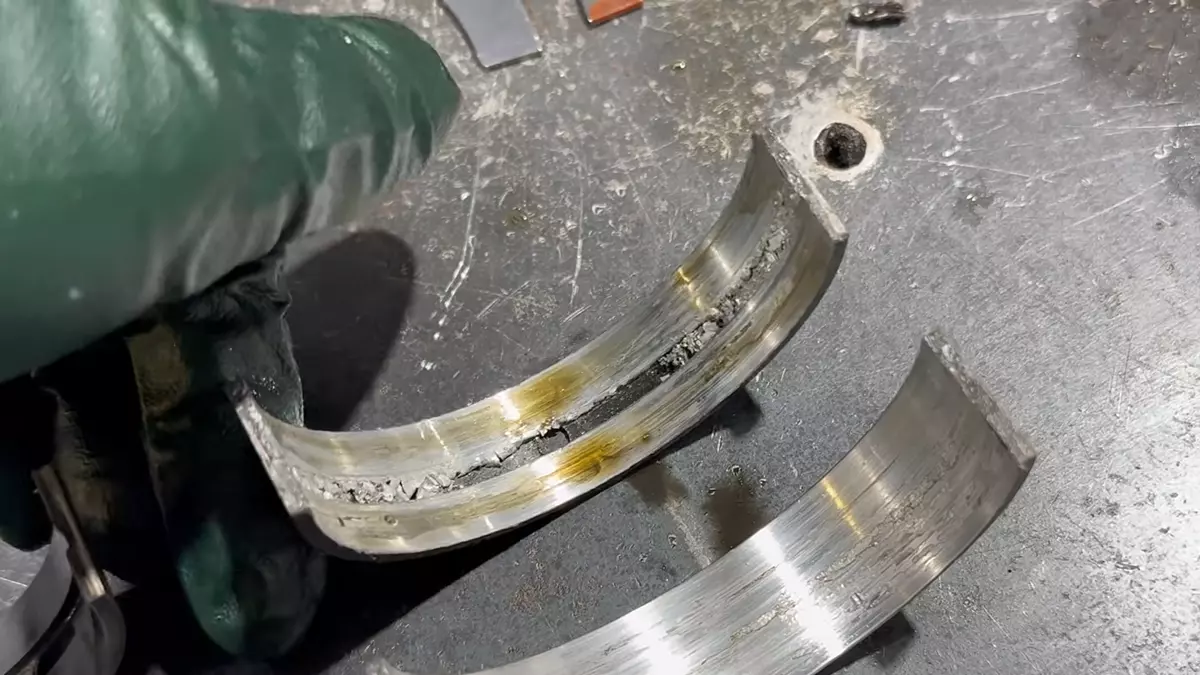
Once the upper portion of the engine is off and it’s flipped over to begin work on the short block, though, things get sparkly. The lower oil pan contains metallic debris, and eventually the crankshaft and main bearings reveal the culprit. The No. 3 main bearing has spun. The bearing and its journal show severe damage, while most of the other engine components remain remarkably clean.
This distinction matters. Toyota has attributed V35A failures to machining debris left inside engines, with an updated front bearing intended to improve the situation. But the teardown raises a difficult question: is the debris actually the cause of the failure, or is much of it created after a bearing has already spun?
The fact that this engine appears to be a 2026 replacement makes that question even more significant. If the updated engine still suffers a fundamental failure, the fix may not address the underlying weakness.
This May Be a New Fundamental Issue
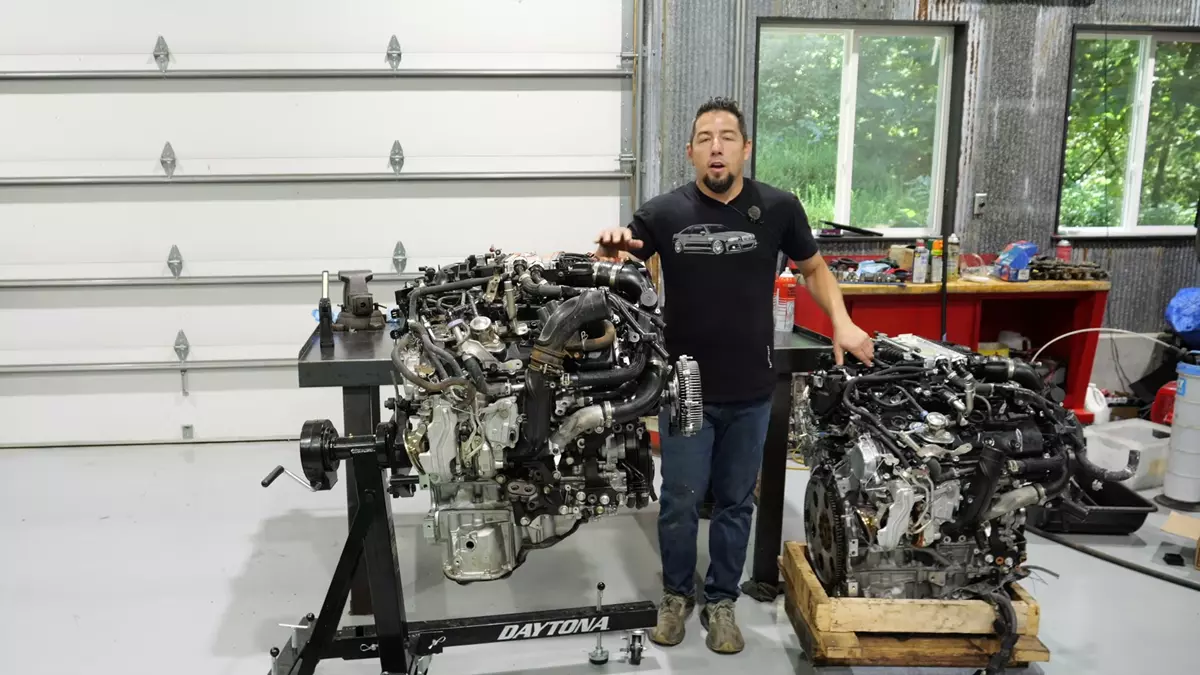
This engine may not be a one-off problem. Eric at I Do Cars does something unusual for him, showing a future teardown engine that is, you guessed it, another V35A post-recall replacement engine.
The other engine, manufactured in September 2025, is reportedly completely locked up. That provides another reason to question whether replacement engines have genuinely eliminated the problem.
None of this proves that every V35A will fail. The teardown is a small sample, and the investigator himself acknowledges that other factors could potentially contribute to an individual failure. But it does undermine the comforting assumption that receiving a replacement engine automatically means the problem is permanently behind you.
Did Toyota Create a New Problem?
Toyota’s reputation for durability makes the situation particularly disappointing. As the teardown concludes, the real question is no longer simply why did these early engines fail? It is whether Toyota’s subsequent revisions actually fixed the underlying problem or merely change one part of a larger equation.
For owners, the answer may ultimately come only with time and many more miles.