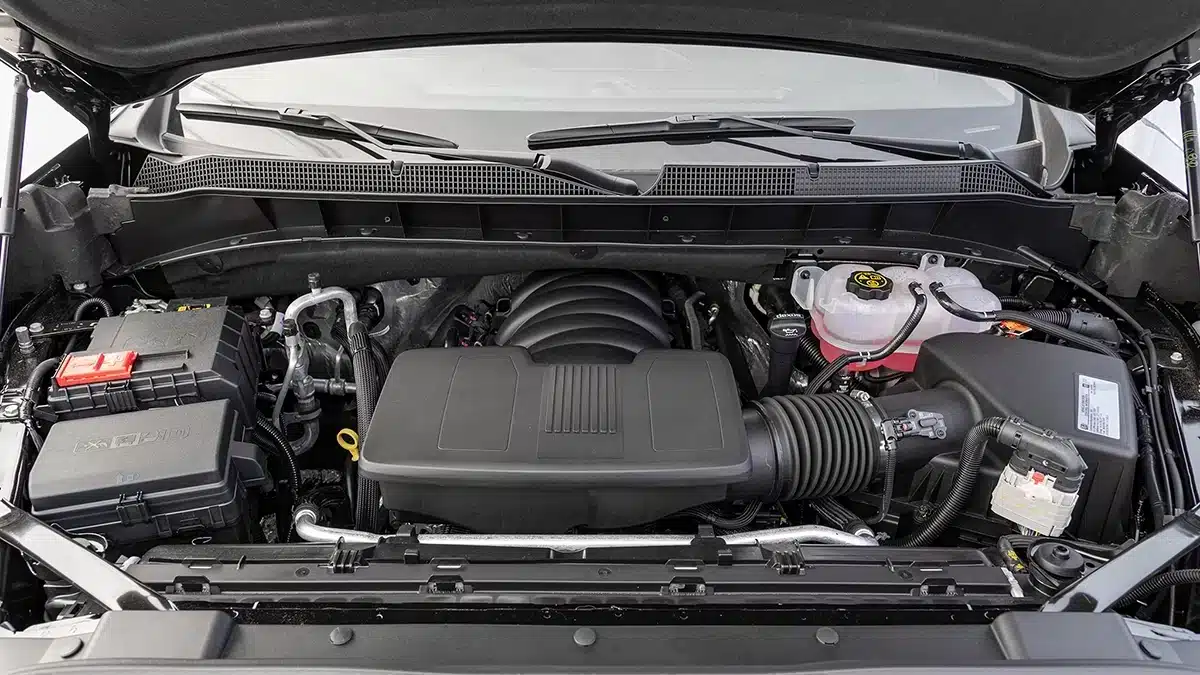
GM 6.2L V8 engine failures are back under federal scrutiny, and this time the investigation is looking directly at whether General Motors’ original recall fix is working.
The National Highway Traffic Safety Administration has escalated its review of the L87 6.2-liter V8 after receiving hundreds of reports involving engines that failed after owners had already completed GM’s recall remedy. The investigation now covers an estimated 997,743 2021-2026 model-year trucks and SUVs.
The most important development isn’t simply the larger vehicle count. Federal investigators are now examining both post-remedy engine failures and failures involving engines produced after the manufacturing cutoff used for GM’s original recall.
Hundreds of engines reportedly failed after GM’s recall remedy
According to the newly expanded federal investigation, NHTSA has received 499 reports of engine failure after the recall remedy was completed.
Of those reports, 473 involved vehicles that received the oil-related remedy. Another 26 reportedly involved vehicles that had received replacement engines.
That distinction matters because GM’s original recall procedure was not simply an oil change. Dealers were instructed to inspect affected engines. Engines that failed the inspection were replaced, while engines that passed received 0W-40 engine oil in place of the previously specified 0W-20, along with the corresponding filter and oil-fill cap changes.
NHTSA opened a Recall Query in January 2026 specifically to evaluate whether that remedy was adequate. The latest action moves the issue deeper into the federal investigative process.
The broader L87 engine probe is now in the Engineering Analysis phase, giving NHTSA a more detailed path to evaluate whether the recall population or remedy needs to change. GM-Trucks.com has detailed the significance of that step.
2025-2026 GM 6.2L V8 engines are now part of the investigation
GM’s April 2025 recall covered L87 engines manufactured during a suspect production period from March 1, 2021, through May 31, 2024. GM said its investigation identified supplier manufacturing and quality problems involving connecting rods, crankshaft oil galleries and crankshaft dimensions or surface finish.
At the time, GM said vehicles outside that production window were not included in the recall. Now NHTSA is looking beyond it.
Federal investigators have identified reports involving L87 engine failures in engines manufactured after the May 31, 2024 cutoff. That brings certain 2025 and 2026 model-year vehicles into the scope of the investigation.
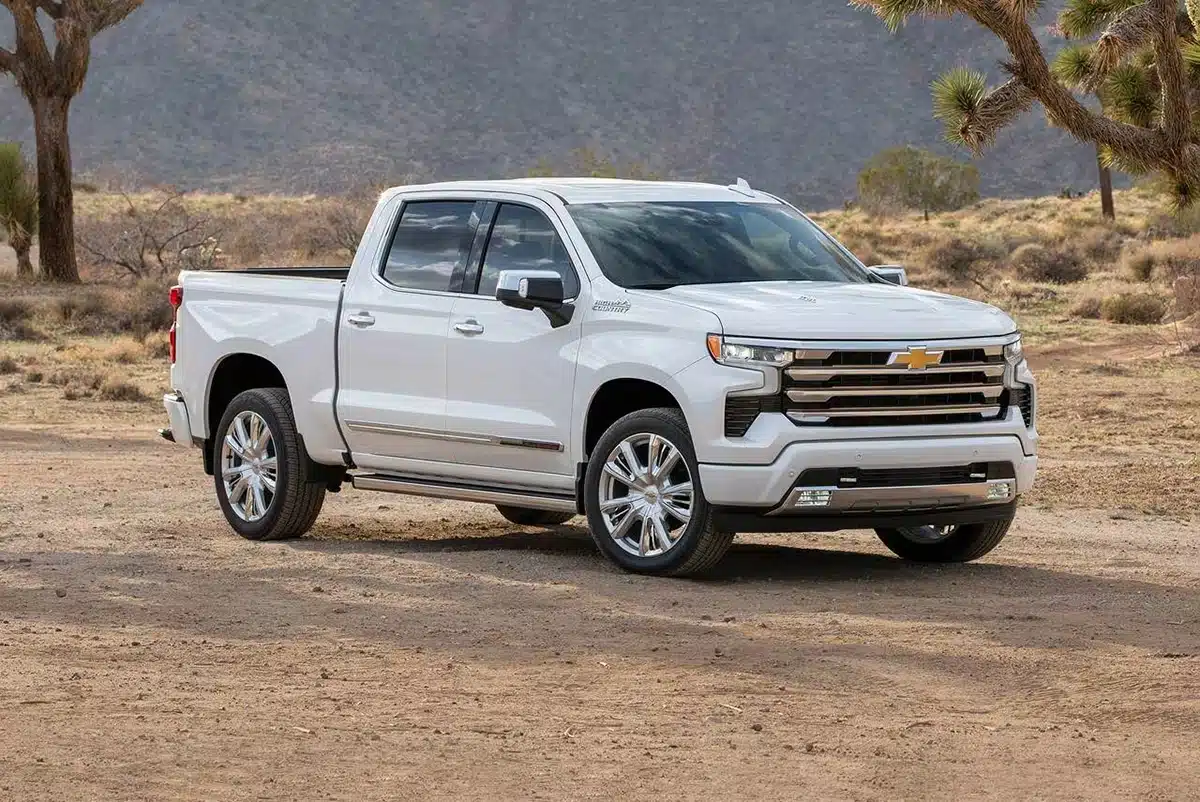
The vehicle population includes Chevrolet Silverado 1500, Tahoe and Suburban models, GMC Sierra 1500, Yukon and Yukon XL models, and Cadillac Escalade and Escalade ESV models equipped with the L87.
This does not mean every 2025 or 2026 GM 6.2L V8 is defective, nor has GM announced a new recall covering all of those vehicles. It means regulators are investigating whether the failure population extends beyond the manufacturing window GM originally identified.
Why the 0W-40 oil fix is getting another look
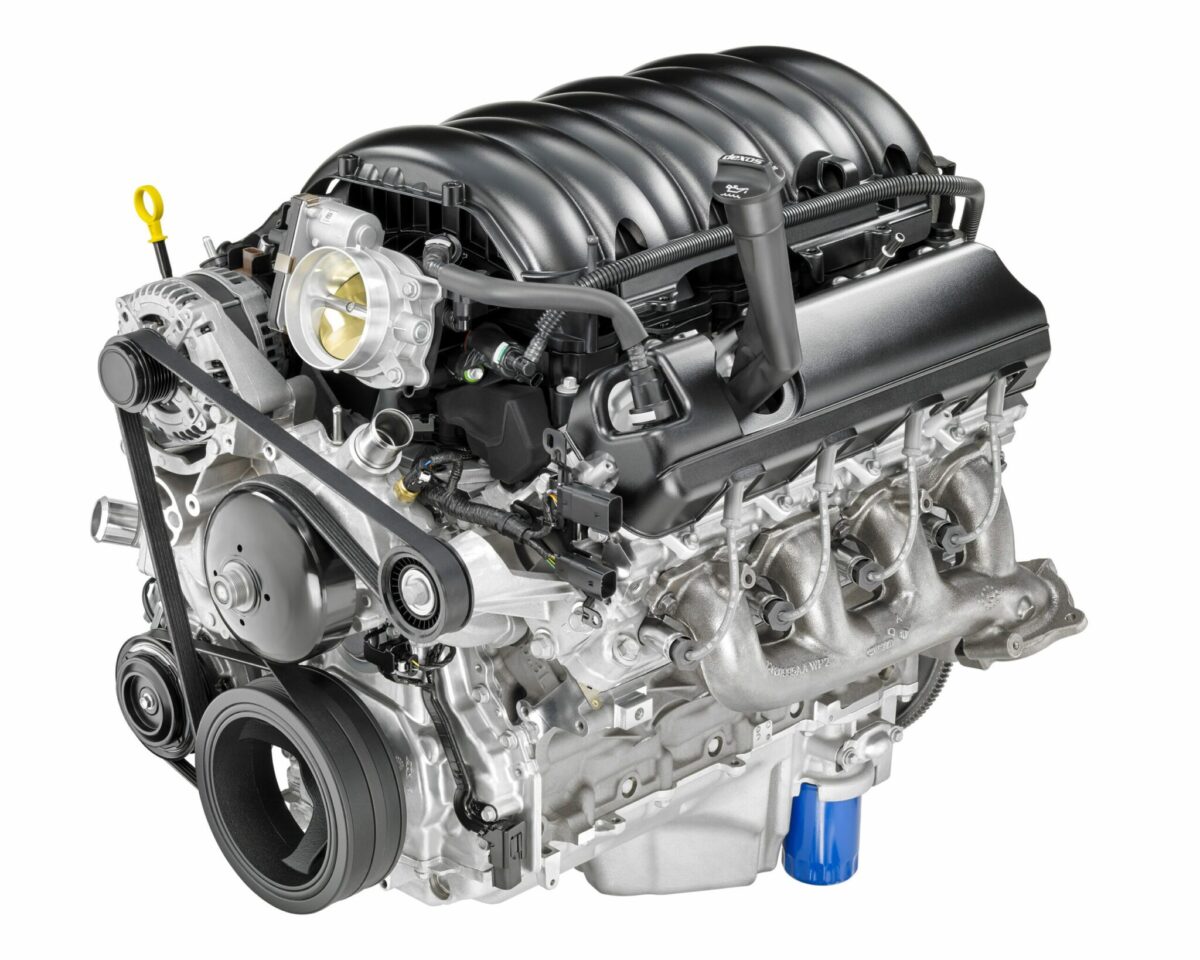
The switch to 0W-40 oil generated plenty of attention when GM announced its recall remedy, but the key question is not simply whether a heavier-viscosity oil offers more protection.
The recall process was supposed to separate engines needing replacement from those that could remain in service. If an engine passed the inspection, GM determined it could continue operating with 0W-40 oil.
The reports now being reviewed by NHTSA raise a more fundamental question: Does the inspection reliably identify engines that are already damaged or likely to fail?
The reported failures involving replacement engines create another issue for investigators to examine. Regulators will have to determine why those engines failed and whether the failures are related to the same defect that prompted the original recall.
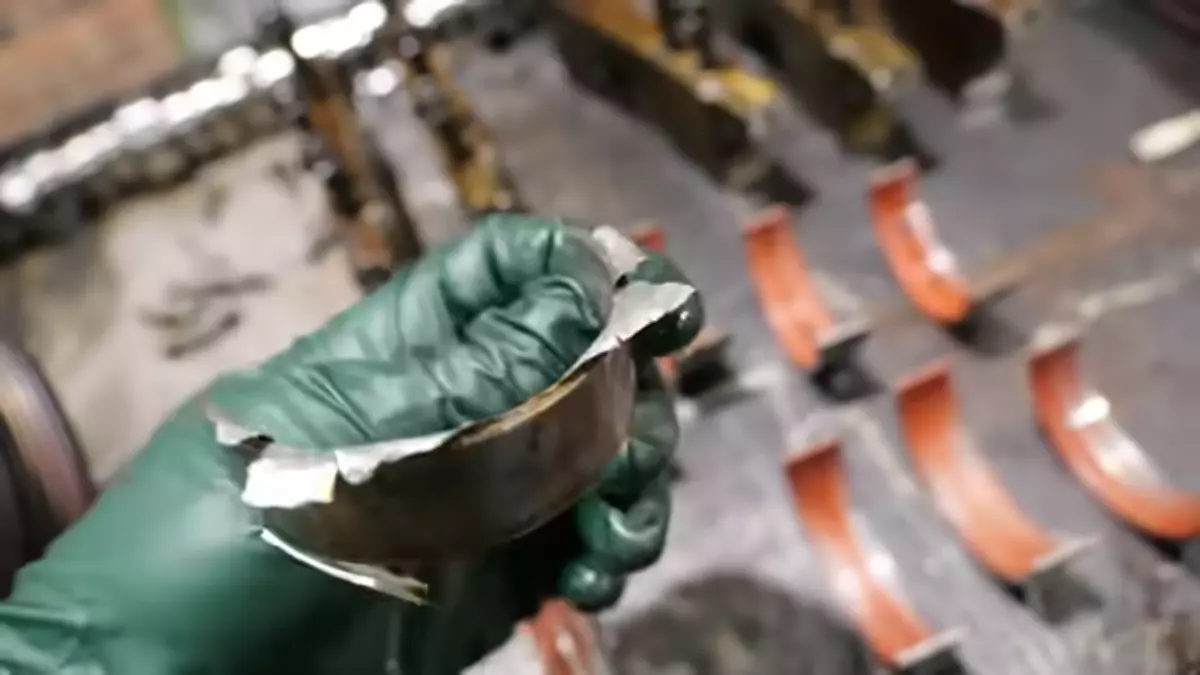
GM’s original defect filing with NHTSA attributed the failures to supplier manufacturing and quality issues, including bearing damage caused by sediment in connecting rods and crankshaft oil galleries and crankshafts that were out of specification.
What GM 6.2L V8 owners should know

For owners, the biggest point is that this is an investigation, not a new recall.
Owners whose vehicles are already covered by the existing recall should continue to follow GM’s recall instructions and specified maintenance requirements. Owners of 2025 and 2026 vehicles should not assume their engines will fail simply because those model years are now included in the investigation.
However, anyone who experiences an L87 engine failure should keep detailed records, including recall repair orders, maintenance receipts, engine replacement paperwork and the mileage when the repair and failure occurred. Owners can also submit a complaint directly to NHTSA.
The bottom line

This investigation has now moved well beyond the question of whether GM had a bad batch of 6.2L V8 engines during a specific production period.
NHTSA is examining whether GM’s original remedy adequately prevents additional failures and whether similar engine failures are occurring in later-production L87 engines that were not part of the original recall.
That makes the next stage particularly important. If regulators conclude the existing remedy or recall population is inadequate, GM could ultimately be required to revise the repair procedure, expand the recall or take additional action.
For now, the federal investigation into GM’s 6.2L V8 engine problems is clearly getting broader, not smaller.