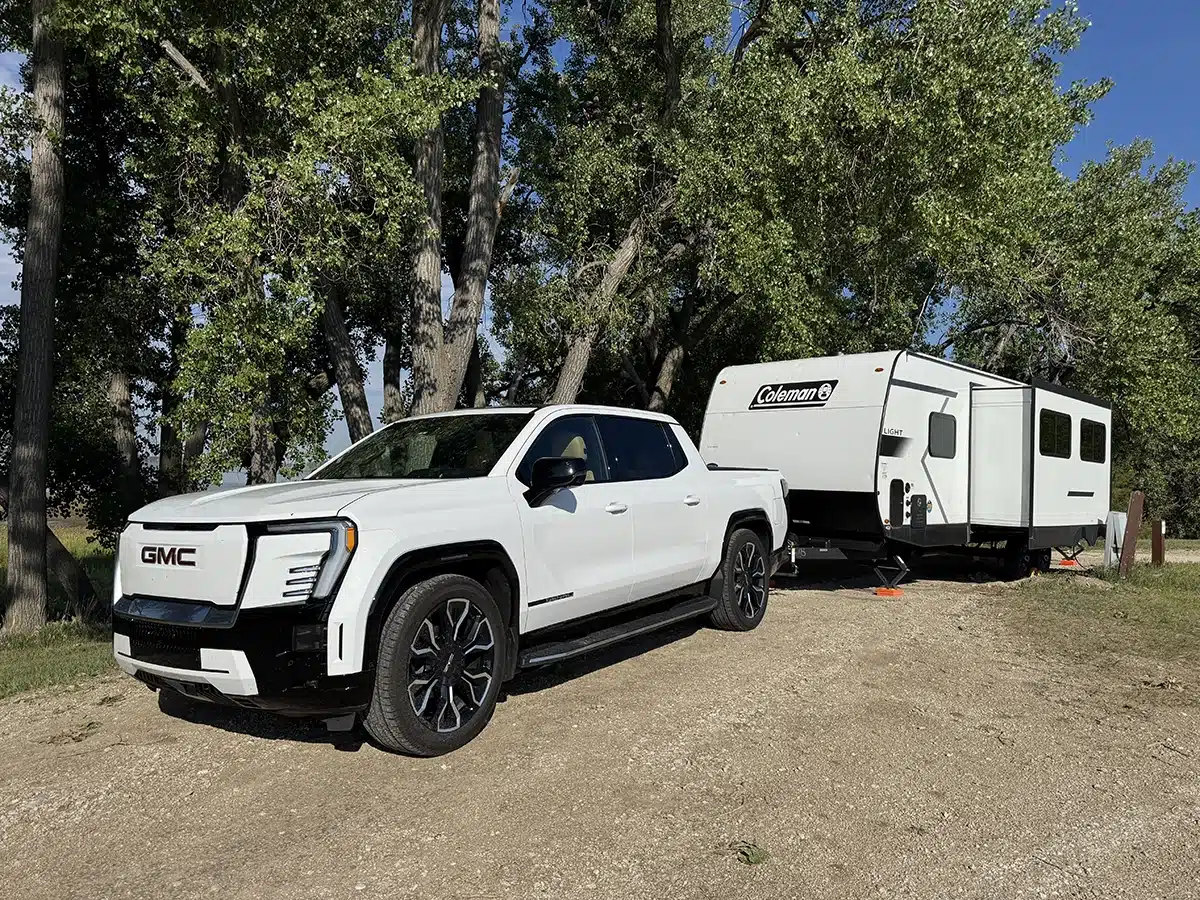
I towed a 30-foot camper with a 2026 GMC Sierra EV Denali on a 152-mile camping trip to learn whether an electric truck can realistically handle a weekend at the campground.
Electric motors have no trouble producing enough power to pull a travel trailer. That was never my biggest question. I wanted to know how much battery the truck would use, whether I could recharge it at a campsite and how the entire experience would compare with towing the same camper using a gas or diesel truck.
The answer was more complicated than a simple success or failure.
GMC Sierra EV towing and payload numbers
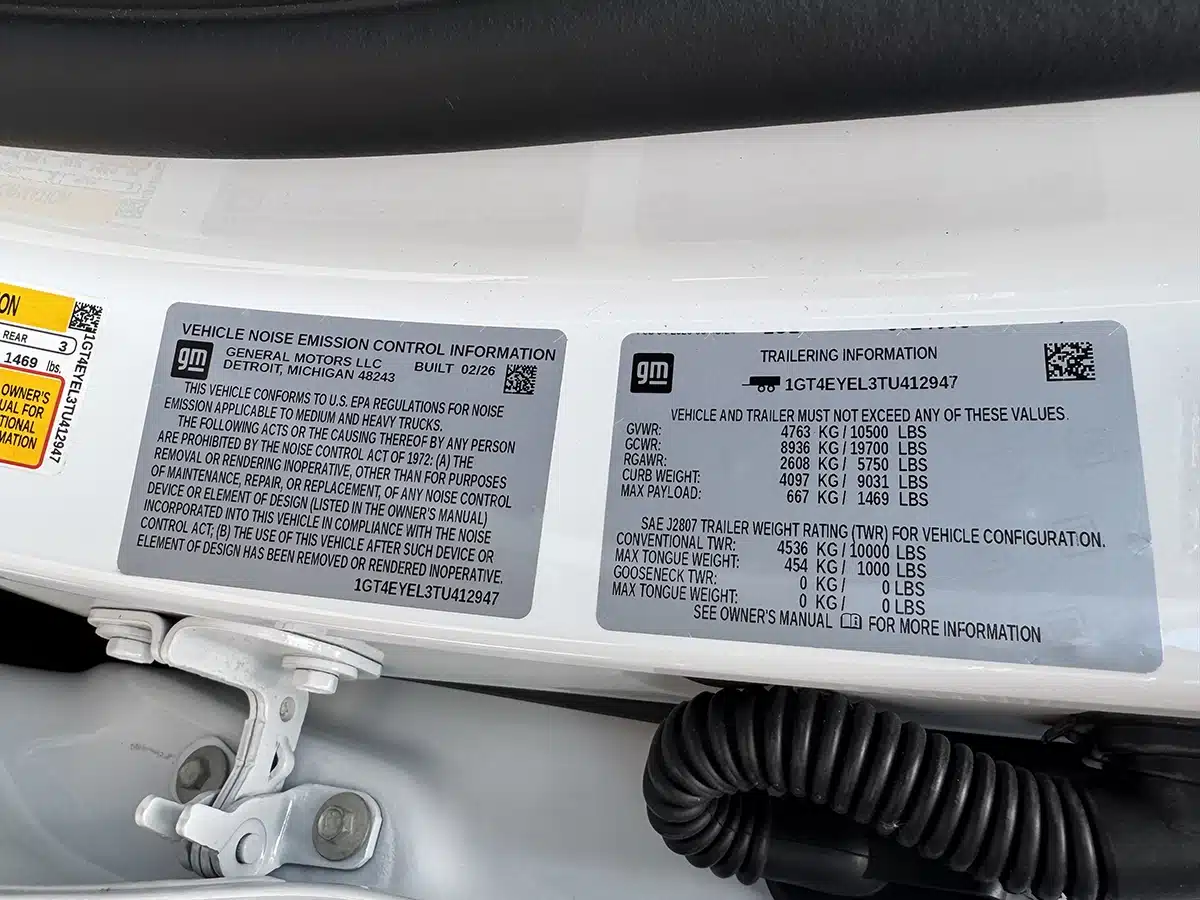
The Sierra EV Denali used for this test has a maximum conventional towing capacity of 10,000 pounds and a maximum tongue weight rating of 1,000 pounds.
Its door sticker lists a payload capacity of 1,469 pounds. The truck has a 10,500-pound gross vehicle weight rating and a 19,700-pound gross combined weight rating.
It also has a curb weight of 9,031 pounds. That is an exceptionally heavy truck, largely because of the massive battery pack mounted beneath the passenger compartment.
My camper is a Keystone Coleman Lite 26BX. Despite the model designation, it measures 30 feet, 3 inches long and is 10 feet, 9 inches tall. It has an unloaded vehicle weight of 5,290 pounds and a gross vehicle weight rating of 7,000 pounds.
We were not carrying fresh water on this trip. With our food, supplies and upgraded mattress, I estimated the camper weighed approximately 5,500 pounds.
That put the trailer comfortably below the Sierra EV’s maximum towing rating, although tongue weight and the truck’s available payload still require attention.
Hitch setup, suspension and trailer squat
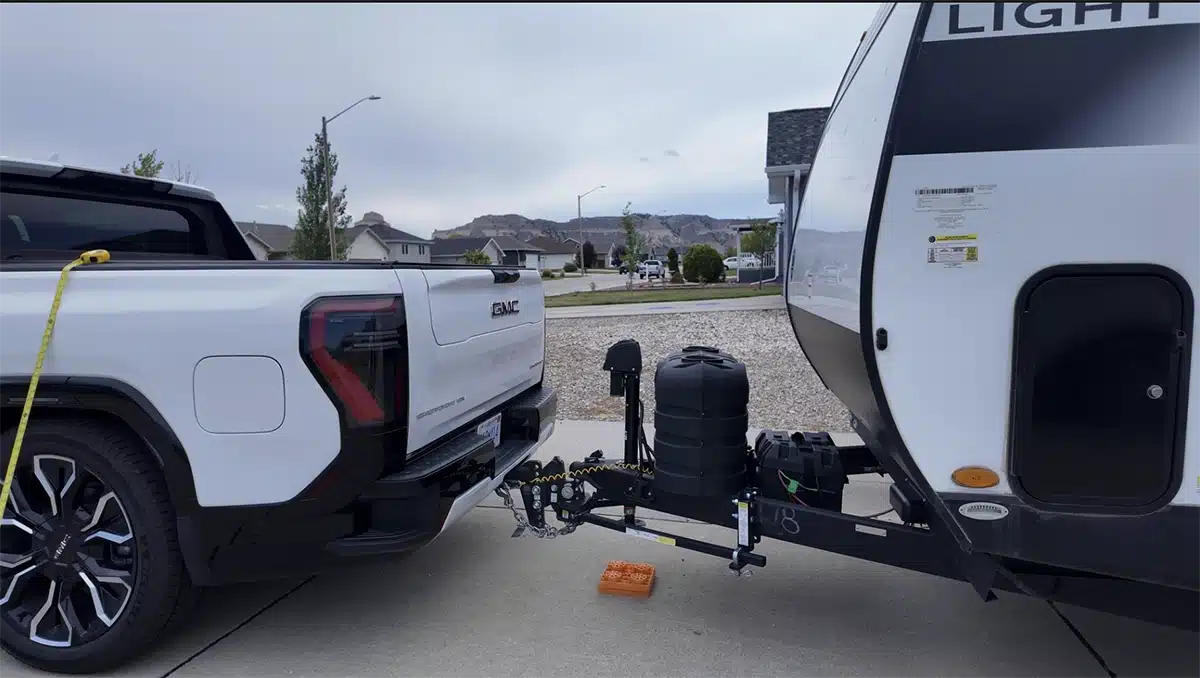
I used a Weigh Safe weight-distributing hitch, although the hitch height was still configured for the three-quarter-ton truck I had recently used to tow the camper.
With the trailer initially lowered onto the hitch, the Sierra EV had noticeable rear-end squat. After installing the weight-distributing bars, the rear measurement increased by approximately three-quarters of an inch.
The Sierra EV Denali’s air suspension also helped level the truck once it was running.
My hitch scale displayed approximately 1,200 pounds of tongue weight, but I did not consider that reading credible based on my previous experiences with the scale. The truck’s maximum rated tongue weight is 1,000 pounds, so obtaining a verified tongue-weight measurement would be important before regularly towing this combination.
For this relatively short test, the truck and trailer remained stable, but I would raise the hitch ball before towing this camper with the Sierra EV again.
Towing cut the estimated range nearly in half
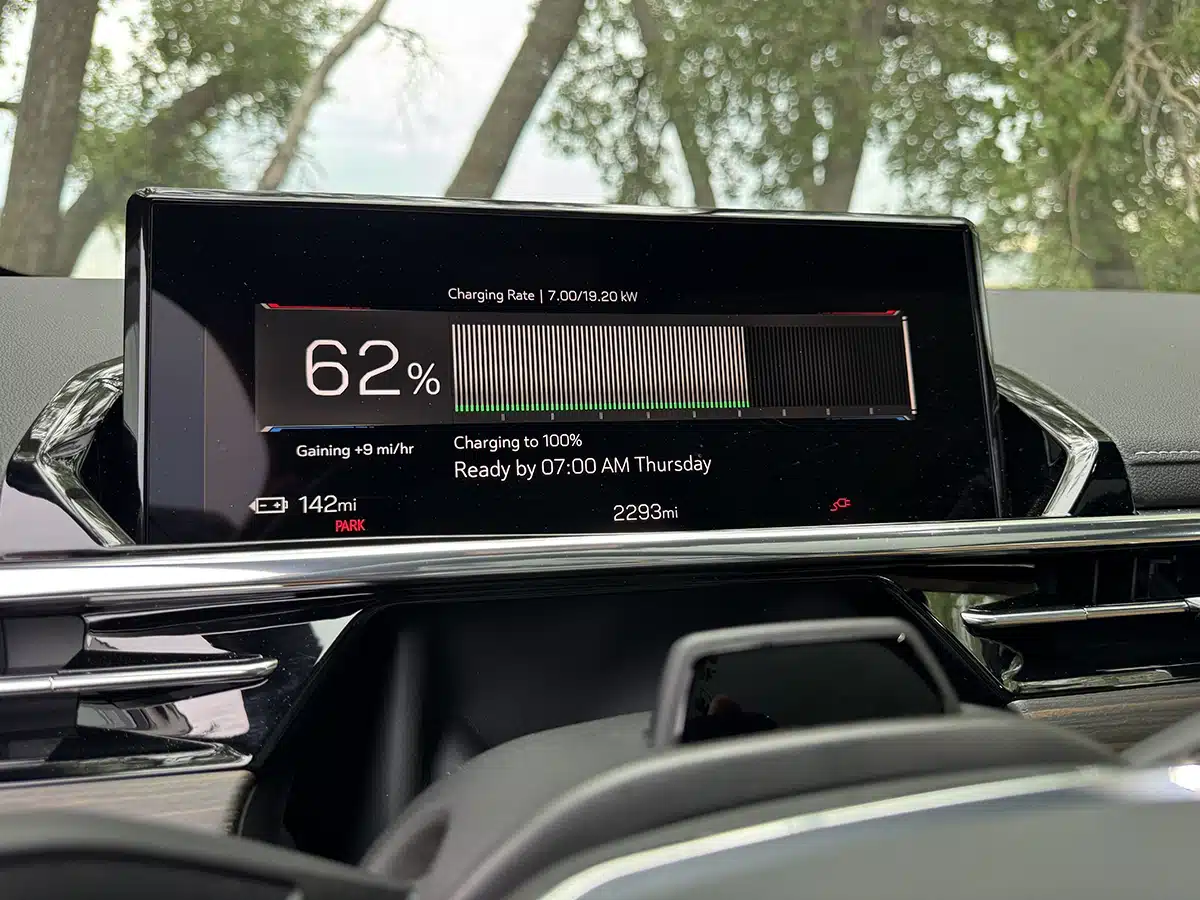
The Sierra EV initially showed 526 miles of estimated driving range at a 100% charge. Once I connected the camper and created a trailer profile, the estimated range dropped to approximately 298 miles.
That immediate reduction looked dramatic, but it was also realistic. A tall, wide travel trailer creates substantially more aerodynamic drag than an unladen truck, especially at highway speeds.
Our route included two-lane country roads, highway speeds, wind and temperatures in the 90s. The truck showed efficiency as low as approximately 1.6 miles per kilowatt-hour during portions of the trip.
After traveling about 75 miles to the campground, the Sierra EV arrived with 62% of its battery remaining and an estimated 140 miles of range.
In other words, the first leg consumed 38% of the battery.
After recharging overnight, the return trip produced nearly the same result. The truck started at 100% and arrived home with 62% remaining. That means it again used approximately 38% of its battery over roughly 75 miles.
The truck completed 152 miles of towing across both legs, but it required an overnight recharge between them. Although the numbers suggest more range was technically available, I would not plan a camping trip around using every last percentage point. Wind, colder temperatures, elevation changes and highway speeds could all reduce the available margin.
For this camper and these conditions, approximately 125 to 150 miles between dependable charging opportunities would be a more comfortable planning range.
Campground charging changed the equation
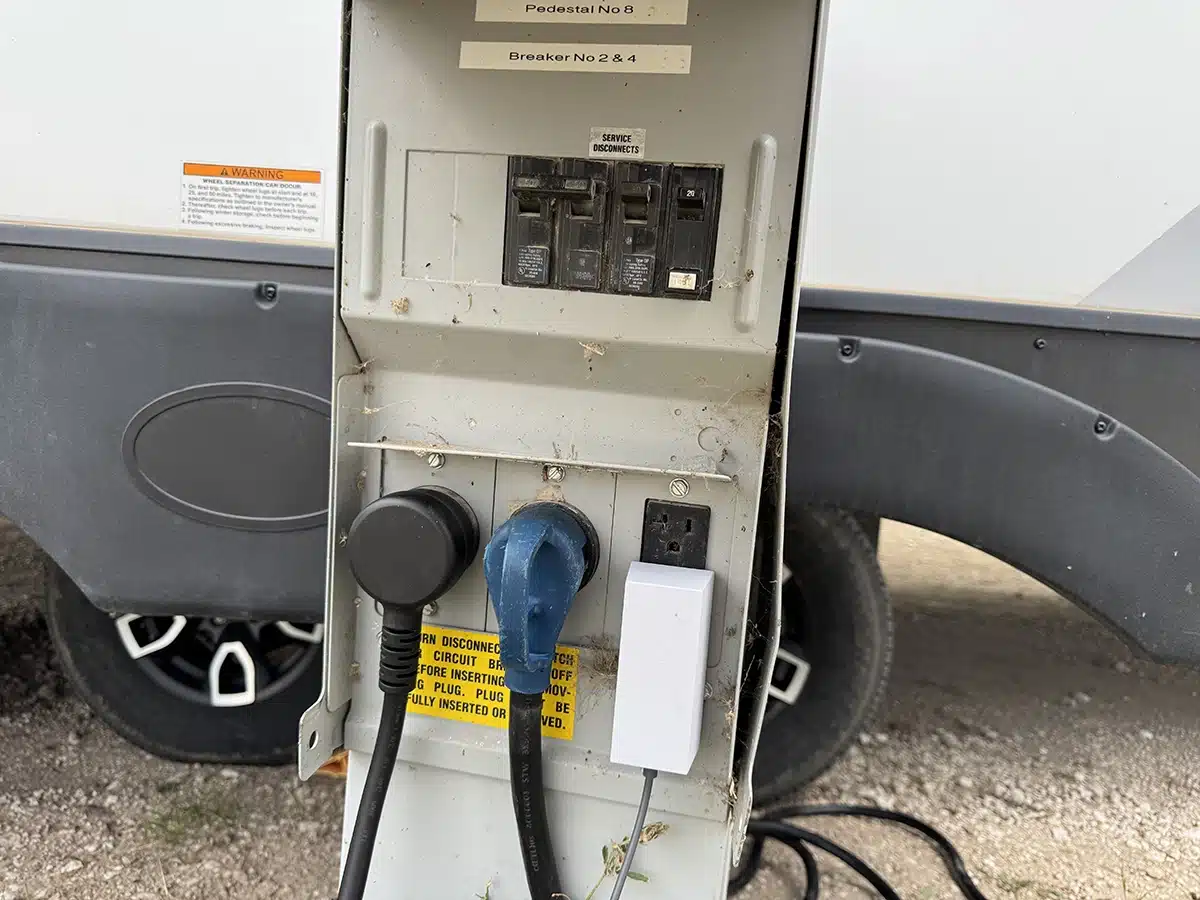
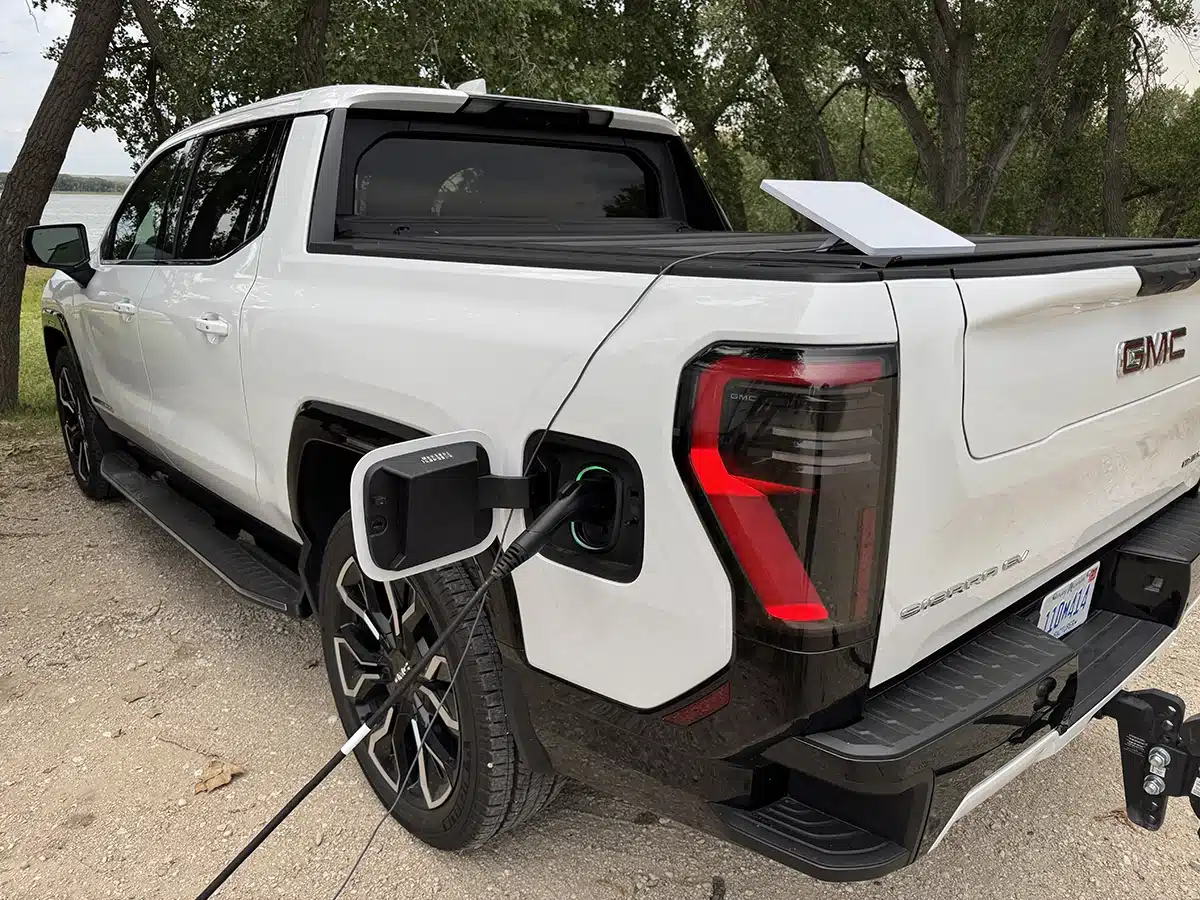
The most interesting part of this test was charging the Sierra EV at the campsite.
Our site had separate electrical connections. The camper used the 30-amp outlet, while I connected the truck to the site’s 50-amp service using the appropriate adapter and GM’s portable charging equipment.
The truck charged at approximately 40 amps, respecting the 80% continuous-load limit for the circuit. The display showed it adding about 9 miles of range per hour, and the Sierra EV reached 100% before the following morning.
A standard 120-volt outlet would have been far less practical. When I tested that option, the truck estimated it would need multiple days to recharge completely.
Access to 50-amp service made this trip work. We were already paying approximately $40 for the campsite, so the overnight charge did not add a separate fuel stop or charging expense.
However, RV parks and campgrounds may have their own policies concerning EV charging. Owners should ask before connecting a truck, especially when simultaneously powering a camper.
Super Cruise and regenerative braking impressed me
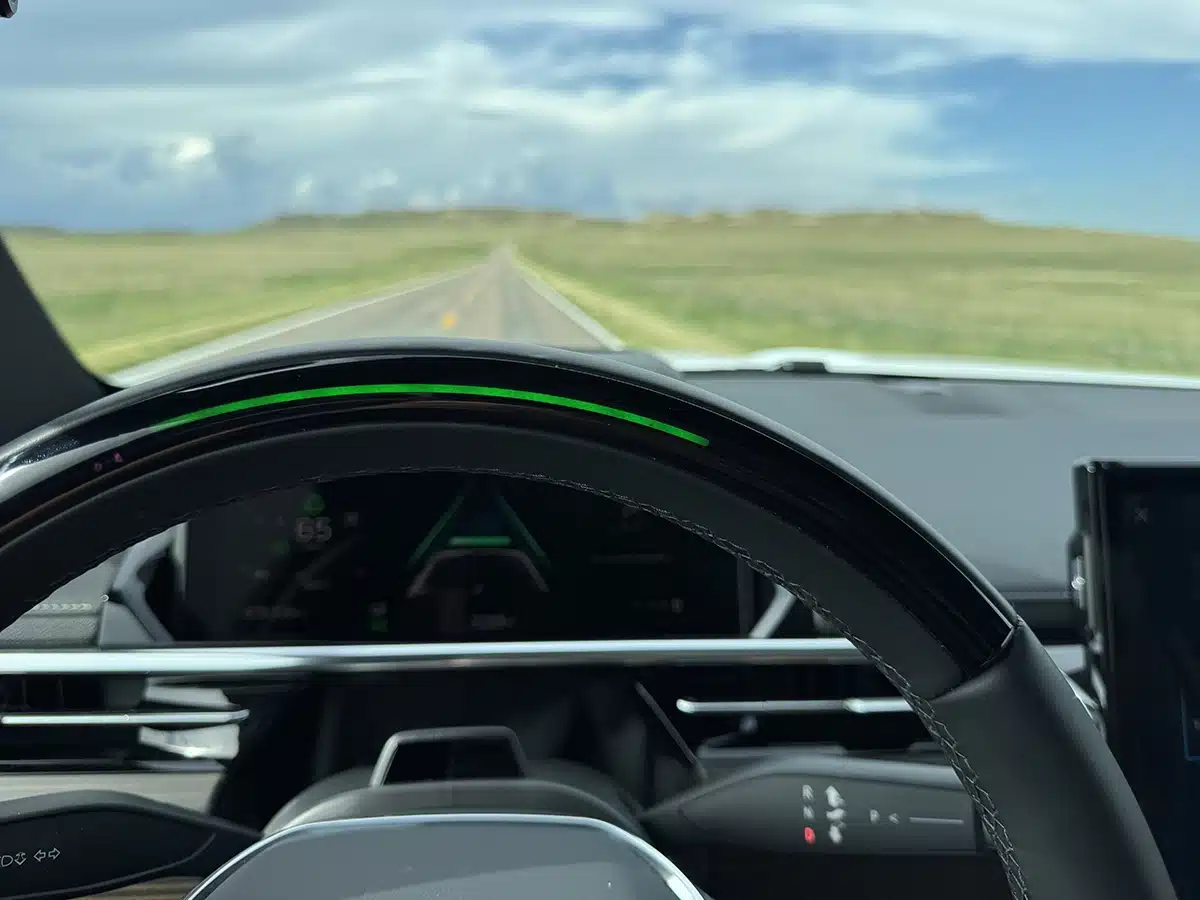
The Sierra EV pulled the camper effortlessly. Electric motors provide immediate torque, and the truck never felt strained by the approximately 5,500-pound trailer.
GM’s Super Cruise was another highlight. It operated while trailering on supported two-lane roads and kept the truck centered despite the strong Nebraska wind.
That reduced the constant steering corrections and fatigue that can come with towing a large camper. I can live without Super Cruise during most everyday driving, but Super Cruise while towing is a legitimate game changer.
Regenerative braking also worked well. With regeneration set to its higher setting, lifting off the accelerator created a strong deceleration effect somewhat comparable to using an exhaust brake in a diesel truck.
There was one unexpected consequence: the braking force moved items around inside the camper more than we anticipated. Owners may need to secure their belongings more carefully or adjust the regenerative braking setting when towing. My wife was sure to bring this to my attention.
I also found the standard mirrors inadequate for a travel trailer this wide. If I regularly towed this camper with the Sierra EV, proper towing mirrors would be high on my list or at least clip-on mirror extensions.
Is the GMC Sierra EV a practical camping truck?
The answer depends heavily on where and how you camp.
The Sierra EV towed the camper extremely well. It was powerful, quiet and stable. Super Cruise reduced fatigue, regenerative braking provided confident deceleration and the truck recharged completely while we slept.
For someone who camps within approximately 100 miles of home and has access to 50-amp service, this setup can work remarkably well. You can arrive, plug in and wake up with a full battery for the trip home.
The limitations become more obvious on longer trips or in remote areas. Out West, distances between towns, campgrounds and dependable charging stations can be considerable. A practical towing range of roughly 125 to 150 miles is simply not enough for every destination.
Charging with a trailer attached can also be challenging at many public charging stations. Campground charging solves that problem at the destination, but it does not eliminate the need for careful planning along a longer route.
Was this trip a success? Yes. The Sierra EV transported the camper 152 miles, charged overnight at our campsite and returned home without a problem.
Did it prove an electric truck can replace a diesel or gasoline truck for every camping trip? Absolutely not.
What’s really interesting to me is that the three-quarter-ton truck I mentioned was a Cummins-powered Ram Power Wagon I took camping the week before. The two trucks had nearly identical retail prices. The GMC Sierra EV Denali cost approximately $103,000, while the Ram was about $102,000.
Both trucks completed essentially the same job over similar distances. The Ram used more than $125 in diesel fuel, while charging the Sierra EV at the campsite cost us nothing beyond the campground fee. Recharging it at home cost less than $5.
That makes for a pretty interesting comparison.