A few minutes before a drive can save your life. Most people jump in their pickup and go. But a quick check of a few key parts can prevent a breakdown or a crash. This is even more important on Houston’s busy, fast freeways.
A pickup takes a beating. Hauling, towing, and hot Texas roads wear it down. Small problems build up over time. A worn tire or a soft brake pedal can turn into a crash when you least expect it. A simple routine check catches these problems early.
Top Houston injury firms see how often a small failure leads to a big crash. Sutliff and Stout have recovered more than 750 million dollars for injured clients across Texas. Many of those cases started with something preventable. The checklist below covers what to look at before you drive, and why each item matters on Houston roads.
None of it takes long, and all of it keeps you safer.
Check your tires first
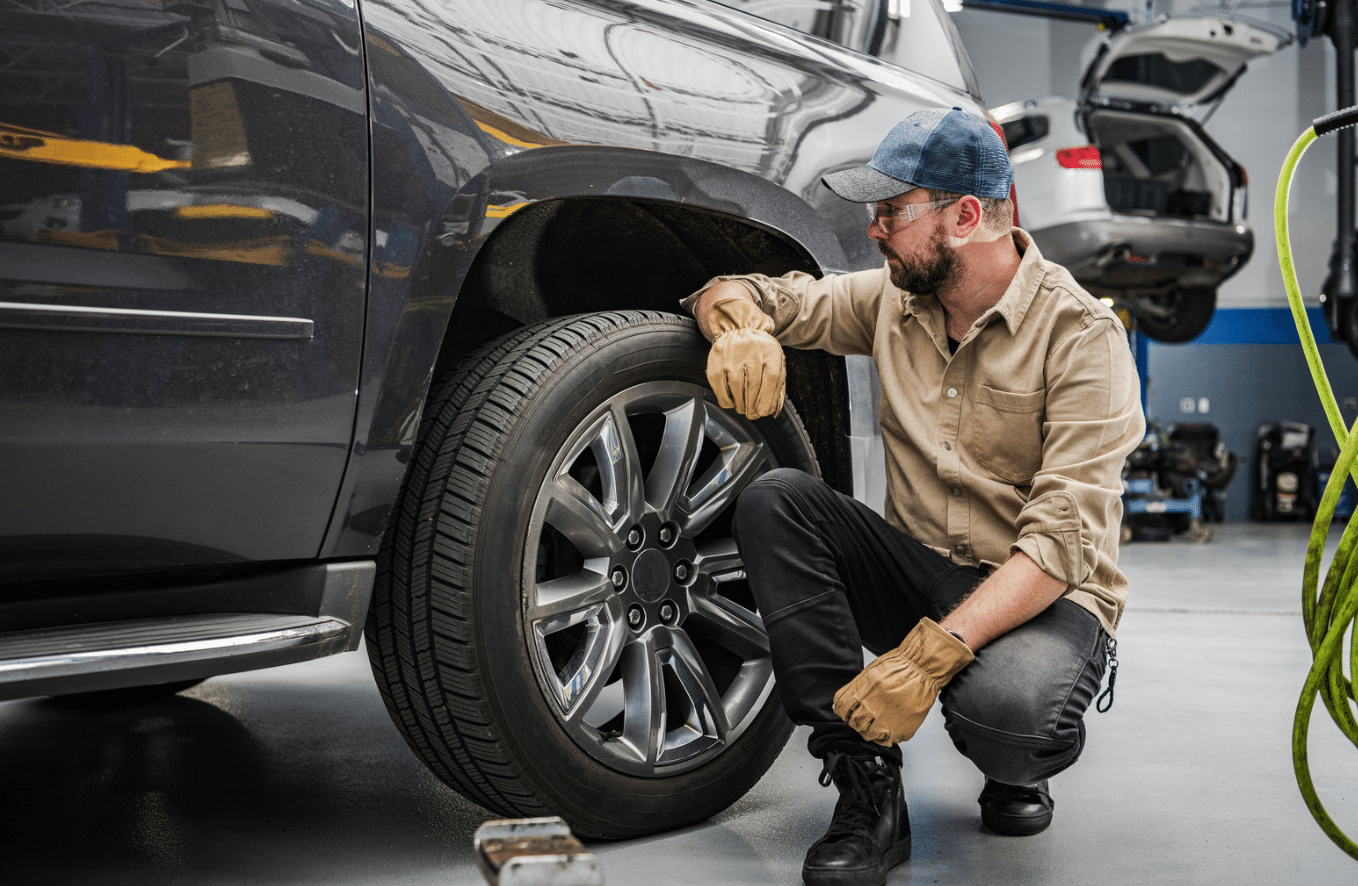
Tires are the most important safety check on a pickup. They are the only part of the truck that touches the road. Bad tires cause crashes, and pickups are especially at risk because they are top-heavy. A blowout can flip a pickup fast.
Start with the tread. Worn tread means poor grip, especially in the rain. Houston gets heavy downpours, and bald tires can slide on wet pavement. A simple test is the penny test. Put a penny in the tread with Lincoln’s head down. If you can see the top of his head, the tread is too low.
Then check the pressure. Underinflated tires run hot and can fail at highway speed. Overinflated tires grip poorly. Your truck lists the right pressure on a sticker inside the driver’s door. Check it when the tires are cold, before you drive. A tire gauge costs only a few dollars.
Look for damage too. Cracks, bulges, or bald spots are warning signs. A pickup that hauls heavy loads wears its tires faster. If a tire looks worn or damaged, replace it before it fails on the road.
Test your brakes
Your brakes are your lifeline in Houston traffic. The city’s freeways bring sudden stops and heavy congestion. A pickup with a heavy load needs even more stopping power. Weak brakes are a serious danger.
Listen for warning signs. A squeal or grinding sound means the brake pads may be worn. A soft or spongy pedal can mean a problem with the brake fluid. A truck that pulls to one side when braking has an issue, too. Any of these signs means you should get the brakes checked.
Do a simple test before a long drive. In a safe, empty spot, press the brakes firmly. The truck should stop straight and steady, with no strange noise or feel. If something seems off, do not wait. Brakes only get worse, and a failure in traffic can be deadly.
Houston truck accident attorney Hank Stout has frequently emphasized that serious truck crashes often come down to preventable factors revealed during an investigation, including vehicle condition, maintenance history, and the evidence left behind after a collision. Regular brake inspections remain one of the simplest ways drivers can reduce the risk of a preventable crash.
Check your lights
Lights keep you visible and let you see the road. On Houston roads, especially at night or in the rain, working lights are a must. A burned-out light makes it harder to see and can cause a crash.
Walk around your truck and check them all. Headlights on both low and high beam. Brake lights. Turn signals. Reverse lights. Ask a friend to stand behind you while you press the brakes and signals, since you cannot see them all yourself. Replace any bulb that is out.
Clean your lights too. Dirt and grime dim the beam. A quick wipe makes a real difference at night. Clear, working lights help other drivers see your next move, which prevents crashes.
Look under the hood
A quick under-hood check catches problems before they leave you stranded. You do not need to be a mechanic. Just check a few key fluids and parts. Low fluids and worn belts cause many breakdowns.
Check your oil with the dipstick. Low or dirty oil can damage the engine. Check the coolant level too, which matters a lot in the Texas heat. An overheated engine can leave you stuck on a dangerous freeway shoulder. Look at the brake fluid and power steering fluid as well.
Glance at the belts and hoses. Cracked or frayed belts can snap. Soft or bulging hoses can burst. These parts wear out over time, and a failure can stop your truck cold. Catching them early is cheap and easy.
Check your load and hitch
A pickup is built to haul, but a bad load is dangerous. An overloaded truck handles poorly and takes longer to stop. An unbalanced load can cause a rollover. If you are carrying cargo, secure it well and do not exceed the truck’s limit.
If you are towing, check the hitch and connections. Make sure the trailer is attached correctly and the safety chains are in place. Check the trailer lights too. A trailer that comes loose or sways can cause a serious crash. Take the extra minute to get it right.
Why this matters on Houston roads
Houston driving is demanding. The city set a record for traffic deaths in 2024. Its freeways move enormous traffic at high speed, with constant merging and sudden stops. A truck problem that might be minor on a quiet road becomes deadly at 65 miles per hour on Interstate 45.
Texas roads stay busy year-round. The Texas Department of Transportation recorded one crash every 57 seconds in 2024. In that kind of traffic, a well-maintained truck gives you the control and stopping power you need. A neglected one puts you and others at risk.
Do a seasonal deep check
Beyond the quick pre-drive check, give your pickup a fuller look with the seasons. Texas heat is hard on a truck. Summer bakes the tires, the battery, and the coolant system. A check before the hottest months can prevent a breakdown on a scorching freeway.
Look at your battery, since heat shortens its life. Check the wiper blades and washer fluid before the rainy stretches, because Houston downpours cut visibility fast. Inspect the air conditioning too, not just for comfort but so you stay alert on a long, hot drive.
Rotate your tires on a schedule as well. Even wear makes them last longer and grip better. A shop can do this quickly when you get an oil change. Even wear also lowers the rollover risk, since a worn tire is more likely to fail.
Keep a simple record of what you check and when. A note on your phone works. This habit helps you catch a pattern, like a tire that keeps losing pressure. Small clues like that often point to a bigger problem you can fix before it causes a crash.
Make it a habit
The full checklist takes just a few minutes. Tires, brakes, lights, fluids, and load. Do a quick version before every drive, and a fuller check before a long trip or a haul. It becomes second nature fast.
This small habit prevents breakdowns and crashes. It keeps your pickup ready for whatever Houston roads throw at it. And it protects not just you, but everyone sharing the road. A few minutes of care is a small price for staying safe. When a crash does happen because of someone else’s mistake, being a careful, well-prepared driver also strengthens your position later.