Pickup owners love the feeling of sitting high and driving big. A full-size truck weighs around 5,000 to 7,000 pounds. That heft helps in a fender bender with a sedan. Against a loaded semi, though, it counts for very little.
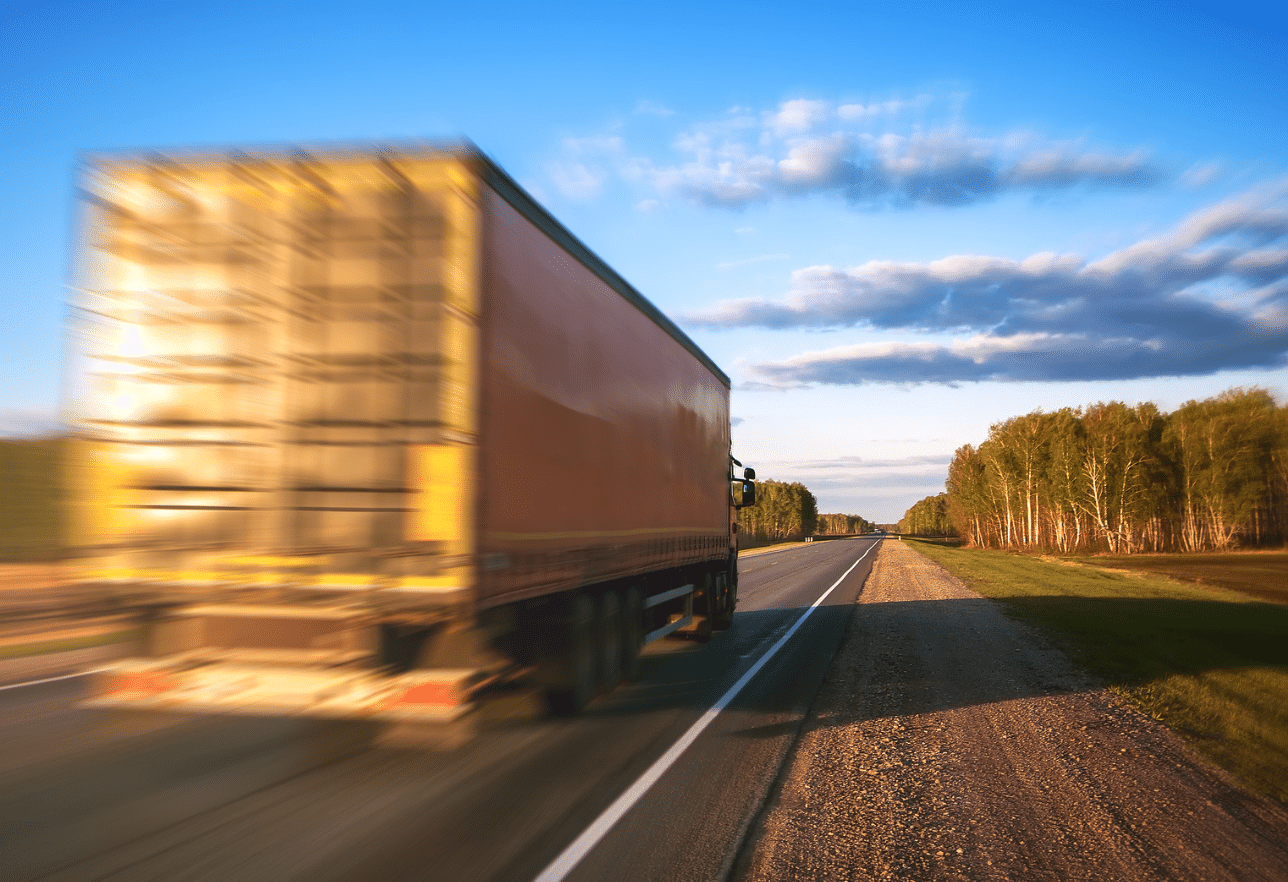
A fully loaded 18-wheeler can weigh up to 80,000 pounds. That is more than ten times as heavy as a pickup. When the two meet, the laws of physics take over, and the bigger mass wins. Even a tough truck offers limited protection in that matchup.
This is the reality a truck accident attorney california sees again and again. MVP Accident Attorneys, a California firm led by Brett Sachs, handles these cases across the state. Their work shows a pattern. The pickup driver often did nothing wrong, yet still bore the worst of the crash.
The weight gap changes everything
A crash is a transfer of energy. The heavier object pushes the lighter one. A semi carries so much mass that it can crush a pickup cab without slowing much itself.
Stopping distance makes it worse. A loaded big rig needs far more room to stop than any pickup. At highway speed, a semi may need the length of two football fields to halt. A pickup that brakes hard in front of one is gambling with that gap.
Height adds another danger. A semi-trailer sits high off the road. In some crashes, a lower vehicle can slide under the trailer’s side or rear. These underride crashes are among the deadliest on the road.
California roads put pickups near big rigs constantly
California moves a huge share of the nation’s freight. Ports, warehouses, and interstate routes fill the highways with trucks. A pickup driver here shares the road with semis every single day.
The numbers reflect the risk. California ranks among the top two states for total traffic deaths, with more than 4,000 lives lost a year. This data is according to state figures, making California one of the most dangerous states when it comes to road crashes. A meaningful slice of those involves large trucks.
Speed raises the stakes further. Speeding factors into about 35 percent of California traffic deaths, higher than the national rate of 29 percent. A fast pickup near a fast semi leaves little margin for error.
How a pickup driver can stay safer
Knowing the danger is the first step. The next is changing how you drive around big rigs. A few habits make a real difference.
Stay out of the no-zones. A semi has large blind spots on both sides, in front, and behind. If you cannot see the trucker’s face in their mirror, they cannot see you. Pass quickly and get back into view.
Leave room in front. Never cut in front of a semi and brake. That truck cannot stop the way you can. Give it a wide cushion before you merge back over.
Skip the tailgate. Riding close behind a trailer puts you in a blind spot and blocks your view of the road ahead. Back off so you can see and be seen.
When the crash was not the pickup driver’s fault
Sometimes good habits are not enough. A tired trucker, a company that skipped maintenance, or a badly loaded flatbed trailer rental can cause a crash that no pickup driver could avoid. In those cases, the fault lies with the truck side.
Truck cases are not like car crashes. Federal rules govern trucking, and they create records. Driver logs show hours behind the wheel. Maintenance files show the truck’s condition. A black box can show speed and braking.
These records fade fast. A truck returns to service, and its data gets overwritten. This is why prompt action matters so much in truck cases. The proof has a short shelf life.
MVP Accident Attorneys built its truck practice around this reality. The firm works to preserve the logs, the black box data, and the maintenance records before they vanish. It operates on a no fee unless we win basis, so an injured driver pays nothing up front.
The injuries tell the story
The harm in a pickup-versus-semi crash tends to be severe. The mismatch in size concentrates the force on the smaller vehicle and the people inside it. Broken bones, spinal damage, and head injuries are common.
Across the country, about 97 percent of people killed in large-truck crashes are in the other vehicle, not the truck. The trucker is shielded by sheer mass. Everyone else pays the price.
That imbalance is why these cases carry such weight. A serious truck crash can mean months of recovery, lost income, and lifelong effects. The stakes for the pickup driver and their family are high.
Identifying every responsible party
A truck crash often involves more than the driver. The trucking company, the firm that maintained the rig, the crew that loaded the cargo, and the maker of a faulty part may all share fault. Sorting this out takes investigation.
Each party may carry its own insurance, which can affect the recovery. A crash caused by bad brakes might be traced to a maintenance company. A rollover might trace to careless loading. Finding every link matters.
The bottom line for pickup owners
A pickup is a capable, sturdy vehicle. It can haul, tow, and handle rough roads. But against an 80,000-pound semi, even the biggest pickup is the smaller object in the equation.
Respect the difference. Give big rigs room, stay out of their blind spots, and never count on your truck’s size to save you in that matchup. The physics do not care how tough your pickup is.
And if a negligent trucker or trucking company does cause a crash, know that the case turns on evidence that disappears quickly. Acting fast protects both your health and your claim. For pickup owners who share California highways with semis every day, that is worth remembering before the drive, not after the crash.
Acting fast protects the case
Truck cases reward speed. The logs, the black box data, and the maintenance records can disappear within days as the truck returns to service. A prompt legal hold preserves them.
The trucking company often sends its own team to the scene within hours. An injured driver who matches that urgency protects the evidence and levels the field. Waiting can mean losing proof that cannot be recovered.