The Hyundai Palisade arrived for the 2020 model year as a three-row replacement for the Santa Fe XL. The 2026 model introduced the second generation. Both generations have recalls and ownership concerns worth checking, but the affected years and equipment differ.
This guide covers selected U.S. recalls and service issues, not every campaign. Check your 17-digit vehicle identification number (VIN) using the official links below. A model-year match alone does not confirm that your vehicle is affected.
Major Safety Recalls for the Palisade
The following recalls involve specific production groups or equipment. An older recall can remain open on a vehicle if its repair was never completed.
Power seats (certain 2026 models, 26V-160): Second- and third-row power seats may fail to detect contact with an occupant or object during some powered functions, increasing the risk of injury or death. The recall includes certain Limited and Calligraphy gasoline and hybrid models. Hyundai’s remedy calls for checking and updating seat-controller and infotainment software as needed, with eligible over-the-air updates also offered. Hyundai advises caution when operating the seats.
Seat belt buckles (certain 2020–2025 models, 25V-607): Buckles in the front seats and second-row outboard seats may not latch properly. The recall covers 568,580 vehicles. Dealers inspect and replace affected buckles as needed. Until repaired, follow Hyundai’s advice to insert the belt firmly with a quick, direct motion and pull on it to confirm it is secured.
Electric oil-pump fire risk (certain 2023–2024 models, 23V-526): Damaged electrical components in the Idle Stop & Go oil-pump controller can cause overheating. The recall notice advises affected owners to park outside and away from structures until repair. Dealers inspect and replace the controller as necessary.
Third-row seat belt wiring (certain 2026 models, 26V-169): A wiring short can falsely indicate that the driver-side third-row belt is buckled. Check the recall filing and have a dealer confirm the required repair for your VIN.
Side-curtain airbags (certain 2020–2025 models, 26V-034): The airbags may not provide the required protection for third-row occupants. This recall affects roughly 569,000 vehicles. Confirm remedy status and availability with Hyundai.
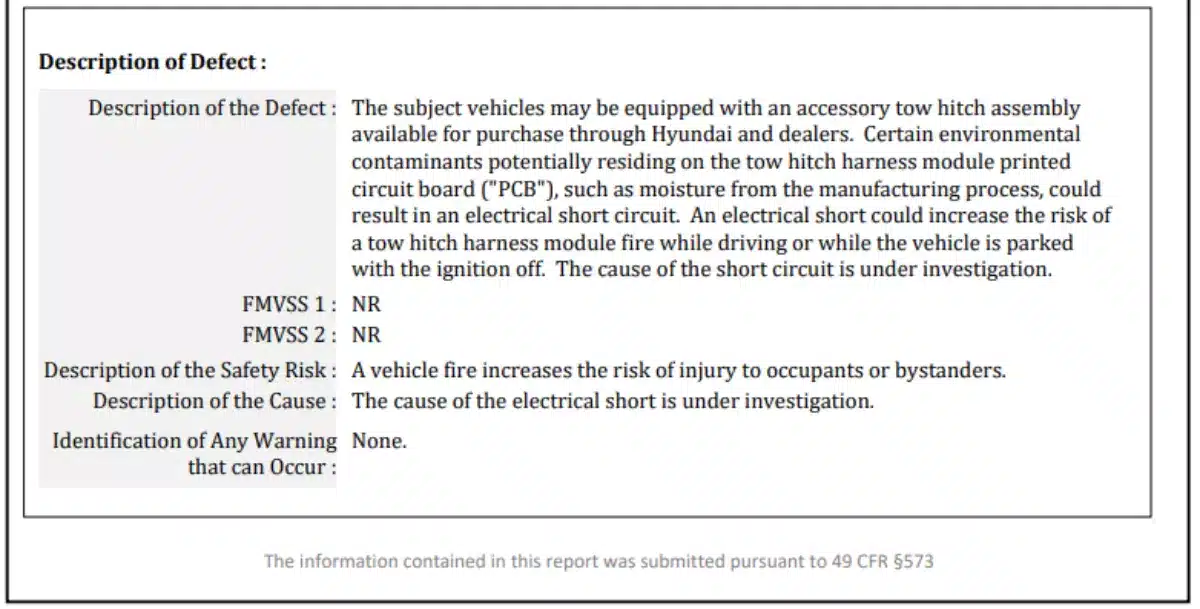
Tow-hitch wiring (certain 2020–2022 models): A separate fire-risk recall involves the accessory tow-hitch wiring harness. NHTSA advised affected owners to park outside and away from structures until repaired. Do not assume this older campaign has been completed on a used vehicle.
Palisade Technical Service Bulletins
Technical service bulletins give technicians diagnostic and repair instructions. Some support recalls or service campaigns; others describe repairs subject to warranty terms. A bulletin alone does not guarantee a free repair.
ABS vibration and noise: Hyundai bulletin 25-01-070H-1, service campaign 9C8, covers certain 2023–2025 Palisades with brake-pedal or steering-wheel vibration and ABS noise over uneven surfaces. It calls for an ABS software update. Hyundai states the brakes remain functional under the condition described in the bulletin. Any perceived loss of braking still requires prompt diagnosis rather than an assumption that this bulletin explains it.
Ask a dealer to check for service campaign 9C8 and any other VIN-specific updates. Describe the road conditions and speed when a symptom occurs so the technician can reproduce it.
Hyundai Palisade Known Problems
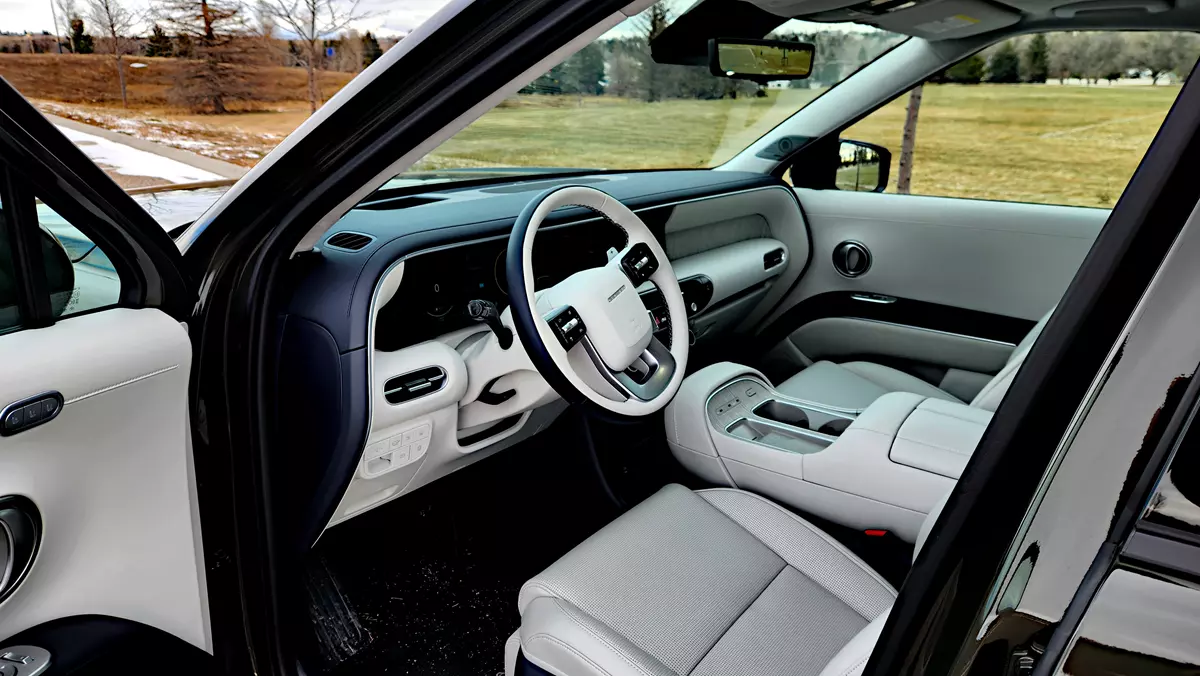
A used-vehicle inspection should also cover the engine, glass, electronics and everyday convenience features. A complaint in an owner discussion is a reason to investigate, not proof that the same defect affects every Palisade.
Oil loss or consumption: Check the oil level and service history. Burning oil and an external leak are different problems and need different diagnoses. Do not assume a gasket, drain plug or internal engine component is responsible without inspection.
Windshield damage: Inspect for chips and cracks and review any replacement history. A crack alone does not establish body flex or a manufacturing defect as its cause.
Screens and door handles: Test the infotainment system, instrument display and keyless-entry functions during an inspection. Record intermittent failures and ask the dealer about applicable software updates or repairs.
How To Check For Recalls On Your Hyundai

Use the National Highway Traffic Safety Administration’s recall lookup or the Hyundai service and recall lookup to check your VIN. Recall repairs are free, but parts availability and completion status should be confirmed with the dealer. Keep documentation of completed work.