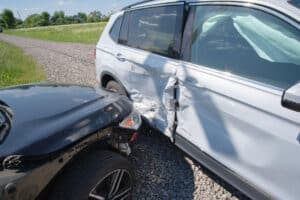
Most drivers think about their driving record only when something goes wrong. A speeding ticket raises insurance costs. A fender bender creates paperwork. A serious accident can affect premiums, repairs, and how confident someone feels behind the wheel.
But when driving becomes your job, that record means more than personal inconvenience. It becomes part of how employers judge risk, responsibility, and trust. For commercial drivers, a driving history is not just a background detail. It can shape hiring decisions, insurance considerations, equipment assignments, and the kinds of routes a driver may be trusted to handle.
A Clean Record Is Not Just About Avoiding Tickets
For everyday driving, a clean record usually means fewer headaches. For professional driving, it signals something deeper: consistency.
Carriers want drivers who can manage risk every day, not just people who can pass a road test. A clean or stable driving history suggests that a driver understands speed control, spacing, awareness, patience, and defensive driving. It also shows that the driver has been able to avoid repeated problems in normal traffic.
That matters because commercial vehicles bring more responsibility. A mistake in a passenger car can be serious. A mistake in a loaded truck can affect freight, equipment, customers, public safety, insurance claims, and the carrier’s reputation.
This is why hiring for cdl-a jobs is tied to more than simply holding the right license. Employers are also looking at whether a driver’s past habits suggest they can handle professional responsibility under pressure.
Small Habits Become Bigger Signals
Most driving problems do not start with one dramatic decision. They often come from habits: following too closely, rushing through yellow lights, braking late, ignoring blind spots, or driving tired because the destination is “almost there.”
In personal driving, those habits may go unnoticed for years. In commercial driving, they become harder to hide. A professional driver is expected to manage time, distance, weather, traffic, equipment condition, and route changes with more discipline.
The best drivers are often not the most aggressive or the most confident. They are the ones who leave room, slow down early, check mirrors constantly, and avoid turning minor problems into major ones. Those habits matter to employers because they lower risk over time.
A driving record cannot show every good habit, but it can reveal patterns. Repeated violations, preventable accidents, or careless behavior may suggest that a driver will need closer supervision or may not be ready for certain work.
Accidents Matter Differently in Commercial Driving
Not every accident tells the same story. A minor parking lot scrape is different from a serious crash. A single incident years ago is different from a pattern of preventable accidents. Employers understand that context matters.
Still, accidents become more important when driving is part of the job. Carriers have to think about insurance, claims, safety ratings, freight damage, customer trust, and whether a driver can operate expensive equipment responsibly.
For a commercial driver, accident awareness starts before the truck moves. Pre-trip inspections, tire condition, brake feel, mirrors, lights, load securement, and route planning all help reduce risk. Safe driving is not only what happens on the highway. It begins with how seriously a driver treats the vehicle, the schedule, and the conditions around the trip.
Big Freight Markets Raise the Pressure
Driving for work can feel very different depending on the market. A quiet rural route is not the same as a dense freight corridor with heavy traffic, tight delivery windows, industrial customers, and limited parking.
That is why safety habits become especially important in large freight markets such as Chicago, Dallas, Atlanta, Los Angeles, or the New York and New Jersey area. Drivers may deal with crowded interstates, warehouse districts, construction zones, winter weather, rail yards, and constant appointment pressure.
Chicago is also not only a city driving environment. For many commercial drivers, Chicago IL means a wider Illinois freight market that includes city streets, suburbs, industrial parks, intermodal yards, warehouses, and regional lanes that move freight across the state and into nearby Midwest markets.
In that kind of setting, hiring for truck driving jobs in Chicago is not only about whether someone can drive a truck. The work often rewards drivers who can stay calm in congestion, plan ahead, communicate delays early, and avoid risky shortcuts when the day gets complicated.
Chicago is a useful example because the region combines local delivery, regional freight, intermodal activity, industrial sites, and unpredictable weather. A driver’s record and habits matter because the environment gives less room for careless decisions.
Insurance and Employer Trust Are Part of the Job
Many everyday drivers think about insurance only after a claim. Commercial carriers have to think about it constantly. Insurance costs, claim history, vehicle damage, and safety performance all affect the business.
That does not mean carriers expect perfection from every driver. But they do need confidence that a driver can protect the truck, the freight, and the company’s relationship with customers. A driver with a steady record and a serious safety mindset is easier to trust with more responsibility.
Trust also affects the working relationship. A carrier may be more comfortable giving certain routes, equipment, or freight to a driver who has shown good judgment. On the other hand, a driver with repeated safety issues may face fewer options or stricter oversight.

Your Record Is Only Part of the Picture
A driving record matters, but it is not the whole story. Employers also look at experience, license class, endorsements, work history, communication, reliability, and attitude toward safety.
A driver can also improve. Better habits, additional training, defensive driving awareness, and a serious approach to inspections can help show professionalism over time. What matters is whether the driver treats safety as part of the work, not as an obstacle to getting the load delivered.
For people moving from personal driving into commercial work, this is the real shift. Driving is no longer just transportation. It becomes a professional responsibility measured by consistency, judgment, and trust.
When Driving Becomes Professional Responsibility
When driving becomes your job, your record follows you in a new way. Tickets, accidents, habits, and safety decisions all matter more because the stakes are higher.
A strong driving history does not guarantee success, but it gives employers a reason to trust that a driver understands responsibility. In commercial driving, that trust is essential. The job is not only about getting from one place to another. It is about doing it safely, consistently, and professionally every day.