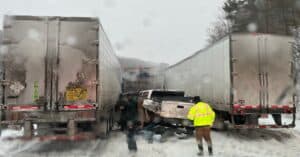
A fuel receipt usually ends up forgotten in a cup holder or left on the counter at a truck stop.
After a serious collision, that same receipt can become part of a much bigger story. A timestamp, a payment record, or a security camera near the pumps may help explain what happened before impact. Investigations do not always begin with damaged vehicles and photographs. Sometimes the answers are hidden in ordinary places that nobody noticed at first.
That is one reason truck accident attorneys in Fargo often review events that took place long before emergency crews arrived. Small records can reveal details that matter later.
The Crash Scene Does Not Always Contain the First Clue
The damage left behind after a truck accident tells only part of the story. Investigators often look beyond skid marks and broken parts to understand the hours leading up to the collision.
Many commercial drivers stop for fuel, food, or a short break during a trip. Those routine stops create records that help establish a timeline. In some situations, the final stop before the crash becomes just as important as the accident scene itself.
The location of a fuel stop can also show whether the truck followed the expected route. Small details recorded before the collision may answer questions that cannot be solved by looking only at the wreckage.
What a Fuel Stop Can Reveal About the Trip
Time Stamps That Show More Than a Purchase
Every fuel transaction creates a record. Receipts often contain the exact time and location of the stop. Credit card statements and electronic payments may provide additional information.
These records help investigators understand where the truck was and how much time passed before the collision. Even a short difference in timing may change the understanding of the trip.
Mileage and Route Information Hidden in Ordinary Records
Some truck stops record mileage information during transactions. Combined with maps and navigation systems, these details help establish the route traveled before the crash.
Information found through truck accident resources often shows that route history becomes part of understanding commercial vehicle collisions. A path that seems normal at first may reveal unexpected changes later.
Break Lengths and Travel Patterns
Fuel stops may also show how long the driver remained off the road. Long delays or unusually short breaks sometimes raise questions. Patterns that seem ordinary on the surface may become meaningful later.
The Same Stop Often Leaves Traces in Different Places
One fuel stop can leave behind several forms of evidence. Security cameras at gas stations may record vehicles entering and leaving. Electronic payment systems preserve transaction histories.
GPS devices and electronic logging systems often contain additional records. Together, these pieces create a timeline that reaches far beyond the accident scene.
People working at truck stops may also remember unusual events. Employees and customers occasionally become witnesses without realizing it. Their memories may help confirm details that documents alone cannot explain.
Because these records exist in different places, investigators often compare information from several sources instead of relying on one document.
Questions Begin When the Records Do Not Fit Together
A Receipt and a Driver Log Can Tell Different Stories
Most records support each other, but not always. A fuel receipt may show one time, while an electronic log records another. Small differences sometimes create bigger questions.
Investigators may compare receipts, GPS records, and schedules to determine which information reflects the actual timeline. A single inconsistency does not automatically explain a crash, but it may lead to closer review.
Missing Time Between Stops May Require Closer Review
Unexplained gaps can attract attention. Long periods without activity or differences between recorded locations sometimes create uncertainty. These issues may involve traffic delays, weather conditions, or mechanical problems.
Because each trip is different, investigators usually examine multiple sources before reaching conclusions.
Looking Beyond the Impact
Truck accidents involve much more than the moment vehicles collide. The hours leading up to the crash often provide valuable information that helps explain the larger picture.
That is why truck accident attorneys in Fargo frequently examine ordinary records that most people overlook. A simple fuel stop may contain clues hidden in receipts, camera footage, or electronic systems. Long after damaged vehicles have been removed from the road, those records can help explain where the truck traveled, how the timeline unfolded, and why events before impact sometimes matter just as much as the collision itself. Careful reviews of ordinary records often provide answers that remain hidden at the scene.
Families rarely think about fuel receipts during the days after a crash. Yet something as simple as a purchase record can preserve details that disappear elsewhere. Those moments sometimes become pieces in understanding the sequence of events.