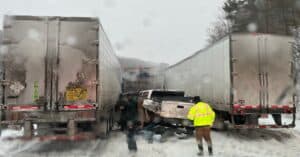
After a major truck collision, liability often shifts before outside investigators review the full record. Carriers, insurers, and defense counsel usually act within hours, because early narratives can shape claim value, witness memory, and evidence access. California crash data continues to show substantial harm from large commercial vehicles, with deaths and life-altering injuries reported each year. That pressure explains why many companies move fast to reduce exposure before injured families understand the event.
Early Control of the Story
Speed often drives the first defense move. Soon after impact, adjusters collect statements, review images, and search for facts that shrink company fault. In many cases, injured families contact a California truck accident lawyer after emergency care because carriers and insurers frequently move early, question symptom timing, stress rain or traffic, and suggest another motorist caused the crash before a full reconstruction begins. That first version can influence settlement talks for months.
Blaming the Smaller Vehicle
A common tactic shifts focus onto the person driving the smaller vehicle. Defense teams often cite sudden braking, poor lane judgment, distraction, or unsafe speed during bad weather. That argument can gain traction even where stopping distance, blind zones, or vehicle mass strongly shaped the outcome. By assigning partial fault elsewhere, the carrier can reduce financial exposure under comparative negligence rules and soften jury response during later negotiations.
Narrowing Who Is Responsible
Many wrecks involve several business entities tied to one load. A carrier may rely on a separate owner, repair vendor, freight broker, or loading company, then claim limited control over crucial choices. That structure can blur accountability and slow fact gathering. Each additional party creates another opportunity to deny blame, redirect scrutiny, or contest coverage. Delay often helps the defense because injured people still face bills, wage loss, and treatment demands.
Disputing Driver Employment Status
Employment classification often becomes a major pressure point after a collision. Some carriers describe drivers as independent contractors, even where dispatch rules, route limits, and company oversight suggest something closer to employment. That label can support arguments against direct corporate responsibility. It may also restrict quick access to safety files, supervision records, and training materials. Judges examine real control, yet the dispute can still drain time and weaken early resolution efforts.
Using Records Selectively
Documents often reveal the clearest pattern, but companies rarely present them neutrally. Driver logs, maintenance files, inspection reports, and dispatch messages can support very different stories depending on what appears first. Missing pages, late disclosures, or incomplete production create confusion for injured families. When gaps stay unexplained, it becomes harder to prove fatigue, skipped repairs, overloaded cargo, or unrealistic delivery schedules that increased crash risk before the collision.
Questioning the Medical Picture
Medical harm often faces intense scrutiny after a commercial vehicle crash. Insurers may argue treatment started late, symptoms came from earlier degeneration, or future care estimates exceed what records support. Even short gaps between visits can become central talking points. Defense physicians may also minimize pain, functional loss, or recovery limits. That strategy can depress case value even where emergency imaging, surgical care, and rehabilitation needs reflect serious physical trauma.
Pushing Fast, Low Settlements
Settlement pressure usually appears before the full medical picture becomes clear. A carrier or insurer may offer money while treatment is still unfolding and income loss remains uncertain. Quick payment can seem useful during financial strain, yet those offers often arrive before records are complete. Once a release is signed, the claim may no longer include later surgery, therapy, work restrictions, or new symptoms.
Turning Procedure Into Leverage
Procedure can become a quiet defense weapon. Filing deadlines, evidence objections, and document disputes may look routine, yet each step consumes time, money, and energy. Carriers with deeper legal resources often benefit from that imbalance. As months pass, witnesses become harder to locate, recollections fade, and physical proof can disappear. Procedural pressure alone can push valid claims into lower settlements without a full examination of fault.
Conclusion
Trucking companies rarely rely on one defense alone after a severe crash. Most use layered tactics, including early narrative control, shared fault claims, selective records, medical challenges, and quick settlement pressure. Those steps can reduce payouts even when injuries are serious and the evidence appears strong. Careful investigation remains essential because liability may rest with several actors across many records. Clear facts, preserved proof, and steady legal pressure usually matter most.