
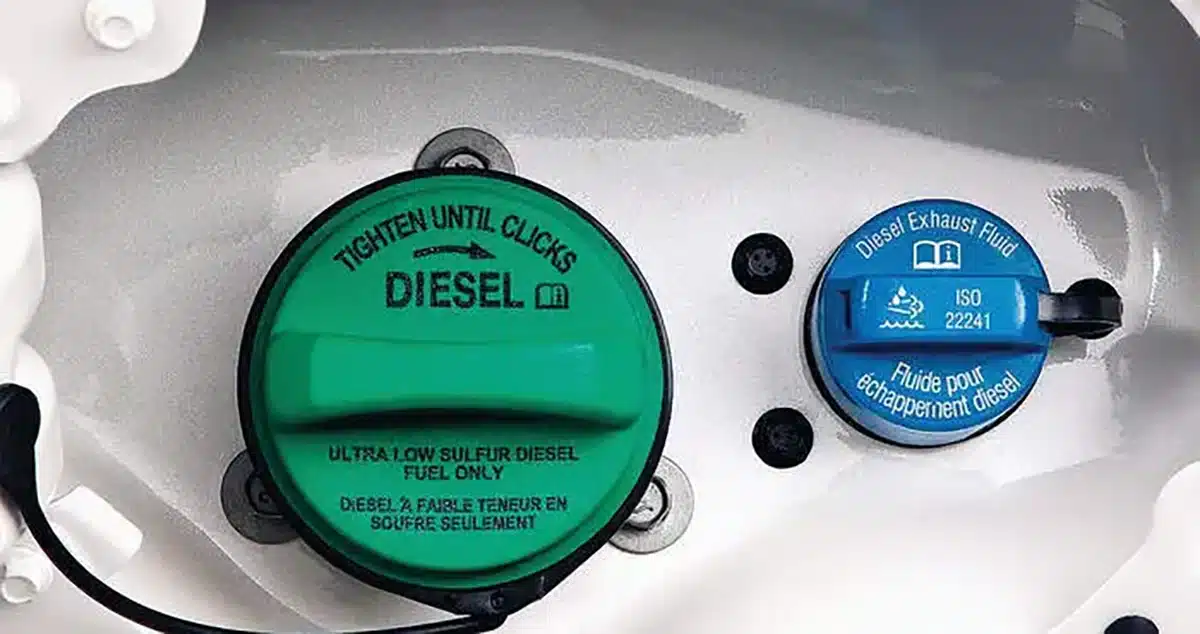
Diesel exhaust fluid, better known as DEF, has become a normal part of owning a modern diesel truck. But according to the American Petroleum Institute, many diesel owners still misunderstand how DEF works, how it expires and how using contaminated fluid could lead to expensive repairs.
In this Q&A interview, API’s Jeff Harmening explains why DEF quality matters, how improper storage can damage emissions equipment and why stocking old DEF in your garage may not be the money-saving move many truck owners think it is.
You can watch the video interview as well.
Why Does DEF Need To Be Certified?

Q: Why does the American Petroleum Institute certify DEF?
Jeff Harmening:
“When EPA regulations started coming into effect over ten years ago, the industry needed a reliable supply of high-purity DEF to ensure diesel vehicles could continue operating properly.”
According to Harmening, DEF quality became critical because modern diesel engines rely heavily on selective catalytic reduction systems, better known as SCR systems, to reduce emissions.
If DEF concentration is incorrect or contaminated, onboard diagnostics can trigger warning systems and eventually force the truck into reduced power mode.
In severe situations, drivers could find themselves limited to extremely low speeds until the issue is repaired.
API created its DEF licensing program to help consumers identify products meeting proper ISO purity standards.
How Can Bad DEF Damage A Diesel Truck?

Q: What actually happens if contaminated or expired DEF is used?
Jeff Harmening:
“You can end up damaging injectors, catalysts and potentially the entire SCR system.”
Harmening explained DEF is far more complex than many truck owners realize.
Modern DEF consists of:
- 32.5 percent automotive-grade urea
- Highly purified distilled or deionized water
Using tap water or improperly cleaned storage containers can introduce contaminants like:
- Calcium
- Sodium
- Magnesium
- Insoluble particles
Those contaminants can clog injectors, coat catalysts and damage emissions hardware over time.
And repair costs can become substantial quickly.
Replacing SCR system components can cost thousands of dollars depending on the vehicle and extent of contamination.
Does DEF Expire And How Should It Be Stored?
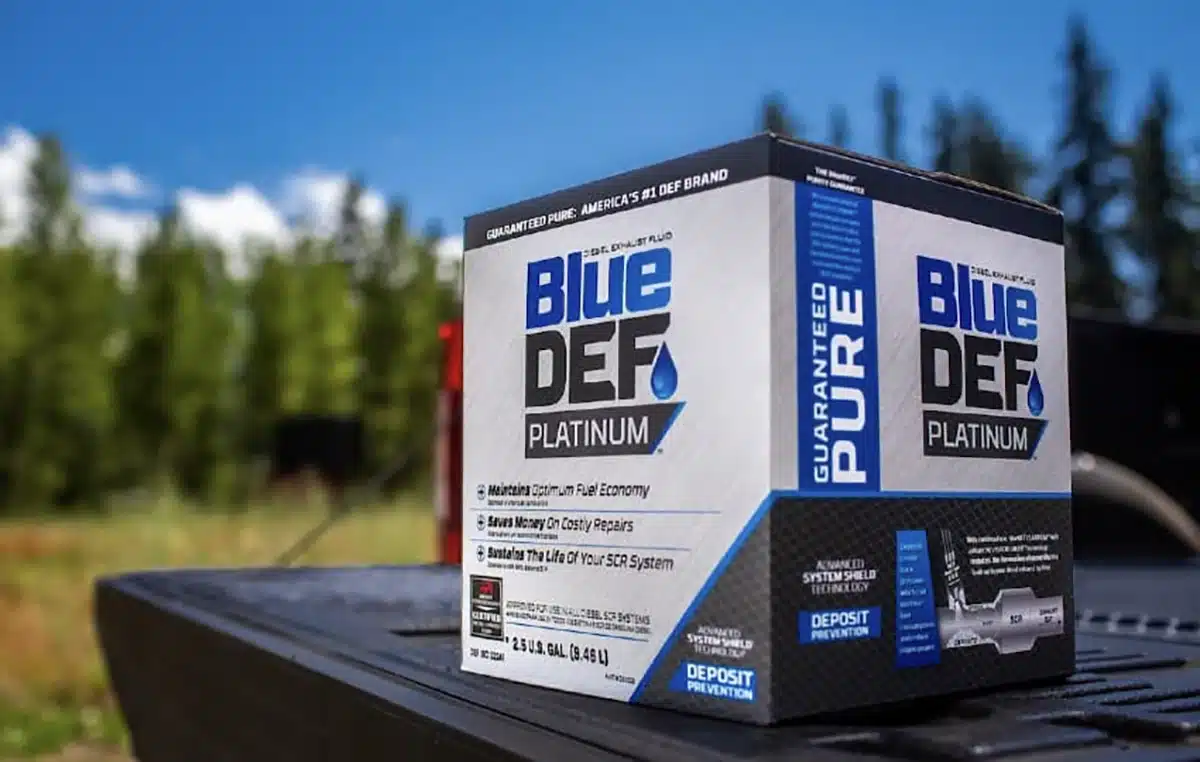
Q: Does DEF really expire?
Jeff Harmening:
“Yes. DEF absolutely has a shelf life.”
According to API, DEF shelf life depends heavily on storage temperature.
Harmening explained that temperatures above roughly 85 degrees Fahrenheit accelerate chemical breakdown inside the fluid. As temperatures increase, DEF begins producing compounds like biuret and excess ammonia, both of which can harm emissions equipment over time.
Typical shelf-life expectations include:
- Around 3 years when stored under 50 degrees
- Roughly 1 year if consistently stored around 85 degrees
That means storing spare DEF bottles inside a hot truck cab during summer months is not ideal.
Harmening recommends diesel owners rotate spare DEF regularly rather than stockpiling containers for years.
He also suggested checking manufacturing or expiration dates before buying DEF from store shelves because older bottles sitting in direct sunlight or hot storage conditions may already be degraded.
Is DEF Going Away Anytime Soon?

Q: With EVs gaining attention, is DEF still the future for diesel trucks?
Jeff Harmening:
“DEF is here to stay for a very long time.”
API expects DEF demand to remain massive as diesel trucks continue dominating commercial hauling and towing applications.
Harmening noted that DEF usage is becoming more common not only in heavy-duty commercial trucks, but also in:
- Light-duty diesel pickups
- SUVs
- Some diesel passenger vehicles
He also pointed out modern diesel trucks are becoming more efficient with DEF usage than earlier generations.
Instead of constantly refilling DEF tanks, many new diesel pickups now require DEF additions closer to normal oil change intervals.
That improvement, however, creates another potential issue. Since owners use less DEF overall, bottles may sit unused for longer periods and eventually expire before being poured into the truck.
(Editor’s Note – this interview was conducted back in 2020)
Today, the future of DEF and diesel emissions systems has become a hot topic politically as well. The Trump administration’s EPA policy changes have altered some of the DEF warning systems in diesel trucks and have changed how they want to determine whether DEF fluid is bad or not. As of this article’s post date, there has been no announcement to eliminate DEF altogether. Find all our article’s on emissions changes here.
Final Thoughts

DEF may not be the most exciting part of owning a diesel truck, but understanding how it works can save owners thousands of dollars in repairs.
The biggest takeaway from the interview is simple:
- Buy fresh DEF from reliable diesel exhaust fluid distributors
- Store it correctly
- Avoid long-term stockpiling
- Look for API-certified products
Modern diesel emissions systems are extremely sensitive to contamination, and something as simple as expired DEF or improperly stored fluid can create expensive problems down the road.
Disclosure: Links in this article are affiliate or sponsored links, which means we earn a commission if you click on them and make a purchase. This helps support the website and allows us to continue creating content.













1 reply
Loading new replies...
Administrator
Moderator
Join the full discussion at the Forum Pickuptrucktalk →