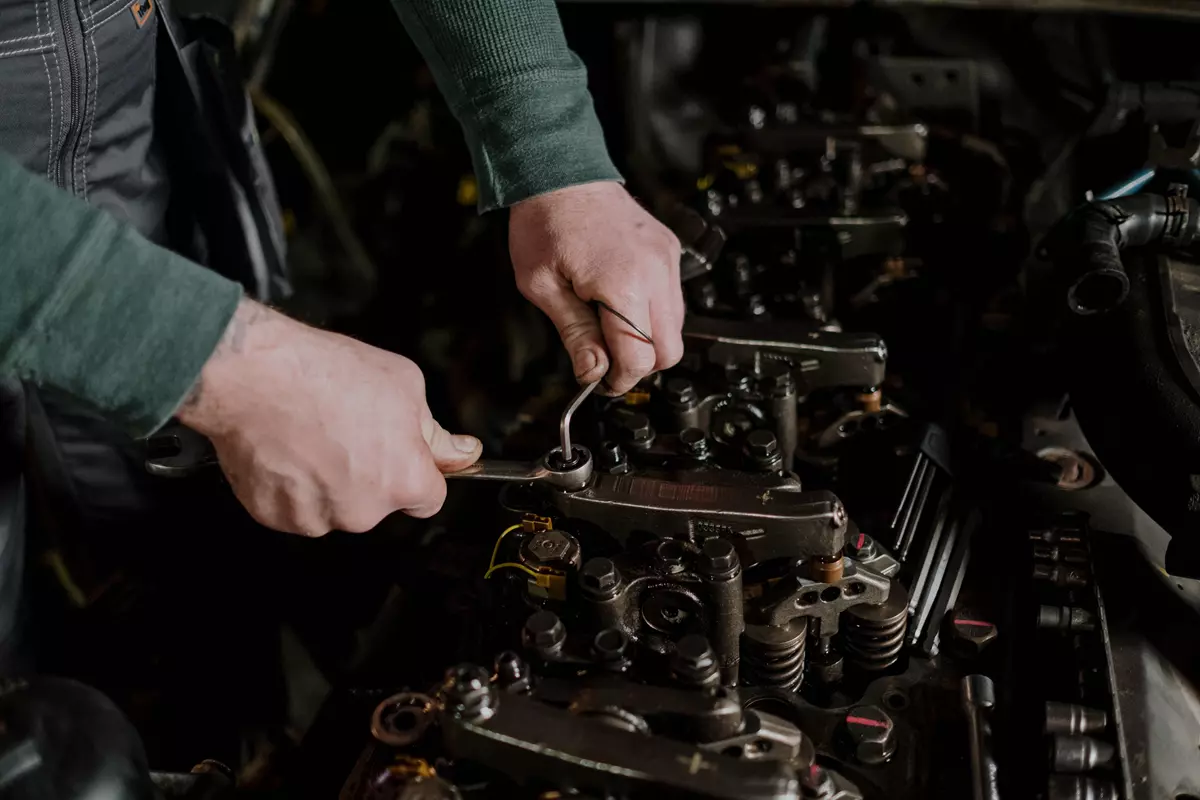
Winter has a nasty habit of exposing every bit of maintenance you decided could wait until later.
For diesel owners, that can mean a truck that ran perfectly all summer suddenly cranks without starting, loses power on the highway, or decides that single-digit temps are the perfect time to become an expensive lawn ornament. The immediate suspect is usually gelled diesel fuel. And while wax crystals can absolutely cause problems, there is another culprit that often gets overlooked: water.
That matters because modern high-pressure common-rail (HPCR) diesel fuel systems operate with extremely tight tolerances and use very fine fuel filtration. Water in the fuel system isn’t merely an annoyance. When temperatures drop below freezing, that water can freeze and restrict fuel flow to the high-pressure pump.
A little preventative maintenance in October or November can be considerably cheaper than a tow truck in December.
Start with the water

Fall temperature swings are particularly good at creating condensation. A warm afternoon followed by a cold evening can cause moisture to form inside a partially filled fuel tank. Over time, that water settles.
Water is heavier than diesel, so it naturally collects at the bottom of the fuel tank. If enough accumulates, it can eventually make its way into the fuel system. When temperatures fall below 32°F, that moisture can freeze and restrict fuel flow.
One approach is to use a quality water-dispersing fuel treatment before winter arrives. A product such as Clear-Diesel Fuel & Tank Cleaner is designed to help deal with accumulated water and fuel-system contamination. The idea is simple: address the water while it’s still a liquid instead of waiting until it’s an ice cube sitting somewhere it absolutely shouldn’t be.
The important part is timing. Once the water has frozen in a fuel filter or line, you’re no longer doing preventative maintenance. You’re doing roadside troubleshooting.
Replace the Fuel Filters

Fall is also a good time to replace the fuel filters. A filter that’s already partially restricted by dirt, sediment, or contamination doesn’t have much margin left when winter arrives. Cold temperatures can cause diesel fuel to become more difficult to filter, while wax crystals can begin forming as the fuel approaches its cloud point.
That means a filter that’s merely “a little dirty” in October can become effectively plugged in January.
HPCR systems are especially unforgiving because their fuel-system components operate at extremely high pressures and depend on clean, properly flowing fuel. Changing the filter before winter is cheap insurance compared with trying to diagnose a fuel-starvation problem beside the road.
If your truck has a replaceable water separator or secondary fuel filter, don’t forget that one too.
Drain the Water Separator
That little drain valve underneath the truck exists for a reason. Water separators are designed to collect water before it reaches sensitive components of the fuel system. Unfortunately, they’re not magical devices that eliminate the need for maintenance.
Check the separator according to the manufacturer’s recommended service interval and drain any accumulated water. This is especially important going into winter because water trapped in the separator can freeze. And frozen water isn’t particularly interested in respecting your fuel system’s carefully engineered tolerances.
Depending on the design, freezing moisture can restrict fuel flow or potentially damage a separator housing. Either way, the result is something you don’t want to discover when you’re trying to get to work.
Give the Batteries a Test
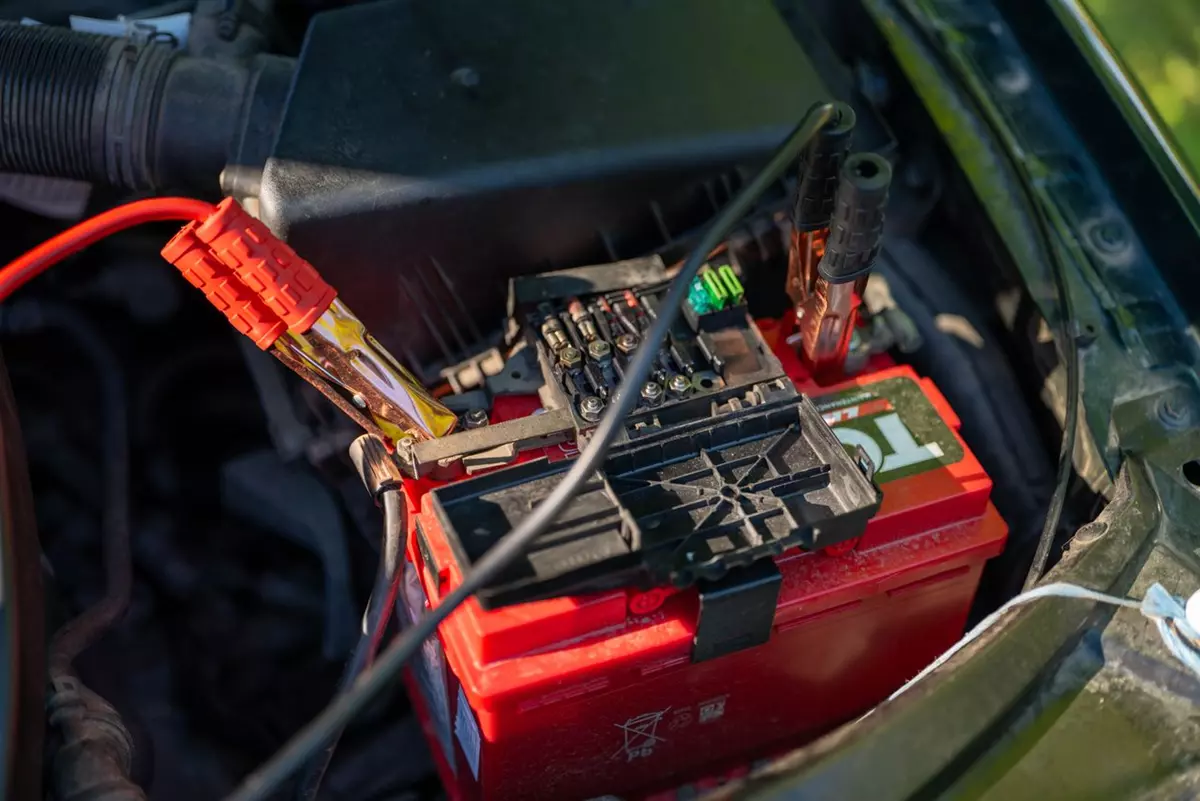
Diesels are particularly dependent on strong batteries because starting the engine requires considerable cranking power. Cold temperatures make that job harder. Engine oil becomes thicker when temperatures fall, increasing the resistance the starter has to overcome. At the same time, a battery’s available cranking capacity decreases in cold weather.
A battery that starts the truck effortlessly at 55°F may suddenly reveal a weak cell when the thermometer says 15°F.
Before winter, have the batteries load-tested. Clean corrosion from the terminals and make sure the connections are tight. If the truck uses dual batteries, test both. A weak battery can drag the entire starting system down.
Don’t forget the cold-start equipment, either. Depending on the engine, that could mean glow plugs, intake heaters, or grid heaters. Verify that the system is actually cycling correctly. A diesel with healthy batteries and perfectly good fuel isn’t going to be particularly happy about starting if its cold-start system isn’t doing its job.
Biodiesel Changes the Equation
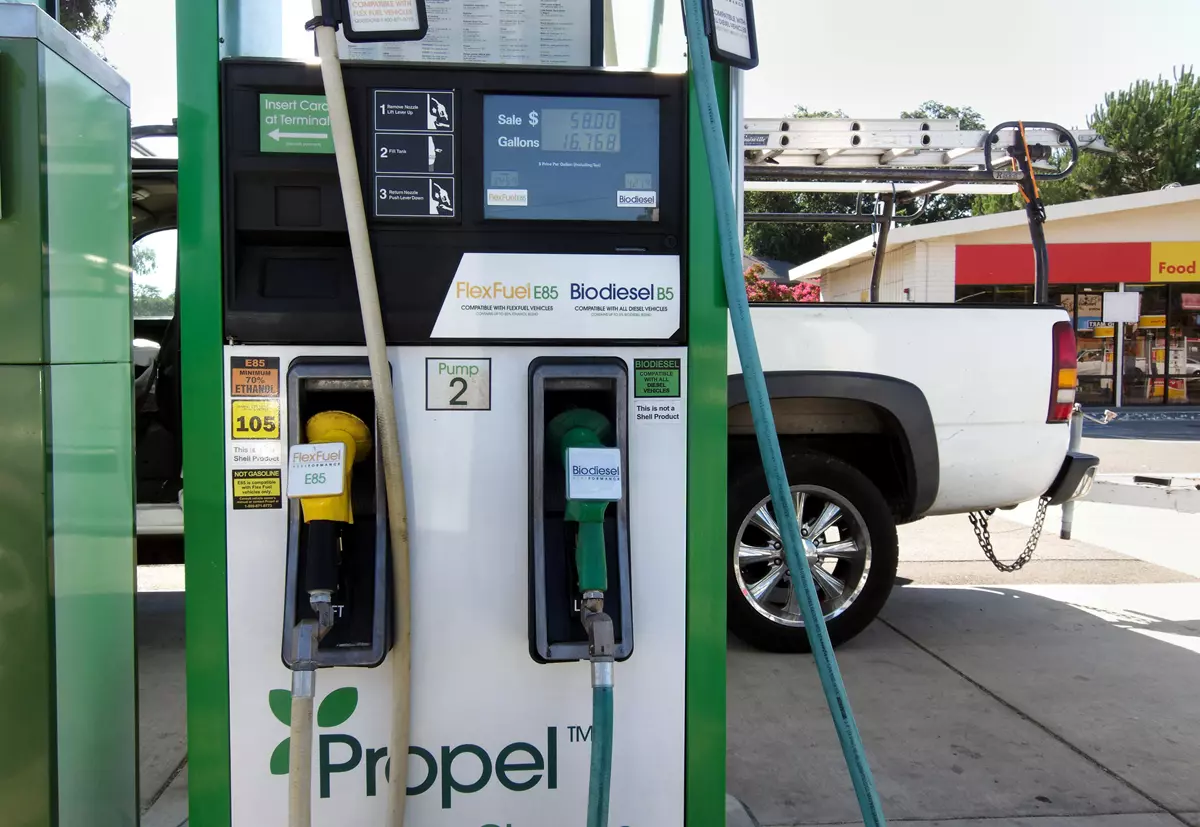
There’s another variable diesel owners need to consider: biodiesel.
Many drivers are using blends ranging from B5 to B20, including during colder months. Biodiesel has some useful properties, but it also changes how fuel behaves in cold weather.
One consideration is water. Biodiesel is hygroscopic, meaning it has a tendency to absorb and retain moisture. That can complicate water management because the moisture isn’t necessarily going to behave like a separate puddle of water waiting conveniently at the bottom of the separator.
Biodiesel blends can have higher cloud points than conventional No. 2 diesel. As temperatures fall, wax and other fuel components can begin forming crystals. Eventually, those crystals can restrict the filter and starve the engine of fuel.
That’s why winter fuel treatment matters more than simply tossing something into the tank after the first blizzard.
A quality wax-crystal modifier, such as Diesel Fuel Supplement +Cetane Boost, can help improve cold-flow performance and provide protection against fuel gelling and filter icing in biodiesel blends up to B20. As with any fuel additive, follow the manufacturer’s dosage and compatibility recommendations rather than assuming more is better.
Don’t Make Winter Your Maintenance Schedule
The best time to prepare a diesel for winter is when it’s still pleasant outside. Run through this checklist:
- Drain the water separator.
- Replace the fuel filters.
- Address moisture in the fuel system.
- Check the batteries.
- Verify the glow plugs or grid heater.
- If you’re running biodiesel blends, make sure the fuel and treatment strategy you’re using is appropriate for the temperatures you’re expecting.
None of these jobs is particularly glamorous. Nobody brags about changing a fuel filter at the coffee shop. But preventive maintenance rarely gets much respect until the alternative is sitting beside a frozen highway waiting for a tow truck.
Diesel engines are remarkably durable machines, but they aren’t immune to the weather. Winter doesn’t care whether you were planning to deal with any of the problems it brings later.
Do it now.