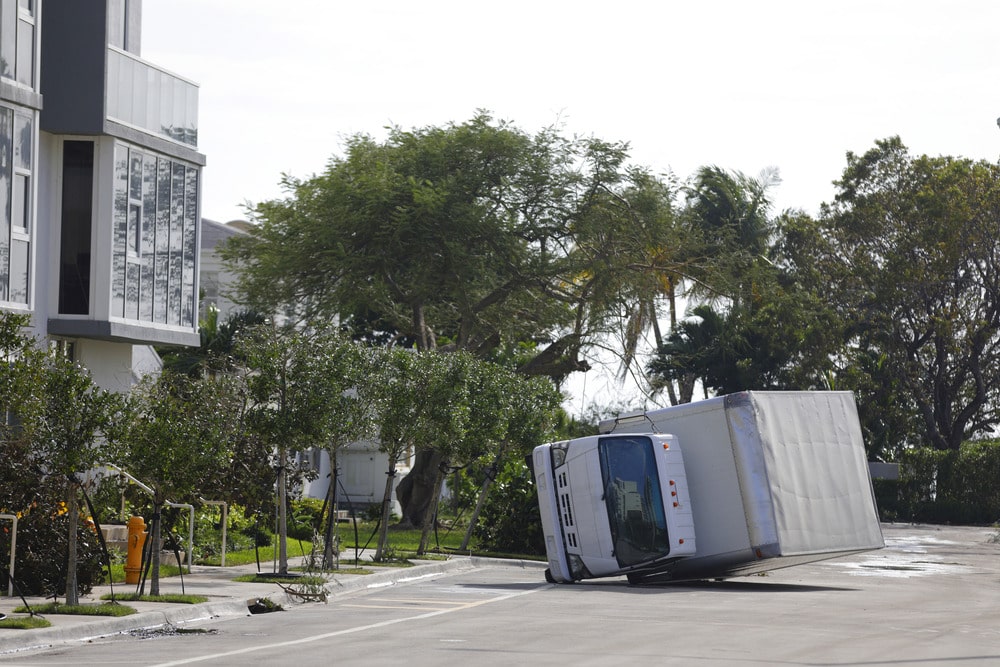
A truck crash leaves more than broken metal behind. It can leave unanswered questions about the driver, vehicle, cargo, and company responsible for putting that truck on the road. Answers may not appear in a police report or at the crash scene. They can be found in records, electronic data, maintenance files, and company decisions.
Commercial truck accident claims can involve several layers of responsibility. A careful investigation asks what happened before the collision, what caused it, and who may have played a role.
Driver Records Can Reveal More Than the Crash Scene
A driver’s actions matter, but the investigation should not stop with a statement about what happened. Driving records may show how long the driver had been working, whether required rest periods were followed, and whether fatigue could have affected judgment.
Training records can provide information. They may show whether the driver received proper instruction for handling a large commercial vehicle, carrying certain loads, or dealing with difficult road conditions. A review of licensing information and prior safety concerns may add another piece to the story.
These records do not automatically prove fault.
Truck Maintenance Records May Point to Preventable Problems
A truck can look fine from the outside while having a mechanical problem that matters to a crash. Brake systems, tires, steering parts, lights, and other equipment need regular inspection and care.
Maintenance records can show whether required checks were completed and whether known problems were repaired. An attorney may look at work orders, inspection reports, repair invoices, and records showing repeated problems with the same part.
This information can help answer an important question: was the truck reasonably safe to operate before the crash? If a problem had been reported but was not addressed, that fact may deserve further investigation. Maintenance history can help identify whether another company responsible for servicing the truck should be considered.
Cargo and Loading Practices Can Change the Liability Picture
The way cargo is loaded can affect how a commercial truck handles on the road. Heavy, loose, shifted, or poorly balanced cargo may create serious safety concerns. A load that moves during travel can affect steering, braking, or stability.
That makes loading records worth examining. Attorneys may review shipping documents, weight information, inspection records, and details about who loaded and secured the cargo. They may ask whether the truck was carrying more weight than allowed or whether the cargo was secured according to safety requirements.
Responsibility does not always rest with the driver. Depending on the facts, a shipper, loading company, carrier, or another party may have played a role. Finding that connection requires looking at the entire process rather than focusing on the crash alone.
Electronic Data Can Preserve Details People Forget
People can remember a collision differently, especially after a frightening event. Electronic information can provide another source of facts. Commercial trucks may contain electronic logging information, GPS data, and other records that help establish movement and activity.
Such data may help show the vehicle’s route, driving time, speed, or other details relevant to the investigation. It can help compare a driver’s account with information recorded by the truck or related systems.
Preserving this information early can be important. Some records may be retained for limited periods or become harder to obtain as time passes. An attorney can identify potentially useful sources and take steps to preserve relevant evidence before it disappears or becomes difficult to access.
Company Policies Can Reveal Problems Behind the Crash
A truck accident may involve decisions made far away from the roadway. A trucking company’s hiring, training, scheduling, supervision, and safety practices can affect how its drivers and vehicles operate.
For example, an attorney may examine whether a driver was properly trained, whether safety concerns were reported, or whether scheduling practices created pressure to stay on the road too long.
This does not mean a company is automatically responsible for every crash involving its vehicle. That broader view can help separate a mistake from a pattern of unsafe conduct that deserves closer legal attention during review. It means company conduct may deserve review if the facts raise questions about supervision, safety, or compliance.
The Full Cost of an Injury May Not Be Immediately Visible
The effects of a serious truck crash may continue long after a person leaves the hospital. Treatment can involve follow-up appointments, rehabilitation, medication, or future procedures. An injury may make it harder to return to the same job or work the same number of hours.
For that reason, attorneys may gather medical records, employment information, wage records, and other documents that show the impact of an injury.
A Closer Investigation Can Reveal the Bigger Picture
Strong commercial truck accident claims are often built from many small pieces rather than one dramatic piece of evidence. Driver records, maintenance history, cargo documents, electronic data, and company practices can each answer a different question. Together, they may reveal a clearer picture of what happened and whether more than one party may be responsible.
For an injured person, this is one reason a careful legal investigation can matter. An attorney can help identify relevant records, preserve evidence, examine possible sources of fault, and document the full impact of an injury. The goal is not simply to revisit the crash. It is to uncover facts that may otherwise remain overlooked and make sure the claim reflects the complete story.