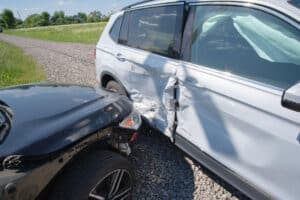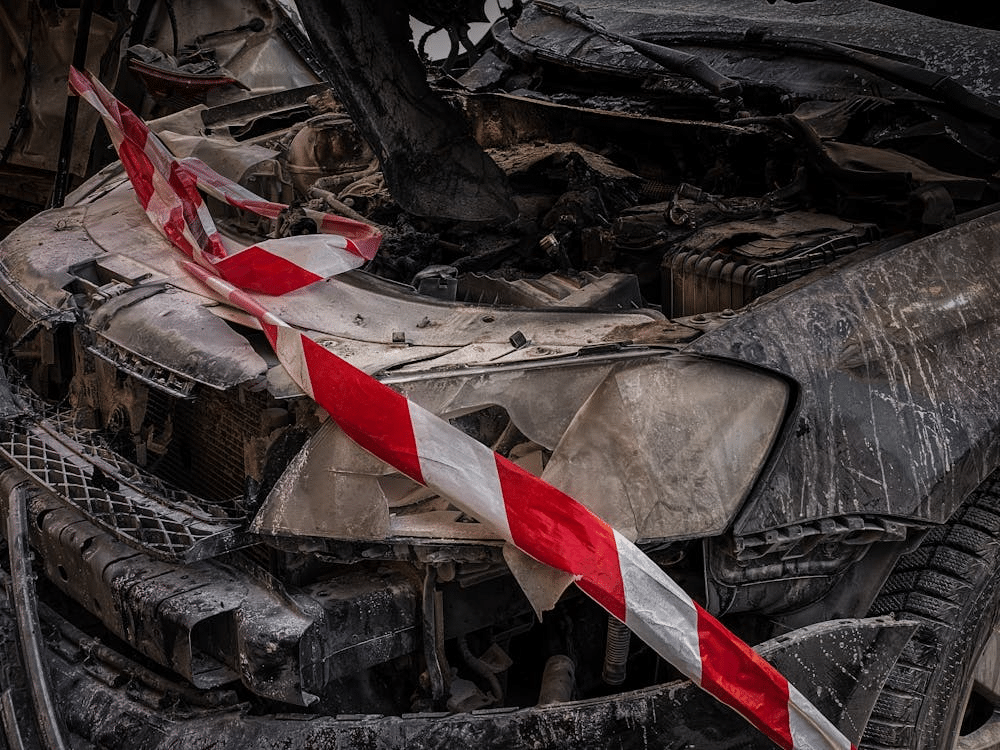
According to the Florida Department of Highway Safety and Motor Vehicles’ 2023 crash data, St. Petersburg recorded over 8,400 traffic crashes — that’s roughly 23 accidents every single day in a city where many residents commute along congested corridors like I-275 and US-19. When you’re sitting in your damaged vehicle with adrenaline pumping and other drivers honking behind you, knowing exactly what to do in those critical first minutes can protect both your safety and your legal rights.
The stakes are particularly high in Florida, where the state’s no-fault insurance laws create a complex web of coverage requirements that catch many drivers off guard. Add St. Petersburg’s unique mix of tourist traffic, elderly drivers, and aggressive commuters, and you’ve got conditions where even minor fender-benders can escalate quickly — both at the scene and during the insurance claims process that follows.
What happens in the hour immediately after your crash often determines whether you’ll navigate the aftermath smoothly or find yourself fighting uphill battles with insurance adjusters, medical bills, and police reports. Here’s the step-by-step guidance that can make the difference when those crucial moments arrive.
What Immediate Steps Should You Take After a Car Accident?
The first 60 seconds after impact are about survival, not paperwork. Before you even think about exchanging insurance information, assess whether anyone needs emergency medical attention. If you’re conscious and can move safely, check on your passengers, then the occupants of other vehicles involved. Even if injuries seem minor — and adrenaline can mask serious trauma — call 911 if anyone reports pain, disorientation, or visible injuries.
Safety comes next. If your vehicle is drivable and you’re on a busy St. Petersburg street like Central Avenue or 4th Street, move to the shoulder or a nearby parking lot. Turn on your hazard lights immediately, and if you have road flares or reflective triangles, place them 100 feet behind your vehicle. Florida’s Move Over Law requires other drivers to change lanes when they see emergency vehicles, but they’re not always paying attention to accident scenes.
Once you’re in a safe location, document everything while details are fresh. Take photos of vehicle damage from multiple angles, the accident scene showing traffic signals or signs, skid marks, and the positions of all vehicles. Capture license plates, and photograph the other drivers’ insurance cards and driver’s licenses when they share them. Many people forget that Florida requires you to exchange specific information — names, addresses, driver’s license numbers, insurance company names, and policy numbers.
Avoid admitting fault, even in casual conversation. Phrases like “I’m sorry” or “I didn’t see you” can be twisted later during insurance investigations. Stick to factual descriptions: “I was traveling north on 4th Street when the collision occurred.” If the other driver becomes aggressive or tries to convince you not to call police, that’s actually a red flag that you should definitely involve law enforcement.
How Does St. Petersburg Police Handle Crash Reports and Investigations?
How to File a Police Accident Report in St. Petersburg
St. Petersburg Police Department responds to crashes involving injuries, deaths, or significant property damage, but they won’t always come to the scene for minor fender-benders. Florida law requires you to report any accident involving injuries, fatalities, or property damage exceeding $500 to the nearest law enforcement agency within 10 days. Even if police don’t respond initially, you can file a report at the St. Petersburg Police headquarters on 1st Avenue North.
When filing your report, bring your driver’s license, vehicle registration, insurance information, and any photos you took at the scene. The reporting officer will assign a case number that you’ll need for insurance claims. Be prepared to wait — St. Petersburg processes hundreds of these reports weekly, and during peak tourist season, the backlog can stretch longer than usual.
If the crash involved a hit-and-run, stolen vehicle, or suspected impaired driver, police will prioritize the response and conduct a more thorough investigation. You’ll receive a copy of the crash report within 60 days, though you can often access preliminary information online through the Florida Crash Portal using your case number.
What to Expect During a Police Crash Investigation
When officers do respond to the scene, they’ll interview all parties separately, measure skid marks and vehicle positions, and look for contributing factors like weather conditions or traffic signal malfunctions. Don’t be surprised if the initial police report doesn’t assign fault — officers often check “unknown” for the primary cause when the evidence isn’t clear-cut at the scene.
The investigation process can take weeks if there are complex factors involved. Officers will review any available traffic camera footage, interview witnesses, and may consult with accident reconstruction specialists for serious crashes. This is where having your own thorough documentation becomes crucial, because insurance companies often rely heavily on police findings when determining liability and settlement amounts.
What Legal and Insurance Rules Apply After a Car Accident in Florida?
Understanding Fault and Liability in Florida Car Crashes
Florida operates under a no-fault insurance system, which means your own Personal Injury Protection (PIP) coverage pays for your medical bills and lost wages up to your policy limits, regardless of who caused the accident. However, this doesn’t mean fault becomes irrelevant — it absolutely matters for property damage claims and for pursuing compensation beyond your PIP limits.
You can step outside the no-fault system and sue the other driver if your injuries meet Florida’s “serious injury threshold” — permanent injury, significant scarring, or medical expenses exceeding your PIP coverage. This is where fault determination becomes critical, and where many accident victims benefit from consulting with an experienced injury lawyer for car accident claims who understands Florida’s complex liability rules.
Property damage claims work differently — they’re not covered by no-fault rules. If the other driver was at fault, their liability coverage should pay for your vehicle repairs or replacement. However, if they don’t have insurance or their coverage is insufficient, you’ll need to rely on your own collision coverage or uninsured motorist protection.
Florida follows a “pure comparative negligence” rule, meaning even if you were partially at fault, you can still recover damages reduced by your percentage of responsibility. For instance, if you were 20% at fault and your damages total $50,000, you could still recover $40,000 from the other driver.
How to Navigate the Car Insurance Claims Process
Contact your insurance company within 24 hours, even if the other driver was clearly at fault. Your insurer can help coordinate with the other driver’s insurance company and provide rental car coverage while your vehicle is being repaired. Many policies require prompt notification, and delayed reporting can complicate or even void your coverage.
Be cautious when the other driver’s insurance company contacts you directly. They’re not on your side — they’re trying to minimize their payout. Avoid giving recorded statements until you understand the full extent of your injuries and vehicle damage. Insurance adjusters often ask leading questions designed to get you to downplay your injuries or accept partial blame.
Common reasons insurance companies deny or reduce claims include coverage gaps, policy exclusions, disputes over fault determination, and insufficient medical documentation for injury claims. If your claim gets denied or you’re offered a settlement that seems inadequate, you have the right to dispute their decision through your state insurance commissioner or through legal channels.
What Are the Most Common Causes and Risks of Car Accidents in St. Petersburg?
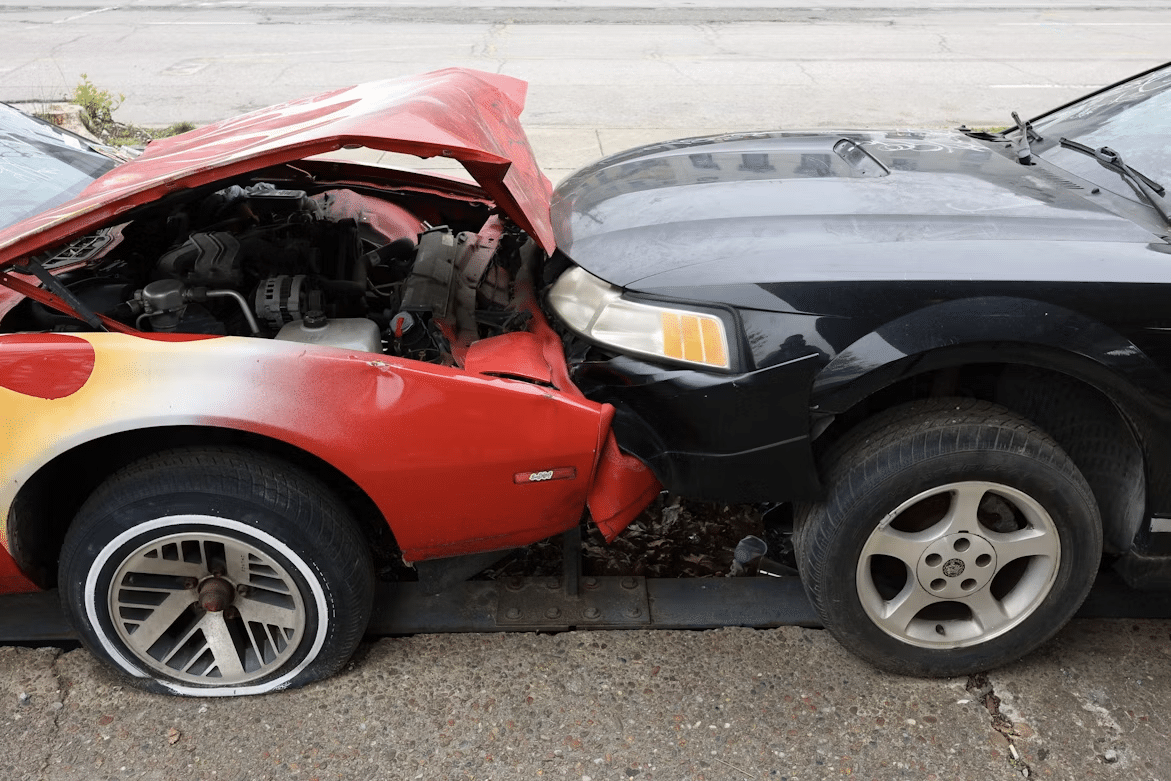
Distracted driving tops the list of accident causes throughout the Tampa Bay area, with texting and phone use contributing to roughly one in four crashes. St. Petersburg’s tourist-heavy areas like Beach Drive and the downtown waterfront see particularly high rates of distracted driving accidents, often involving drivers unfamiliar with local traffic patterns who are simultaneously trying to navigate and sightsee.
Aggressive driving and speeding create dangerous conditions on St. Petersburg’s major thoroughfares. I-275 through downtown sees frequent rear-end collisions during rush hour, while US-19 has earned a reputation as one of Florida’s deadliest roads due to its combination of high speeds, frequent traffic lights, and mixed commercial and residential development.
Weather-related accidents spike during Florida’s rainy season from June through September. Sudden afternoon thunderstorms can create treacherous driving conditions on roads like Gandy Boulevard and the Howard Frankland Bridge, where wind and rain reduce visibility while drivers maintain highway speeds. Many transplants from northern states underestimate how slippery Florida roads become during the first few minutes of rainfall, when oil and debris create hazardous surfaces.
Intersection accidents are particularly common at major crossings like 4th Street and Central Avenue, where tourist traffic mixes with local commuters. Red-light running and failure to yield contribute to some of the most severe crashes in the city, especially involving pedestrians and cyclists in the downtown core and Grand Central District.
What Are the Physical and Psychological Impacts After a Car Accident?
Whiplash and soft tissue injuries often don’t manifest symptoms until 24-48 hours after the crash, which is why you should seek medical evaluation even if you feel fine initially. The sudden deceleration forces involved in even low-speed collisions can cause microscopic tears in muscles and ligaments that become painful and limiting over the following days.
Head injuries pose particular risks because symptoms can be subtle initially. Concussions don’t always involve loss of consciousness — confusion, headaches, difficulty concentrating, or changes in sleep patterns that develop after an accident can all indicate brain trauma that requires immediate medical attention.
Beyond physical injuries, many accident survivors experience anxiety, depression, or post-traumatic stress that can persist for months or years. The psychological impact often surprises people — suddenly feeling unsafe while driving, avoiding the location where the crash occurred, or experiencing panic attacks when hearing screeching brakes or seeing similar vehicles approach.
The financial stress compounds the emotional toll. Medical bills, lost wages during recovery, and vehicle replacement costs can create overwhelming pressure, especially when insurance disputes drag on for months. Understanding that these psychological responses are normal — and that support resources exist through healthcare providers and counseling services — becomes part of the overall recovery process that extends far beyond physical healing.
The moments after a car accident feel chaotic, but the decisions you make in those crucial first hours often determine how smoothly — or how difficultly — the weeks and months ahead will unfold.