How many ways can you realistically improve on the formula of an engine in the front, a cab in the middle, and the bed behind? It’s been over a century since the first factory pickup bed option hit the market in the US. Since then, a steady combination of gimmicks and features has come to define the breed. Over the years, some trucks did it better than others. Fewer still were truly innovative trucks, because it genuinely is difficult to improve on such a simple formula.
Today, let’s take a leisurely look back at five of the most innovative trucks to ever grace American roads. As it turns out, not all of them were built by the three or four major truck makers still in it today. Many of them have been lost to history for a long time by now. Others? Well, it’d take time before people realized their genius.
Chevrolet Avalanche 2500: Capable Truck, Interesting Form Factor
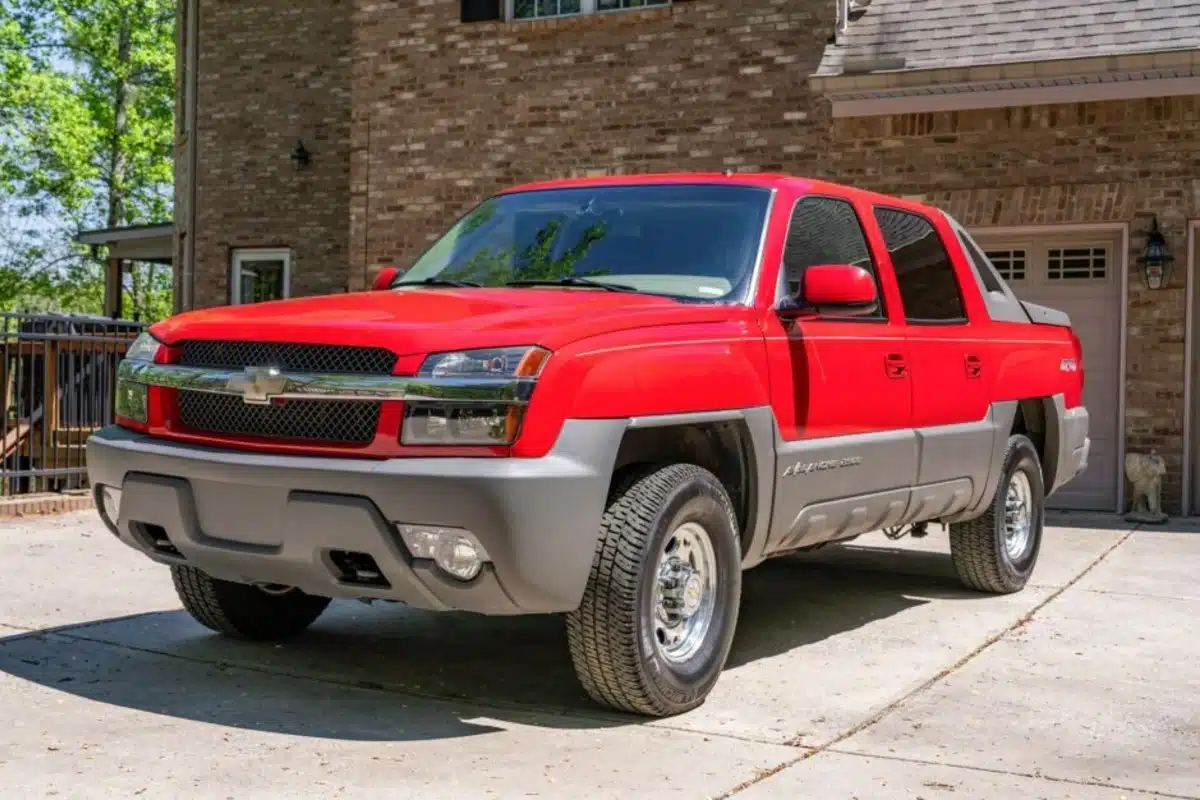
People still give the old Chevy Avalanche a ton of grief, and for what reason? One can only assume that when you’re part truck and part full-size SUV, the Avalanche made 2000s-brained people’s heads hurt. Many wrote off the GMT805 platform the Avalanche rode on solely because it shared real estate with the Suburban. Suffice it to say, folks didn’t know what they were missing.
A touch over 9,500 Gen-I Avalanches rode the heavy-duty 2500 chassis. In short, these were purpose-built frames intended for grueling police, private industry, and government applications. Complete with a heavier-gauge steel frame, rugged rear leaf springs instead of coils, and colossal fourteen-bolt floating rear axles, these Avalanche 2500s were different beasts entirely. At its heart, every Avalanche 2500 packed an 8.1-liter 8100 Vortec V8 based on the old-school Big-Block architecture.
Why It Was Ahead of Its Time
That’s without mentioning the clever pass-through removable mid-gate that extended bed space into the Avalanche’s cabin. It’s a quirk even modern flagship Chevy/GMC electric trucks use to great effect. In the Avalanche, it extended a standard five-foot-three bed into one that was as large as eight feet and one inch. How more people didn’t lose their minds at those statistics is anyone’s guess, but it doesn’t stop there.
With 320 horsepower and 440 lb-ft of torque at hand, a beefed-up 4L85-E four-speed automatic could handle the strain of hauling 12,000 lbs or more. It goes without saying, GM could probably sell millions of these today, given the same useful bed arrangement and a powertrain even remotely as desirable. That mid-gate alone makes it ahead of its time, but the 2500’s chassis and engine make it awesome for the rest of us.
Jeep Comanche (MJ): Half-Cherokee, Half-Truck, Almost Perfect
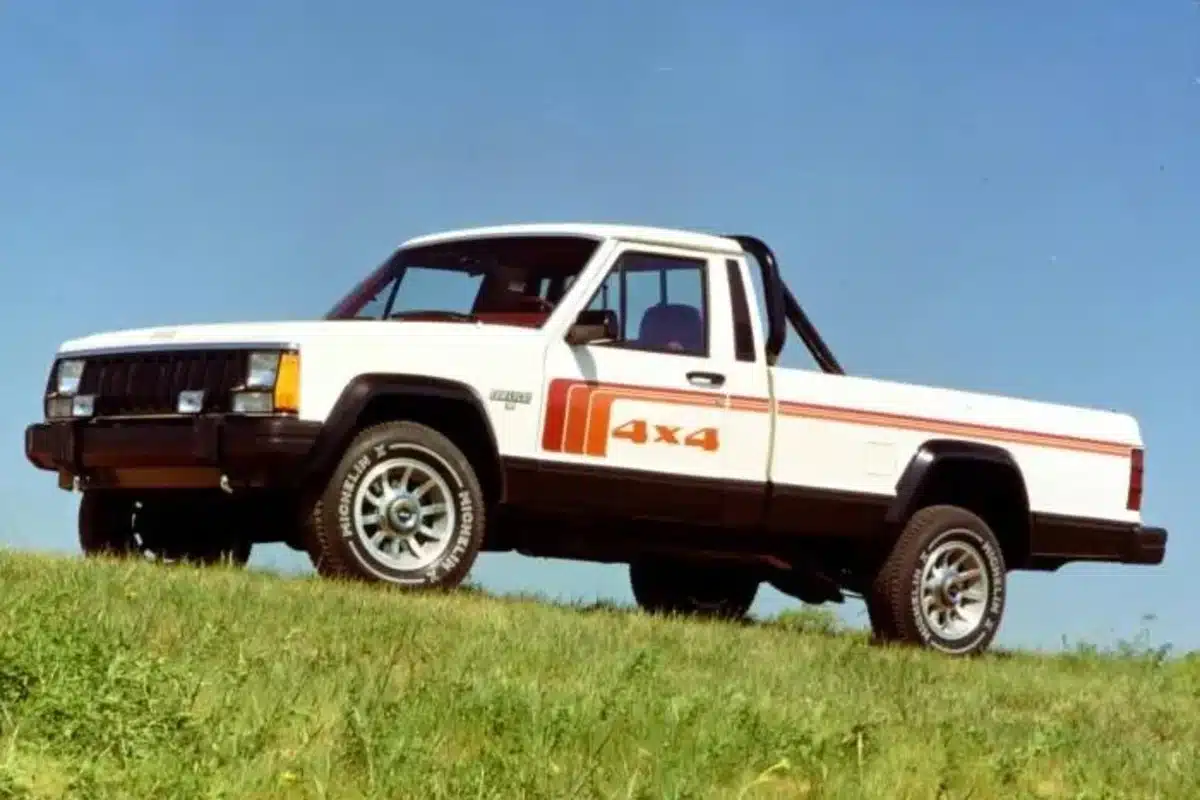
People still can’t agree whether a unibody truck is “a real truck.” If you’re among those, then oh boy, Jeep made a truck in the ‘80s and ‘90s that’ll make your head spin. You see, the MJ-series Jeep Comanche was a typical unibody Cherokee at the front. Ostensibly, it wasn’t a truck by any stretch. Behind the cab, the Comanche’s “Uniframe” construction made it capable of handling tow loads that’d make similarly sized trucks snap in half.
At a time when Jeep’s new owners at Chrysler needed innovative trucks to remain competitive, the Comanche was quietly doing it right alongside the Ram that everyone knows and loves. Today, the Comanche is little more than a footnote, and it really shouldn’t be.
Why It Was Ahead of Its Time
Just think about it—the Comanche was sized like a Ranger, yet its four-liter AMC-sourced straight-six meant it could tow 5,000 lbs with the optional Dana 44 rear axle and heavy-duty leaf springs. That’s a figure closer to a full-size truck like an F-150, clearly punching above its weight. As a result, the Comanche was surprisingly quick and nimble for a pickup.
The engine was bulletproof, its dimensions weren’t ridiculous, and it had more real-world practicality than a Gladiator as a result. Does it make sense in 2026-27 to design a similar half-body-on-frame, half-unibody truck today? Certainly, there’s an argument to be made there—it feels like the mid-size truck market is a little thin these days, doesn’t it?
Dodge Lil’ Red Express: The Original Performance Truck
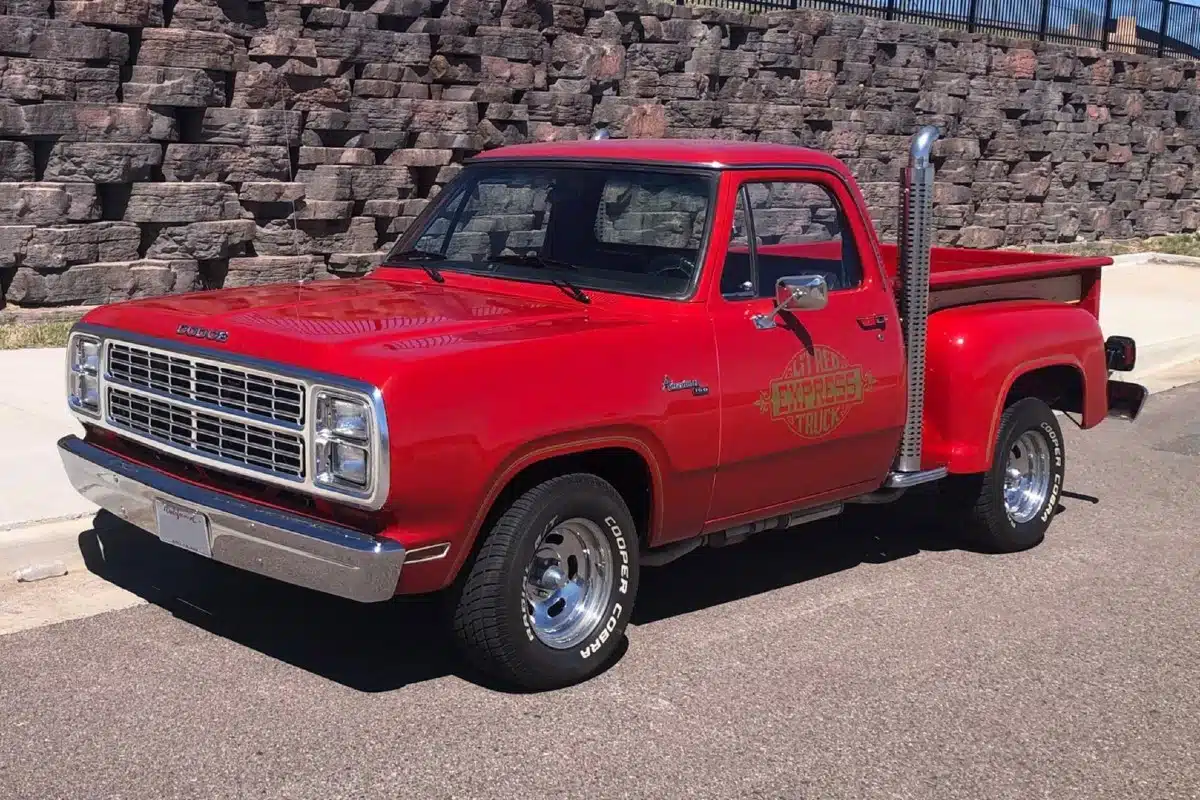
There was the temptation to put the Honda Ridgeline here for effectively inventing the lifestyle light truck. Still, come on, picking a Ridgeline over a beefed-up Dodge D-150 with the 225-horsepower V8 out of a cop car and dual semi stacks deserves to get you shunned. The polar opposite of a compliance truck, Dodge chose to shove as much motor under a truck’s hood as possible precisely because it skirted EPA regulations.
At the time, strict emissions regulations primarily pertained to passenger cars, but big old full-size trucks? Those were far less heavily regulated. The Lil’ Red Express’ 6,100-lb gross weight meant neither the feds nor the California nanny state could touch it. That’s how a totally de-restricted 360-cubic-inch V8 from the Monaco Police Interceptor wound up whisking this truck to 60 in around seven seconds flat. From a dig to 100 mph, it was faster than a Porsche 924 of the period, let alone a Corvette or Trans Am.
Why It Was Ahead of Its Time
Every Ram TRX or SRT-10, every F-150 Raptor or Shelby American, and any performance-oriented pickup truck can trace its roots directly back to the Lil’ Red Express. Without any weight to lug around in the rear bed, it turns out the truck form factor takes remarkably well to powertrain mods and sporty handling packages.
Today, good working-order Lil’ Red Express trucks with numbers-matching drivetrains are $50,000 collector’s trucks. Its value is at least partially derived from its status as the performance pickup’s earliest common ancestor. You should remember that the next time you’re gawking at a TRX at your local Mopar dealer.
International Harvester Travelette: Say Hello to the Crew-Cab
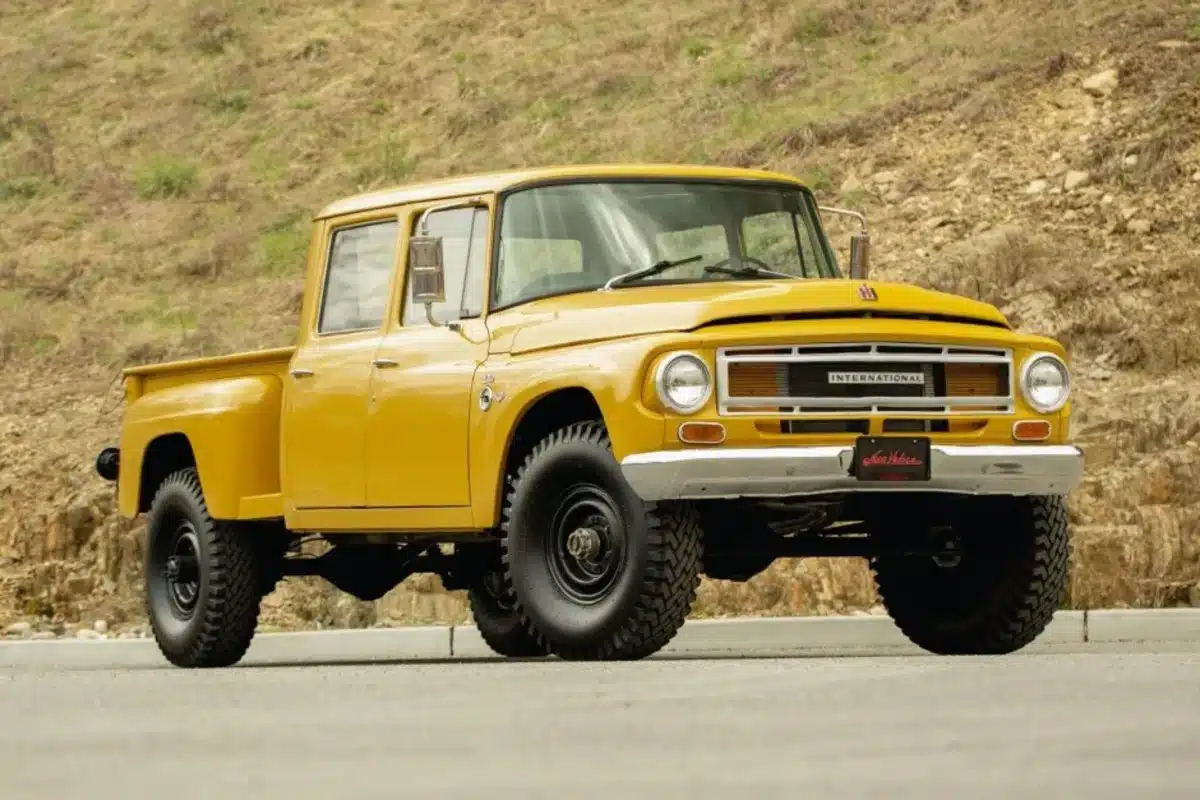
Before 1957, pickup trucks were closer to tractors than they were road vehicles. It was to the point where that classic formula of a cab, and bed, and an engine, was more of a detriment than a selling point. Three grown adults struggled for comfort in the bench seats of most trucks, even if they were less cumbersome than modern folding middle seats. Either way, they weren’t places you’d want to spend more than half an hour or so at a time.
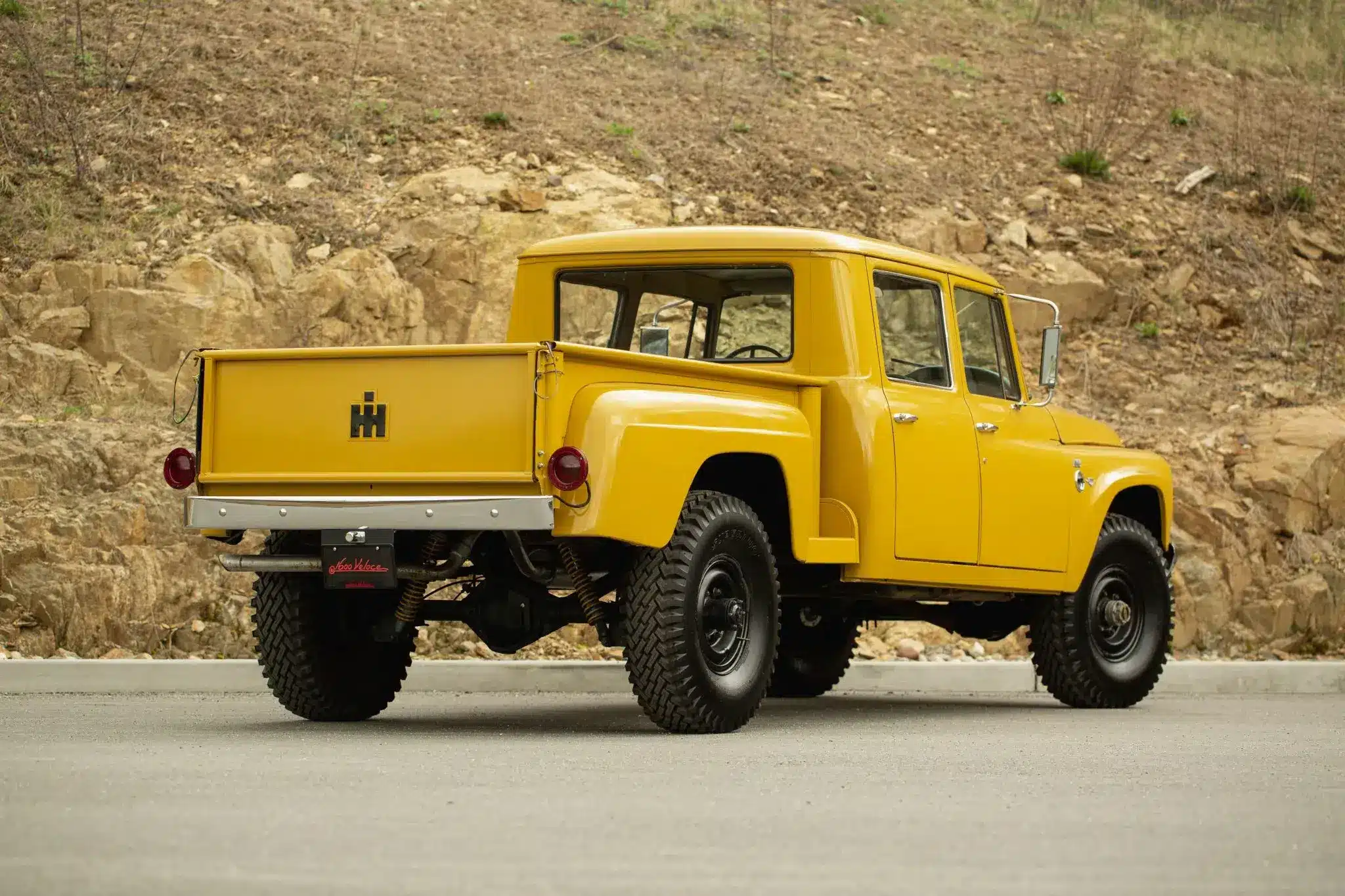
Believe it or not, it wasn’t Chevy, Ford, or Chrysler that figured out crew cabs first. Instead, it was International Harvester of Chicago, attempting to provide a better fleet vehicle for railroad and construction crews, that gave us the Travelette. With a front fascia almost like a passenger car’s and a funky three-door cab behind it, the Travelette was, by most accounts, a Travelall SUV paired to the front end of an A/B-series pickup. In the end, the results were shockingly modern. Later C-Series trucks added a fourth door, one on either side in the rear.
Why It Was Ahead of Its Time
Let’s be real, it doesn’t take a rocket scientist to figure this one out. These days, conservative estimates peg crew cab quarter-tons as accounting for 85% of the market in the United States. In all likelihood, it’s probably even higher than that, possibly even north of 95% In a market as hot as this, that means something especially profound.
It’s an absolute crime that the Travelette line isn’t a household name. It definitely innovated like an icon, but one can only assume that alone isn’t enough to cut it. Perhaps, on a long enough timeline, Ford or GM would’ve done it first instead, but they didn’t. That means International Harvester’s earned its spot in history, even if you’ve never even heard of them.
Lincoln Blackwood: Both Comically Wrong and Perfectly Right at the Same Time
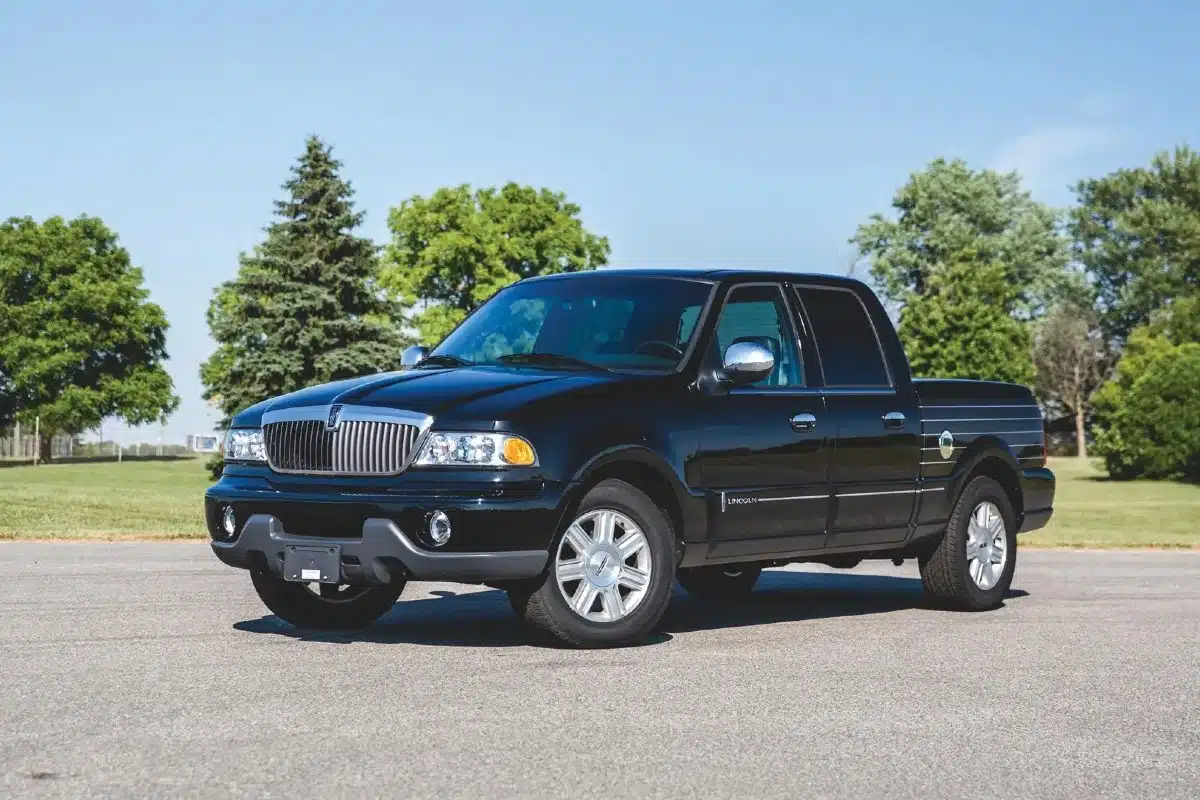
Making fun of the Lincoln Blackwood is the low-hanging fruit of the truck world. It’s not clear who at FoMoCo decided to line its rear bed with what looks like the interior trim in an overpriced condo. Nor was it clear who decided it didn’t need to have four-wheel-drive, or any kind of off-road capability whatsoever. Certainly, it made the tenth-generation F-150-based Blackwood pretty impractical as a truck. Only 3,383 Blackwoods were ever sold, making it a miniature Edsel-scale disaster right underneath people’s noses.
That didn’t mean the idea of a luxury-forward full-size truck didn’t have its merit. Given the trajectory the luxury SUV market took in the early-2000s, it was only a matter of time before the same happened with trucks. The only two sins Lincoln committed on that front were the execution of said luxury and a lack of truck-like capability.
Why it Was Ahead of Its Time
Truth be told, turning every full-size truck into a Mercedes-Benz or Lexus analog might be more of a blight than a blessing. Just look at the average dealership these days, and you’ll be liable to find fully-loaded six-figure luxury barges taking up a chunk of that inventory. One thing’s clear so far as the Blackwood was concerned: it most certainly created the formula years before the competition.
Had one or two items been done differently, the Blackwood could’ve been a sales bonanza. In the end, the timing was just a little bit off. Was it forward-thinking? The answer should be obvious, but probably not for a good reason.
BONUS: Chevy S-10 EV/ Ford Ranger EV: The Ancestor of Every EV, PHEV, and EREV Pickup
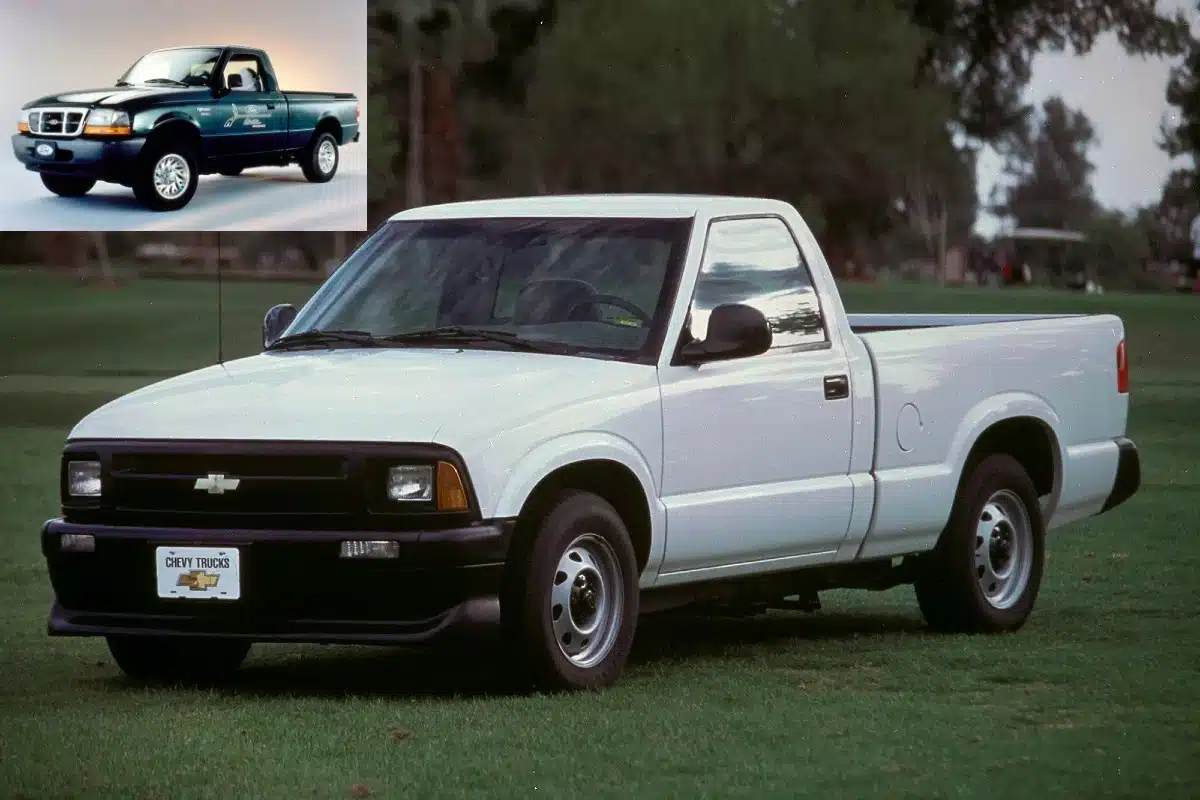
Let’s get one thing straight, all-electric full-size trucks are effectively a dead end in 2026. Only Rivian, Tesla, and GM still offer them new. At the same time, it doesn’t mean introducing some degree of electrification to the pickup sector was a bad idea. Something had to lead the way towards plug-in hybrids and diesel-electric range extenders that folks actually want to buy.
In the US, that came in the form of the Chevrolet S-10 EV and Ford’s Ranger EV. As a part of the same CARB-era compliance fleet of vehicles meant to satisfy stringent state emissions standards, the S-10 EV ran the same lead-acid and nickel-metal hydride batteries, plus the same AC motor as the famous GM EV-1. On the Ford side, the Ranger EV used a Siemens AC motor with either lead-acid or NiMH batteries. In the end, CARB loosened some of its more oppressive emissions standards, and their associated compliance cars lost their purpose.
Why They Were Ahead of Their Time
Even if we resent electrification, introducing America to the wonder of low-end electric torque was a net good for the truck sector. Full-on EV pickups might still be impractical, and in some cases downright unusable. Even so, there may come a time when every diesel truck runs a hybrid setup not too dissimilar to a locomotive.
If they do, then the electric motor and battery hardware they support will have had their start with two flimsy little compacts with drivetrains gathered from elsewhere. In the truck space, that’s just how innovation works sometimes.