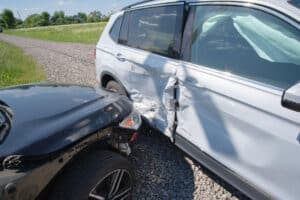
Truck accident claims are fundamentally different from ordinary car crash cases. The injuries are more severe, the legal issues are more complex, and the financial stakes are dramatically higher. Unlike minor collisions, commercial trucking crashes often involve catastrophic harm, permanent disability, or wrongful death. These realities make valuation anything but simple.
Our truck accident attorney in Houston approaches truck accident cases with the understanding that no formula can capture their true worth. Each claim must be evaluated based on facts, liability dynamics, long-term consequences, and the legal environment surrounding commercial carriers.
The Scale of Harm in Commercial Truck Collisions
When an 80,000-pound tractor-trailer collides with a passenger vehicle, the trauma can be devastating. Victims frequently suffer traumatic brain injuries, spinal cord damage, internal organ trauma, and fatal injuries. The long-term costs associated with these injuries extend far beyond immediate medical bills.
Catastrophic injuries often require lifelong care, assistive devices, home modifications, and ongoing rehabilitation. Future medical expenses can reach millions—lost earning capacity compounds the financial impact, especially when victims are young or highly skilled professionals.
The severity of harm alone makes valuation complex, because damages must account for a lifetime of consequences, not just the first year after the crash.
Multiple Layers of Liability
Truck accident cases are rarely the result of just a single negligent driver. Instead, liability often extends across multiple parties within the commercial transportation chain.
Potential defendants may include:
- The trucking company
- The driver
- The trailer owner
- Maintenance contractors
- Cargo loaders or shippers
- Manufacturers of defective parts
Each party may carry separate insurance policies with different limits. Determining who is responsible and how liability is allocated requires detailed investigation, regulatory knowledge, and strategic litigation planning.
Valuation becomes harder because damages must be matched against multiple insurance layers and legal theories.
Federal Regulations That Change the Legal Landscape
Strict federal rules under the Federal Motor Carrier Safety Regulations govern commercial trucking. These regulations impose duties that do not exist in ordinary car accident cases.
Key regulatory factors that influence valuation include:
- Hours-of-service limits and fatigue violations
- Driver qualification requirements
- Drug and alcohol testing mandates
- Electronic logging device data
- Maintenance and inspection obligations
- Safety fitness ratings
Regulatory violations often are powerful evidence of liability. When a trucking company violates federal safety rules, it can dramatically increase the value of a claim due to heightened negligence and potential punitive exposure. And if we catch the defendant in a lie, the case value will increase.
Understanding how these regulations apply requires specialized experience in commercial transportation law.
The Role of Corporate Negligence
Truck accident claims frequently involve corporate decision-making failures rather than isolated driver mistakes. Motor carrier negligence can include negligent hiring, inadequate training, unrealistic delivery schedules, or safety shortcuts designed to maximize profit.
Examples of corporate conduct that complicate valuation include:
- Hiring drivers with prior safety violations
- Encouraging hours-of-service violations
- Ignoring maintenance issues
- Failing to supervise drivers properly
- Incentivizing unsafe delivery timelines
When corporate negligence is present, damages may expand significantly. Jurors often respond strongly to evidence that a company prioritized profits over safety, increasing both compensatory and punitive exposure.
Catastrophic Injury Economics
Valuing a catastrophic truck accident claim requires advanced economic analysis. The true cost of injury extends far beyond initial hospital bills.
Key economic components include:
- Future medical care and life-care plans
- Lost lifetime earnings
- Loss of earning capacity
- Inflation-adjusted treatment costs
- Vocational rehabilitation needs
- Long-term assistive care
Life-care planners, economists, and medical experts are often required to accurately quantify these losses. Small assumptions in these projections can swing valuation by millions.
This level of complexity makes simplistic settlement formulas unreliable.
Non-Economic Damages and Human Impact
Truck accident cases involve profound human losses that cannot be captured by spreadsheets alone. Pain, suffering, emotional trauma, and loss of independence play a central role in valuation.
Non-economic damages often include:
- Chronic pain and physical suffering
- Mental anguish and PTSD
- Loss of enjoyment of life
- Loss of companionship
- Disfigurement and scarring
- Loss of consortium in wrongful death cases
Jurors evaluate these harms through storytelling and credibility, not formulas. The personal impact of an injury can dramatically influence case value depending on how effectively it is presented.
Wrongful Death Adds Another Layer of Complexity
When a truck accident results in death, valuation becomes even more complex. Wrongful death claims involve multiple categories of damages, pecuniary or financial losses, and human losses suffered by surviving family members.
These may include:
- Loss of financial support
- Loss of companionship and guidance
- Funeral and burial expenses
- Mental anguish of surviving relatives
- Survival damages for pre-death suffering
The deceased’s age, role in the family, and future earning trajectory all influence value. These deeply personal variables make settlement calculators unreliable.
Insurance Coverage and Policy Stacking
Commercial trucking cases often involve layered insurance structures. A single crash may trigger:
- Primary liability policies
- Excess or umbrella coverage
- Trailer interchange coverage
- Broker liability policies
- Shipper liability policies
Identifying all available coverage is critical. Policy stacking can dramatically increase a case’s financial ceiling, while coverage disputes can delay resolution and complicate negotiations.
Insurance carriers also deploy aggressive defense strategies, further affecting valuation dynamics.
Evidence, Complexity, and Early Case Development
Truck accident valuation depends heavily on the quality of evidence gathered early in the case. Critical data can disappear quickly if not preserved.
Key evidence sources include:
- Electronic logging device data
- Event data recorders
- Driver qualification files
- Maintenance records
- Dispatch communications
- GPS tracking data
- Surveillance and dashcam footage
Rapid evidence preservation often determines whether a claim reaches full value. Missing data can weaken liability arguments and reduce negotiating leverage.
Comparative Fault and Defense Strategies
Trucking companies and insurers rarely concede liability easily. Defense teams often attempt to shift blame to the victim or other drivers.
Common defense arguments include:
- Sudden lane changes by the plaintiff
- Unsafe following distance by other motorists
- Mechanical failure outside the company’s control
- Acts of God, such as severe weather
- Shared liability among multiple drivers
Even partial comparative fault can reduce recoverable damages. These liability battles add another layer of uncertainty to valuation.
Venue and Jury Dynamics
Where a case is tried can significantly influence its value. Jury attitudes toward trucking companies, corporate accountability, and catastrophic injury damages vary by jurisdiction.
Factors affecting venue impact include:
- Urban versus rural jury pools
- Historical verdict trends
- Local attitudes toward corporations
- Judicial rulings on evidence and experts
Experienced litigators assess venue dynamics when evaluating case value and settlement posture.
Litigation Costs and Strategic Considerations
Truck accident cases are resource-intensive. Building a high-value claim often requires substantial upfront investment.
Major cost drivers include:
- Accident reconstruction experts
- Life-care planners
- Medical specialists
- Economic experts
- Trial graphics and demonstratives
- Depositions across multiple states
These investments are necessary to maximize value, but they also influence settlement timing and litigation strategy.
The Impact of Punitive Damage Exposure
In cases involving egregious misconduct, punitive damages may be available. Examples include intoxicated driving, falsified logbooks, or knowingly unsafe corporate practices.
Punitive exposure can transform valuation by introducing a deterrence component. Insurance coverage limitations and state-specific laws can complicate the pursuit and collection of punitive damages.
This potential adds another unpredictable variable to the valuation of truck accident injuries.
Why No Formula Works
Attempts to apply simple multipliers or average settlement ranges fail in trucking cases because too many variables interact simultaneously. Injury severity, liability strength, insurance layers, venue dynamics, regulatory violations, and long-term economic losses all intersect.
Two cases with similar injuries can have radically different values depending on corporate conduct, available insurance, and the strength of the evidence. Each claim requires individualized analysis grounded in real-world litigation experience.
The Importance of Experience in High-Stakes Trucking Cases
Truck accident valuation is not an academic exercise. It requires deep familiarity with federal trucking regulations, catastrophic injury economics, and complex litigation strategy.
Experienced counsel understands how to:
- Uncover hidden insurance coverage
- Preserve critical electronic evidence
- Build compelling life-care plans
- Expose systemic corporate negligence
- Counter aggressive defense tactics
- Position cases for maximum trial leverage
These capabilities directly influence case outcomes and ultimate valuation.
Conclusion
Truck accident claims defy simple valuation because they involve catastrophic injury, corporate liability, and complex insurance structures. The damages are larger, the legal issues are deeper, and the variables are far more numerous than in ordinary motor vehicle cases.
Every truck accident claim must be evaluated on its own merits, with careful attention to liability layers, long-term damages, regulatory violations, and evidentiary strength. Only a comprehensive, case-specific approach can reveal the true value of a trucking case.