A truck crash can leave injuries, bills, and unanswered questions all at once. The person driving may have made a poor choice, yet responsibility often reaches beyond the cab. A carrier may have ignored rest rules, a repair shop may have missed worn brakes, or freight handlers may have loaded cargo unevenly. Careful review helps injured people protect their rights, trace fault, and pursue payment for treatment, lost income, and pain.
Why Liability Can Spread
After a severe collision, early records often decide whether a claim is fully developed. A Las Vegas truck accident attorney may review logs, repair files, dispatch instructions, cargo papers, and insurance details to identify every party that added risk. That review matters because each insurer may dispute responsibility or point blame elsewhere.
The Truck Driver
The driver may be liable for speeding, distraction, fatigue, unsafe turns, or impaired operation. Commercial operators must adjust for weather, traffic, work zones, and blind spots. Missed rest periods can slow reaction time and reduce judgment. Phone use, lane drifting, or aggressive braking may show conduct that falls below required safety standards.
The Trucking Company
A carrier may answer for an employee’s conduct during assigned work. Separate fault can arise from poor hiring, rushed schedules, weak supervision, or limited training. Dispatch pressure may encourage skipped breaks and unsafe speed. Prior crashes, ignored violations, failed drug tests, or incomplete background checks can show management choices that placed others in danger.
Maintenance Providers
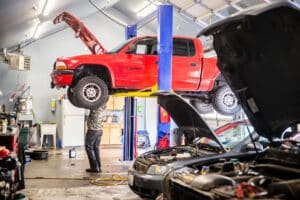
Mechanical failure often leaves a paper trail. Worn tires, thin brake pads, broken lights, steering defects, and leaking air lines can point to missed service. Some fleets handle repairs internally, while others use outside shops. Inspection forms, invoices, and mechanic notes may reveal whether a hazard existed before impact and who had the duty to fix it.
Cargo Loaders
Freight placement can change how a trailer moves. Excess weight, loose materials, or uneven distribution may lead to rollovers, jackknifes, spills, or lost cargo. Loading teams must secure freight under safety rules. If a shipper or warehouse crew packed items carelessly, that party may share fault for injuries caused by shifting loads or roadway debris.
Parts Manufacturers
A defective component can make a crash far worse. Tires, brakes, underride guards, steering parts, couplers, and electronic systems may fail because of poor design or manufacturing errors. These claims often require engineers and preserved vehicle parts. If testing shows a product failed under normal use, the maker, seller, or distributor may face liability.
Government Entities
Road conditions can contribute to serious harm. Missing signs, broken signals, poor lighting, faded lane markings, or unsafe construction zones may affect crash risk. Claims involving public agencies usually have shorter notice periods than standard injury cases. Prompt review helps preserve evidence, confirm deadlines, and determine whether a city, county, or state agency shares responsibility.
Other Drivers
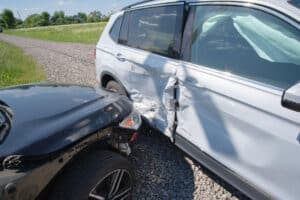
Another motorist may trigger a truck crash by cutting off a semi, stopping suddenly, drifting lanes, or driving while distracted. Nevada allows responsibility to be divided between several parties. A passenger car driver, motorcyclist, or rideshare operator may share liability if careless conduct helped cause the impact or increased the resulting injuries.
Evidence That Shows Fault
Strong claims depend on records rather than guesswork. Useful proof may include police reports, event data, dash camera video, driver logs, repair files, cargo documents, witness accounts, and medical charts. Scene photos can show skid marks, vehicle positions, weather, lighting, and road surface conditions. Fast action matters because digital data may be erased or overwritten.
Nevada Fault Rules
Nevada follows modified comparative negligence. An injured person may recover damages if that person is less than fifty-one percent at fault. Any award is reduced by the assigned share of blame. For example, a twenty percent fault finding reduces compensation by that amount. Careful liability analysis can affect the final value of a truck crash claim.
Insurance Issues
Commercial trucks often carry larger policies than ordinary passenger vehicles. Higher coverage may bring more investigators, longer reviews, and tougher defenses. Insurers may question treatment, dispute wage loss, blame another party, or argue that symptoms came from prior conditions. Consistent medical care, clear documentation, and organized records can help answer those claims with facts.
Conclusion
Truck crash liability may extend well beyond the person driving. Carriers, repair shops, loading crews, manufacturers, public agencies, and other motorists may all contribute to the harm. Each case turns on evidence, timing, safety duties, and Nevada fault rules. Injured people can protect our position by getting medical care, saving records, avoiding blame discussions, and seeking legal review before key proof disappears.