No amount of normal seat time can prepare a driver for their first time pulling a trailer, because many of the skills required to be good at towing can only be achieved with experience. Whether you are pulling a small utility trailer, a heavy car trailer or a huge horse trailer, there are aspects of towing that can pose a sudden challenge. I spoke to a handful of people who have pulled a trailer for the first time recently enough to recall which aspects of the job were the most unexpected. Here are the top 5 things that surprise first-time towers.
There Are Many Sizes of Balls and Hitches
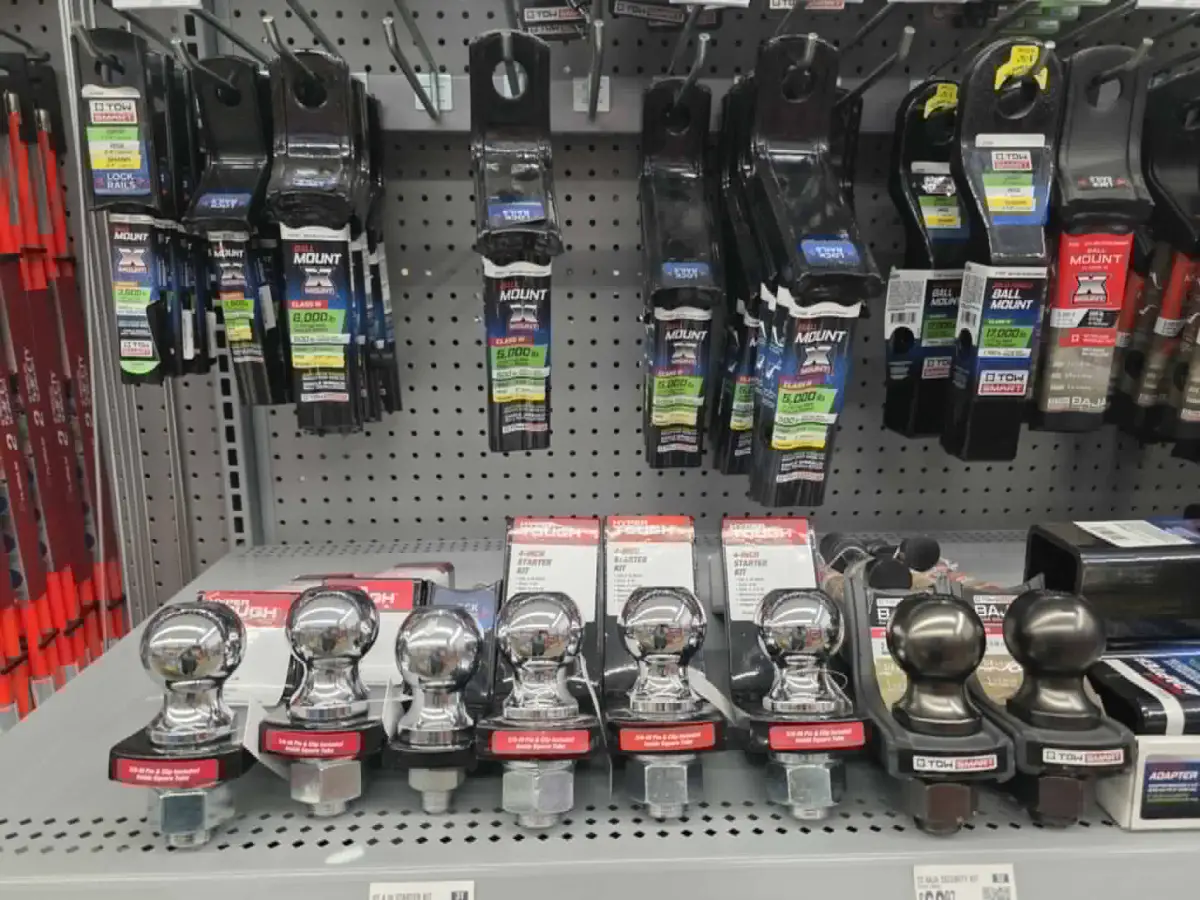
The most common thing that surprised a first-time tower was that there are many different configurations of ball size and hitch drop. One of the drivers with whom I spoke knew that they needed a 2 5/8 ball and they figured that was all of the information that they needed, but when they got to superstore to buy one, they were confronted with a wide variety of hitches – all with different drop measurements and various weight ratings. They bought a 2-inch drop hitch and found that the trailer angle was a bit too steep, so they had to go back for a 5-inch drop. Another driver didn’t realize that the hitch receivers were different sizes. They assumed that since they had a full-sized truck, the largest hitch size made sense. They bought a Class V and it did not fit in the Class IV receiver.
In short, before buying a ball and hitch, compare the height of your hitch to the height of the trailer when level. Make sure that you get the right drop, the right class hitch for your receiver and the right sized ball for each trailer you tow – they aren’t all the same.
The Added Weight Impacts Performance in a Big Way
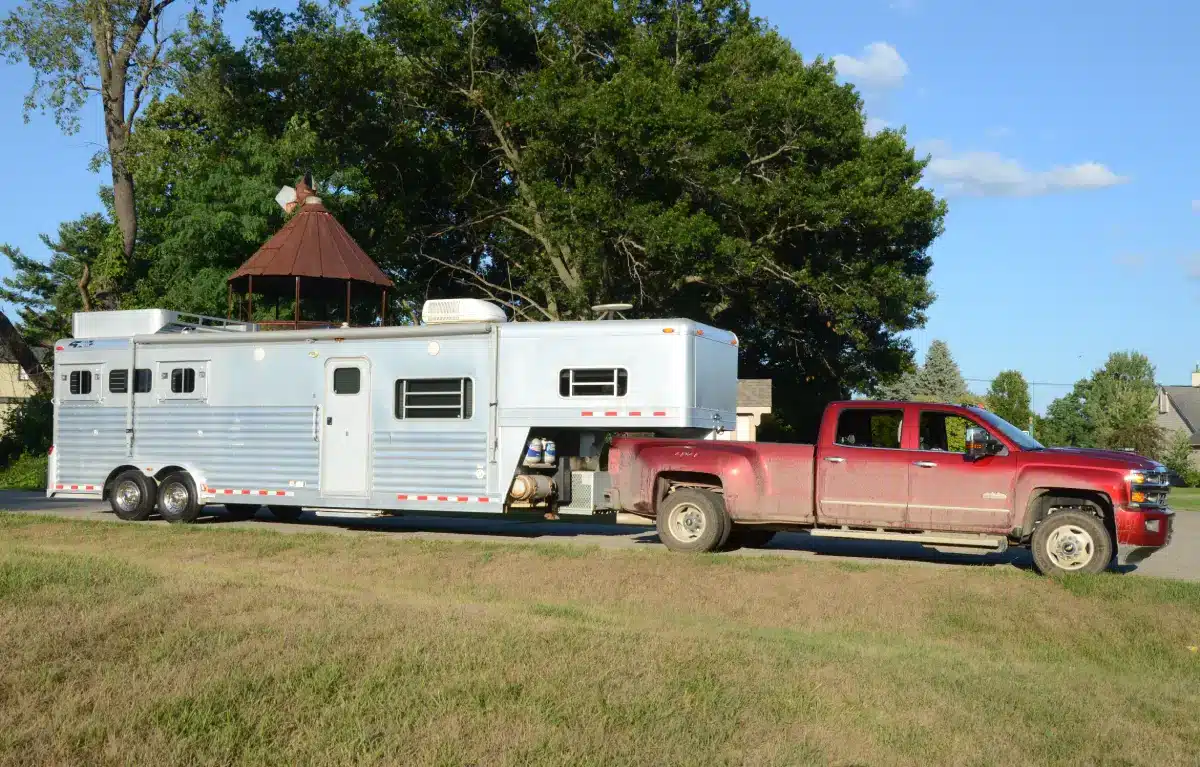
While most drivers understand that having lots more weight connected to the rear of their truck or SUV will impact performance, the real world differences in how your vehicle stops and turns come as a surprise to first-time towers. Of course, the most significant change in driving dynamics is how long it takes you to stop when pulling a load. Even if your trailer is equipped with great brakes, braking distance is dramatically increased when pulling a load. Drivers who try to stop suddenly with a loaded trailer will quickly find that the added weight causes the vehicle to plow forward. If the trailer brakes aren’t well adjusted, the need to slam on the brakes can cause a sudden log of control that can be hard for an inexperienced driver to regain.
While not as severe or significant, how your truck or SUV turns is impacted by the added weight of the trailer. Most notably, you need to make wider turns to avoid running over curbs and when traveling at speed, the trailer definitely prevents you from making quick turns.
Some People Are Just Bad at Connecting to a Trailer
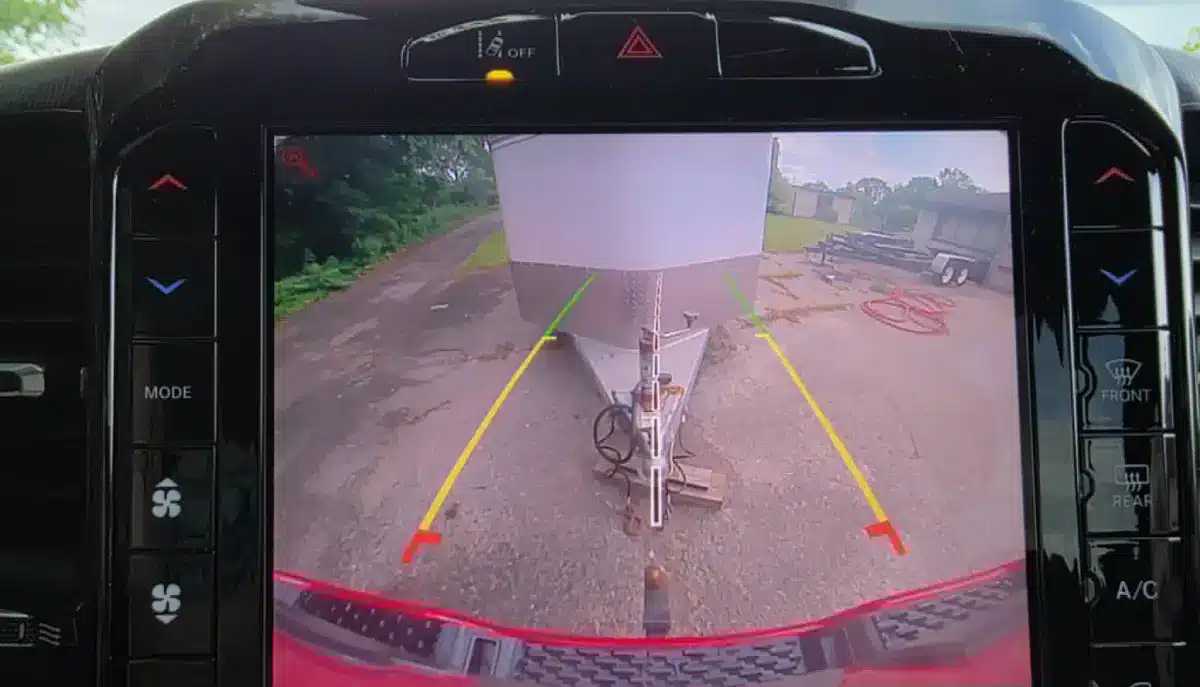
Modern trucks come with technology to make it easier to connect to a trailer because the level of skill required to hook-up without these helpers comes to a stark surprise to first-time towers. Backup cameras with dynamic location lines make the process markedly easier, but in trucks without a camera system, you have to be able to line up the ball and trailer coupler without being able to see them. I learned to connect to a trailer well before backup cameras were a thing, so I have gotten pretty good at it, but I have a friend who struggles even with a camera.
The bottom line here is that if you are towing for the first time, it is a great idea to have someone stand alongside and help guide you to the trailer. Even with some camera systems, getting the ball directly under the trailer hitch coupler for a smooth connection can be tough, but a spotter makes the process much easier.
Make Sure to Fill Your Tank Before Towing
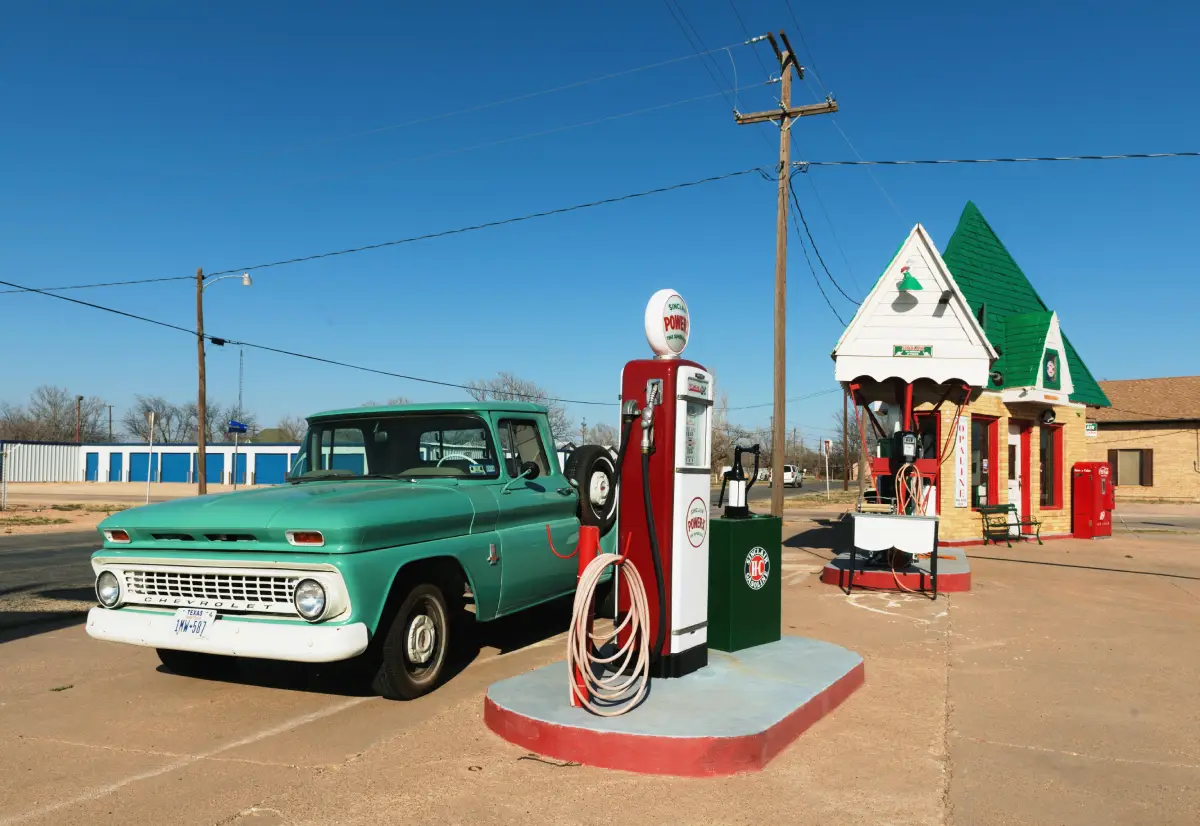
Adding thousand of pounds of load will obviously decrease the fuel economy of your vehicle, but just how quickly a truck or SUV will burn through fuel proves to be a surprise to some first-time towers. The fuel economy reduction is caused largely by the added weight, but if you are towing into a particularly strong crosswind or you spend lots of time in stop-and-go traffic, your MPGs are going to be BAD. My truck drops from better than 20 MPG to around 10 when pulling a 5,500 lb horse trailer (around town and highway mix), and the harder your vehicle has to work, the worse the fuel economy will get.
With that in mind, if you are going to pull a trailer, make sure to fill your fuel tank in advance. A quarter-tank isn’t going to get you far and if you are new to towing, you might not want to make a trip to a tight gas station part of your initial experience.
Other Drivers are Just Plain Oblivious
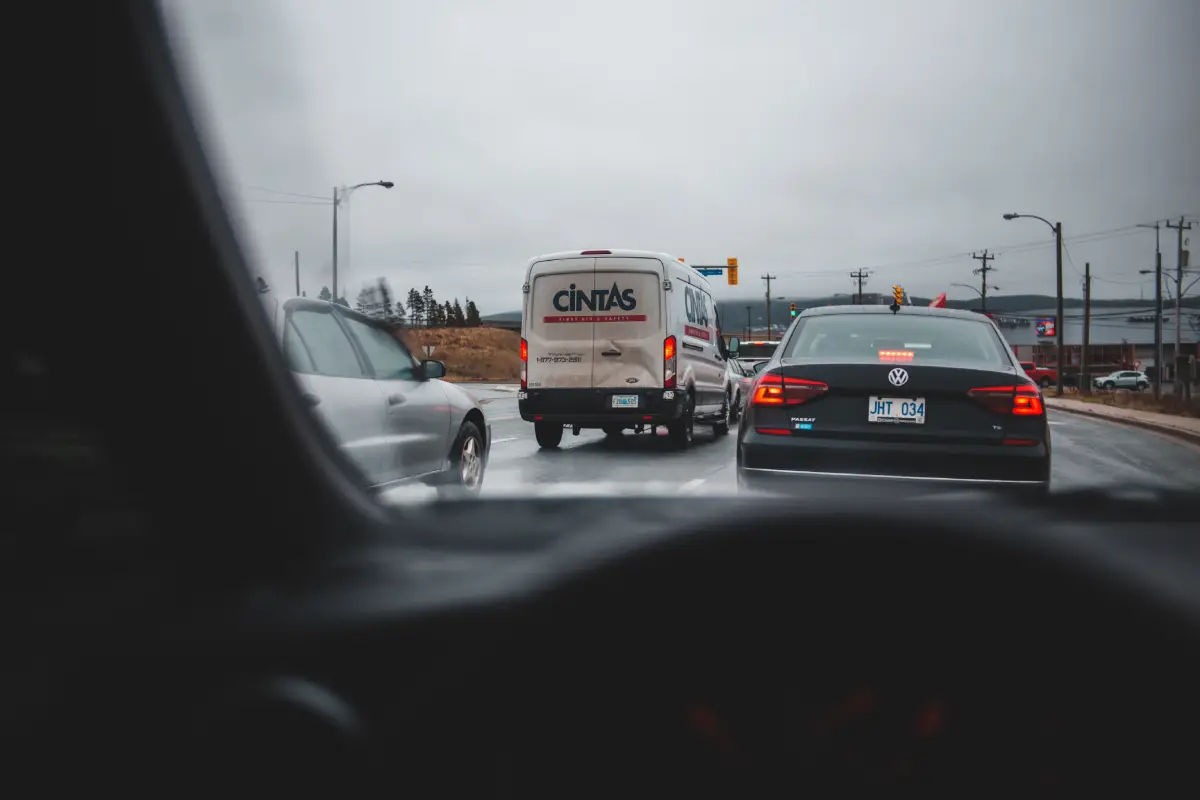
When you are towing a trailer, you cannot turn, stop or swerve like you can in a vehicle that is not pulling extra weight. You know that, but the person ahead of you in the gold sedan does not. Even if they do know, they either don’t care or they are just plain oblivious to the fact that towing vehicles require added space to make maneuvers in traffic. While it shouldn’t come as a surprise that other drivers are oblivious to others who are pulling a trailer, it does surprise some folks who are towing for the first time.
When in traffic, always leave yourself plenty of room to other vehicles and watch for vehicles in other lanes that might suddenly swerve in front of you, because it is on you if you hit them when you cannot stop fast.