In the commercial transportation sector, managing a fleet requires a deep understanding of component longevity. Every semi-truck is a complex network of mechanical systems operating under immense operational stress. For fleet managers and owner-operators alike, the central challenge of maintenance is determining exactly when a component has reached the end of its useful life, and whether that component should be repaired, replaced entirely, or upgraded to a higher standard.
Navigating this lifecycle effectively prevents catastrophic roadside failures, controls variable operating costs, and keeps trucks compliant with strict Department of Transportation (DOT) safety regulations. However, source procurement is just as critical as mechanical diagnostics. Establishing a reliable relationship with a dedicated truck parts supplier ensures that fleets have immediate access to high-quality components, minimize costly diagnostic downtime, and maintain predictable shipping schedules.
When an essential component begins to show signs of wear, three primary paths emerge. Understanding the financial and operational indicators of each path allows logistics professionals to map out a clear component lifecycle strategy.
The Repair Pathway: Extending Current Component Life
The choice to repair an existing part is typically driven by immediate cost efficiency and localized wear. Component repair is highly effective for heavy-duty systems where only a specific sub-component has failed, while the structural integrity of the primary housing remains intact.
- Target Components: Common candidates for repair include structural items, specialized hardware accessories, and localized cargo securement gear like a high-capacity ratchet load binder that requires a simple hook or spring replacement.
- When to Choose Repair: Repairs are ideal when the cost of diagnostic labor and a minor rebuild kit is significantly lower than purchasing a brand-new unit, and when the repaired part can reliably return to 100% of its original working load limit (WLL).
- Operational Risk: The primary danger of over-relying on repairs is the “domino effect,” where an older, weakened component accelerates wear on adjacent brand-new parts, leading to repetitive maintenance cycles.
The Replace Pathway: Embracing Remanufactured and New Standards
When a part suffers internal mechanical failure or exceeds its engineered mileage limits, total replacement becomes mandatory. In the modern logistics landscape, replacement does not always mean buying a brand-new factory component; instead, the industry heavily relies on precision remanufacturing.
As explained by the World Economic Forum, the US has largely taken a market-driven approach to automotive remanufacturing, though government policy – including procurement rules under the Resource Conservation and Recovery Act – increasingly encourages the use of remanufactured parts.
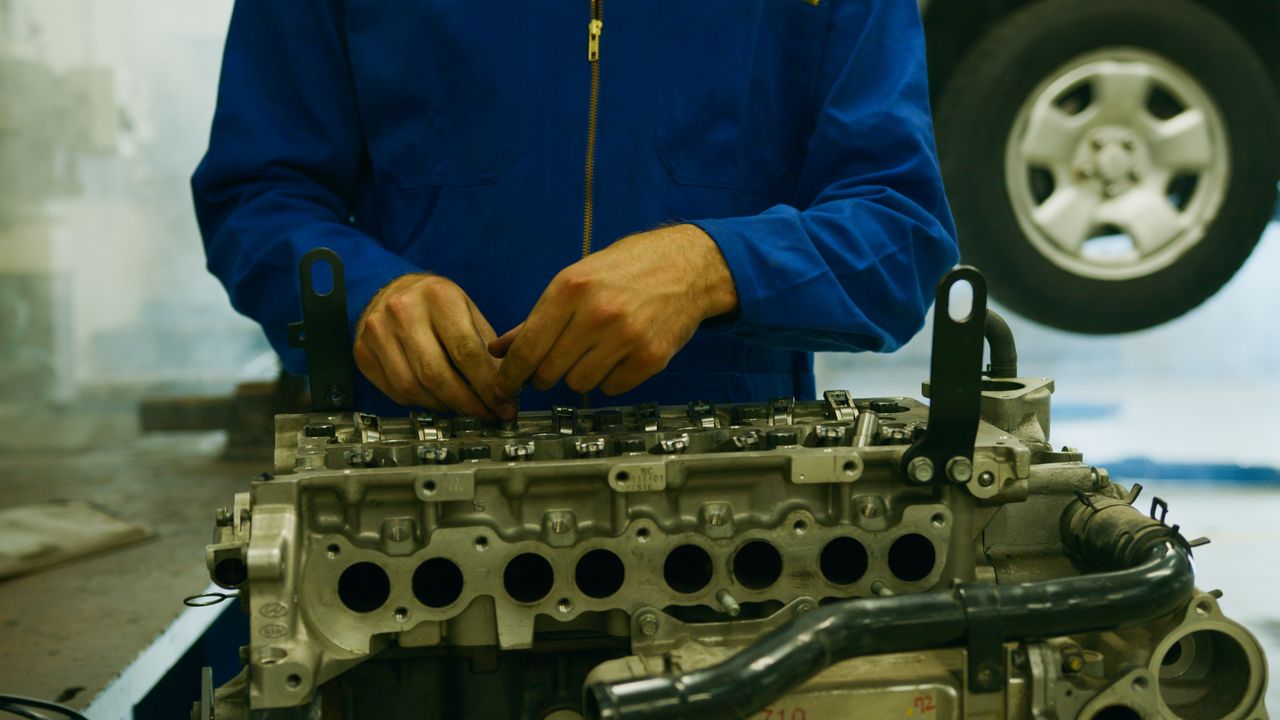
This approach allows fleets to source heavy-duty components-such as engine blocks, transmissions, and brake compressors-that have been stripped down, cleaned, inspected, and rebuilt to original equipment manufacturer (OEM) tolerances.
Working with a specialized supplier like Fleet-Hero simplifies this process, giving fleets direct access to remanufactured and OEM-grade components that meet these exacting standards.
Comparing Replacement Options:
| ReplacementType | Average Cost | Structural Longevity | Ideal Operational Use-Case |
| OEM Brand-New | Premium | 100% Factory Standard | Critical powertrain systems and high-stress wheels/rims under warranty. |
| Remanufactured | Balanced | 90% to 100% of OEM | Heavy-duty mechanical parts, air compressors, and alternators. |
| Aftermarket | Budget-Friendly | Variable | Non-critical hardware accessories, exterior components, and tools. |
Choosing the right replacement style balances immediate cash flow against long-term fleet reliability, ensuring that trucks spend more time on highways and less time in local repair bays.
The Upgrade Pathway: Enhancing Fleet Resilience
Upgrading involves replacing a functioning or worn component with a part that offers superior material composition, higher load ratings, or advanced engineering. Upgrades are a proactive business investment aimed at permanently reducing recurring maintenance vulnerabilities.
For example, a fleet experiencing repeated cargo damage or strap degradation due to harsh winter weather might upgrade from standard synthetic webbing to heavy-duty 15 oz ripstop flatbed lumber tarps or specialized steel coil corner protectors with rubber padding. Similarly, switching standard steel wheels to forged aluminum truck wheel rims reduces overall curb weight, which directly improves fuel economy and allows for higher legal freight payloads. Upgrades should always be pursued if a specific route or cargo profile routinely pushes standard-grade components past their structural limits.
Mapping the Lifecycle Decision Matrix
To streamline fleet operations, maintenance teams can utilize a structured framework to determine the optimal course of action for any degrading part:
- Assess Total Cost of Wear: Calculate the repair cost plus the projected cost of future downtime. If a repair exceeds 50% of the replacement price, opt for a new or remanufactured part.
- Evaluate Safety and Compliance: For critical safety items, such as tire inflation hoses, fast-acting fuses boxes, or high-visibility safety and protection gear, direct replacement is always favored over temporary repairs.
- Analyze Route Conditions: If a truck is transitioning from standard highway freight to demanding regional heavy-haul operations, proactively upgrade structural hardware and securement tools to handle the increased physical stress.
By systemizing these decisions and relying on an established part distribution network, commercial fleets can optimize their asset lifecycles, control operational risks, and maintain calm control over their logistics infrastructure.