Shopping nationwide is how you find the truck you actually want — a rust-free body from a dry state, the exact diesel dually or trim level that never showed up locally, or simply a better price. The one hurdle is getting it home. For most buyers, shipping beats a long one-way drive: you verify the truck and the title before any money moves, then have it picked up at the seller’s door. Here is the buyer’s playbook, start to finish.
Why Buy a Truck Out of State in the First Place?
Trucks and SUVs are exactly the kind of vehicle worth casting a wide net for. A clean, salt-free frame from Arizona or Texas can be worth a long-distance purchase on its own. Specific configurations — a particular cab-and-bed combo, a manual diesel, a low-mileage off-road trim — are often hundreds of miles away. And pricing on popular trucks varies a lot by region. The trade-off is that you usually can’t kick the tires in person, so the buying process has to be a little more disciplined.
Inspect Before You Pay — You’re Not There in Person
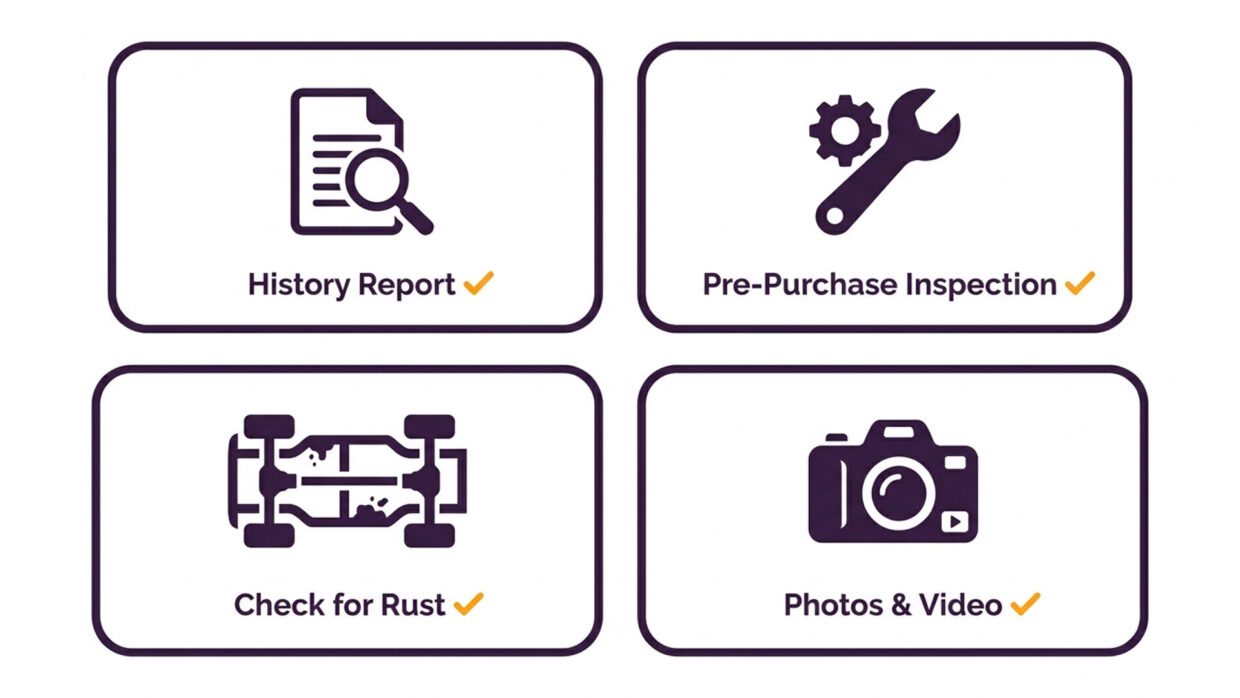
Photos and a friendly seller are not enough on an out-of-state deal. Protect yourself before sending a deposit:
- Pull a vehicle history report (Carfax or AutoCheck) and check for accidents, title brands, and odometer rollbacks.
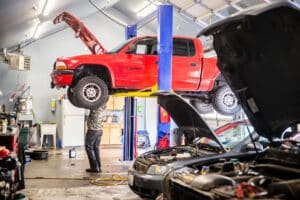
- Hire an independent mechanic near the seller for a pre-purchase inspection — typically $100–$200, and cheap insurance on a multi-thousand-dollar truck.
- For trucks specifically, have them check the frame and undercarriage for rust, look at the condition of any lift or aftermarket parts, and confirm the diesel emissions equipment is intact and unmodified.
- Ask for a short walk-around video and timestamped photos from every angle so you have a documented baseline.
Get the Title and Paperwork Right Before It Ships
Sort the paperwork before the truck leaves the seller’s driveway. Confirm the title is clean and lien-free and that the seller is the legal owner — if there’s an existing loan, they need to pay it off and get a lien-free title in hand first. Get a signed bill of sale, and have the title and sale documents sent to you (most sellers overnight them) so they arrive before or with the vehicle, not weeks later. You don’t need temporary plates to ship a truck, since it travels on a trailer rather than under its own power.
Should You Ship It or Drive It Home?
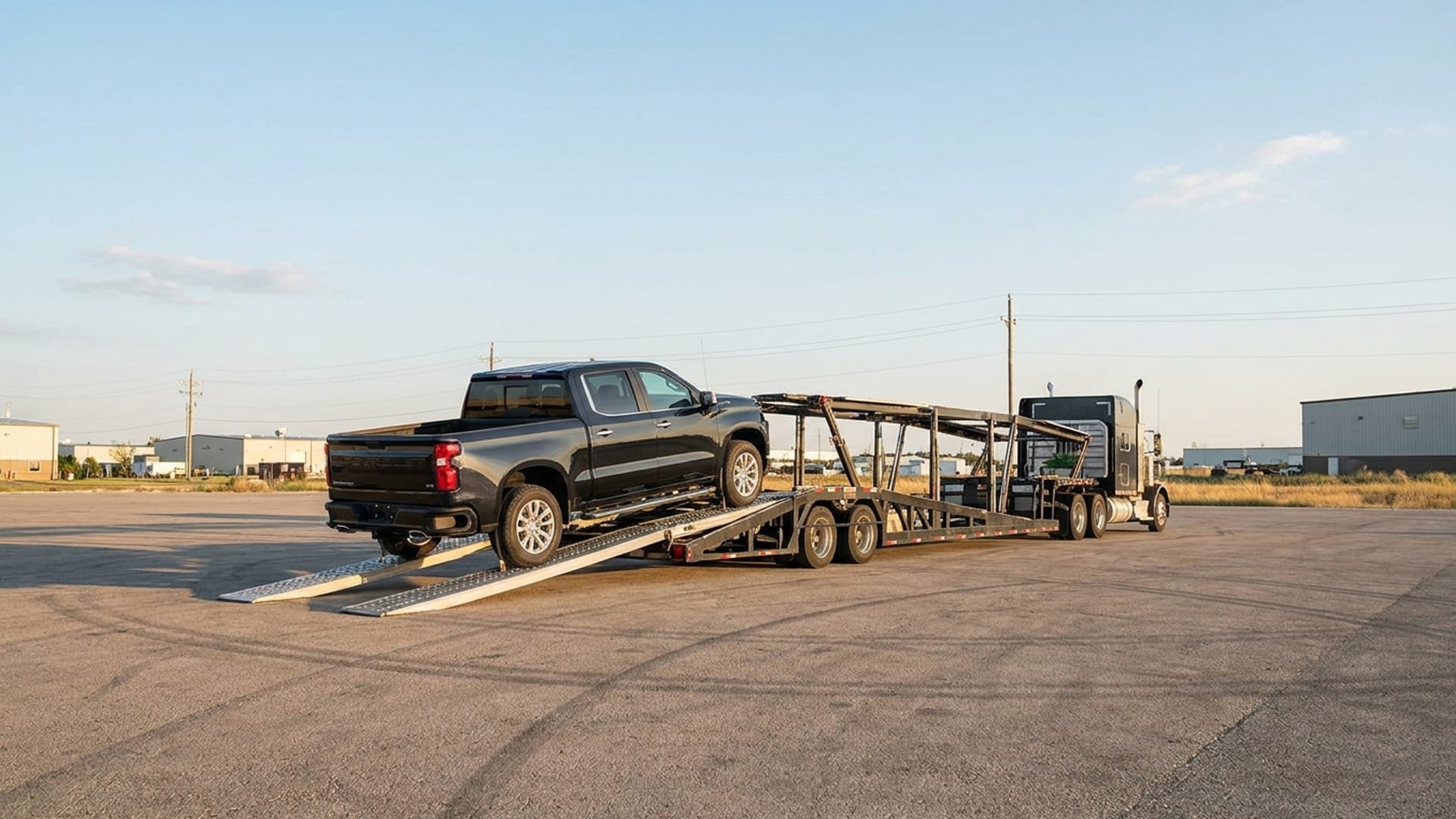
Driving a new purchase home sounds like an adventure, but it piles hundreds or thousands of fresh miles onto a truck you just bought, plus fuel, lodging, time off work, and the risk of a breakdown far from home in a vehicle you barely know. Shipping sidesteps all of that. With door to door car shipping, the carrier collects the truck as close to the seller’s address as the rig can safely reach and delivers it near your home, so the seller doesn’t have to drive it anywhere and you don’t have to fly out. Working with an established carrier such as Rivalane Auto Transport also means an honest quote for a heavy truck up front, instead of a lowball price that strands the load later.
Open or Enclosed for a Truck or SUV?
Open transport is the default and is perfectly safe for the vast majority of trucks and SUVs — it’s cheaper and there’s far more capacity, so it books faster. Enclosed makes sense when the vehicle’s value or finish justifies it: a collector or fully built truck, a show-quality paint job, or a high-dollar diesel. For a typical used pickup you’re bringing home, open is usually the sensible call; reserve enclosed for the trucks where protection from weather and road debris is worth the premium.
How Long Will It Take to Arrive?
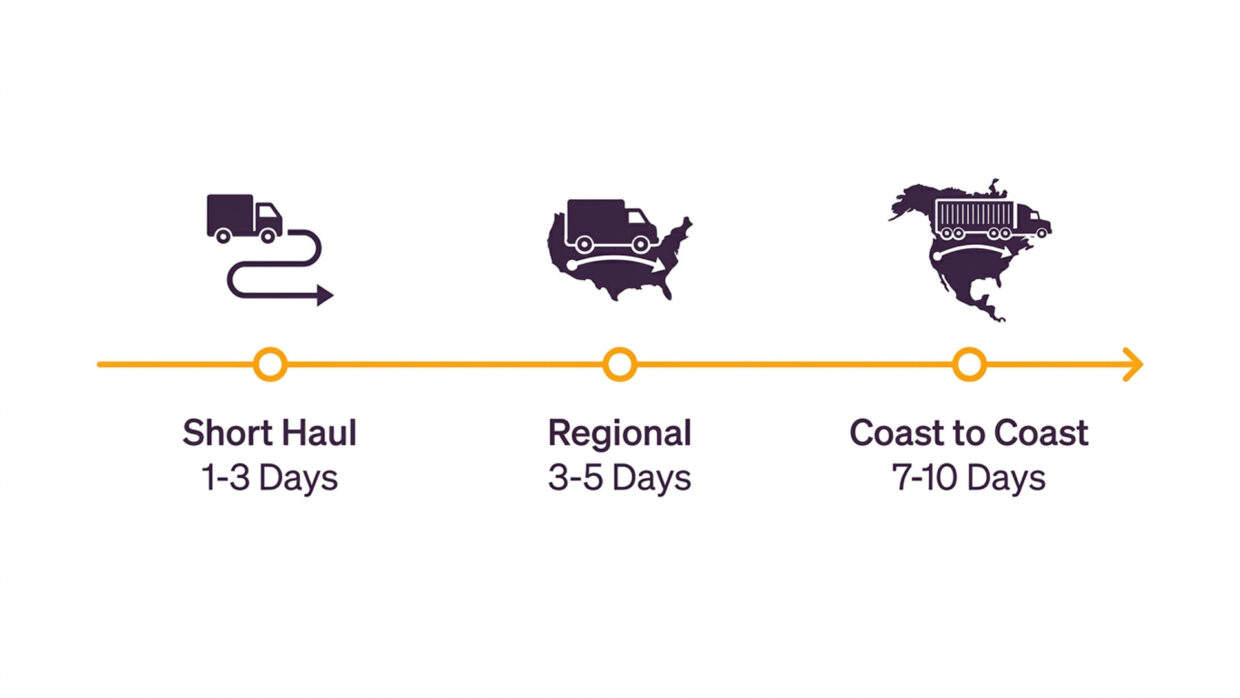
Transit time comes down to distance and how busy the route is. As a rough guide:
| Route | Typical transit time |
| Short haul (under ~500 miles) | 1–3 days |
| Regional (500–1,500 miles) | 3–5 days |
| Coast to coast | 7–10 days |
Two things stretch that window: rural pickups or deliveries that sit off the main lanes, and a tight schedule. Building a few days of flexibility into your dates helps a dispatcher slot your truck into a natural route instead of forcing an exact day. Remember that an 80-foot rig often can’t fit down a narrow street, so the driver may ask to meet at a nearby large lot to load and unload safely — that’s normal, not a shortcut.
What to Do at Pickup and Delivery
The inspection is the part that protects your money. At pickup, the driver records the truck’s condition on the Bill of Lading — every existing scratch, dent, and chip. Take your own timestamped photos too. When it arrives, don’t sign in a hurry: walk the truck, check the cab roof, mirrors, bed, and bumper corners, and compare against your pickup-day photos. If you spot new damage, write it on the delivery paperwork before the driver leaves — noticing it the next day makes it nearly impossible to prove it happened in transit.
Registering Your Out-of-State Truck at Home
Once it’s in your driveway, the clock starts. Most states require you to register a newly purchased vehicle within about 30 days. Be ready for a VIN verification, and depending on where you live, a safety inspection, an emissions test, or both before plates are issued. Bring your title, bill of sale, and any inspection paperwork to your DMV to wrap it up cleanly.
Frequently Asked Questions
Is it cheaper to ship a truck or drive it home?
Once you add fuel, lodging, time off, and the wear and risk of a long one-way drive in an unfamiliar vehicle, shipping is often the better value — and it keeps the miles off a truck you just bought.
Open or enclosed for a used pickup?
Open is fine and more affordable for most trucks and SUVs. Choose enclosed for high-value, collector, or fully built trucks where weather and debris protection is worth the extra cost.
How long does coast-to-coast take?
Plan on roughly 7–10 days for a cross-country move, 3–5 days regionally, and 1–3 days for a short haul, with rural locations and tight schedules adding time.
Do I need to be there for pickup and delivery?
You or an authorized person should be present to do the Bill of Lading inspection and hand over or receive keys. The seller handles the pickup side; you or someone you trust handles delivery.
What paperwork should be done before the truck ships?
Confirm a clean, lien-free title, get a signed bill of sale, and arrange for the documents to reach you before or with the vehicle.
The Bottom Line
Buying a truck or SUV out of state is one of the best ways to land the exact vehicle you want — as long as you treat the purchase like the long-distance deal it is. Verify the truck and the title before you pay, ship it with a straightforward carrier instead of driving it home blind, inspect carefully at both ends, and register promptly. Do that, and the only thing that arrives is the truck you’ve been hunting for. Rivalane Auto Transport can handle the door-to-door move so the buying part stays the fun part.