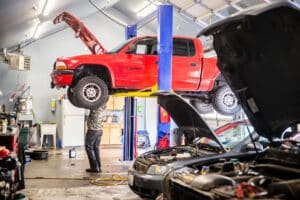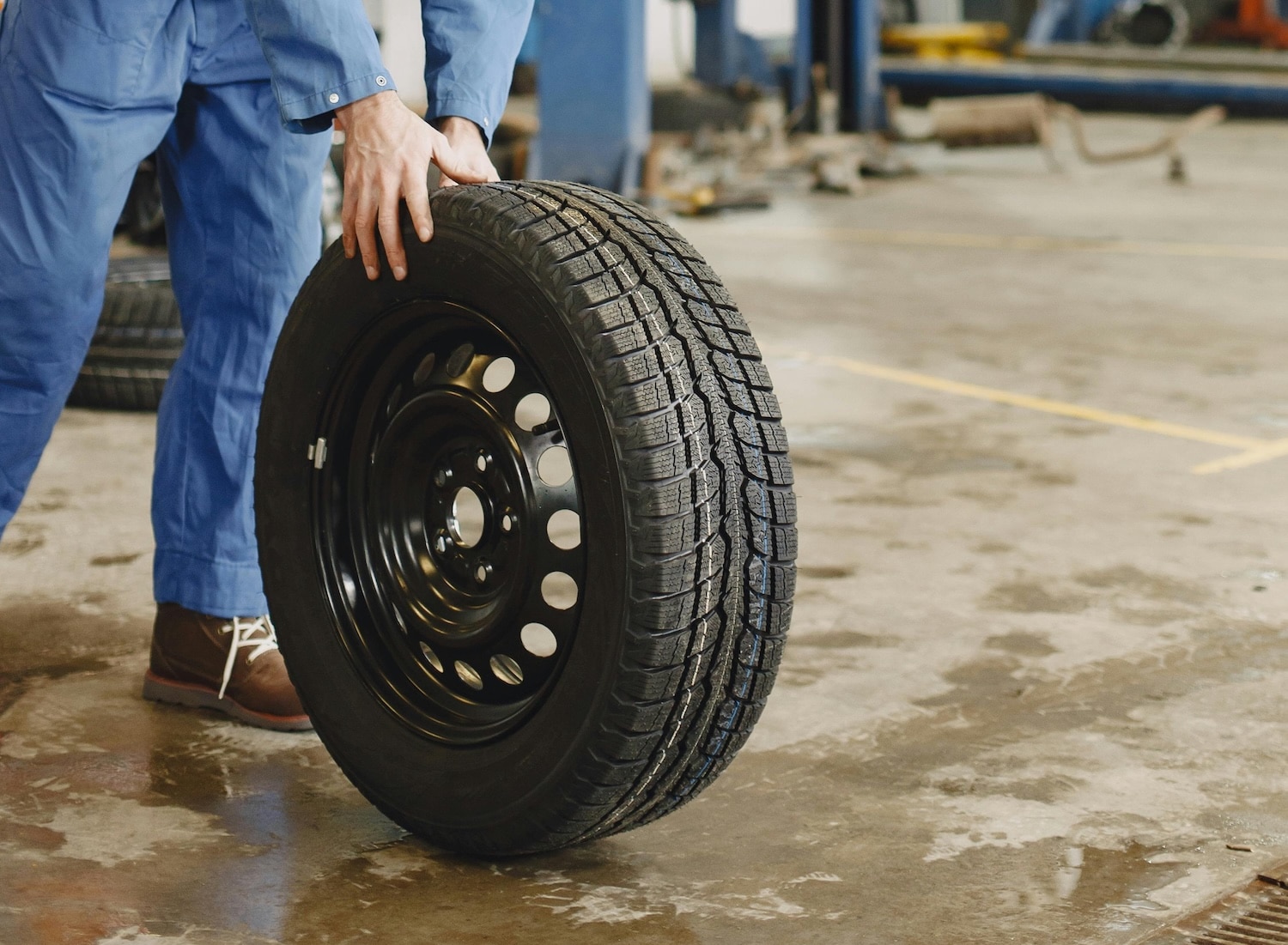
Running a successful automotive workshop requires more than skilled technicians and loyal customers. The quality of the equipment used every day plays a major role in determining how efficiently work gets completed and how satisfied customers are with the results. Among the most important investments for any tire service operation is reliable tire changing equipment that can handle a wide variety of vehicles safely and efficiently.
As vehicle designs continue to evolve, workshops are facing increasing demands from customers who expect fast service, precision, and protection for their wheels and tires. Choosing the right tire changing equipment is not simply about buying a machine that fits the budget. It involves evaluating how well the equipment supports daily operations, technician productivity, and long-term business growth.
Vehicle and Tire Compatibility
One of the first factors to consider is the range of vehicles your workshop services regularly. Passenger cars, SUVs, trucks, and performance vehicles often require different handling capabilities. Equipment that works well for standard passenger vehicles may struggle with larger wheels or specialty tire designs.
Modern vehicles frequently feature larger wheel diameters and lower-profile tires than in previous years. These configurations can be more challenging to mount and remove, making compatibility a critical consideration when selecting equipment. Shops that service premium vehicles may also encounter delicate wheel finishes that require specialized handling.
Choosing equipment with a broad operating range allows workshops to accommodate both current and future customer needs. A versatile machine helps ensure that technicians can confidently work on a wider variety of vehicles without encountering limitations that slow down operations or require outsourcing services.
Ease of Operation and Technician Efficiency
Tire service is a physically demanding task, especially during busy periods when technicians are handling multiple vehicles throughout the day. Equipment that simplifies common procedures can improve productivity while reducing physical strain on employees.
Many modern machines include features that automate portions of the tire changing process. These enhancements help technicians perform their work more efficiently while maintaining consistency and accuracy. Faster workflows can increase the number of vehicles serviced each day without compromising quality.
Ease of use also affects training requirements. When controls are intuitive and procedures are straightforward, new technicians can become productive more quickly. This can reduce onboarding time and help maintain smooth operations even as staffing needs change over time.
Durability and Build Quality
Automotive workshops depend on equipment that can withstand constant use. Tire changers often operate throughout the day under demanding conditions, making durability an important consideration during the purchasing process.
Machines built with high-quality materials and robust construction tend to provide more reliable performance over the long term. Components that are engineered to handle repeated use can help reduce the likelihood of breakdowns that disrupt workflow and create costly delays.
Investing in durable equipment often results in lower ownership costs over time. While the initial purchase price may be higher, dependable equipment typically requires fewer repairs and experiences less downtime, allowing workshops to maintain consistent service levels and customer satisfaction.
Safety Features and Protection Systems
Safety remains one of the most important considerations when evaluating tire changing equipment. Improper tire handling can create risks for technicians as well as potential damage to customer vehicles.
Modern equipment often includes features designed to improve workplace safety. Secure clamping systems, controlled bead seating functions, and emergency stop capabilities help minimize risks while supporting safe operating procedures. These features can contribute to a safer working environment and greater confidence among technicians.
Wheel protection systems are equally valuable. Many customers invest significantly in their wheels, and even minor damage can lead to dissatisfaction. Comparing various models of tire changers can help workshop owners identify equipment that offers strong protective features while maintaining efficiency and ease of operation.
Maintenance Requirements and Service Support
Every piece of workshop equipment requires routine maintenance to perform reliably. Understanding maintenance needs before purchasing a machine can help prevent unexpected costs and operational disruptions in the future.
Equipment that allows easy access to service points can simplify routine inspections and maintenance tasks. Machines designed with serviceability in mind often reduce downtime because technicians can perform basic upkeep quickly and efficiently.
The quality of manufacturer support should also be considered. Access to replacement parts, technical assistance, training resources, and warranty coverage can significantly influence the overall ownership experience. Strong support can help workshops resolve issues quickly and maintain productivity when challenges arise.
Future Growth and Return on Investment
While budget is always an important factor, workshop owners should evaluate equipment based on long-term value rather than initial cost alone. A less expensive machine may appear attractive initially but could result in higher maintenance expenses and reduced efficiency over time.
Higher-quality equipment often provides greater productivity, reliability, and versatility. These benefits can translate into improved profitability by allowing technicians to complete jobs more efficiently and accommodate a broader range of customer needs.
Future business growth should also influence purchasing decisions. Equipment that can adapt to changing vehicle technologies and industry trends may help workshops remain competitive for years to come. Investing with future expansion in mind can reduce the need for costly upgrades and support long-term operational success.
Conclusion
Selecting tire changing equipment is a decision that affects nearly every aspect of workshop operations. From technician productivity and workplace safety to customer satisfaction and profitability, the right equipment can provide lasting benefits that extend well beyond the initial investment. Careful evaluation of compatibility, usability, durability, safety, maintenance, and future growth potential helps ensure a smart purchasing decision.
Workshops that take a strategic approach to equipment selection are often better positioned to meet evolving customer expectations and industry demands. By focusing on long-term value rather than short-term savings, business owners can invest in equipment that supports efficiency, reliability, and sustainable growth for years to come.