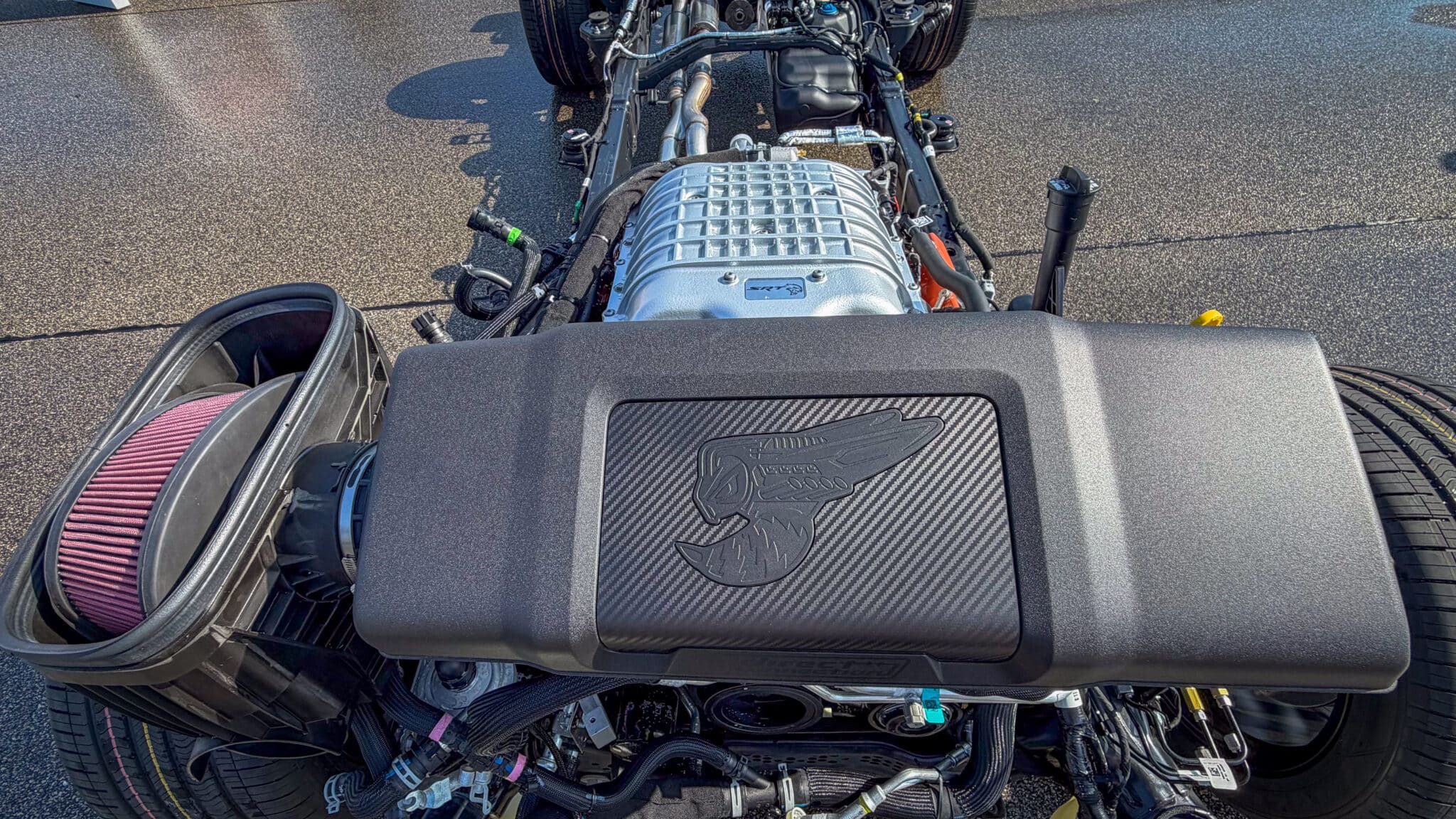
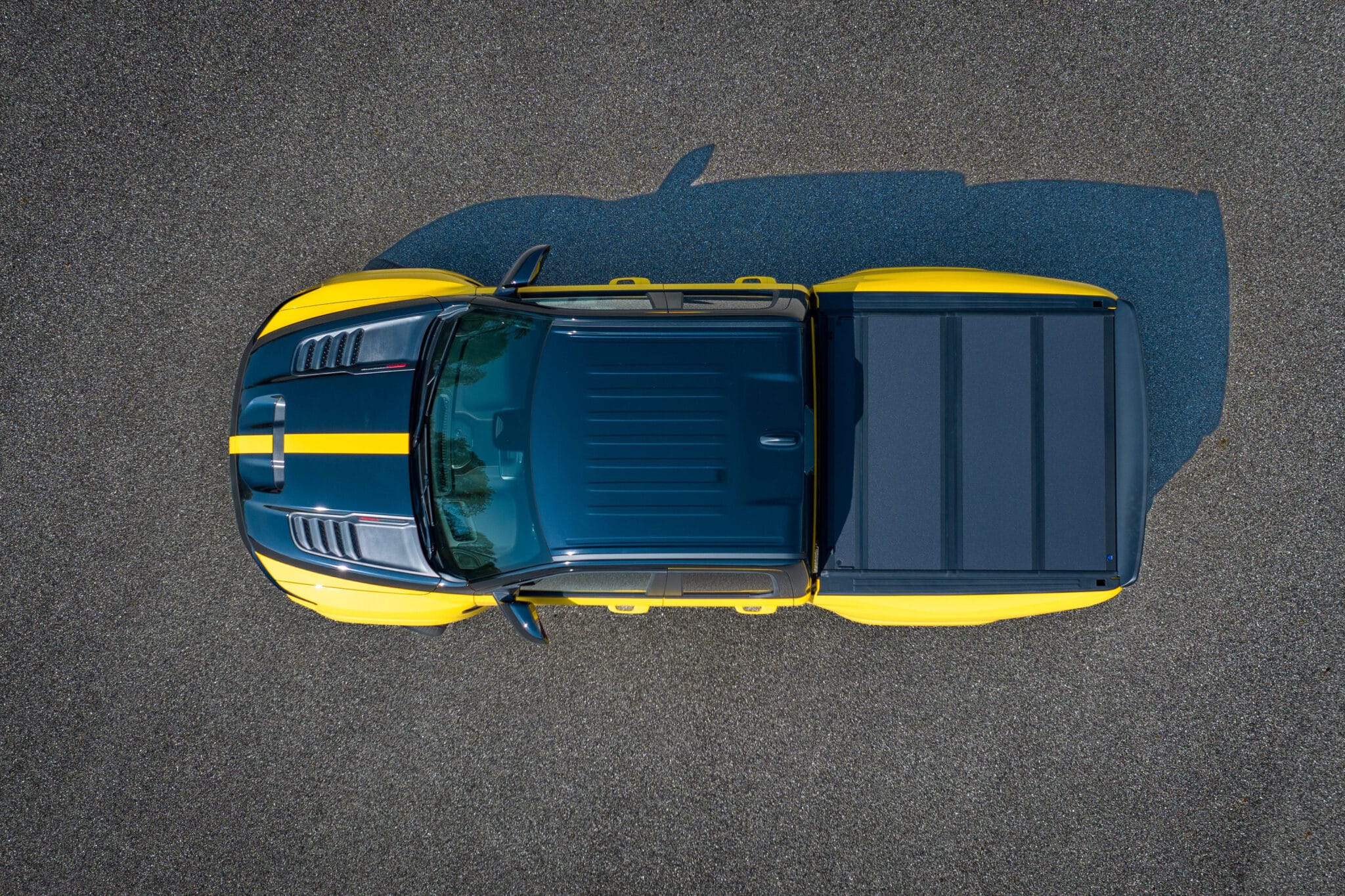
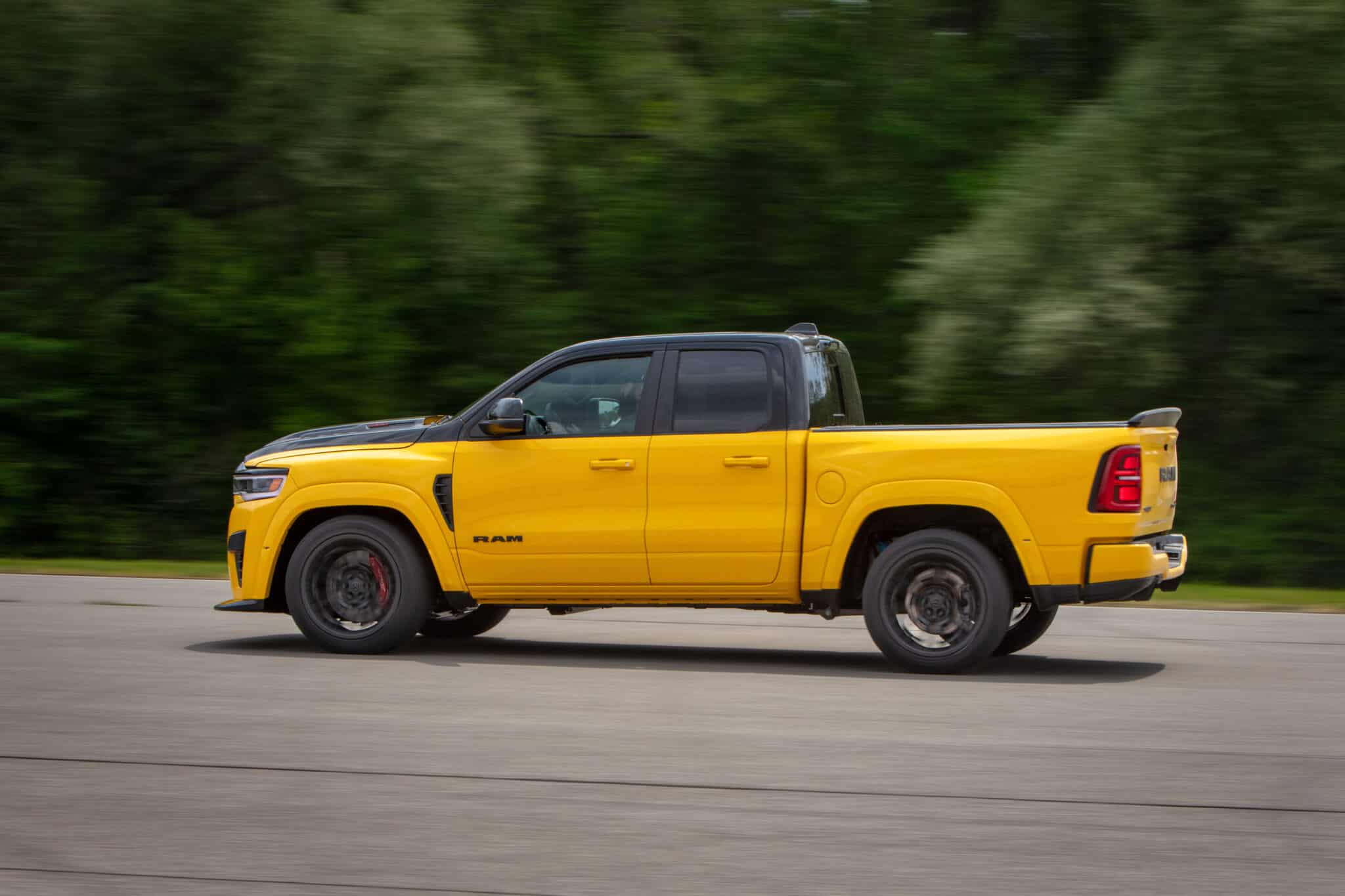
The 2027 Ram 1500 Rumble Bee SRT Hellcat is an impressive truck on paper with a supercharged 6.2-liter Hemi engine and really cool exterior styling with a sharp interior. But what about durability? I mean, it is all fun and games until the truck heads into the engine repair shop.
I asked Joel Baker, vice president of SRT Propulsion Systems, what had to change to deliver that power and keep the engine alive. His answer started with engine speed and ended with how much load a small area inside the crankcase has to carry. As Baker put it, “we approached it as a system.”
The engine speed came first
Baker described the 777-hp engine as three changes that had to work together: more rpm, more airflow and enough fuel to go with it. At higher rpm, the engine completes more power strokes in the same amount of time. Before the team could take advantage of that, it had to make sure the valvetrain could keep up.
The team drew from parts used in other Hellcat engines, reduced valvetrain mass and changed the camshaft material to help handle the added loads at speed. Baker was talking about the SRT’s supercharged 6.2-liter V8 here, not the 5.7-liter or 6.4-liter Hemi in the other Rumble Bees.
The connecting rods got more room to carry the load
When you spin the engine faster, the rods and crankshaft have to handle higher loads. Baker said the team increased the collar diameter at the big end of the connecting rod, enlarging the surface that carries thrust loads. Baker explained that “you spread the same amount of load out” over a larger surface, and “that allows us to improve the oil film thickness.” The oil film keeps the moving metal surfaces separated.
In a follow-up, Baker added, “We changed bearing material too.” That detail is separate from the main discussion of rod geometry. Ram’s published specifications list a forged steel crankshaft; the team didn’t say it had replaced the crankshaft material.
More air and fuel had to match the rpm
The higher engine speed is only useful if the cylinders can get more air and fuel. As Baker said, “you need the airflow to go with it.” Ram rates its 2.4-liter twin-screw supercharger at up to 13 psi of boost. The result is 777 hp at 6,500 rpm and 680 lb-ft at 4,800 rpm in the Rumble Bee SRT.
Ram kept the injectors and raised fuel pressure
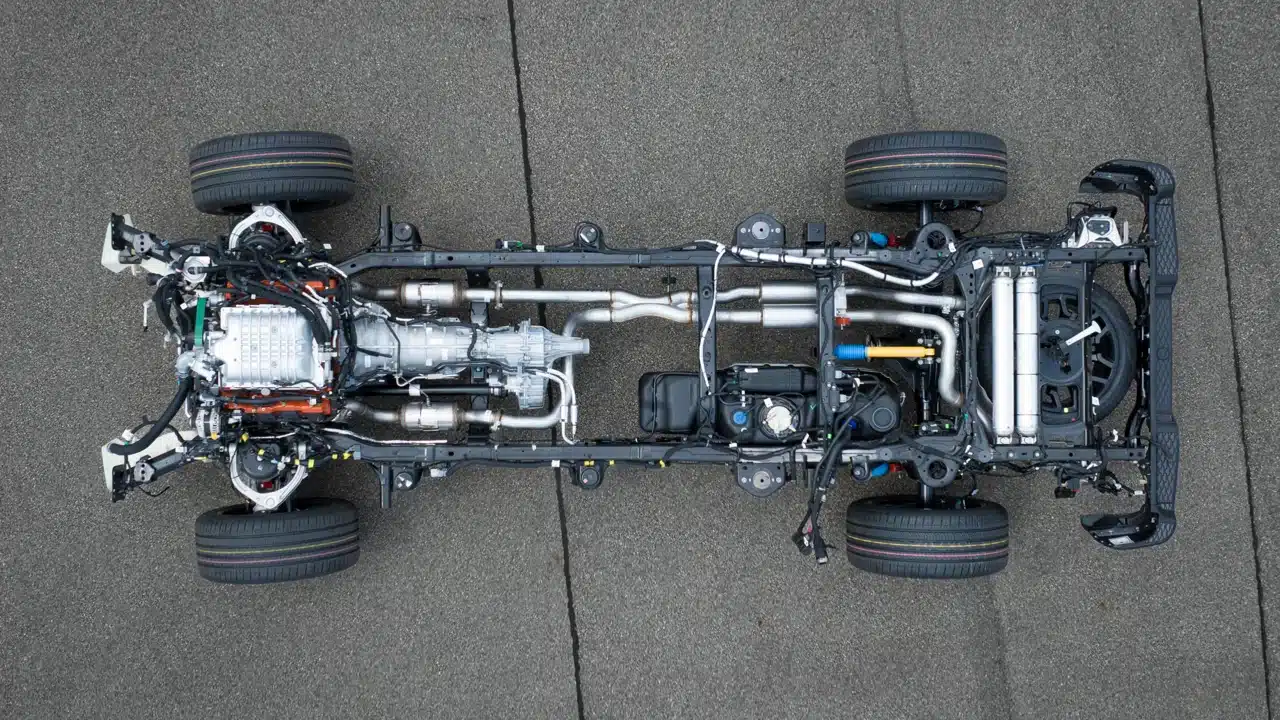
“Our desire was to keep a common injector,” Baker said. Instead of switching injectors, “we went from a nominal 5 bar operating system up to a 7 bar operating system.” That allowed it to supply the fuel the engine needed with more air moving through it at higher rpm.
Ram also says none of the three Rumble Bee engines, the 5.7-liter Hemi, 6.4-liter Hemi or supercharged 6.2-liter Hemi, uses automatic engine start/stop or eTorque.
What This Means for Hemi Reliability
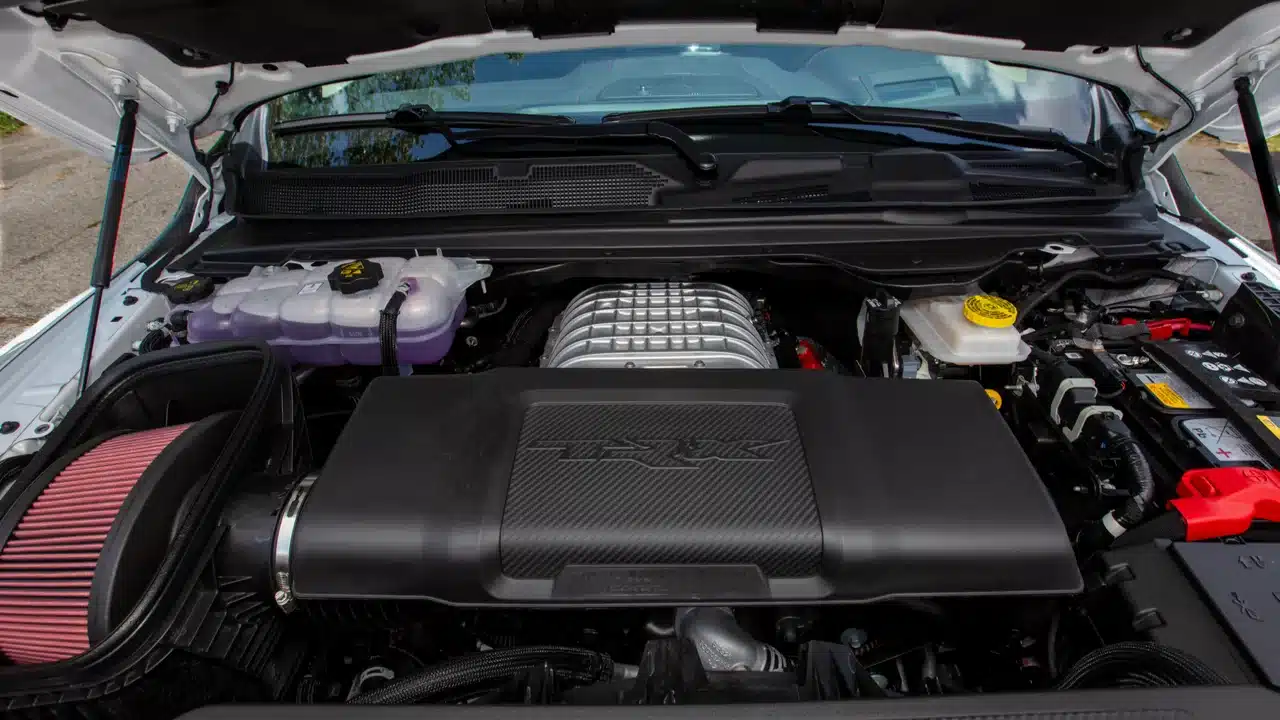
All three Rumble Bee Hemi V8s go through durability testing. Dan Stagner, director of SRT Vehicle Performance, used the returning 5.7-liter as an example. The Rumble Bee version went through “full durability for powertrain as well as the body and chassis,” he said. Stagner said the team follows that validation practice on new programs, especially when how customers use the truck changes.
My read is that Ram likely looked at past warranty claims to see what it could fix. The engineers didn’t say whether warranty reports informed these changes or identify specific failures the changes address.
The bearing and rod changes tell me more about this engine than the horsepower figure alone. They show what Ram had to do to make the added speed usable. How the truck holds up in customer hands is a separate question. The engineering work wasn’t unique to this truck, though. Of the Hellcat work for the current Rumble Bee SRT and Ram TRX programs, Baker said it “was developed for both at the same time.” For the other engines, see our Rumble Bee lineup breakdown.
A thicker oil film helps keep moving metal surfaces apart under load. It explains what Ram was trying to improve, but it doesn’t tell us how these engines will hold up after years on the road. The lifter and camshaft issues we’ve covered on older 5.7-liter Hemis involve a different engine. Nothing Baker described establishes that this work fixes those problems. For more, see our Ram 1500 engine problems guide and Truck Reliability Center.