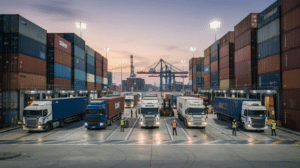
American pickup trucks are famous for their size, strength, and functionality. Ford F-150, Chevrolet Silverado, and Ram 1500 are just a few examples that can be seen all over the country. However, these same trucks can become extremely expensive when exported to other countries.
If you’re a buyer from Europe, Asia, or the Middle East, owning an American-made truck may be far pricier than you’d think. But why do American trucks cost so much in other markets?
- Import Taxes Add to the Price
One factor contributing to high prices is the import tax.
The USA has a long history of protecting domestic truck production. For instance, in the 1960s, the Chicken Tax introduced a 25% tariff on imported light trucks. Although it applies to vehicles entering the USA rather than leaving it, it shows how trade policies affect truck prices.
Overseas buyers face different tax systems depending on where they live. Some countries also charge fees based on engine size, emissions, or vehicle value.
- Shipping a Large Truck Isn’t Cheap
Pickups, especially American ones, aren’t exactly small vehicles. Their size and weight make international shipping more complicated and expensive than transporting a typical passenger car.
Shipping companies must account for the space these trucks occupy, especially when using containers or specialized transport vessels. Insurance, port handling, and customs processing add further expenses.
Then there’s the journey from the arrival port to the dealership or buyer. By the time the truck reaches its destination, transportation costs alone may have added thousands of dollars to its price.
- Different Markets Mean Different Requirements
American pickup trucks don’t automatically meet every country’s requirements. Some countries accept American standards, while others require inspections or modifications before the truck can be registered. For example, homologation process may involve technical inspections, certification paperwork, and modifications to components such as lights or emissions systems, adding to the vehicle’s final cost.
The requirements depend greatly on the market, which makes understanding local regulations just as important as comparing prices.
Buyers researching and comparing vehicles in countries like Germany, Australia, and Saudi Arabia may also see different listings and prices. Using a VPN for Saudi Arabia, for example, can help overseas buyers view location-specific prices and get a clearer picture of how vehicles are priced.
- Limited Availability Pushes Prices Higher
In America, buyers can visit numerous dealerships and compare different pickup models. Overseas, the situation can be completely different.
Some manufacturers don’t officially sell their full-size trucks in certain markets. As a result, the dealership scarcity leaves buyers with fewer choices for car aftercare. This forces buyers to rely on independent importers or specialized dealers, who usually handle smaller quantities.
This dealer scarcity reduces local price competition and leaves buyers with fewer options for servicing, warranties, and replacement parts.
Due to limited supply, competition is limited. Importers also have to cover additional costs related to storage, transportation, administrative fees, and warranties.
This is why a truck that’s relatively inexpensive in Texas may become a luxury vehicle elsewhere.
- Trade Policies Can Change Everything
International trade agreements and tariffs also affect vehicle prices. When governments introduce new duties or change existing trade agreements, importers may have to adjust their prices.
Recent developments in international trade, mainly recent tariff tensions between the US and EU, have highlighted how tariffs can affect businesses and consumers across different markets.
Exchange rates create another challenge. If a country’s currency weakens against the US dollar, importing an American truck becomes more expensive, even when its original price stays the same.
Such changes can lead to unpredictable international pricing, especially when customers order vehicles months in advance.
- Maintenance and Ownership Costs Matter Too
But the price isn’t the only issue. American trucks tend to have bigger engines with parts that aren’t easily available in other nations.
For models without official local support, some replacement parts may need to be imported, whereas locating mechanics experienced with these models wouldn’t be easy.
Fuel consumption, insurance, and annual registration fees can also make ownership expensive. These ongoing costs may discourage some buyers, keeping demand relatively limited.
Conclusion: Why Buyers Still Want Them
Despite their higher prices, American pickups continue attracting buyers overseas. Their towing capabilities, spacious interiors, and distinctive appearance appeal to enthusiasts who want something different.
In the end, taxes, shipping costs, regulations, and availability all play a role in overseas prices. This will help consumers determine if it’s worthwhile to import an American pickup truck.