A pickup truck earns its keep by hauling, towing, and getting dirty, which means it needs more attention than the average commuter car. Owners who learn to handle routine maintenance themselves save real money over the life of the truck and catch small problems before they become expensive ones. The difference between a frustrating weekend in the driveway and a smooth one usually comes down to having the right gear on hand before the first bolt comes loose.
Why DIY Maintenance Pays Off for Truck Owners
Shop labor rates have climbed steadily, and even a simple job like a brake pad swap or a cabin air filter change can run well past what the parts themselves cost. A truck owner who handles these tasks personally pockets that difference every single time.
There’s also a practical payoff beyond the savings. Someone who changes their own oil and inspects their own suspension components tends to notice early warning signs, like a slow leak or a worn bushing, long before they turn into a breakdown on the highway.
Building a Core Tool Kit
A truck-specific tool kit looks a little different from what fits a sedan. Larger fasteners, higher ride heights, and towing hardware all call for tools with more reach and more leverage.
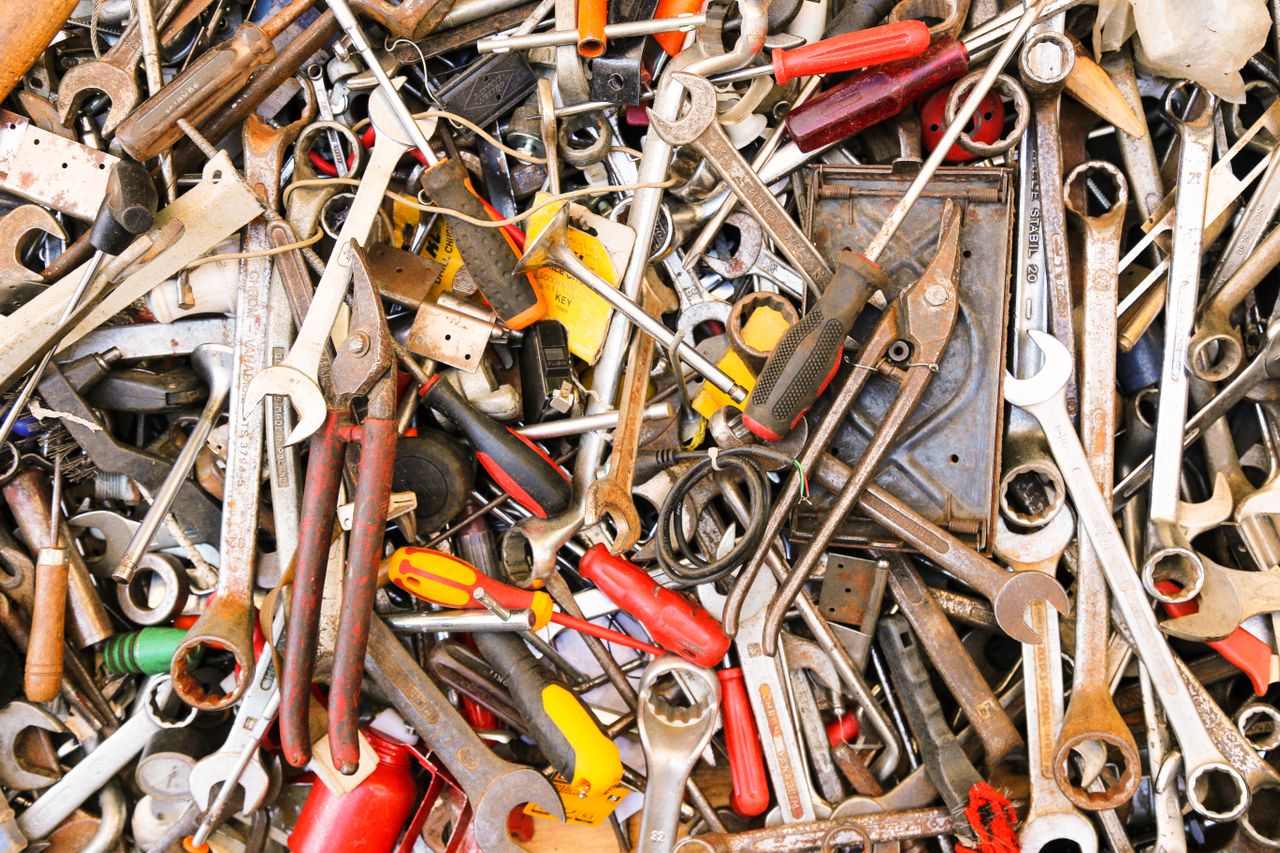
A good starting kit includes a breaker bar and a torque wrench rated for truck-sized lug nuts and suspension bolts, a full metric and SAE socket set, and a set of jack stands rated well above the truck’s actual weight. A low-profile floor jack matters too, since many trucks sit higher than a standard jack was designed for.
Beyond the basics, a set of long-handled pliers, a magnetic parts tray, and a headlamp make the under-truck work considerably less frustrating. Anyone who has dropped a bolt into a dark corner of the undercarriage knows exactly why the tray earns its spot in the kit.
A dedicated set of impact sockets is worth adding once the basic kit is in place, especially for anyone using a cordless impact wrench on lug nuts or suspension bolts. Standard sockets can crack or shatter under impact torque, and swapping them for impact-rated versions avoids a surprise mid-job.
Fluids, Filters, and Consumables Worth Stocking
Running out of the right fluid mid-job is one of the most common reasons a quick maintenance task turns into a second trip to the parts store. Keeping a small stock on hand avoids that entirely.
The essentials are the truck’s specified engine oil and filter, transmission fluid if the model calls for periodic changes, coolant matched to the manufacturer’s spec, and a jug of brake fluid. Trucks that tow regularly also benefit from keeping extra differential and transfer case fluid in the garage, since those get serviced less often but are easy to forget until the manual flags them.
A box of nitrile gloves and a stack of shop rags rounds out the list. They’re inexpensive, and having them within reach means less time spent searching and more time spent actually working.
Diagnostic Tools That Save a Trip to the Shop
A basic OBD-II code reader is one of the better investments a truck owner can make. When the check engine light comes on, pulling the code at home instead of guessing (or paying a shop just to tell you what’s wrong) often saves the first and most frustrating step of any repair.
A simple tire pressure gauge and a tread depth gauge matter just as much, especially for trucks that carry loads or tow trailers where pressure requirements shift with the job. A multimeter rounds things out for anyone willing to chase down electrical gremlins like a dead trailer light or a failing battery connection.
A compression tester and a basic cooling system pressure tester are worth adding for owners of older trucks, where a slow head gasket leak or a weak cylinder can hide behind symptoms that look like something else entirely. Catching that kind of problem early with a thirty-dollar tool can mean the difference between a gasket job and a much larger repair bill down the road.
Protecting Yourself While You Work
Maintenance gear isn’t only about the truck. Standing on concrete or gravel for an afternoon brake job, or kneeling under the frame to change a filter, wears on the knees and lower back faster than the actual repair does.
That’s one reason many owners who spend hours at a time under the vehicle eventually swap out whatever sneakers were by the door for Anti-fatigue work boots for long shifts , which hold up better on hard garage floors and gravel driveways than regular footwear. Safety glasses and a solid pair of mechanic’s gloves round out the basics, and OSHA’s personal protective equipment guidelines are a useful reference for anyone building out a home garage setup for the first time.
A creeper or a thick foam mat also helps on jobs that keep you flat on your back for a while, like an exhaust repair or an oil pan replacement. It’s a small cost against a sore back the next morning.
Organizing the Garage or Truck Bed for the Job
None of this gear does much good if it’s scattered across three different drawers when a job starts. A rolling tool chest keeps the core kit together and mobile, which matters for anyone working in a driveway rather than a dedicated garage bay.
For truck owners who end up doing roadside or job-site repairs, a smaller duplicate kit that lives in a truck bed toolbox is worth the extra cost. Having torque specs, a basic socket set, and a tire gauge already on board turns a flat tire or a loose skid plate from a tow-truck call into a ten-minute fix.
Labeling bins by task, such as “brakes,” “fluids,” and “electrical,” also cuts down on the time spent hunting for the right part mid-job, which matters most when daylight or patience is running short.
Getting Started Without Overbuying
New truck owners don’t need every tool on this list before their first oil change. The better approach is building the kit around the maintenance schedule the truck actually needs, then adding specialty tools as specific jobs come up.
A torque wrench and a decent jack matter from day one. A multimeter can wait until the first electrical gremlin shows up. Buying gear as the need appears keeps the investment reasonable while still building toward a garage that can handle almost anything the truck throws at it.