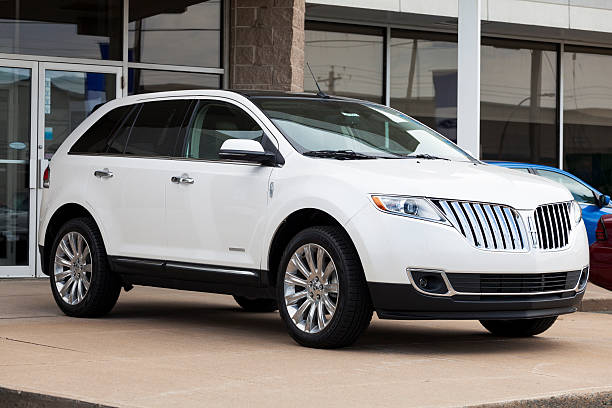
Source: iStockphoto
Other cars come equipped with everything you want: a reasonable price, an immaculate interior, and a solid service record. Yet they sit. Another week goes by, no one calls about that listing, and the cost of keeping the unit listed continues. In this case, the vehicle is seldom the fault. The first impression on the internet is.
Most buyers are on their mobile devices, scrolling through cars and only viewing them for a few seconds at a time. If they see pictures that aren’t clear, tidy, or neat, they’ll move on.
It’s even more critical for trucks, SUVs and vans. They’re difficult to photograph, and the bed, third row, and towing gear sell them, which a few snapshots will not capture. No one needs to stop if they can’t see those details.
You don’t need special equipment to resolve the issue; every team should take this step on every unit. This is one that can be used by bigger vehicles.
Find Enough Space
A van or caravan will take up more space than a small car. Try to use an open area that will accommodate the whole vehicle and try to avoid a wide-angle lens as it can make the vehicle appear longer.
Choose an open background, like an empty corner, wall or fence. Make sure that there are no other cars or poles in the frame. Be sure there are no other vehicles, light poles or signs in the frame. Mark the position that the front bumper will be in on a cone or line; be sure the images are taken from the same position.
. Your inventory page will be clean and tidy, even on a new employee’s first day.
Watch the Light
The large vehicles have large flat panels and these reflect all. Cloudy skies produce the most even light. Avoid midday and hot spots will occur on the hood and shadows will be cast on the body. If possible, park where it is not directly in the sun and to the side of the trailer.
Prepare the Vehicle
The larger the vehicle, the more surface the camera will be able to collect dirt. Before you shoot:
- Wipe the body, wheels, and lower panels.
- Clean the glass both inside and out.
- Clean the truck bed or cargo surface
- Remove trash, air fresheners and loose objects
- Take off price labels and paper tags
- Ensure seats and steering wheel are straight
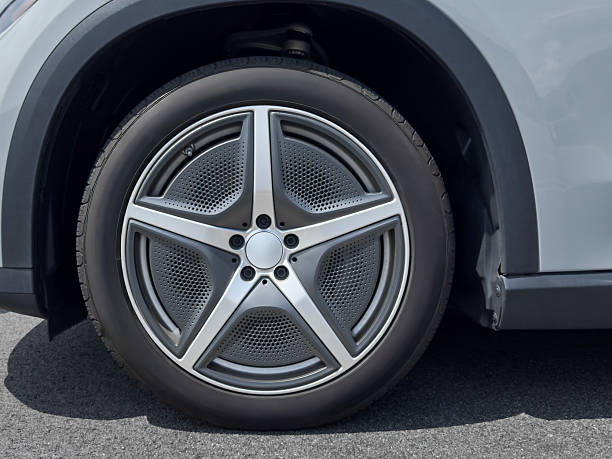
Rotate the front wheels slightly so that the front face is angled towards the camera. This makes the front angle appear sharper on a lifted truck or SUV with large wheels. If it is a new trade-in, inspect the door jam, cup holders and under the seats, as these will help you determine the condition of the vehicle.
Source: iStockphoto
Shot the Exterior
Grip the camera at headlight level. If you’re on a tall vehicle, that’s a little bit higher than it would be for a car. Take photographs in landscape format and maintain a gap around the vehicle. Capture:
- Your front three-quarter shot (your lead photo)
- Both full side profiles
- Rear three-quarter view
- Straight front and back.
- Each wheel and tire
- Roof rails, bumpers and running boards
- Any scratches, dents or chips
Buyers also look for several features when purchasing large vehicles. Take photos of the tow hitch and trailer hitch, bed liner, tailgate, sunroof, lift kit, winch and tonneau cover. These shots can solve problems before they even have to dial a number.
Show the interior and cargo space
Interior and cargo photos can make all the difference in whether a buyer calls.Open the doors and shoot from outside to get as much into the cabin as possible. Keep the lights from the dashboard and glare on the screens to a minimum. On a dark day, open all doors and tailgate and let the sun’s rays shine in or shoot interiors in the morning.
For larger vehicles, cover these areas:
- Door panels and driver’s seats.Door panels and driver’s seats.
- The dash, steering wheel and odometer.
- Infotainment screen and climate controls
- Second and third row (if applicable)
- Truck bed up and truck bed down (van or SUV)
- A truck bed viewed from above, open and empty.
A close-up of a scuffed bumper or worn seat edge, hinted at in the description, helps them build confidence and avoid surprises when they visit.
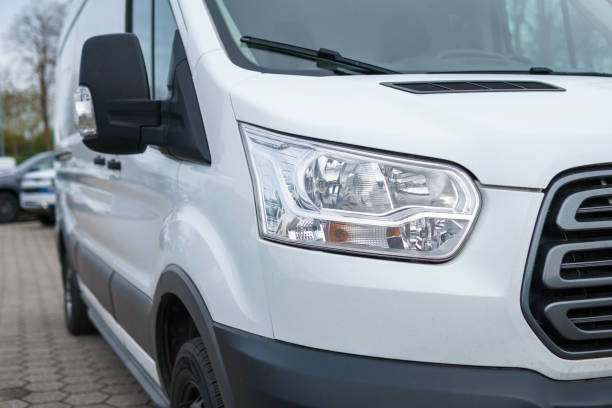
Source: iStockphoto
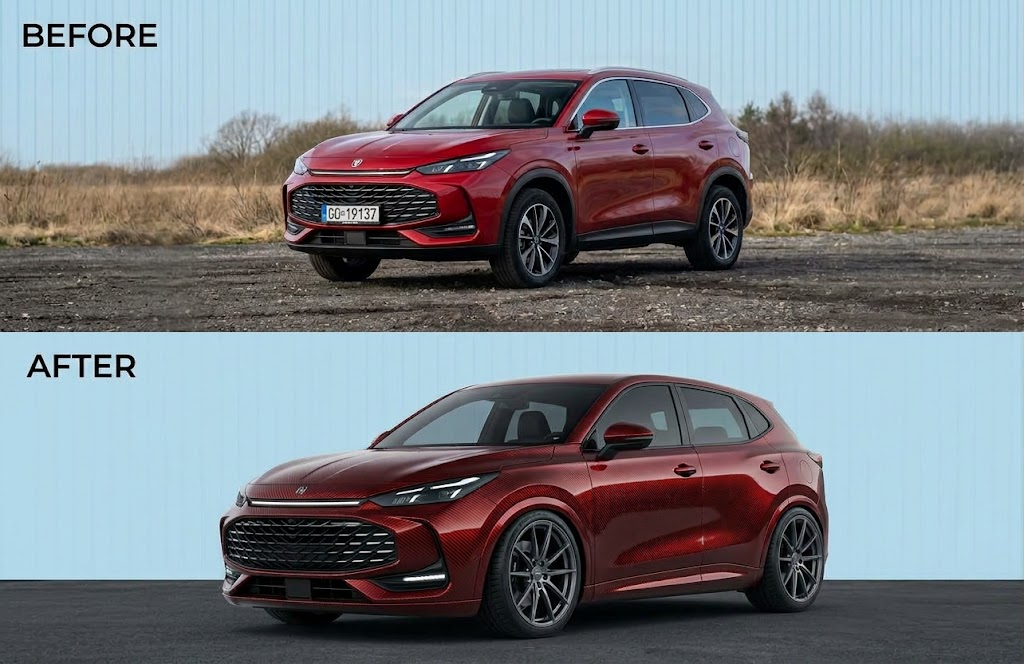
Edit all photos to the same quality
Colors vary according to the time of day and the devices used. Consequently, one truck might seem warm, while another seems blue. These differences can be corrected through editing. Make sure there is consistent cropping, adjust brightness and color, straighten the horizon across all listings.
Editing images in-house can be an issue of time taking away from sales. Larger dealerships rely on car photo editing services to ensure that all their listings are treated equally, even during busy weeks. Providers like BulkRetouch can process multiple images and create a uniform appearance throughout the collection
Avoid altering the photo in ways that aren’t real, like fixing lights and colors, but keep scratches, dents, and other real wear and tear marks. This will make it easier for the buyer to compare like vehicles, better understand what they are looking at, and be able to make a decision prior to calling the dealership.
Photos in Order and Review the Listing
Display images such as walk-around, first side, front 3/4 view; then, towing features; then, as above, outside view; then, inside view; then, cargo space view; then, defects. After publishing, check the listing on the phone to make sure the first picture is a satisfactory thumbnail and that no vital information is lost from the image.
Capture 20+ images and describe the product and highlight the features, such as the towing package, third row, rear camera or anything else the platform supports.
FAQs
Can Smartphones be useful for trucks and SUVs?
Yes, in most cases. A clean lens on a recent phone is usually enough. Framing and angles matter more than the camera.
How many seconds does it take for one car to go?
Most teams can complete the set routine and mark the spot in around 20 minutes. The Bed Shots and extra load weight make it possible to run a little longer for the large vehicles.
When is it time to reshoot?
Once a listing has been repaired, detailed or changed in condition, or has been live for a long time with no calls, it will go back to the last price. Once a listing has been repaired, it will return to the previous price. A fresh photo can help to capture attention again.
Final Takeaway
Do not rush, take time to shoot in good lighting, show off special features of the vehicle, edit your images the same way, and upload them in a logical order.
High-quality photos, taken and retouched by good photo editing, enable prospective buyers to make more informed comparisons, get a better grasp of what they’re purchasing, and be more confident about reaching out to the dealership or arranging a test drive.