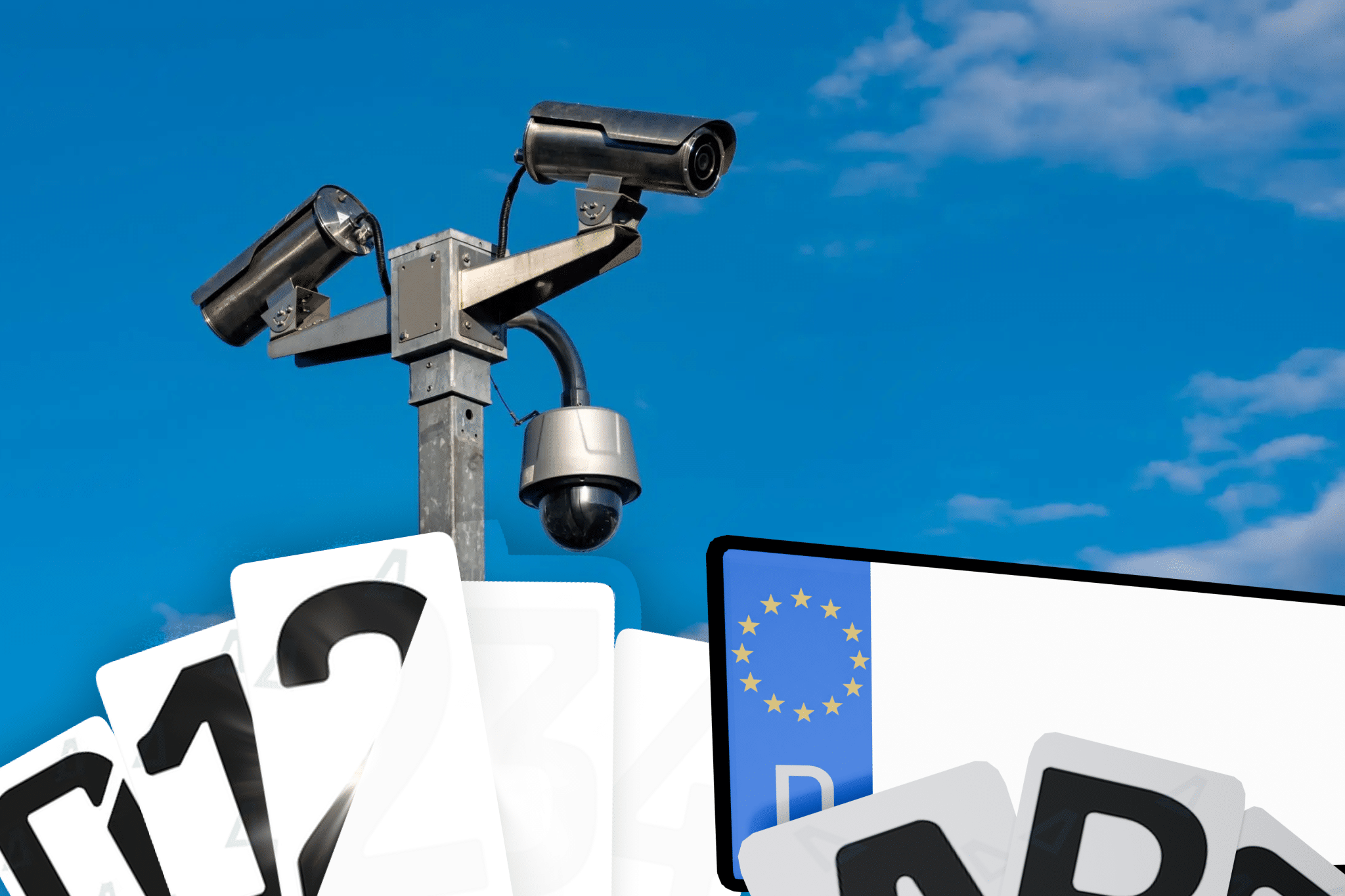
Road cameras have changed from simple devices that record a passing vehicle into systems that can capture images, read plate characters, and connect observations across a wider traffic network. As the technology evolves, drivers have become more curious about how a license plate appears to a camera under different lighting conditions. That interest has also brought attention to optical products designed for plate characters.
How Road Cameras Have Changed
Early roadside cameras had a fairly narrow job. A device captured an image when a vehicle passed a particular point, and a person could review the photograph afterward. Image quality depended heavily on the weather, available light, camera position, and the speed of the vehicle. A clear view of the plate was essential, but getting one was not always straightforward.
Modern systems can do more with each image. Automatic number plate recognition software identifies the area containing a plate, separates its characters, and converts them into text. Some installations also record the time, location, and direction of travel. That makes the plate useful beyond a single photograph: it becomes information that software can process.
Cameras are now found in more settings, too. They may be mounted above a road, installed beside an intersection, or used at the entrance to a parking area. Each location presents a different viewing angle and lighting environment. A plate that looks clear in daylight may be photographed under very different conditions after dark.
This variety helps explain interest in anti radar stickers for license plate. Alite offers stickers made for selected plate characters and formats, including options for cars and motorcycles. The product page describes how its optical material is intended to interact with infrared illumination used by compatible cameras.
Why Lighting Matters to Plate Recognition
A camera needs more than a plate in its field of view. It needs enough usable contrast to distinguish one character from another. Shadows, glare, motion blur, dirt, and reflections can all affect an image. Software may compensate for some of these conditions, but the quality of the captured image still matters.
Nighttime imaging adds another consideration. Some camera systems use infrared illumination to help photograph vehicles when visible light is limited. Infrared light is outside the range people normally see, yet a camera designed to detect it can use the reflected light to form an image. Materials that look similar to the human eye may reflect that light differently.
Alite describes its Nanofilm Ecoslick stickers as an optical layer applied to individual letters or numbers. According to the brand, the material changes how infrared light reflects from a covered character toward certain cameras. The distinction is specific: it concerns the appearance of a character under particular imaging conditions. It does not mean that every camera uses the same illumination or that every photograph will look alike.
The name “anti radar sticker” can be misleading if taken literally. Radar measures movement using radio waves, while plate recognition relies on captured images. A sticker placed on a plate is discussed in relation to camera imaging and character visibility. Understanding that difference makes it easier to assess product descriptions and ask useful questions about how a particular camera works.
From Single Images to Connected Systems
The development of road cameras is also a story about software. Once a plate can be converted into text, a system may compare records from different locations or identify a vehicle’s passage through a particular area. The camera provides the image; software gives that image a searchable form.
Several steps must work well for recognition to succeed:
- Capture: The camera records the vehicle and plate at a usable angle.
- Lighting: The plate receives enough illumination for its characters to stand out.
- Processing: Software locates the plate within the image and reads the characters.
- Review: The resulting record is checked or used according to the system’s purpose.
An error at one stage can affect the next. For example, a plate may be visible in a photograph but difficult for software to read because one character has low contrast. Conversely, newer imaging and processing methods may recover detail from conditions that challenged older systems. Camera performance therefore varies by equipment, setup, and environment.
This is why broad promises about visibility are hard to evaluate. A roadside camera, a parking camera, and a phone camera may produce different images of the same plate. They can use different sensors, lighting, exposure settings, and viewing angles. Even two installations of the same camera model may face different conditions.
Camera placement can also change what the system records. A camera above a lane may see a plate from a steeper angle than one positioned near the roadside. Vehicles in adjacent lanes, changing sunlight, and reflections from wet pavement can further affect the image. These factors are especially relevant when comparing photographs taken at different times or locations.
Recognition software adds another variable. It may analyze several frames of a moving vehicle rather than relying on a single still image. If one frame is blurred or partly obscured, another may provide clearer characters. This does not make recognition certain in every situation, but it shows why the result cannot be judged from one sample photograph alone. A meaningful comparison needs to account for the camera, lighting, position, and image processing together.
What Drivers Should Look at When Comparing Stickers
Plate design is not identical everywhere. Character shapes, sizes, colors, and surface finishes differ between countries and regions. Some plates have raised characters; others use flatter printing. A sticker intended for one format may be poorly matched to another, even if the character itself looks similar.
Alite’s range reflects these differences through options for different locations, vehicle types, and numbers of plates. Its page also explains that one sticker is intended for one plate character. A driver comparing products would therefore need to check the exact plate format and decide which characters the selected set covers.
Installation matters as well. A sticker needs to align with its intended character, and the plate surface should be prepared according to the supplied instructions. Uneven placement, trapped air, or contamination can change how an applied material looks and wears. Those practical details deserve as much attention as the optical explanation.
It is also sensible to separate a manufacturer’s description from a guaranteed outcome. Real cameras operate in varied conditions, and plate visibility rules differ by location. Before using any plate accessory, drivers should check the requirements that apply where the vehicle is registered and driven. A product’s appearance in ordinary daylight does not, by itself, establish how it will appear to every camera or whether its use is permitted.
Road camera technology will keep changing as image sensors, illumination, and recognition software improve. Optical plate products are part of the conversation because they focus on the point where a physical surface becomes a digital image. The useful question is how a specific plate, material, and camera interact under specific conditions. Understanding those limits gives drivers a clearer view of both the technology and the claims made about it.